
AI Process Redesign: 9 Critical Automation Fixes
AI Process Redesign helps SMEs avoid failed AI automation by fixing workflows, data, decision rights, controls, and adoption before scaling AI.

AI Process Redesign helps SMEs avoid failed AI automation by fixing workflows, data, decision rights, controls, and adoption before scaling AI.
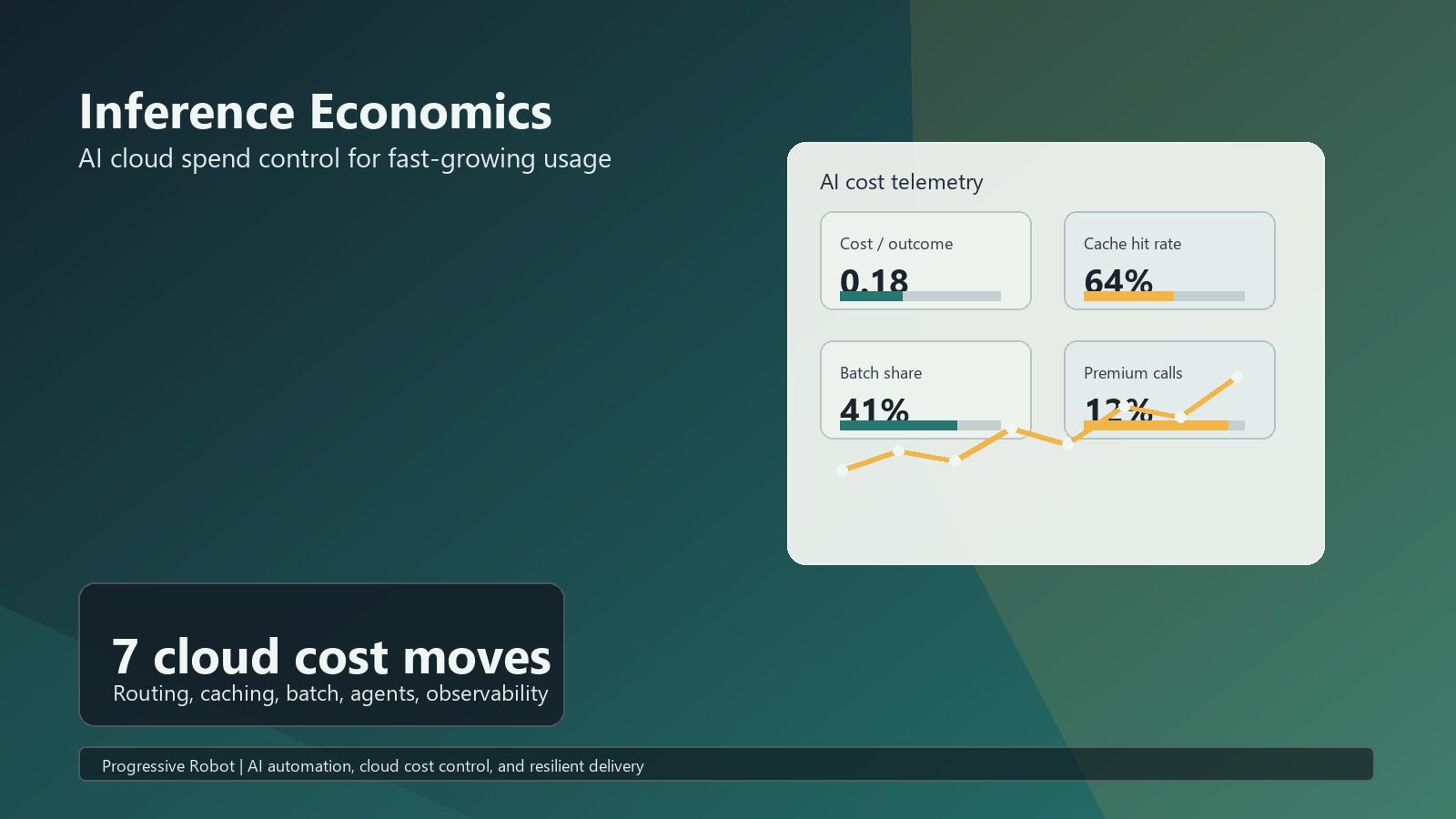
Inference Economics guide for IT and finance leaders covering AI token costs, model routing, prompt caching, batch inference, agent budgets, and cloud spend control.

Atoms is an AI product builder that gives founders and teams agent-style help for research, planning, coding, backend setup, deployment, and growth experiments.

The agentic enterprise uses AI agents, orchestration, trusted data, governance, and workflow automation to move beyond chatbots and redesign how work gets done in 2026.

Context engineering has become a critical AI skill because reliable agents need the right information, tools, memory, and evaluation at the right time.

OpenAI phone reports suggest an AI-first smartphone where agents handle tasks across services instead of users opening dozens of apps.

Team9 AI is an agent workspace for teams that need roles, tasks, playbooks, memory, and human oversight instead of another chat tab.

Code execution with MCP turns agentic systems from all-purpose chat loops into safer, auditable workflows that delegate work to the right tools.
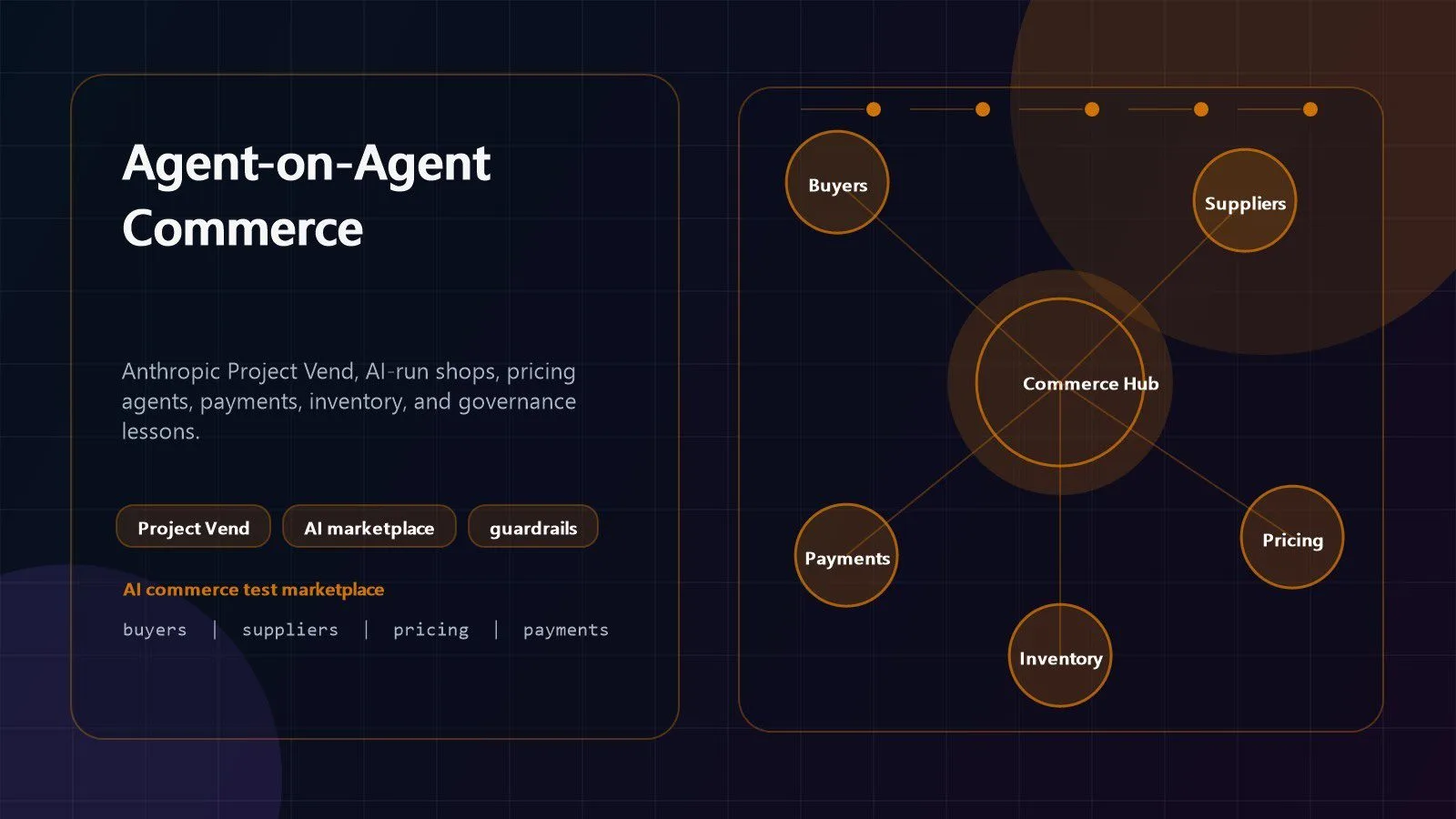
Anthropic’s Project Vend shows why agent-on-agent commerce needs more than smart models: pricing discipline, memory, tool governance, audit trails, and human escalation.
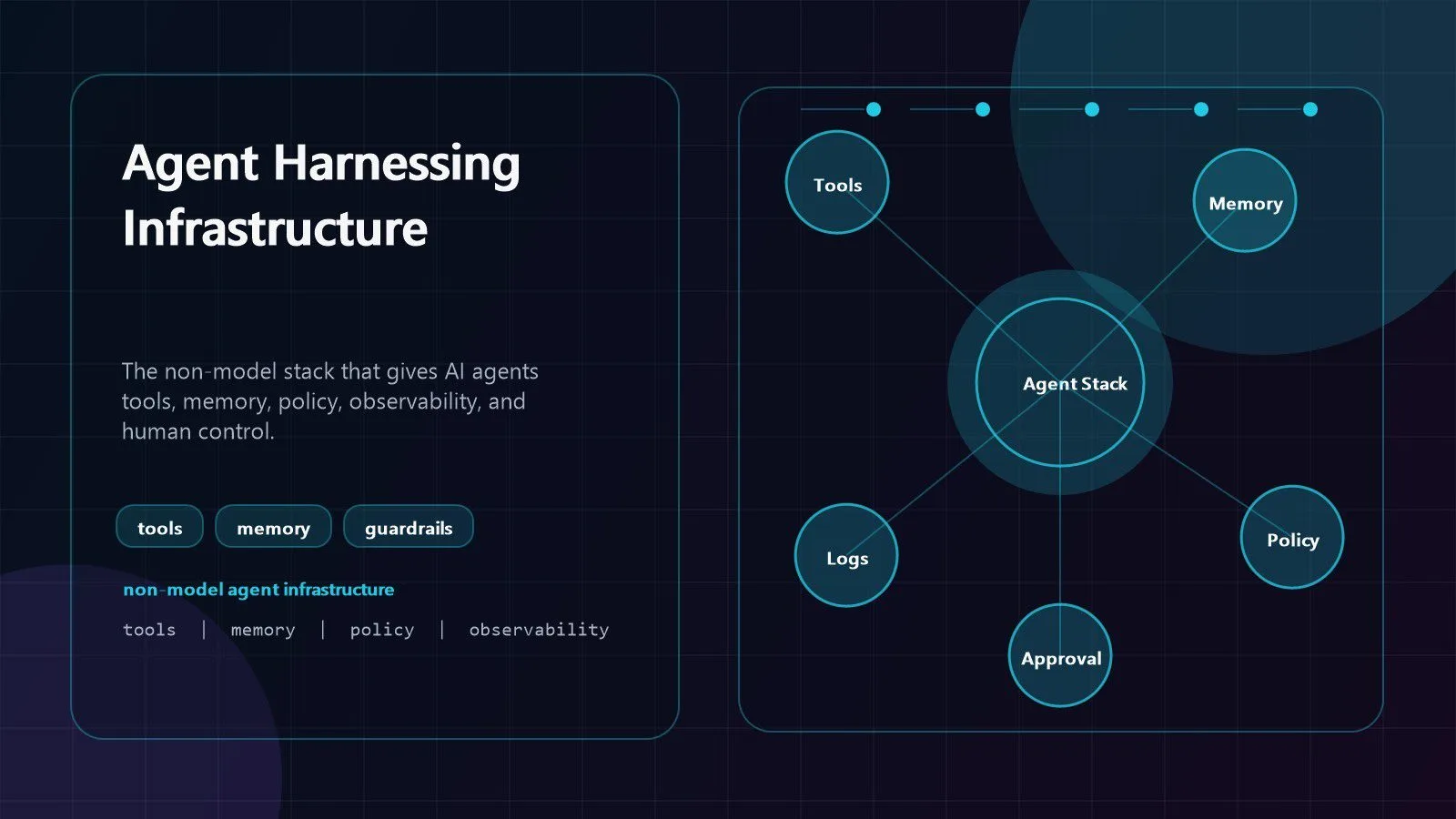
Agent Harnessing is the non-model infrastructure layer that gives AI agents tools, memory, permissions, monitoring, evaluation, and human control so they can work reliably.










