
GPUs vs TPUs: 7 Critical Differences for AI Workloads
A source-backed comparison of GPUs vs TPUs covering architecture, software ecosystem, workload fit, cloud portability, and when each accelerator makes sense for AI teams.

A source-backed comparison of GPUs vs TPUs covering architecture, software ecosystem, workload fit, cloud portability, and when each accelerator makes sense for AI teams.
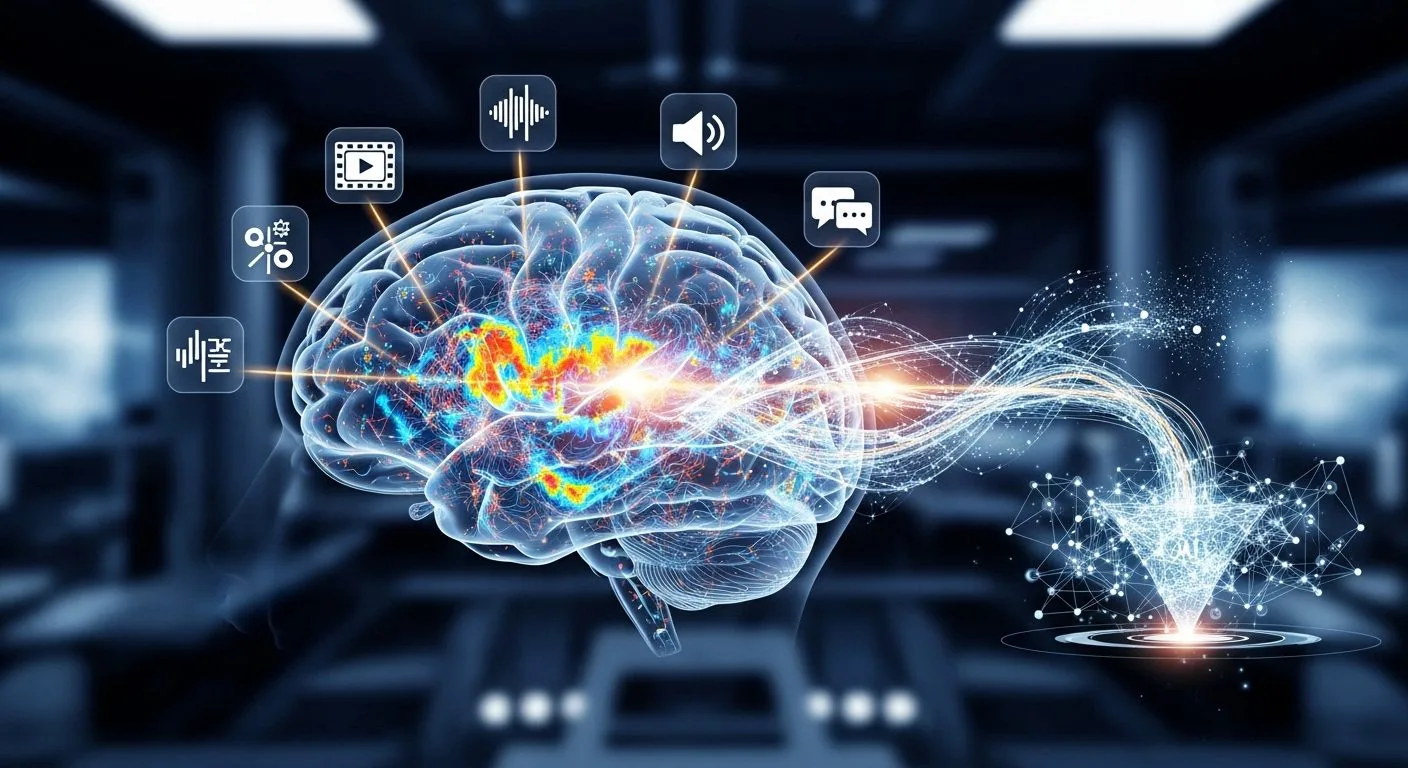
A highly SEO-optimized news explainer on the TRIBE v2 model, Meta’s multimodal predictive foundation model for simulating human brain responses to complex stimuli.

Machine learning has transformed from an academic curiosity into a foundational technology powering apps we use every day—from Spotify’s music recommendations to Google Translate and fraud detection in banking apps. In 2025, building machine learning (ML) applications is more accessible than ever, thanks to mature open-source frameworks, cloud-based ML platforms, and widespread community knowledge.
Large Language Models have transformed artificial intelligence, powering tools like ChatGPT and Google’s Gemini. These systems understand and generate human-like text with unprecedented accuracy. This guide explains how they work, how to build them, and their real-world impact.
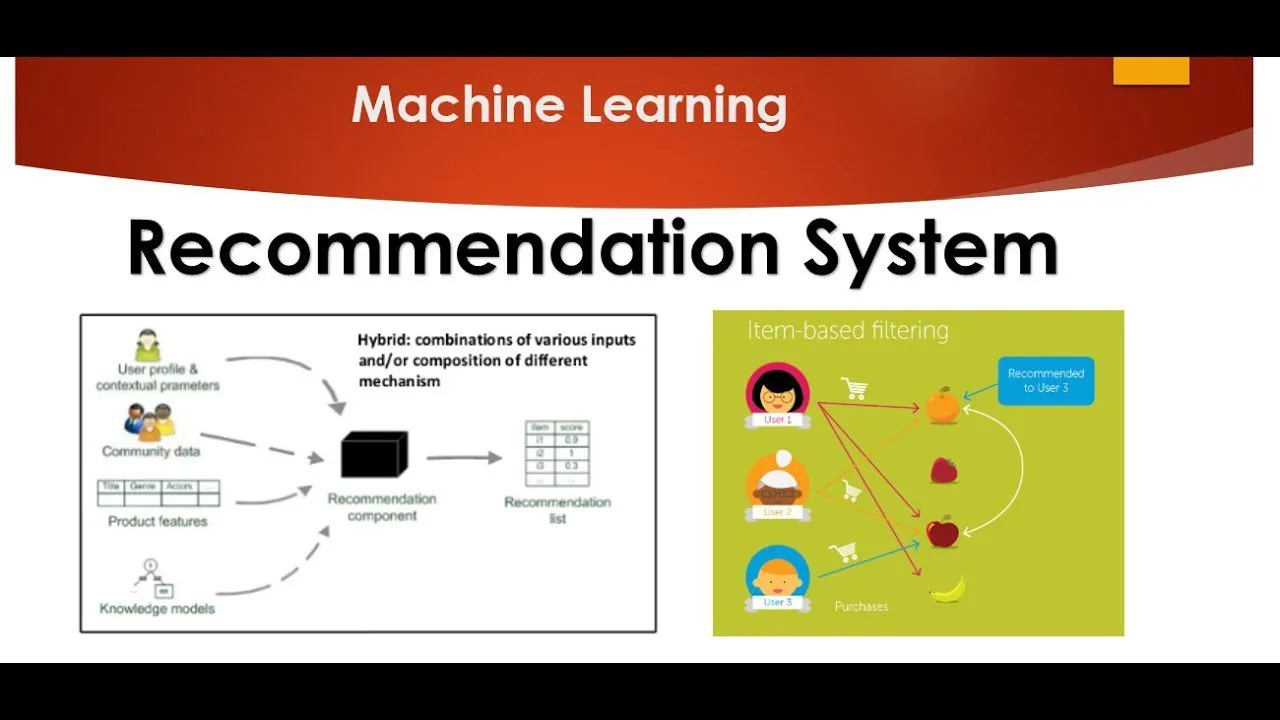
Personalization now drives modern shopping experiences. E-commerce platforms know customer preferences better than ever. They predict purchases, optimize timing, and refine suggestions perfectly. Businesses increasingly invest in personalization technology. Recent surveys show 92% of companies use AI for customer journeys. The global personalization market will exceed $9.5 billion by 2024’s end. Machine learning recommendation systems power this transformation. They analyze user behavior to suggest relevant products. This technology boosts sales and improves customer satisfaction significantly.

Modern businesses face complex challenges with data analysis and decision-making. Artificial intelligence helps companies manage these tasks efficiently. Many industry leaders now maintain dedicated AI teams. Not every business needs dozens of specialists. Often, one skilled AI/ML developer can make a significant difference. This guide explains how to find, hire, and retain top AI talent for your specific needs.
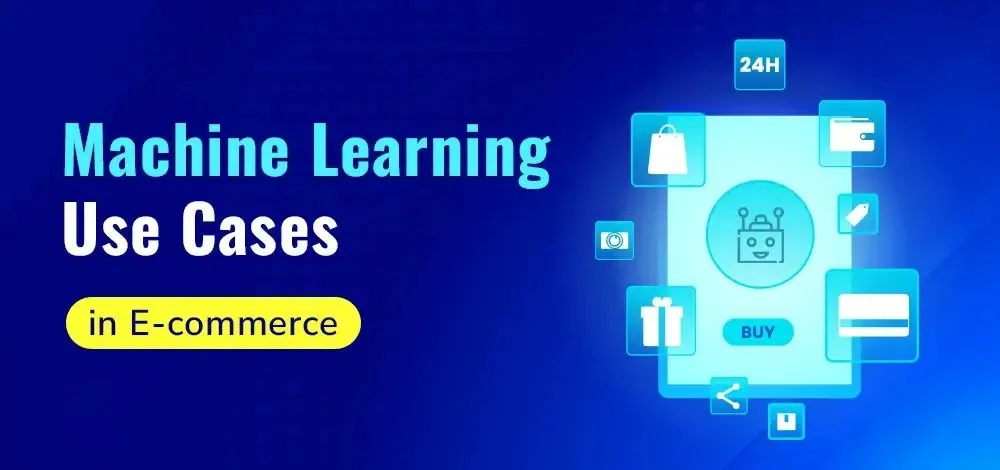
Online shopping has revolutionized retail by making purchases fast and convenient. Behind this seamless experience, machine learning (ML) powers intelligent systems that enhance every step of the customer journey. Progressive Robot specializes in implementing advanced ML solutions that help eCommerce businesses optimise operations and boost sales. Below we explore ten critical applications where machine learning […]

As advancements in technology continue to revolutionize various industries, the integration of machine learning algorithms has become increasingly prevalent. However, amidst the excitement of the capabilities offered by these algorithms, there lies a critical concern – the potential risks of bias. Bias in machine learning algorithms can have profound implications, influencing decisions in areas such as hiring practices, financial lending, and criminal justice.
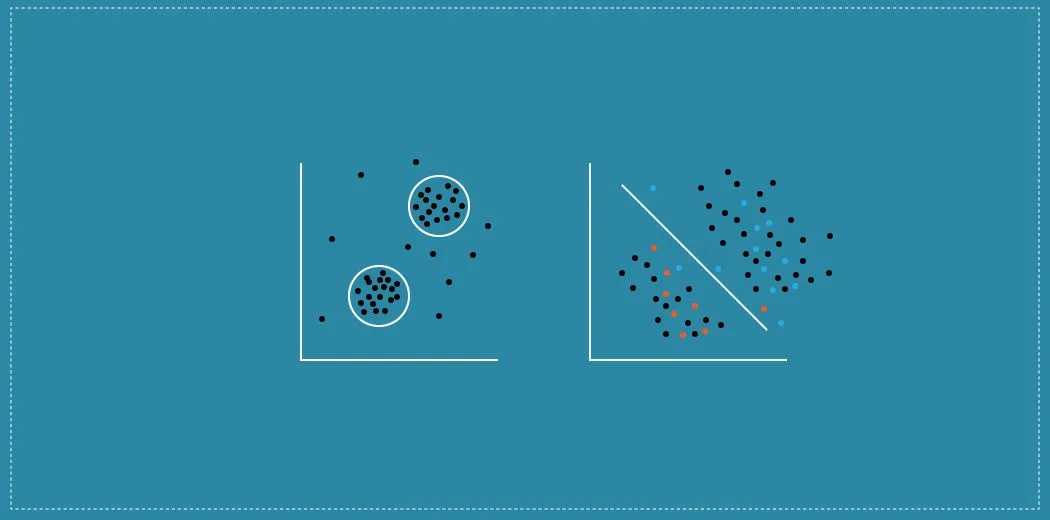
Machine learning is a transformative technology that has revolutionized various industries by enabling computers to learn from data and make intelligent decisions without being explicitly programmed. Within the realm of machine learning, two fundamental approaches, supervised and unsupervised learning, play a pivotal role in shaping how algorithms are trained and utilized. Understanding the distinction between these two methodologies is essential for practitioners and enthusiasts alike to harness the full potential of machine learning capabilities.

Developing Optimized Pipelines for Training and Deploying ML Models is a crucial aspect of achieving successful outcomes in machine learning projects. Efficiently managing the lifecycle of machine learning models requires a structured approach that encompasses best practices in data preparation, algorithm selection, model optimization, deployment strategies, and ongoing monitoring.