What Is Xoople? 7 Critical Facts About the Earth Data Infrastructure Company
A practical guide to Xoople, including its Earth data infrastructure model, AI positioning, platform integrations, satellite strategy, and major April 2026 funding round.
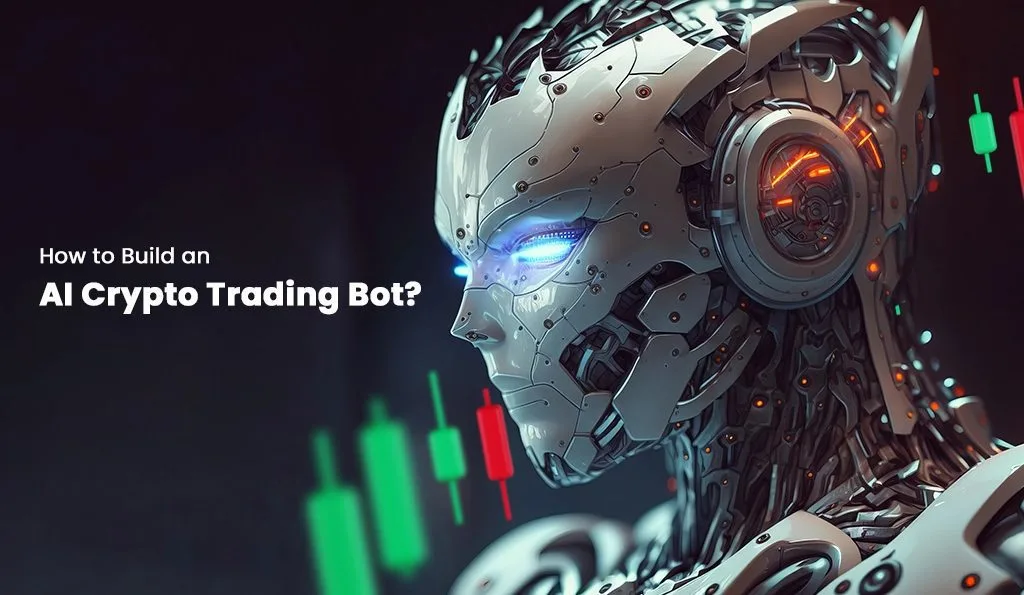
An AI Crypto Trading Bot is an automated software that trades cryptocurrencies using artificial intelligence. It analyzes market data, predicts trends, and executes trades without human intervention. These bots operate 24/7, capitalizing on market opportunities instantly. Additionally, AI bots use machine learning to improve strategies over time. They process vast amounts of data faster than any human trader. This reduces emotional decision-making and increases profitability.
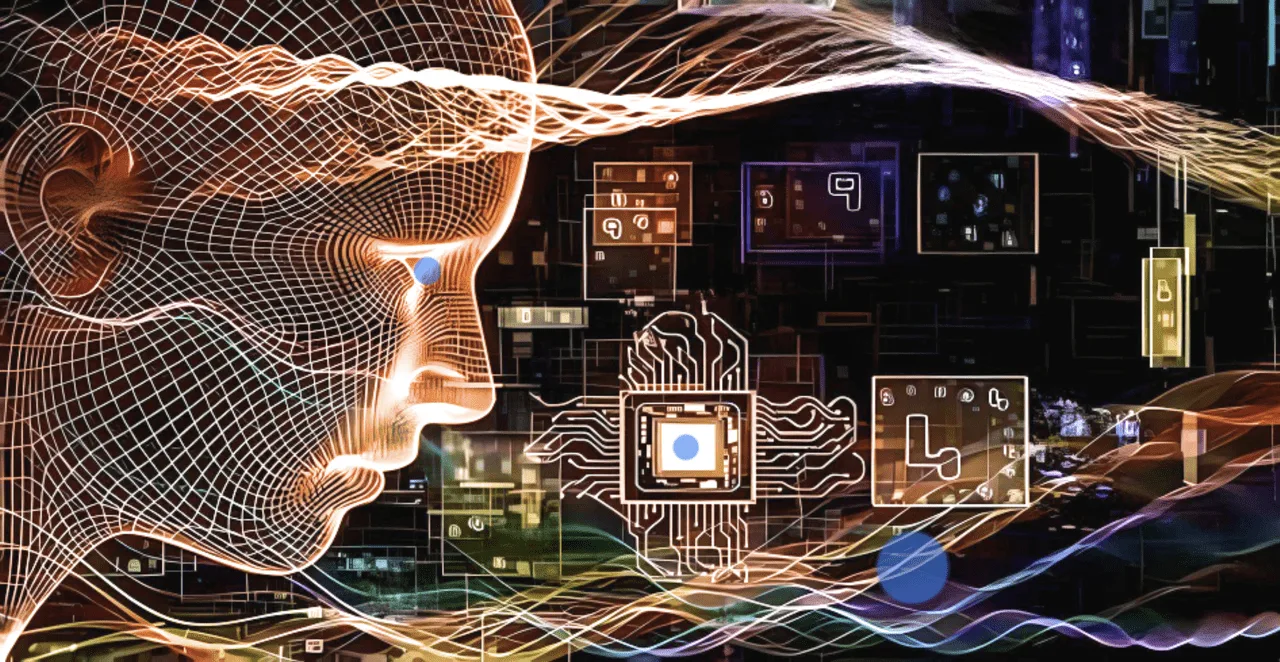
The landscape of web development is rapidly evolving, embracing new technologies like Artificial Intelligence (AI) and Machine Learning (ML) to create smarter, more dynamic applications. While languages like Python often dominate AI/ML discussions, PHP, with its vast web development ecosystem and established community, shouldn’t be overlooked. This article delves into the exciting intersection of PHP and AI/Machine Learning, exploring its potential, practical examples, and promising use cases.
The landscape of software development is rapidly evolving, and Artificial Intelligence (AI) and Machine Learning (ML) are at the forefront of this transformation. Laravel, a popular PHP framework, offers a robust platform for building web applications, and by integrating AI/ML capabilities, developers can unlock exciting new possibilities. This article explores how AI and ML can be leveraged within Laravel applications, focusing on specific areas like personalized recommendations, anomaly detection, and predictive maintenance.
Imagine a living, breathing replica of your car, not in the physical realm, but in the digital world. This virtual doppelganger, known as a Digital Twin, continuously monitors its real-world counterpart, collecting and analyzing data in real-time. Powered by the magic of Artificial Intelligence (AI), this digital twin can predict future behavior, detect potential issues, and even suggest preventative measures, paving the way for a future of proactive maintenance and enhanced efficiency.
The realm of artificial intelligence (AI) has witnessed remarkable advancements in recent years, powering everything from self-driving cars to intelligent assistants. But despite its impressive capabilities, AI faces a fundamental hurdle: the limitations of classical computers. Enter Quantum Computing, a revolutionary technology poised to catapult AI into a new era of discovery, with the potential to unlock breakthroughs in fields from drug discovery to materials science.
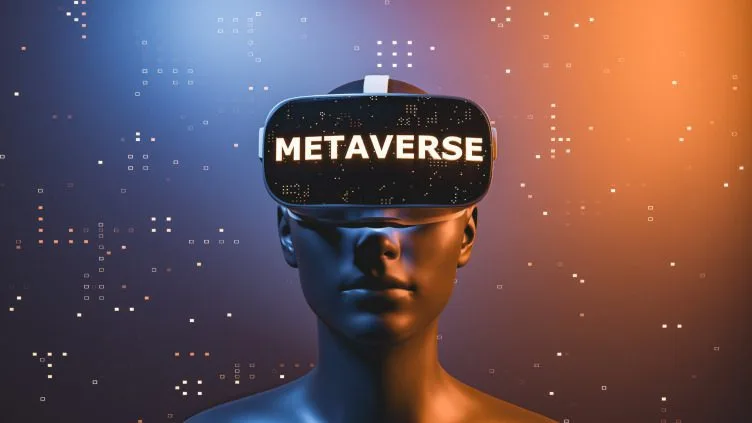
Imagine stepping into a world where the boundaries between reality and imagination blur. Lush landscapes stretch before you, populated by vibrant avatars and teeming with interactive possibilities. This isn’t science fiction; it’s the burgeoning realm of Metaverses, where virtual worlds and augmented reality intertwine to create a new frontier for AI.
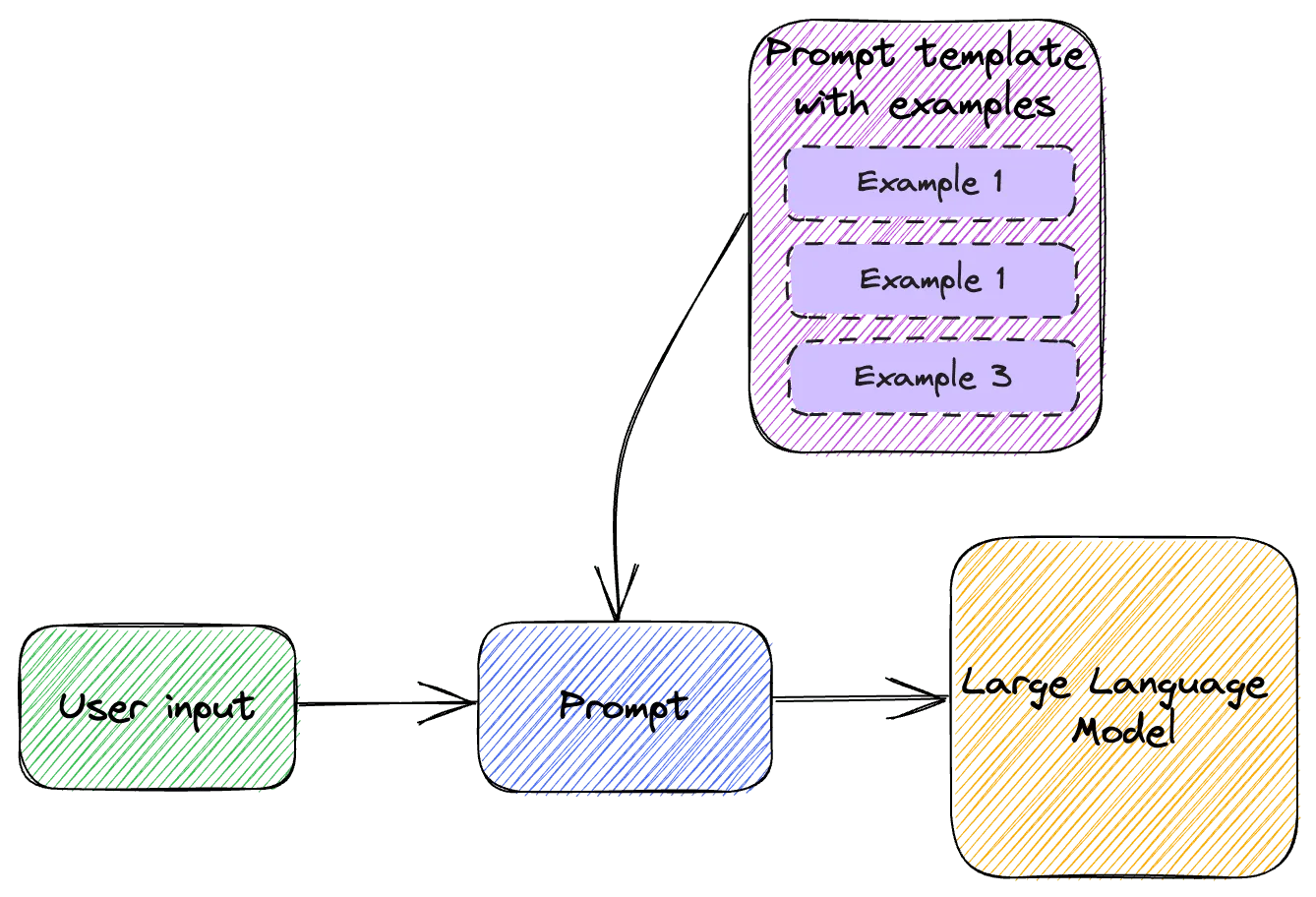
Imagine teaching a child new vocabulary. One picture and definition might suffice for simple words like “apple,” but complex concepts like “empathy” might require multiple encounters and diverse examples. This natural learning process forms the core of a fascinating realm within AI – N-shot learning.
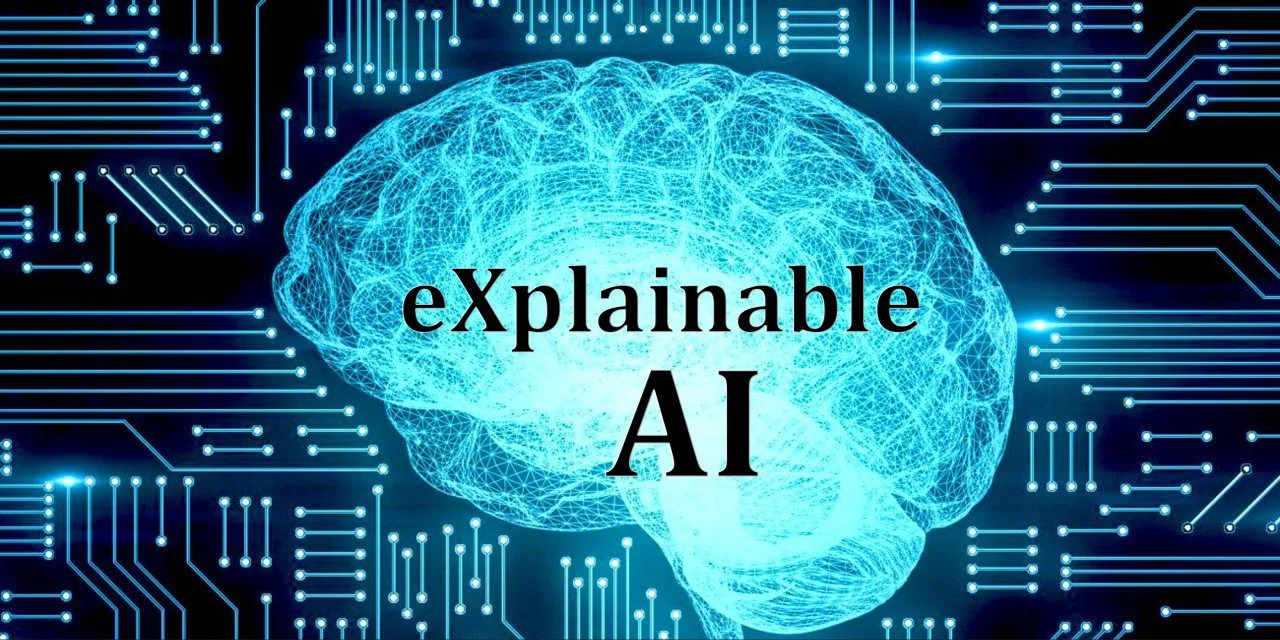
The age of artificial intelligence (AI) is upon us, transforming everything from how we work to how we play. But for all its wonders, AI often operates within a black box, its decisions shrouded in algorithmic mystery. This lack of transparency breeds distrust and hinders human-machine collaboration. Enter the rising star of Explainable AI (XAI) – a crucial concept shedding light on AI’s inner workings, building trust, and unlocking its full potential.
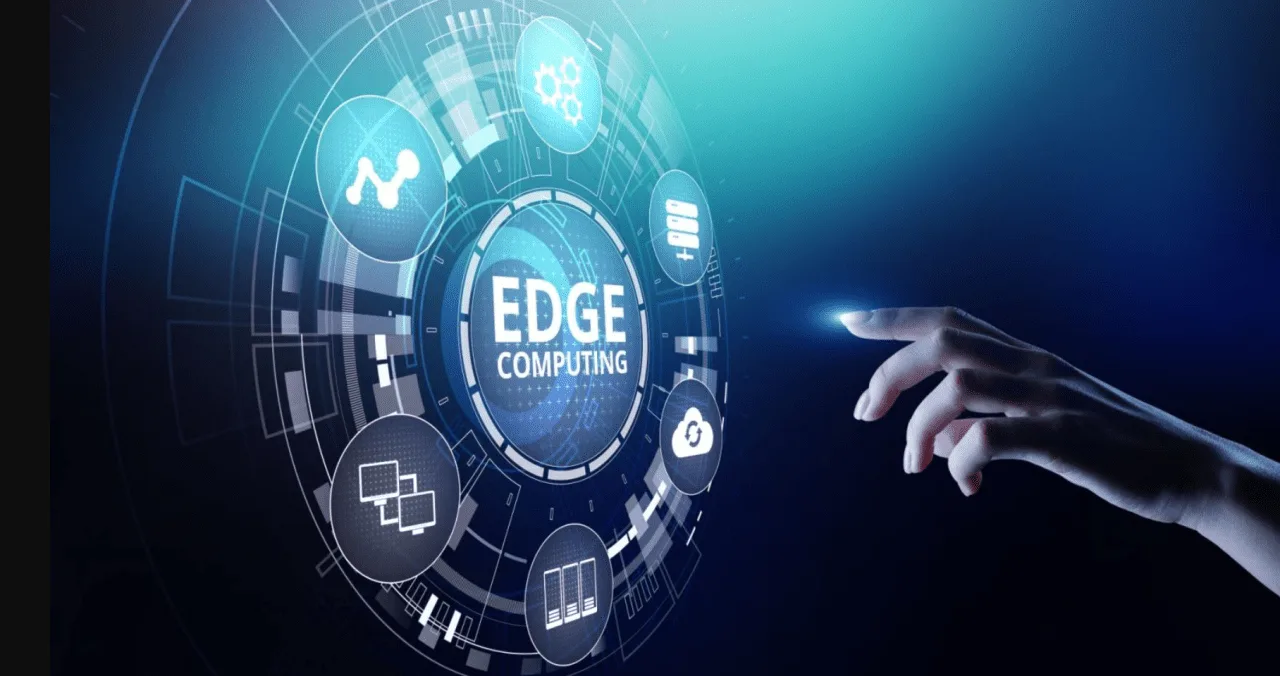
The data deluge of the digital age has transformed our world into a symphony of information, pulsating through every facet of our lives. But unlike a carefully orchestrated concert, much of this data embarked on a long-distance trek to centralized data centers in the cloud for processing. While powerful, this centralized approach resembled a cumbersome waltz – latency delays, bandwidth oversaturation, and security vulnerabilities cast a shadow on its efficiency.