AI News

paying artists embrace ai pippa royalties a royalty coins flowing into artist palette

Paying Artists to Embrace AI: Inside Pippa’s Royalty Model

Text-to-video startup Pippa pays illustrators $0.005 per image and $0.003 per second of video, plus a 5% share of subscription revenue. It is the clearest test yet of whether compensation alone can bring artists over to generative AI, or whether consent, credit and stylistic control were always the bigger obstacles.

Read more
ai studio artifacts folder generated files featured

AI Studio Artifacts Folder: Why Generated Files Finally Have a Permanent Home

Generated files have been the least-managed output in modern development. A model produces exactly the code, document, or export you asked for, it renders inside a conversation, and within a day nobody can find it again. The AI Studio Artifacts folder is the correction: one project-scoped location where generated output persists as files rather than […]

Read more
AI disclosure illustrated as an even field of identical cubes on a dark platform with a scattered third of them glowing brilliantly, the same systems as before with only some of them now announcing themselves

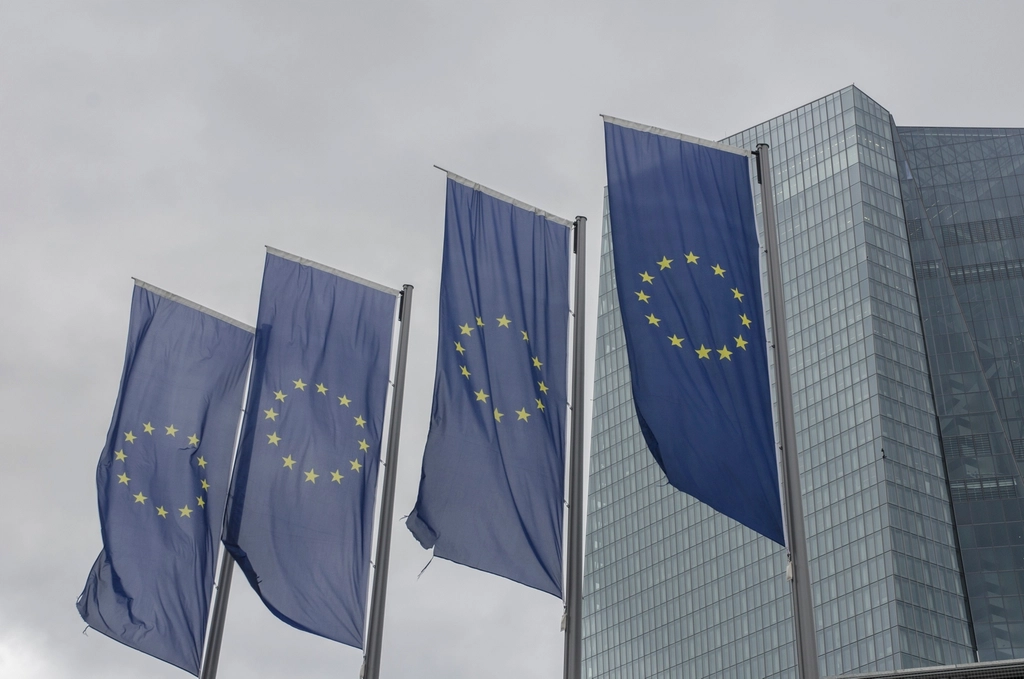
AI Disclosure Begins: Europeans Are About to Find Out How Entrenched AI Is in Their Daily Lives

From 2 August 2026 the EU AI Act’s transparency chapter makes conversational and generative AI announce itself: chatbots must say they are chatbots, deepfakes must be labelled, and generated content must carry machine-readable marks. The interesting part is what that reveals. Eurostat puts generative AI use at 32.7% of Europeans aged 16 to 74, while a consumer study across six European markets found only about a third recognise using AI-powered services daily. This guide covers the four Article 50 duties and who owes each, what Europeans will visibly notice across banking, support lines, marketing and retail, and the much larger category of everyday AI – fraud scoring, ranking, dynamic pricing, routing, triage – that owes no disclosure at all. It also covers the Digital Omnibus deferral that pushed the high-risk rules for hiring, credit and education to December 2027, the four-month grace period on machine-readable marking, the EUR 15 million or 3% penalty exposure, and a four-step readiness sequence for organisations selling into the EU.


Read more
CHAT