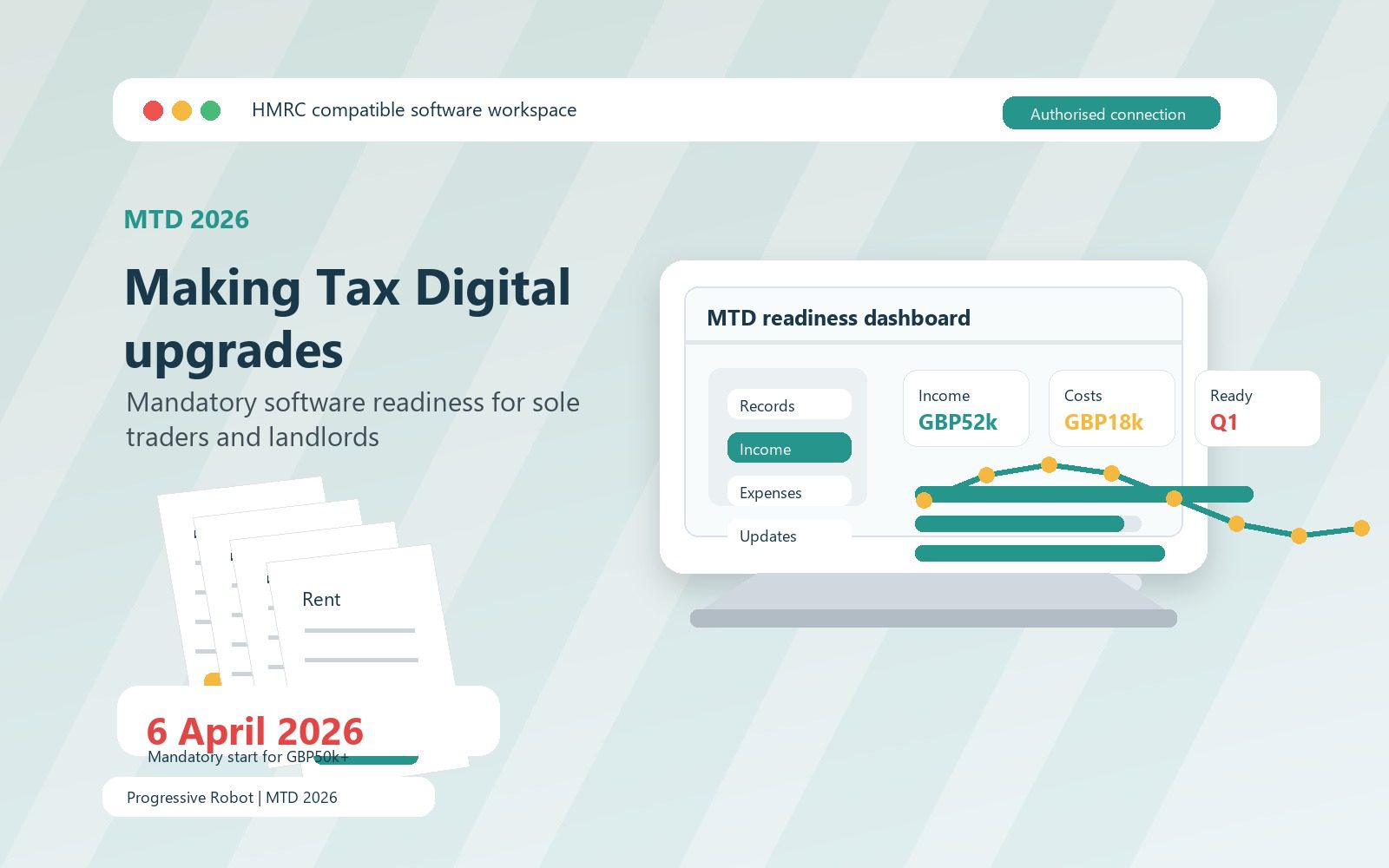
Making Tax Digital: 7 Best MTD 2026 Upgrade Steps
Making Tax Digital guide for MTD 2026 software upgrades, covering sole trader and landlord thresholds, digital records, quarterly updates, and tax return readiness.

Making Tax Digital guide for MTD 2026 software upgrades, covering sole trader and landlord thresholds, digital records, quarterly updates, and tax return readiness.
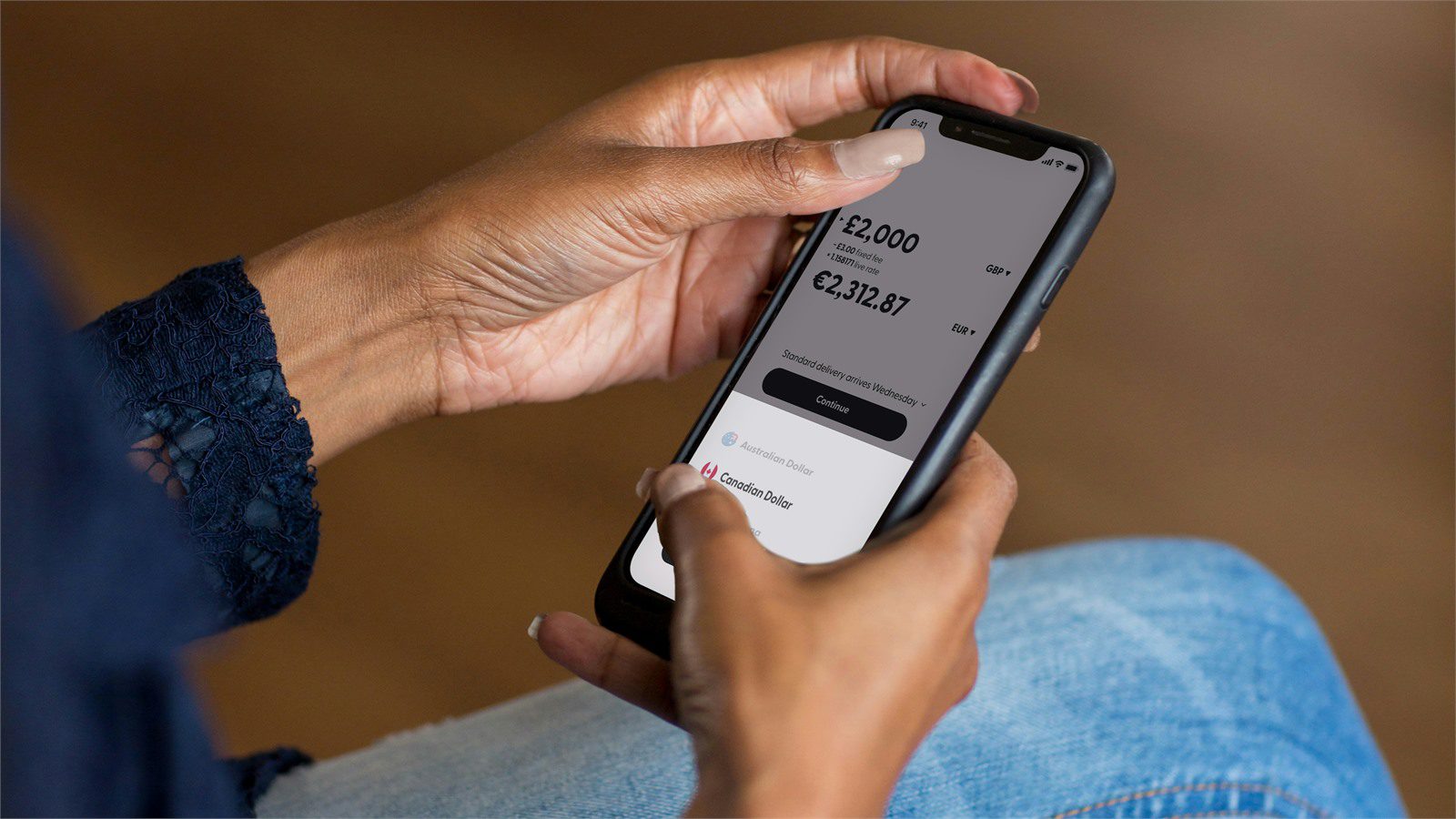
FinTech security protocols for digital banking apps combine phishing-resistant authentication, secure APIs, encryption, fraud monitoring, DevSecOps, and operational resilience.

Banking, like many other industries, has been undergoing a continuous digitization process for years. The rapid adoption of digital technology has triggered massive transformations in the sector, encouraging banks to search for custom finance software development services to build modern digital banking solutions. With this shift, banks have increasingly started adopting digital marketing strategies from e-commerce to improve service delivery, customer retention, and overall satisfaction. Among these strategies, the multi-channel approach was the first step to providing banking services across different channels. However, the digital landscape has evolved further, giving rise to a more advanced model: the Omnichannel Digital Banking Solution.

In the past decade, fintech has transformed from a niche trend into a revolutionary force in global finance. Once driven by small startups, the fintech ecosystem today includes billion-dollar corporations shaping banking, payments, insurance, and investing. With more than three billion users worldwide in 2025, fintech has redefined how people and businesses interact with money. However, none of this progress would have been possible without the rapid advancements in fintech software development, which powers everything from mobile banking apps to blockchain-based decentralized platforms.
Digital Transformation in Banking is redefining the financial sector at a rapid pace. In the last few years, the face of banking has irrevocably changed. One of the clearest examples is the rise of a new breed of banks known as challenger banks — financial institutions that focus on delivering exclusively digital services and minimizing in-person customer interactions.

Gamification in Banking has become one of the most effective strategies to increase customer engagement and loyalty in the financial industry. With the rapid growth of mobile banking apps, particularly during and after the pandemic, banks are under pressure to offer more than just basic services. Customers now expect secure, seamless, and interactive digital experiences.

The financial industry is going through a rapid digital transformation that is reshaping the way individuals and organizations manage money. From online banking and seamless payment systems to innovative financial platforms, technology is deeply integrated into modern finance. Now, wealth management is experiencing its own revolution through WealthTech.

Any business that sells products or services online needs to deliver a fast, secure, and seamless experience that satisfies both customer and business requirements. Shoppers today expect checkout processes to be simple, convenient, and safe. To achieve this, business owners must take steps to protect against fraud, support multiple payment methods, ensure regulatory compliance, and continuously enhance the customer experience. At the heart of this digital commerce ecosystem lies the Payment Gateway—a crucial piece of software that enables financial transactions between buyers and sellers.

The insurance industry has historically been cautious in adopting digital technologies, unlike banking and finance, which embraced innovation earlier. The hesitation largely stems from the complexity of internal processes and stringent regulatory barriers that define the sector. Unfortunately, this reluctance has resulted in outdated workflows, poor customer experiences, and dissatisfaction with services.
The diversity of online banking services is steadily growing worldwide. According to Allied Market Research, the global online banking market size reached $11.43 billion in 2019 and is projected to hit $31.81 billion by 2027, growing at a CAGR of 13.6% between 2020 and 2027.










