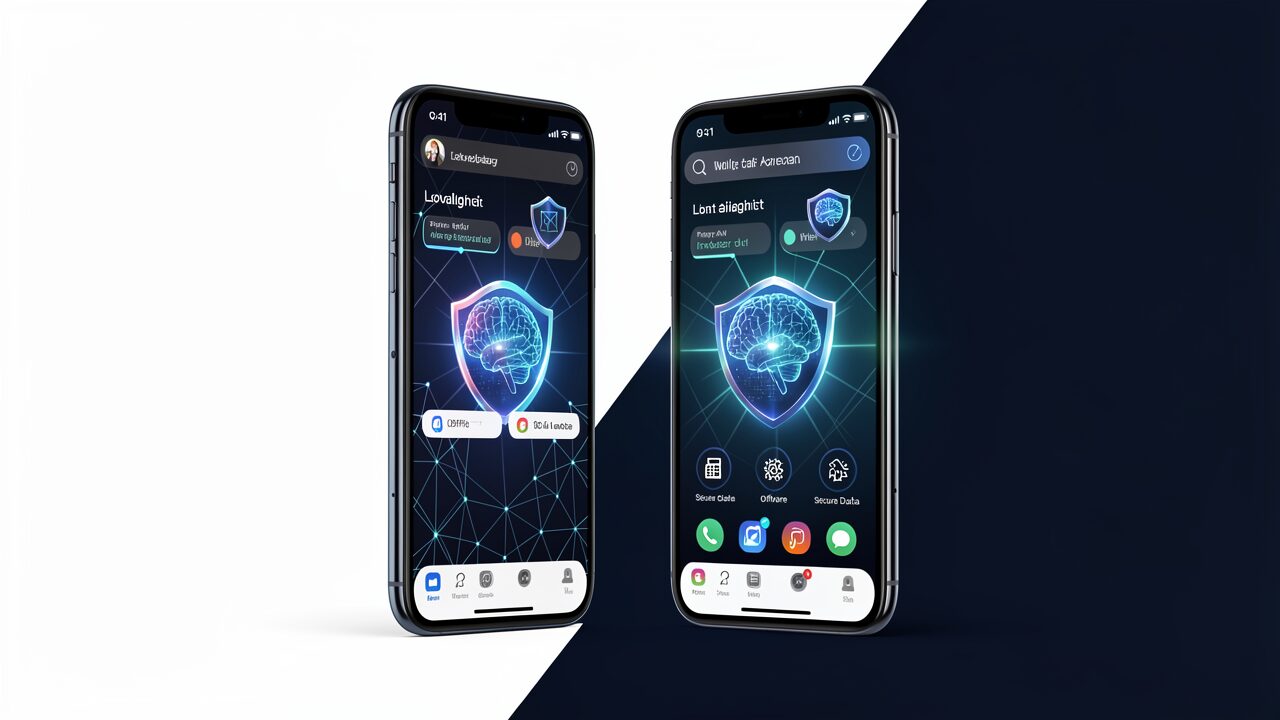
Local LLM Mobile App Integration: Complete iOS & Android Guide for Businesses
Local LLM mobile app integration enables businesses to add private, responsive and offline artificial intelligence capabilities to native iOS and Android applications.

Local LLM mobile app integration enables businesses to add private, responsive and offline artificial intelligence capabilities to native iOS and Android applications.

It’s wild to think how far phones have come. Twenty years ago, polyphonic ringtones were a big deal — now artificial intelligence in mobile phones lets devices recognize faces, predict words, translate speech, and edit photos in seconds. AI has turned our pocket gadgets into personal assistants that learn, adapt, and think almost like humans.
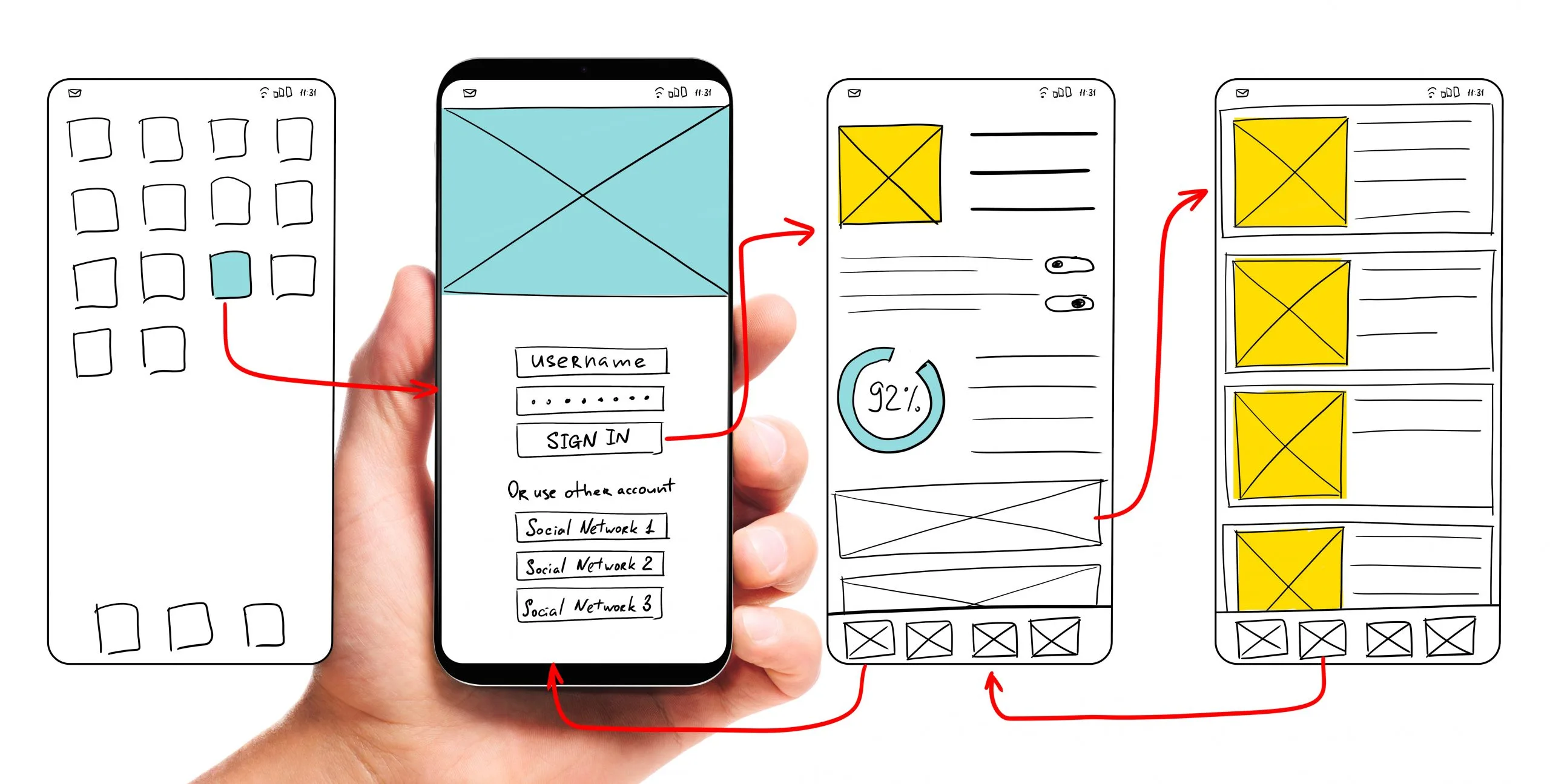
Engaging Mobile App UI Design is no longer optional—it’s essential. In today’s mobile-first world, applications are the main digital touchpoints between businesses and their customers. From shopping and entertainment to banking and productivity, apps dominate how users interact with brands. According to the App Annie State of Mobile 2021 survey, mobile apps surpassed 218 billion downloads, while users spent 3.5 trillion hours online via mobile devices. Mobile adoption accelerated by “2–3 years in just 12 months” since 2020, and this growth is not slowing down.

The importance of selecting the right software development framework for building a successful digital product can hardly be overestimated. A poor choice of framework can lead to longer development times, higher costs, and subpar performance. On the other hand, a smart choice can accelerate time to market, reduce expenses, and deliver a flawless user experience. This is exactly why many businesses and developers today choose Flutter for their cross-platform mobile applications.
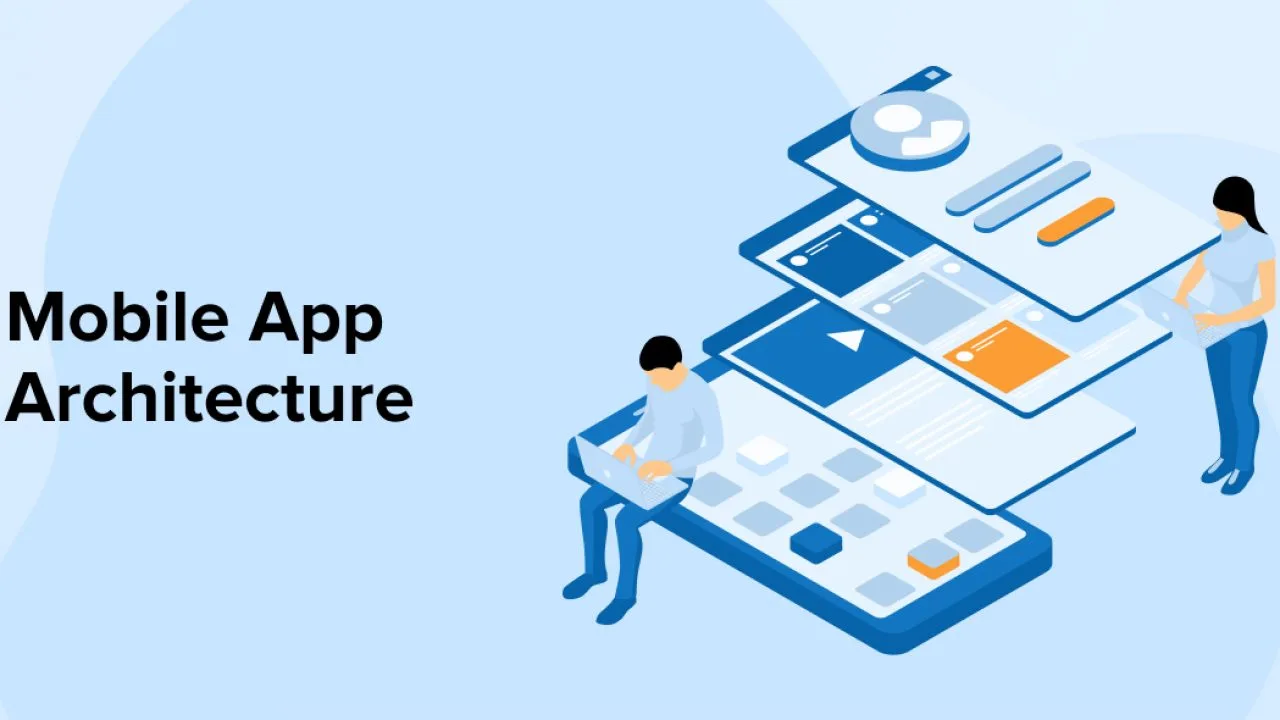
In today’s fast‑moving digital world, a solid Mobile Application Architecture is the foundation for building high-performing, scalable, and maintainable mobile apps. Whether you’re building a consumer app with millions of users or an enterprise-grade internal tool, the choices you make early—from layers and patterns to communication protocols—determine everything from usability to long-term growth.

If you haven’t considered a mobile application yet, 2025 is the time to act. A well-designed mobile app not only enhances customer engagement and brand loyalty, but also drives revenue, streamlines operations, and provides valuable insights. In a world where users spend hours daily on their smartphones, a mobile presence is no longer optional—it’s essential for competitive businesses.

Cross-Platform Mobile App Development Frameworks allow businesses to build one app for multiple platforms—most commonly iOS and Android. This approach helps companies reduce costs, speed up development, and reach a wider audience.
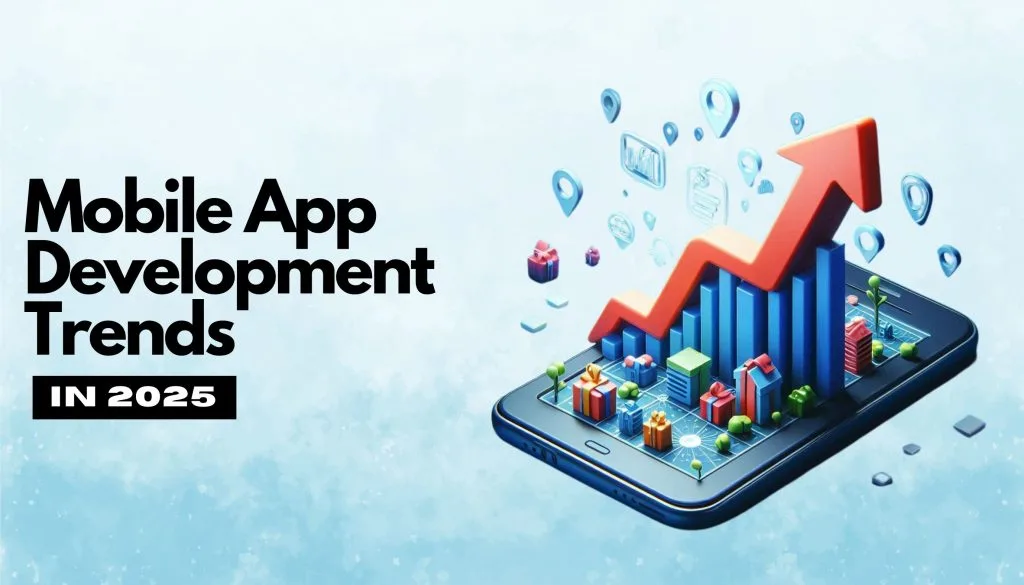
Mobile app development in 2025 continues to evolve rapidly as emerging technologies and user expectations reshape the digital landscape. As businesses compete to offer seamless, intuitive, and intelligent mobile experiences, keeping up with the latest trends has never been more essential.

Nearshore Mobile App Development offers a practical alternative to costly onshore hiring or distant offshore outsourcing. While building an app in the United States or India may seem appealing at first, it often leads to budget concerns or communication challenges.
In the rapidly evolving landscape of mobile app development, understanding the intricacies of cost factors is crucial for businesses and entrepreneurs alike. Whether embarking on a new project or optimizing existing apps, navigating through budget considerations can significantly impact outcomes.










