Smart Office Automation: 9 Powerful Energy Wins
Smart office automation helps companies reduce energy waste by connecting lighting, HVAC, plug loads, occupancy data, dashboards, and secure workplace workflows.
IoT sensors for predictive maintenance turn vibration, temperature, current, pressure, oil, and runtime data into earlier machine warnings, smarter work orders, and measurable uptime gains.
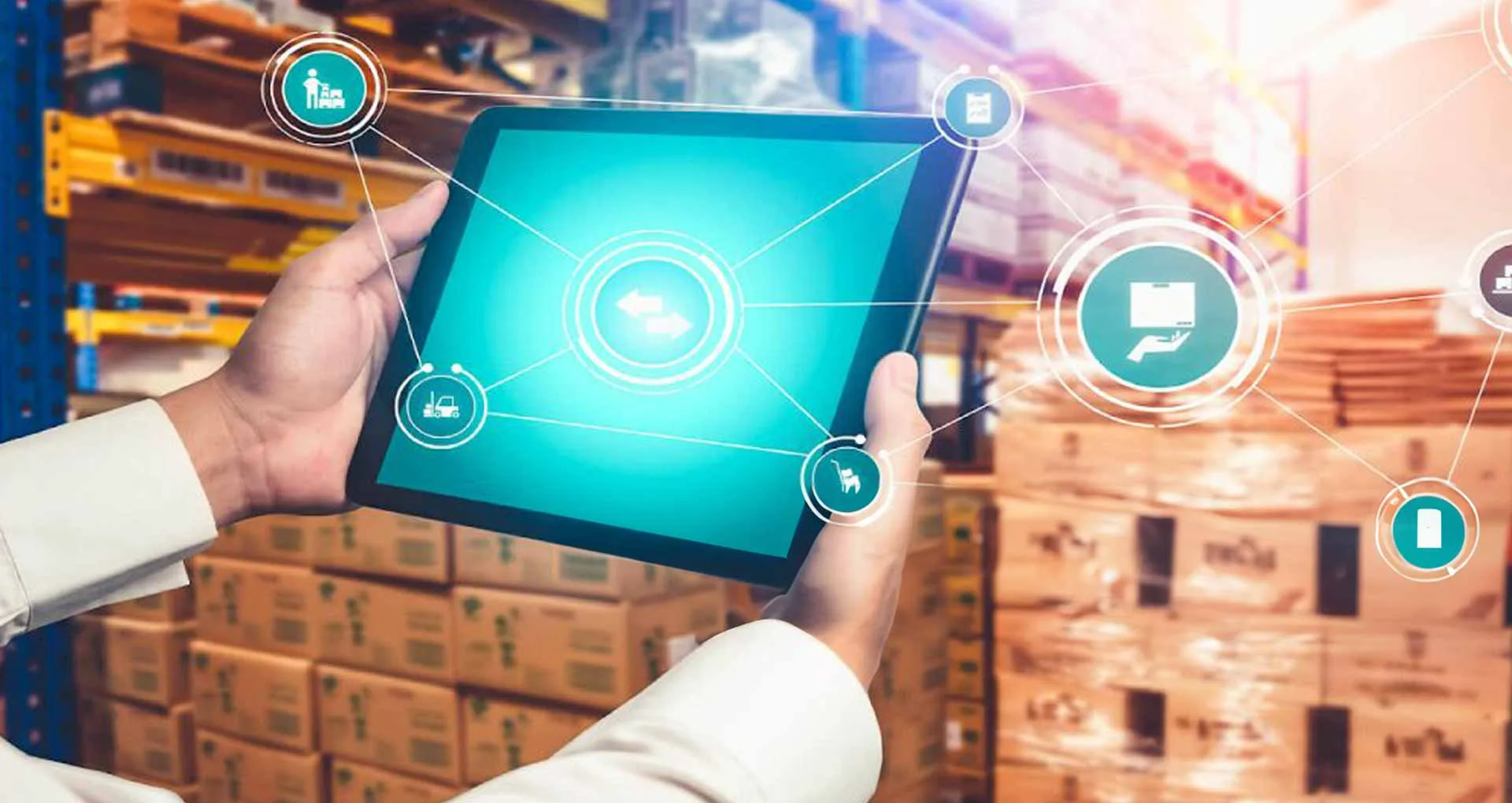
Smart warehousing combines IoT sensors, RFID, edge devices, AI models, robotics, and warehouse software to improve visibility, accuracy, safety, and throughput.
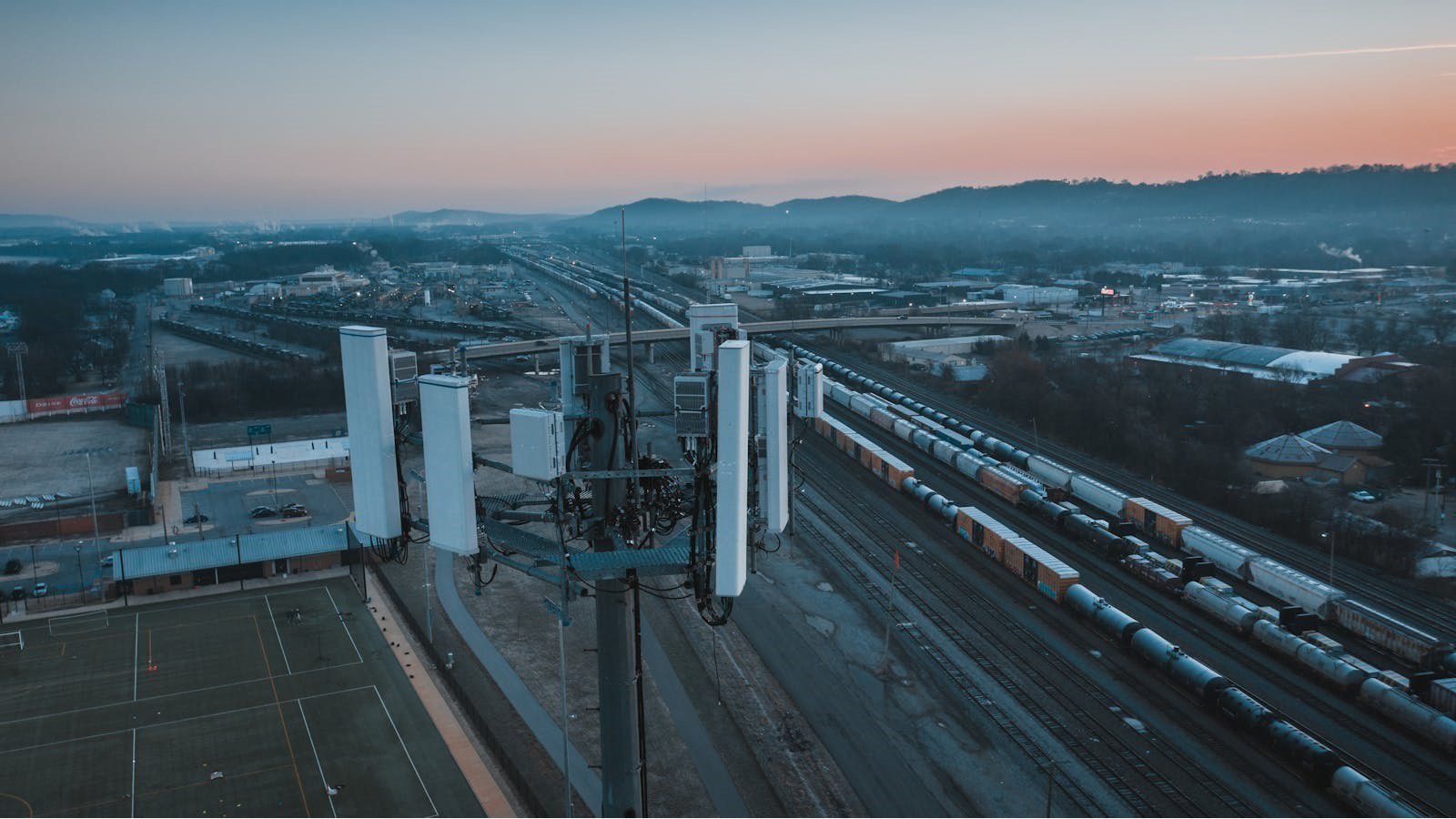
5G and 6G trends are reshaping IoT project planning across edge computing, massive device fleets, private networks, security, and future sensing use cases.
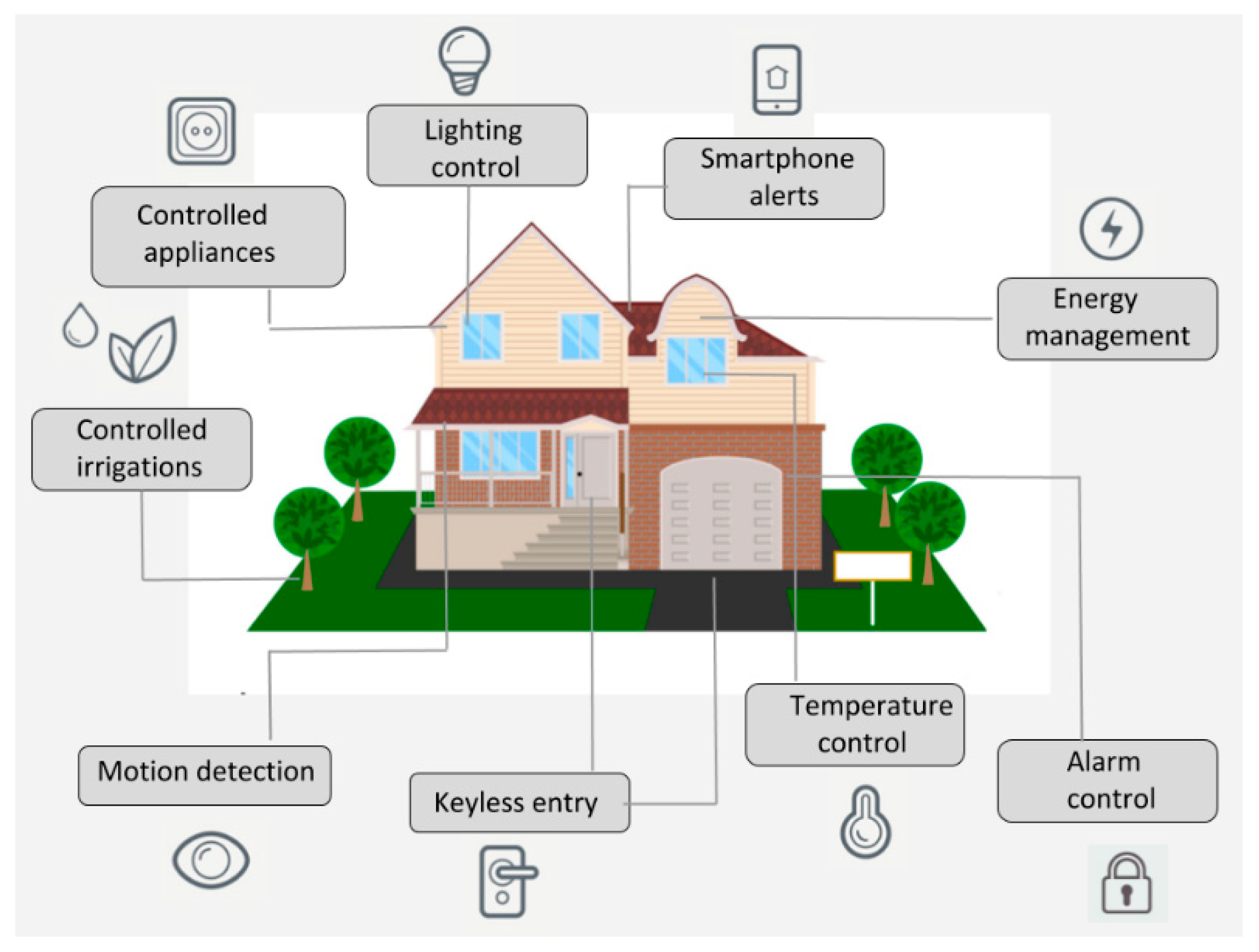
Smart home technology did not emerge suddenly. It evolved gradually as ordinary household devices became capable of connecting to the internet and communicating with one another through what is now known as the Internet of Things (IoT). This continuous development has transformed how people interact with their homes and how homes respond to human behavior. In the past, homeowners had to manage appliances, lighting, heating, and security systems separately and often manually. Today, the Internet of Things in smart home environments allows these operations to be managed within a unified and automated ecosystem.
Inventory management has always been the backbone of efficient manufacturing and supply chain operations. Yet, despite its importance, many organizations still rely on outdated, manual methods to track and control their inventory. According to recent research, only 33% of manufacturers employ inventory management software, while the remaining 67% still depend on Excel spreadsheets or even paper-based approaches. This outdated practice leads to inefficiencies: companies waste an average of 18 hours per month just writing inventory details on paper and re-entering them into spreadsheets. The problem goes beyond wasted time — Marketwatch reports that 88% of spreadsheets contain inaccuracies, causing costly errors in planning, forecasting, and operations.
In today’s digitally driven world, vast volumes of data are collected every second through connected devices, online platforms, and smart technologies. But collecting data alone is no longer enough—what matters now is how organizations interpret and act on that data. That’s where the Internet of Behavior (IoB) enters the picture. As an extension of the Internet of Things (IoT), IoB focuses not just on connecting devices, but on understanding and influencing human behavior through the data those devices generate.
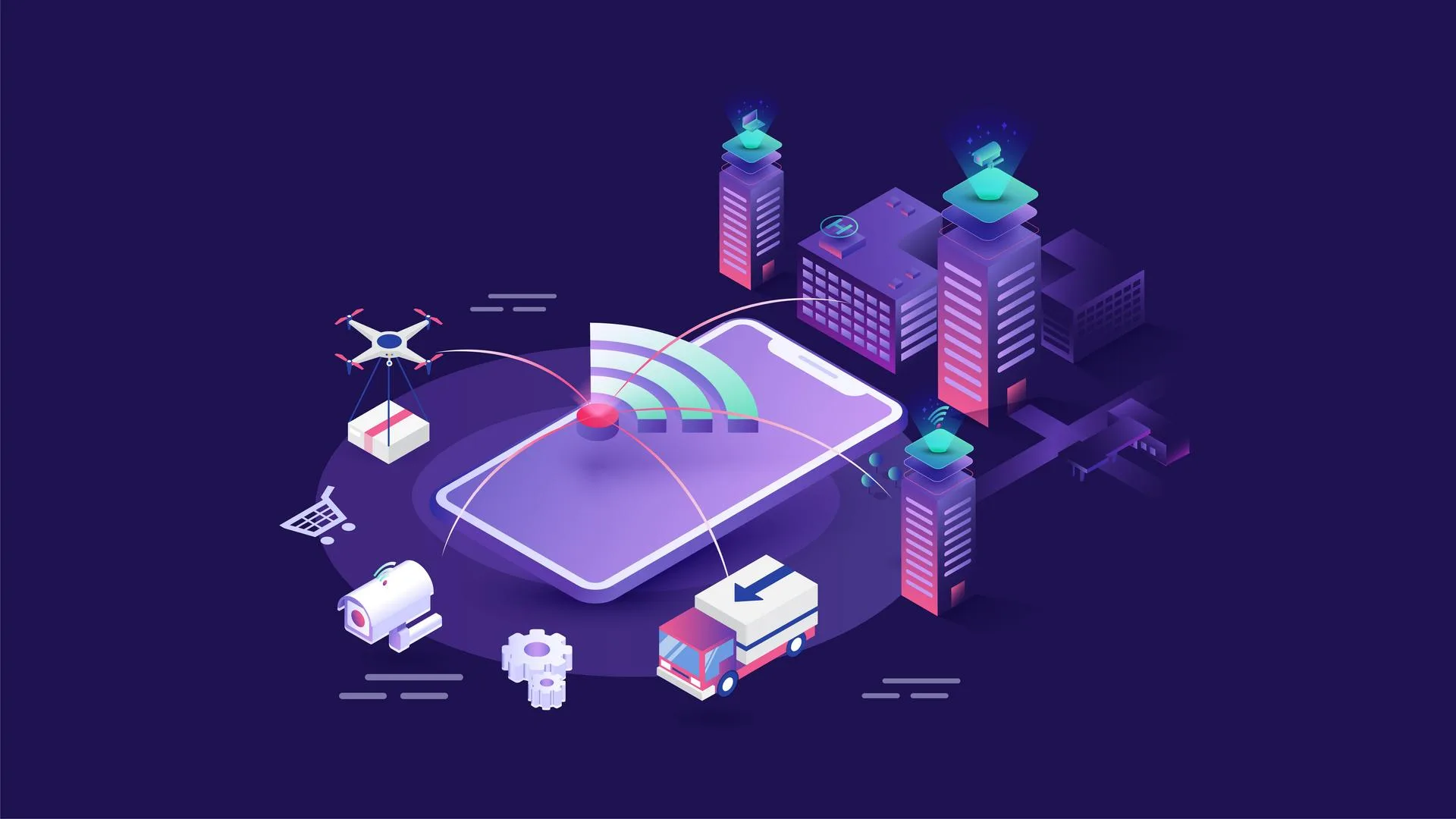
IoT in the transportation industry is reshaping how businesses manage fleet operations, infrastructure, and logistics. As the Internet of Things (IoT) continues to evolve, transportation companies are harnessing real-time data and connected devices to improve safety, efficiency, and the passenger experience.
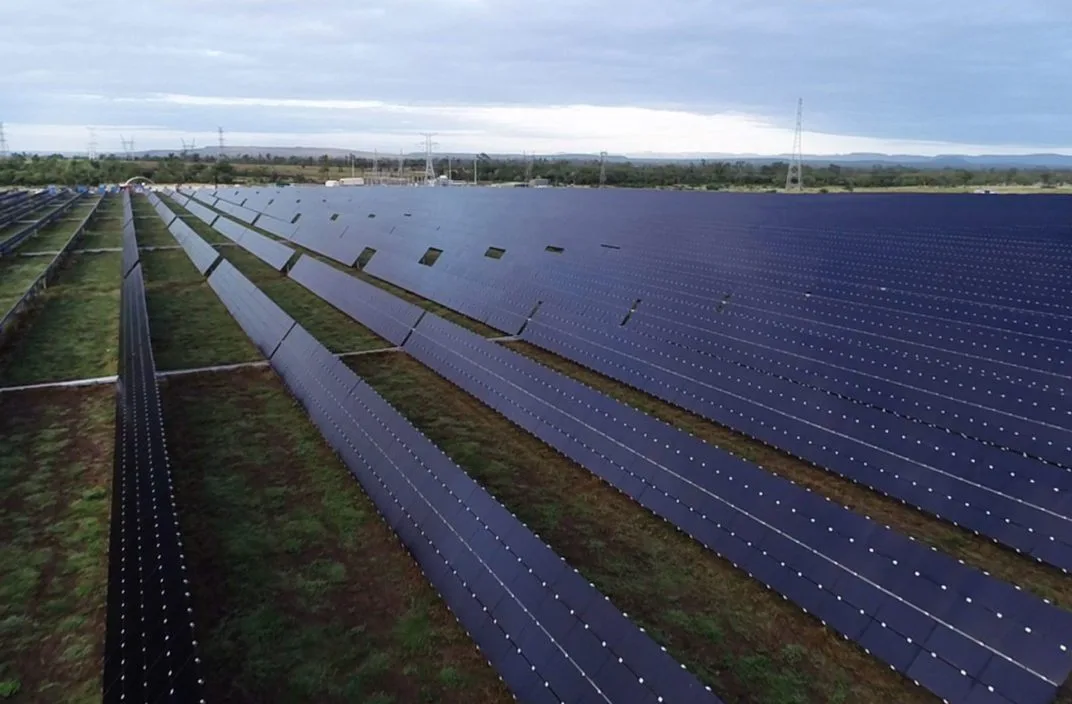
Nowadays, sustainability and renewable energy sources are growing in importance. The energy market trading sector is also gaining attention. An Energy Exchange Platform helps in buying and selling excess energy. For example, traders can buy biomass before prices rise in winter. This contributes to a sustainable and cost-effective energy system.
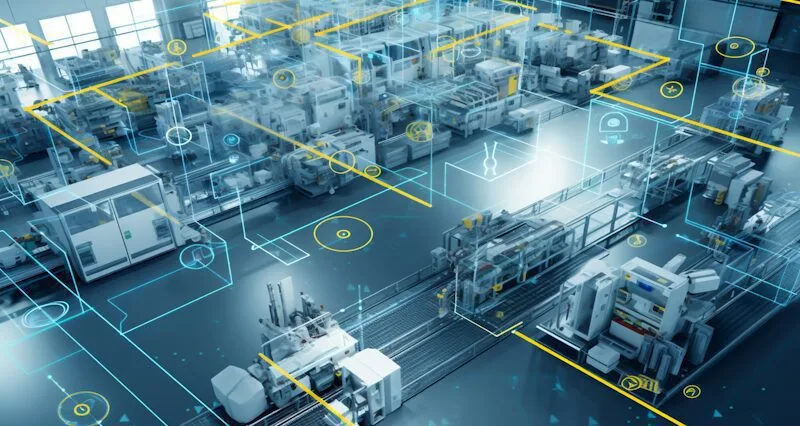
Recently, the idea of the “Metaverse” has become very common in the technology and business worlds. It is no longer just something from science fiction stories. While many people talk about how the Metaverse is used for fun, socializing, cryptocurrency, and games, there is another important aspect: the Industrial Metaverse.