
Safeguard Your Business with Comprehensive IT Security Solutions
Protect your critical assets and sensitive data from evolving threats with our end-to-end IT security services.
Get Started
Our IT Security Services
At Progressive Robot, we provide a full suite of IT Security Services to help organisations safeguard their networks, systems, and data against ever-growing cyber threats. Our approach combines cutting-edge cybersecurity solutions, proactive threat intelligence, vulnerability assessments, penetration testing, incident response, data protection, and compliance services to ensure your business stays secure and compliant.
Cybersecurity
Comprehensive Protection for Your Network and Systems
progressiverobot.comOur cybersecurity services protect your IT infrastructure against a wide range of digital threats. From malware and ransomware to insider threats and phishing attacks, we implement multi-layered security strategies to ensure the confidentiality, integrity, and availability of your business-critical data.
Key Benefits
Advanced threat detection and prevention
Robust firewall and intrusion detection systems (IDS)
Real-time monitoring and threat hunting
Multi-layered security approach for end-to-end protection
Threat Intelligence
Stay Ahead of Emerging Cyber Threats
Threat IntelligenceOur threat intelligence services provide real-time insights into emerging cyber threats and attack vectors. By monitoring global threat landscapes, we help businesses proactively defend against potential risks and make informed security decisions.
Key Benefits
Real-time monitoring of global threats
Actionable intelligence for proactive defence
Threat analysis and risk assessment
Integration with your security systems for timely response
Vulnerability Assessment
Identify and Address Security Weaknesses
Vulnerability AssessmentWe conduct comprehensive vulnerability assessments to identify potential security weaknesses in your systems, networks, and applications. Our experts use advanced scanning tools and manual testing techniques to provide detailed reports on vulnerabilities and recommend remediation steps.
Key Benefits
Proactive identification of security flaws
Regular vulnerability scanning and assessment
In-depth analysis of vulnerabilities and risk exposure
Actionable remediation plans to close security gaps
Penetration Testing
Simulate Real-World Attacks to Uncover Weaknesses
Penetration TestingOur penetration testing (pen-testing) services simulate real-world cyberattacks to identify vulnerabilities and assess how well your security systems can withstand them. Our ethical hackers use a range of attack methodologies to identify exploitable weaknesses before cybercriminals do.
Key Benefits
Realistic attack simulations to uncover hidden vulnerabilities
Identification of gaps in security defenses
Risk assessment of potential exploitation
Detailed reports with actionable remediation strategies
Incident Response
Swift Action to Minimise the Impact of Security Breaches
Incident ResponseWhen a security breach occurs, time is critical. Our incident response services ensure a rapid, coordinated approach to mitigate damage, recover systems, and prevent further compromises. We offer end-to-end support to handle everything from initial detection to full recovery.
Key Benefits
Rapid response to minimise damage
Forensic analysis and breach investigation
Incident containment and eradication
Recovery and system restoration
Data Protection
Safeguard Sensitive Information and Maintain Business Continuity
Data ProtectionOur data protection services ensure that your sensitive business data is securely stored, encrypted, and backed up to protect against data breaches, cyberattacks, and disasters. We implement robust data security strategies to help you comply with data protection regulations and maintain business continuity.
Key Benefits
Comprehensive data encryption and backup solutions
Secure data storage and access control
Compliance with GDPR, HIPAA, and other data protection regulations
Disaster recovery and business continuity planning
Compliance
Ensure Adherence to Industry Regulations and Standards
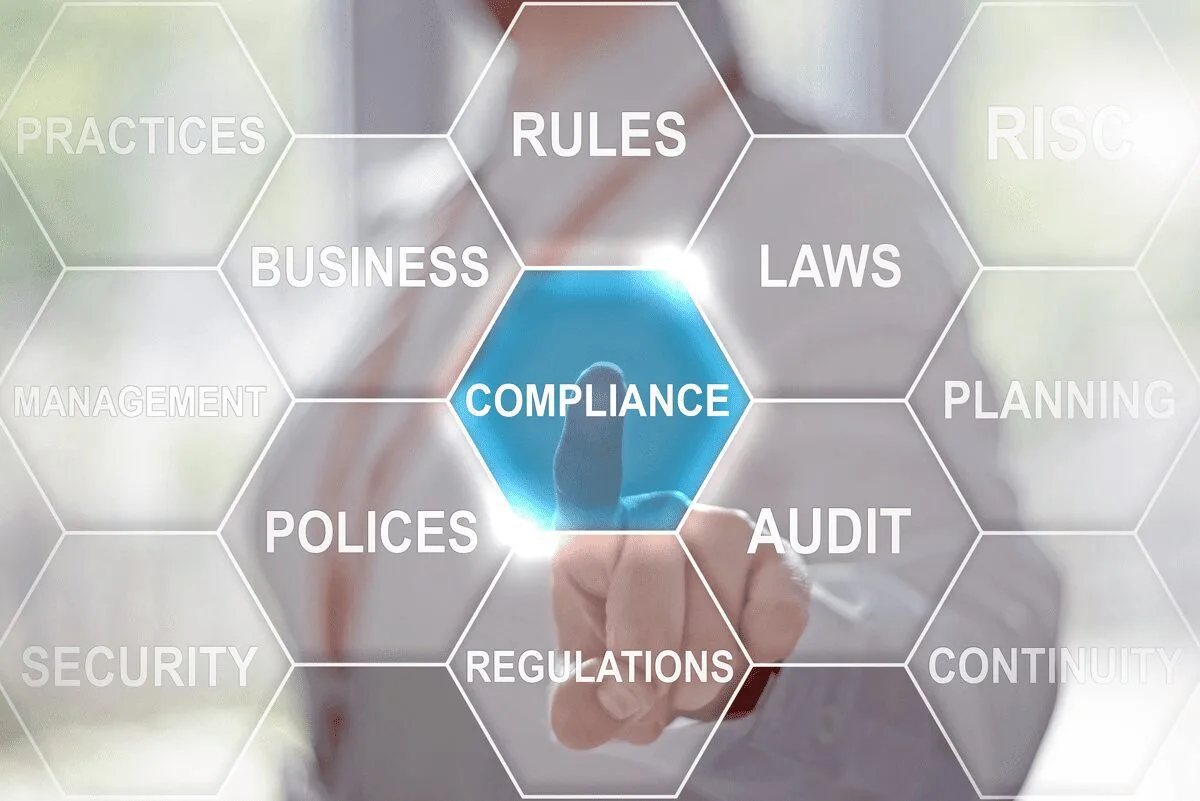
ComplianceWe help businesses achieve and maintain compliance with industry-specific regulations and standards, such as GDPR, HIPAA, PCI DSS, and others. Our team ensures that your IT security practices align with regulatory requirements to avoid penalties and maintain customer trust.
Key Benefits
Compliance assessments and audits
Implementation of security controls to meet regulatory requirements
Ongoing support for compliance monitoring
Tailored solutions for industry-specific needs

Why Choose Progressive Robot for IT Security?

Expert Team
Our team of cybersecurity professionals has years of experience in safeguarding businesses against evolving threats.

Comprehensive Solutions
We offer a full range of IT security services, ensuring all aspects of your cybersecurity are covered.

Proactive Approach
We take a proactive stance on security by identifying and addressing vulnerabilities before they can be exploited.

Customised Security Plans
We understand that every business has unique needs, so we tailor our security strategies to suit your specific environment and objectives.
Compliance-Focused
We ensure your IT security practices meet the required compliance standards, reducing your risk of fines and penalties.

Our IT Security Process

Assessment & Strategy
We begin by assessing your existing security posture, identifying threats, and developing a customised security strategy that aligns with your business needs.

Implementation
Our team deploys advanced security technologies, including firewalls, intrusion detection systems, and encryption methods, to secure your environment.

Monitoring & Detection
We provide continuous monitoring of your systems and networks to detect and respond to threats in real time.

Testing & Optimisation
We regularly perform vulnerability assessments and penetration testing to identify weaknesses and optimise your security measures.

Incident Response & Recovery
In the event of a breach, we quickly implement our incident response plan to mitigate damage, recover systems, and prevent future attacks.

Ongoing Support & Compliance
We offer continuous support, ensuring your IT security practices stay updated and compliant with changing regulations.
-
- 21 Jun 2024 —
- 0 comments
Mobile App Development Cost Guide: How Much Does It Cost To Develop an App in 2024
Mobile App Development Cost Guide: How Much Does It Cost To Develop an App in 2024 -

- 21 Jun 2024 —
- 0 comments
Building Your Own Loan Management Software: A Comprehensive Guide
Building Your Own Loan Management Software: A Comprehensive Guide -
- 20 Jun 2024 —
- 0 comments
A Complete Guide to Developing a Clinic Management Software
A Complete Guide to Developing a Clinic Management Software
Let’s Protect Your Business Today
Ready to secure your business from cyber threats? Contact us today to learn how our IT security services can safeguard your operations, data, and reputation.
Contact UsBackground reading: the Wikipedia overview offers a useful primer on IT Security.










