Troubleshooting

How to Fix Permission Denied Errors (Read/Write/Execute): Complete Guide 2026

How to Fix Permission Denied Errors (Read/Write/Execute): Complete Guide 2026

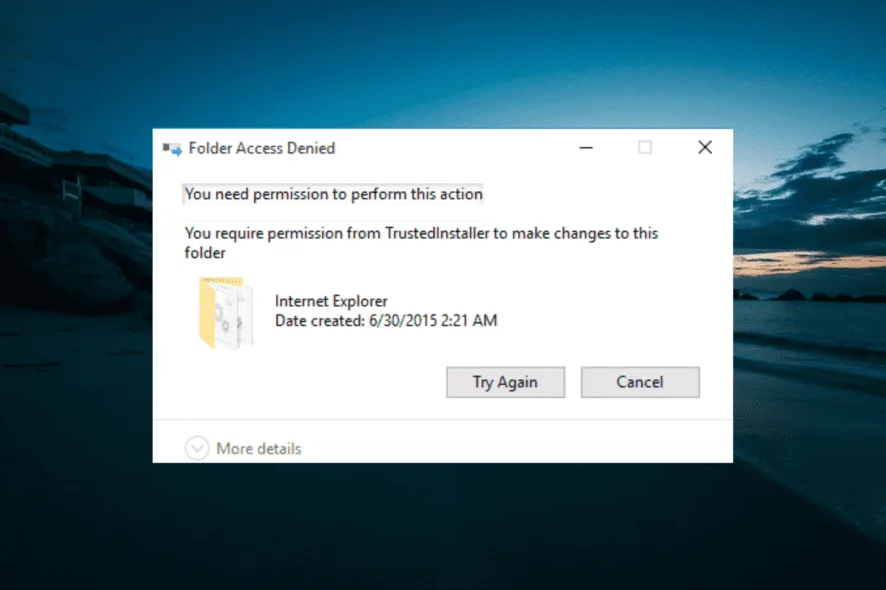
Permission denied errors — whether showing as “Access is denied”, “Permission denied (publickey)”, “EACCES: permission denied”, or “You need permission to perform this action” — frustrate users daily. These messages appear when your user account lacks the required read, write, or execute rights on a file, folder, script, or device. Learning how to fix permission denied errors quickly restores productivity, whether you’re a developer running scripts, an admin managing servers, or a home user accessing old files.

Read more
How to Fix Missing or Corrupted System Files: A Comprehensive Guide

How to Fix Missing or Corrupted System Files: A Comprehensive Guide

In the world of computing, system files are the backbone of your operating system’s functionality. When these essential files go missing or become corrupted, it can lead to frustrating issues like crashes, error messages, and performance slowdowns. If you’re searching for ways to fix missing or corrupted system files, you’ve come to the right place. This in-depth guide will walk you through everything you need to know, from identifying the problem to implementing effective solutions. Whether you’re a Windows user dealing with DLL errors or a Linux enthusiast troubleshooting kernel issues, we’ll cover step-by-step methods to restore your system to optimal health.

Read more
Blue Screen of Death (Windows BSOD): Causes, Diagnostics, and Complete Step-by-Step Solutions

Blue Screen of Death (Windows BSOD): Causes, Diagnostics, and Complete Step-by-Step Solutions

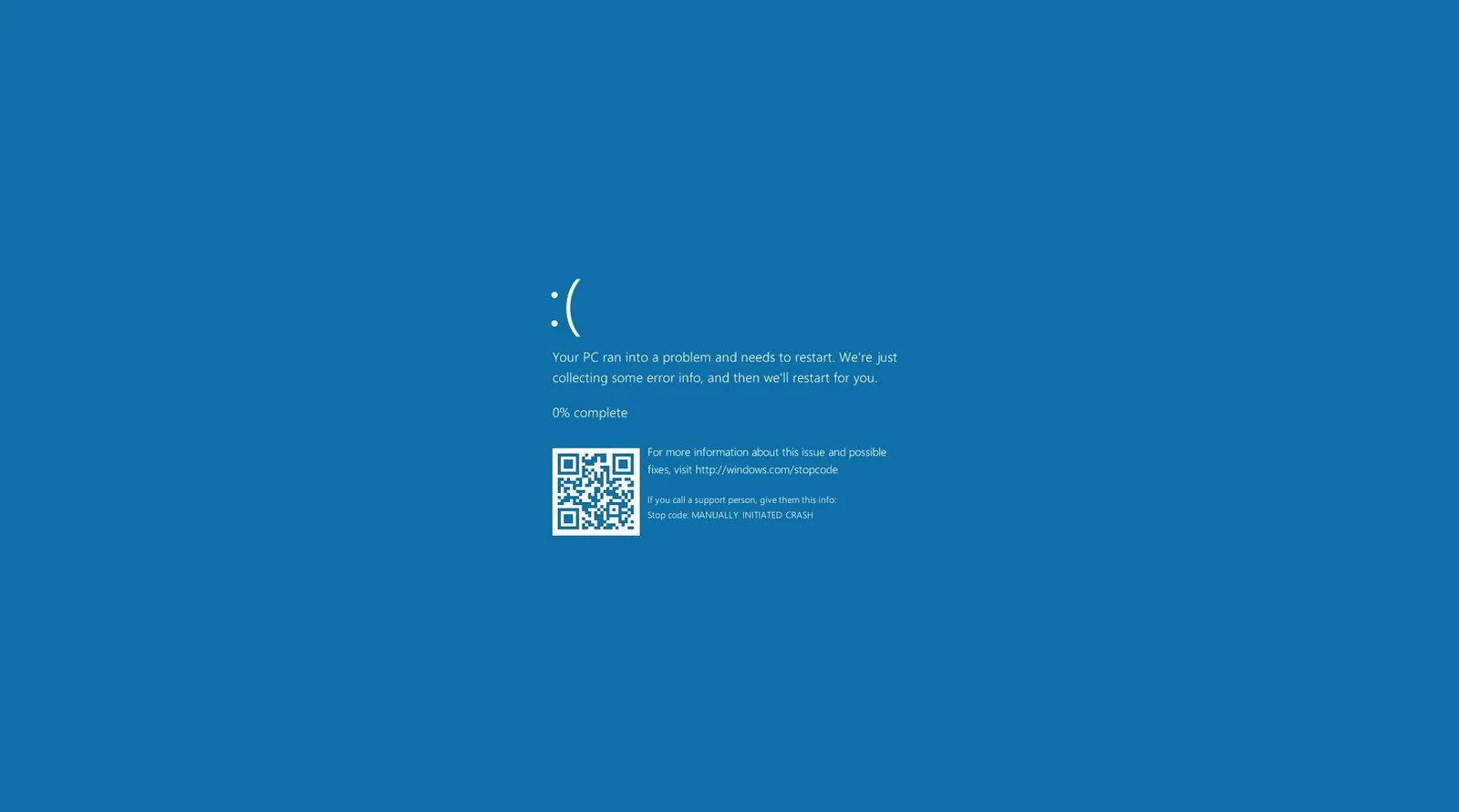
The Blue Screen of Death (BSOD) is one of the most notorious error states in Microsoft Windows. Recognizable by its signature blue background and abrupt system halt, a BSOD indicates that the operating system has encountered a critical error that it cannot safely recover from. When it occurs, Windows abruptly stops running to prevent further system damage, data corruption, or hardware harm. Modern versions of Windows (8, 10, 11) have made BSOD screens more user-friendly, yet the underlying causes remain complex.

Read more
CHAT