Order Management Software for e-Commerce: Benefits, Features, and Future Growth

Why Order Management Software for e-Commerce Is Essential in 2025

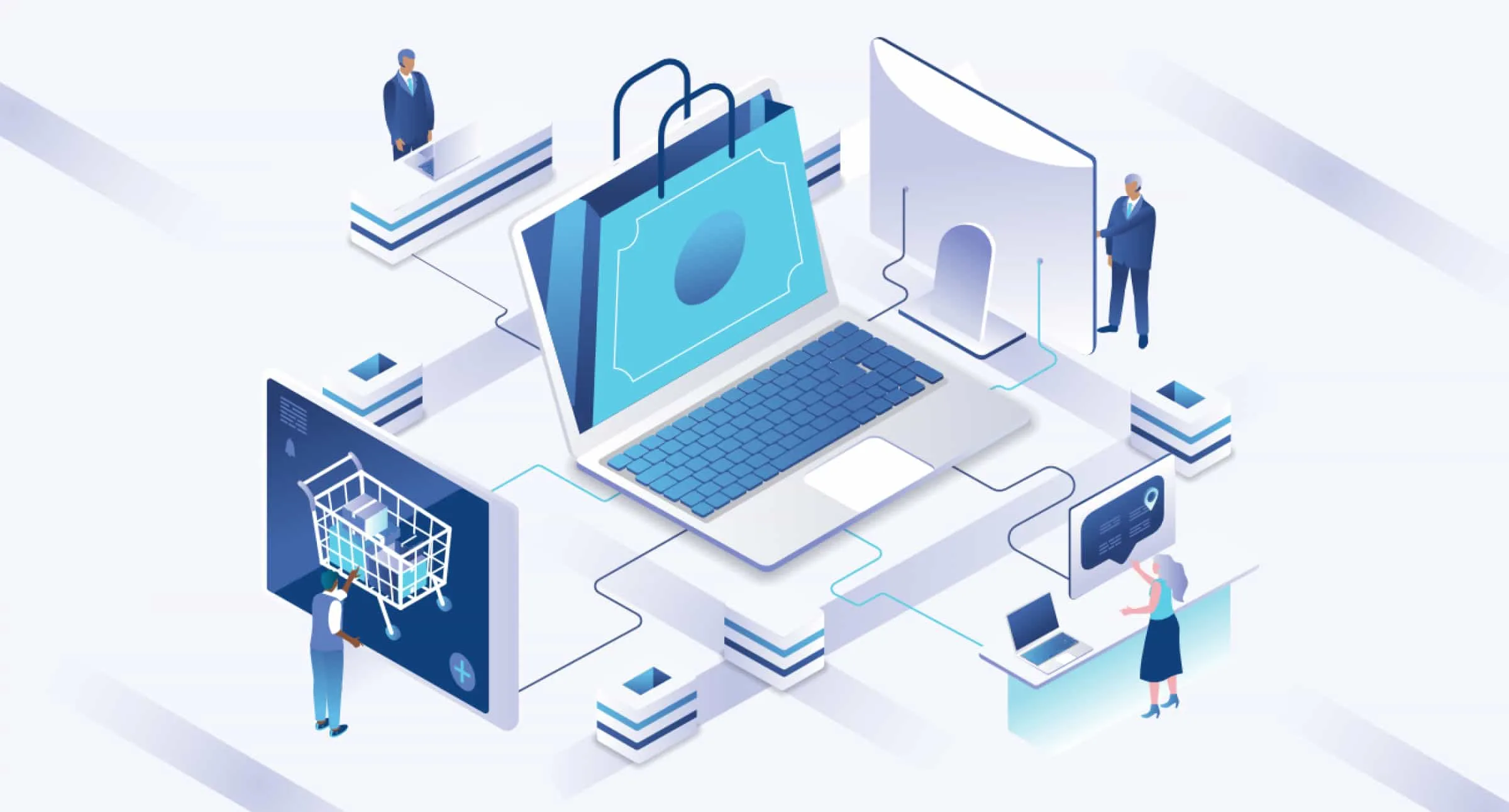
Order Management Software for e-Commerce has become essential as online retail explodes worldwide. According to Statista, in 2020, more than 2 billion people purchased goods and services online and e-retail sales surpassed $4.2 trillion worldwide, growing to more than 25%. The COVID-19 pandemic accelerated this trend, pushing many customers to buy online as physical stores closed or operated under restrictions.

Read more
What is Enterprise Commerce: Custom or Off-The-Shelf Solution?

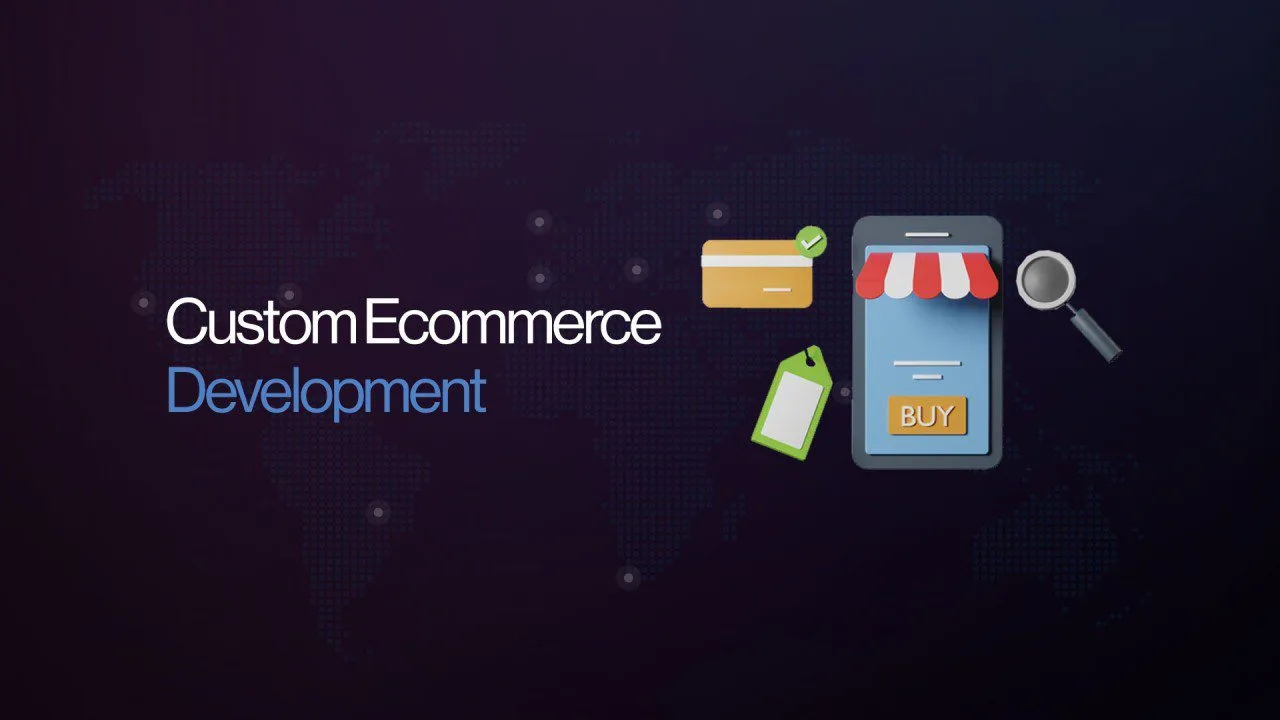
What is Enterprise Commerce: Custom or Off-The-Shelf Solution?

Finding the right eCommerce platform is one of the first steps that offline commerce businesses take when transitioning to digital. For small and medium-sized businesses, choosing an eCommerce platform is usually straightforward, as many off-the-shelf solutions provide enough functionality to cover their needs. However, for large organizations, the decision is far more complex. Enterprises deal with massive workloads, global customers, and intricate business processes, which means they need robust platforms that can support advanced functionality and seamless integration with other systems.

Read more
What is E-commerce Experience and How to Improve it

What is E-commerce Experience and How to Improve it

In today’s digital-first world, businesses across every industry compete not only with products and prices but with the E-commerce Experience they deliver. Customers are the foundation of every company, and business goals, marketing strategies, and innovations are all woven around consumer expectations.

Read more
What Technology Stack is Used for E-Commerce Projects?

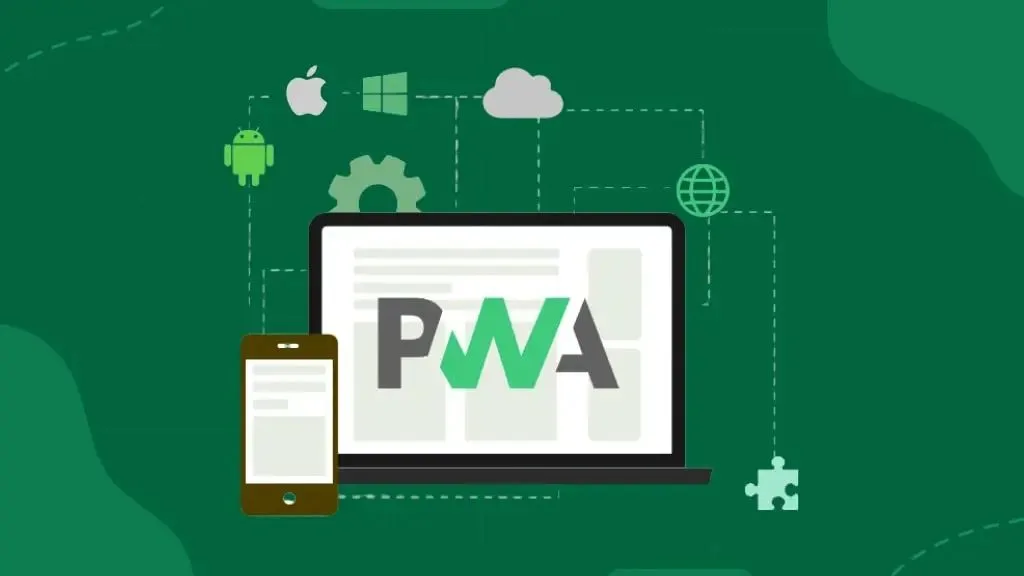
What Technology Stack is Used for E-Commerce Projects?

The development of e-commerce solutions has unique requirements and demands a carefully selected technology stack. Unlike standard websites, e-commerce platforms must handle product catalogs, payment processing, security, scalability, and seamless user experiences. Fortunately, businesses today can choose from a wide range of frameworks, tools, and programming languages to create the right solution.

Read more
New Technological Advances in the E-commerce Industry

New Technological Advances in the E-commerce Industry

The E-commerce Industry is undergoing a dramatic shift. From AI-powered customer experiences to blockchain-enhanced security, the digital marketplace is evolving faster than ever before. For businesses to thrive in this competitive ecosystem, staying updated with emerging technologies is not a luxury—it’s a necessity. As we step deeper into 2025, a host of innovative trends are reshaping the way companies engage with customers, manage operations, and scale online sales.

Read more
How Metaverse Benefits E-commerce

How Metaverse Benefits E-commerce

The metaverse represents a giant virtual world where real and digital things mix. This opens up many new possibilities for businesses, especially in digital shopping. The metaverse benefits e-commerce by blending gaming, social media, and online shopping into one immersive experience. Customers can now interact with products in exciting new ways.

Read more
Enhancing Customer Experience with Cloud Computing in E-commerce

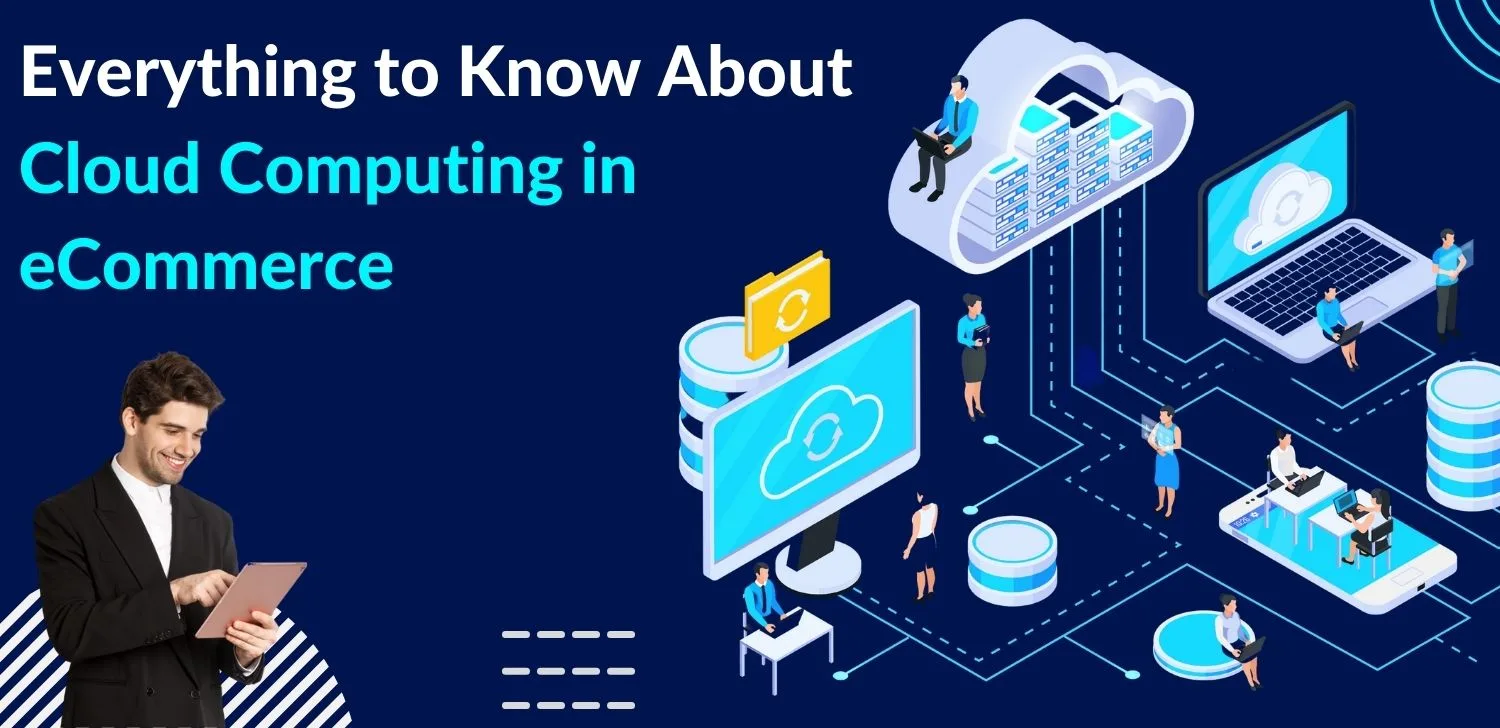
Enhancing Customer Experience with Cloud Computing in E-commerce

Enhancing customer experience has become a pivotal focus for e-commerce businesses seeking to differentiate themselves in a competitive market landscape. One of the key enablers of this enhanced customer experience is cloud computing. By leveraging cloud technologies, e-commerce companies can streamline operations, personalize user interactions, and glean valuable insights from data to better understand and cater to customer needs. This article delves into the various ways in which cloud computing can elevate customer experience in e-commerce, exploring its benefits, implementation strategies, and the future trends shaping the industry.

Read more
CHAT