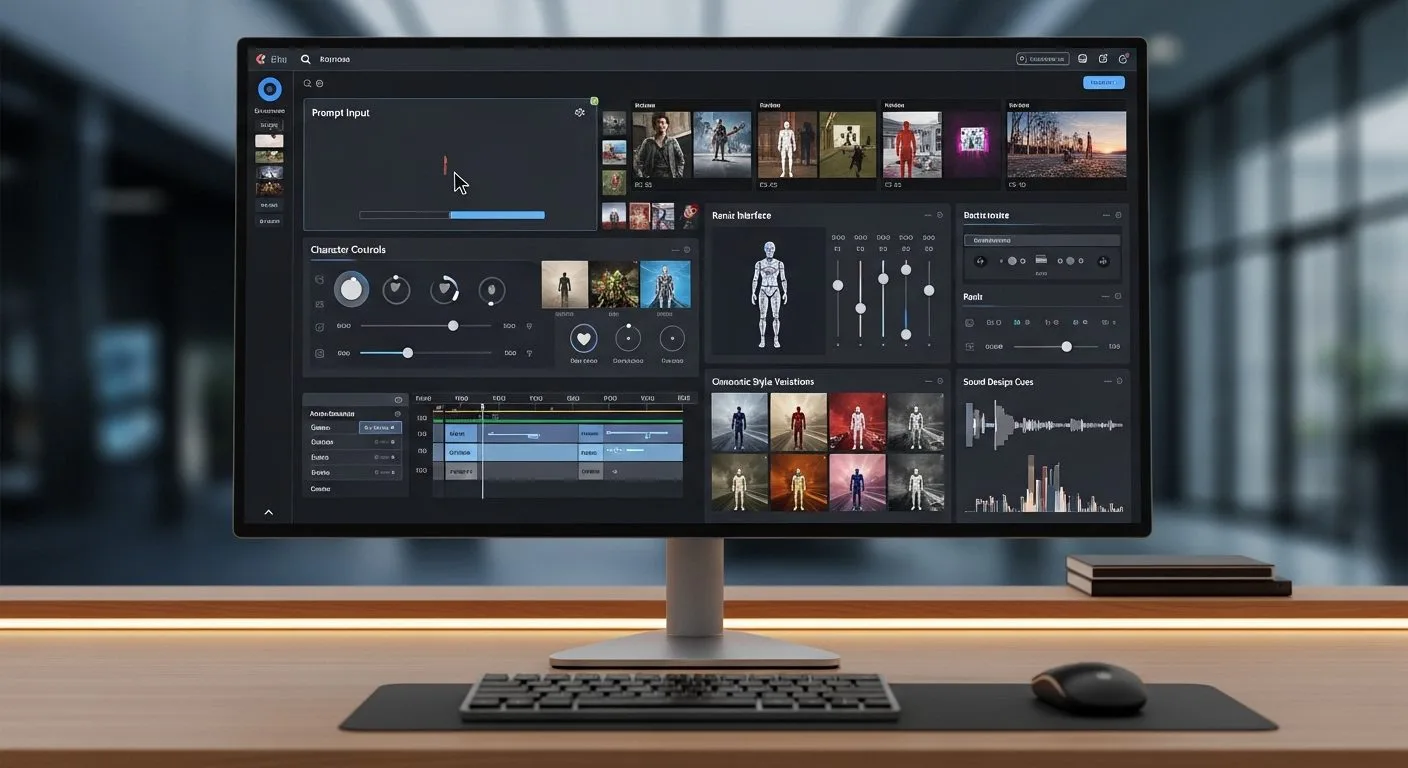
generative video

ai odyssey movie review odysseus the fall a sailing ship hull with one square sail

The 2.5-Hour AI-Generated Odyssey Movie Is 2.5 Hours Too Long

Fountain 0 released Odysseus: The Fall on 16 September 2026, billing it as the first completely AI generated film produced at the level of a big budget Hollywood movie. The Verge’s Andrew Webster watched all 150 minutes and concluded it is “the opposite of a glimpse at the future of AI filmmaking.” This article covers what was actually made — Kling 3.0, four months part-time, thirteen licensed likenesses, a $9.99 browser-only rental — the specific continuity failures the review documents, the arithmetic behind the studio’s claim that 10,000 such films could be made for the cost of Christopher Nolan’s $1.684 billion blockbuster, and what the episode tells anyone evaluating generative video for real production work.

Read more
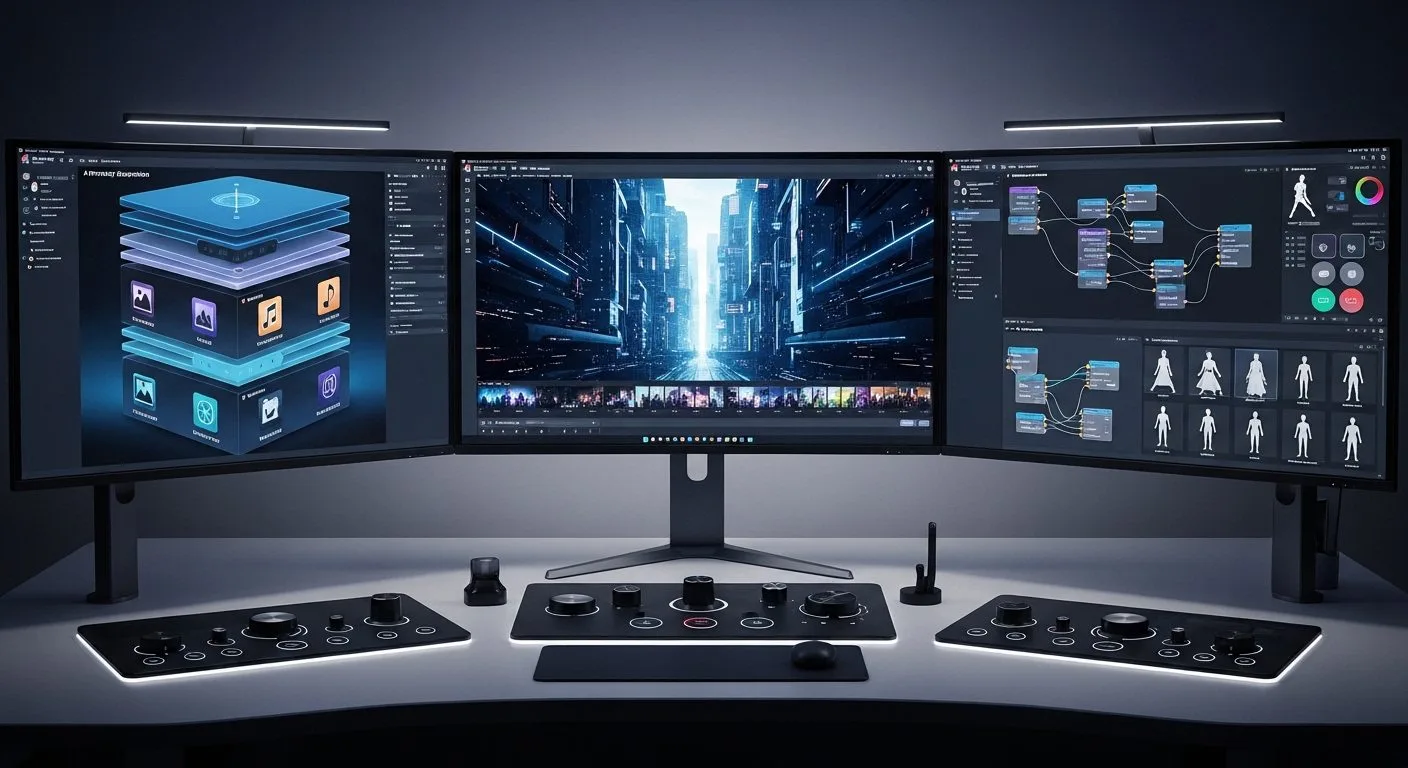
Omni 1.1 - google omni 1 1 flash video model 1080p 4k a upright panel raised play triangle

Google Releases Omni 1.1 Flash Video Model With 1080p and 4K Support

Google released Gemini Omni 1.1 Flash on 27 August 2026, the production version of its generative video model, and the headline change is output above 720p. The model now accepts resolution values of 360p, 720p, 1080p and 4K, extends an existing clip in ten-second increments to a cumulative forty seconds, and interpolates footage between a start frame and an end frame you supply. It is paid-tier only, billed on output tokens at a rate Google states as 5,792 tokens per second of 720p video — roughly $0.10 per second — with a 360p draft tier at a third of that cost and up to 60% faster. This breakdown covers exactly what shipped, why the 1080p and 4K figures are documented as upscales rather than native renders, how the token billing compares against Veo 3.1, which surfaces the model is live on today, and the limitations list that blocks editing uploaded video for users in the UK, the EEA and Switzerland.

Read more
CHAT