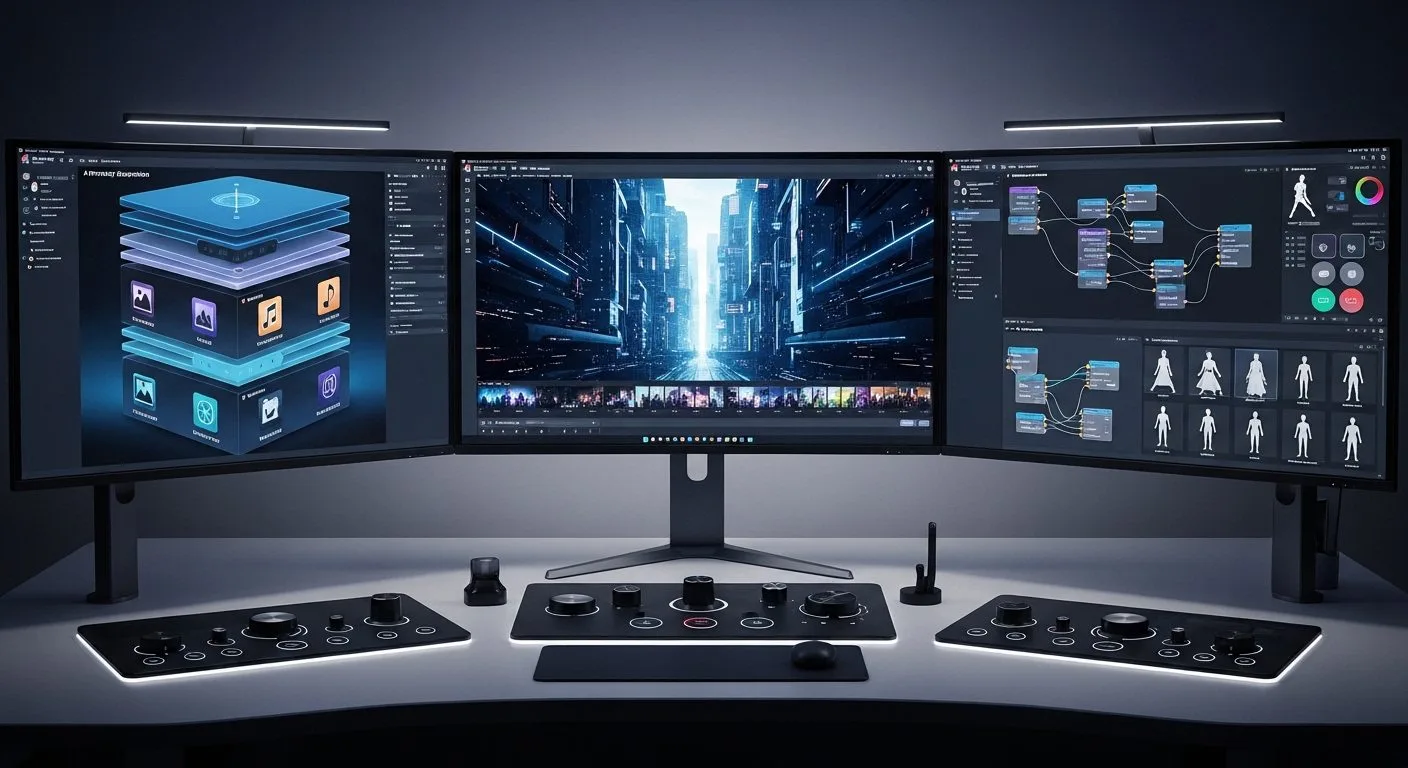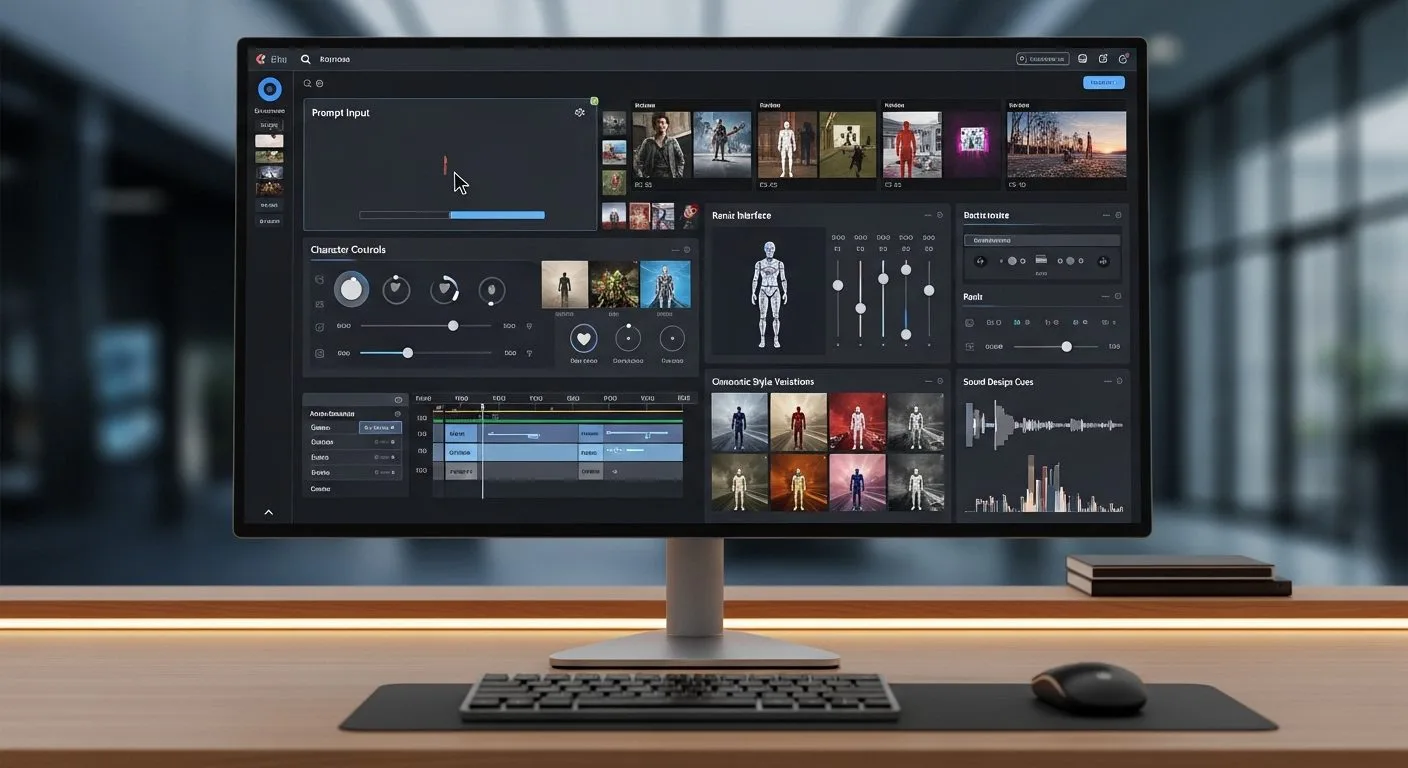
AI video generation

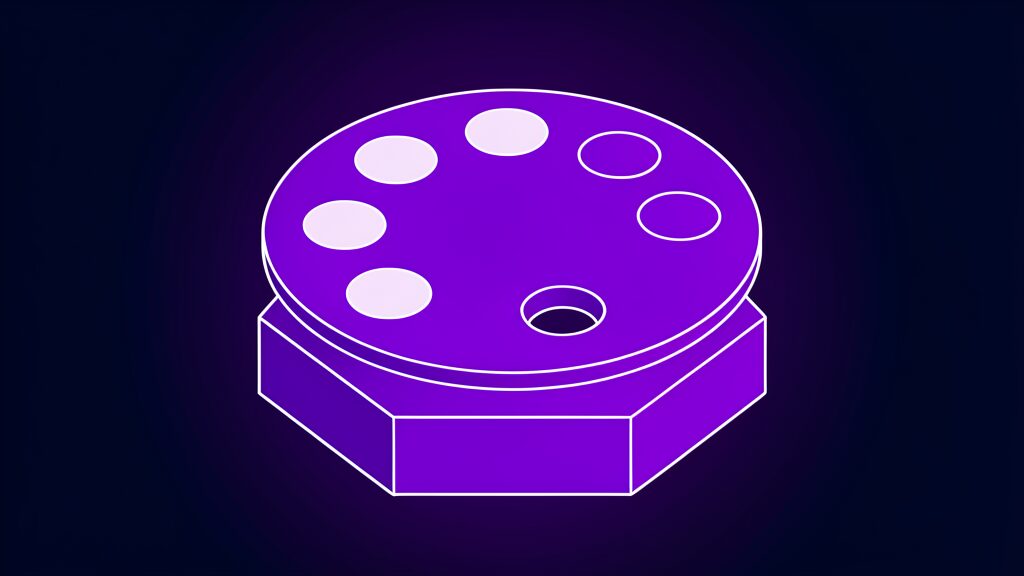
videoclaw style memory ai generation beta features a palette block with six round wells

Videoclaw Beta Features: AI Generation and Personalized Style Memory

The Videoclaw beta pairs an ordinary AI generation stack — talking avatars, cloned voices, images, video, captions and music — with a much less ordinary claim: a trainable style layer its makers describe as built-in taste you can train. This article separates the two, reads Humeo’s five published research areas to see where the personalization work actually sits, counts how many of the nineteen launch templates encode somebody else’s style rather than yours, sets out the four properties any style memory has to get right, names the lock-in and provenance risks, and gives a seven-day test that produces a real answer.

Read more
videoclaw public beta mac app ai video creation a projector body with short tapering barrel

Videoclaw Launches Public Beta of Its Mac Video Agent

Humeo opened the Videoclaw public beta on 16 September 2026: a macOS desktop video agent that is free to install, ships with ten dollars of AI generation credit, and requires you to connect your own ChatGPT or Claude account before it will do anything. This article counts the three credit tiers and their caps, walks the five-stage chat-to-download workflow, sorts the nineteen launch templates by format, reads the hiring page for the roadmap, and separates this product from the unrelated web platform Medeo shipped under the same name six days earlier.

Read more
virse ai design canvas review a solid painter palette blank wells

Virse Review: The AI Design Canvas That Encodes Your Taste Across 50+ Models

Virse calls itself a personalized creative engine — an AI-native design canvas that puts more than fifty image and video models (FLUX 2 Pro, Nano Banana Pro, Seedance 2.5, Kling 3.0, Veo 3.1 and more) into one infinite workspace and then learns what you find beautiful. This review examines the node-based canvas, the taste-encoding aesthetic memory system, the credit-based pricing from a free 200-credit tier to $399 Max plans, the enterprise Large Aesthetic Memory Model, and how the aggregated canvas compares with direct single-model subscriptions — including the unusual fact that credits get more expensive per dollar as the plans get bigger.

Read more
Omni 1.1 - google omni 1 1 flash video model 1080p 4k a upright panel raised play triangle

Google Releases Omni 1.1 Flash Video Model With 1080p and 4K Support

Google released Gemini Omni 1.1 Flash on 27 August 2026, the production version of its generative video model, and the headline change is output above 720p. The model now accepts resolution values of 360p, 720p, 1080p and 4K, extends an existing clip in ten-second increments to a cumulative forty seconds, and interpolates footage between a start frame and an end frame you supply. It is paid-tier only, billed on output tokens at a rate Google states as 5,792 tokens per second of 720p video — roughly $0.10 per second — with a 360p draft tier at a third of that cost and up to 60% faster. This breakdown covers exactly what shipped, why the 1080p and 4K figures are documented as upscales rather than native renders, how the token billing compares against Veo 3.1, which surfaces the model is live on today, and the limitations list that blocks editing uploaded video for users in the UK, the EEA and Switzerland.

Read more
CHAT