
Responsible AI Ethical Framework: 7 Proven Business Wins
A Responsible AI ethical framework helps businesses turn AI ethics into practical controls for risk, compliance, trust, security, oversight, and measurable outcomes.

A Responsible AI ethical framework helps businesses turn AI ethics into practical controls for risk, compliance, trust, security, oversight, and measurable outcomes.

Zero-Day AI turns autonomous bug-finding models into a new software security challenge. Learn how to govern access, validate findings, sandbox testing, and strengthen response before attackers exploit the same automation.

Shadow AI turns employee-led AI tools into a new security perimeter. Learn how to discover usage, classify data, approve tools, monitor risk, and keep innovation moving.
Sovereign AI is becoming a data privacy strategy because localized LLMs can keep sensitive prompts, retrieval data, memory, and audit evidence under regional control.

The AI ROI gap appears when pilots look promising but fail to change costs, revenue, working capital, or enterprise performance. Here is how leaders can move from experiments to measurable impact.

The agentic enterprise uses AI agents, orchestration, trusted data, governance, and workflow automation to move beyond chatbots and redesign how work gets done in 2026.

AI governance platforms have become non-negotiable as organizations need traceable oversight for AI risk, compliance, monitoring, and trust.

Specialized AI models help enterprises improve accuracy, reduce cost, protect data, and automate targeted workflows where general AI is too broad.

AI cost breakdown for enterprises requires more than GPU math. Use this guide to plan infrastructure, model, team, governance, and optimization costs.
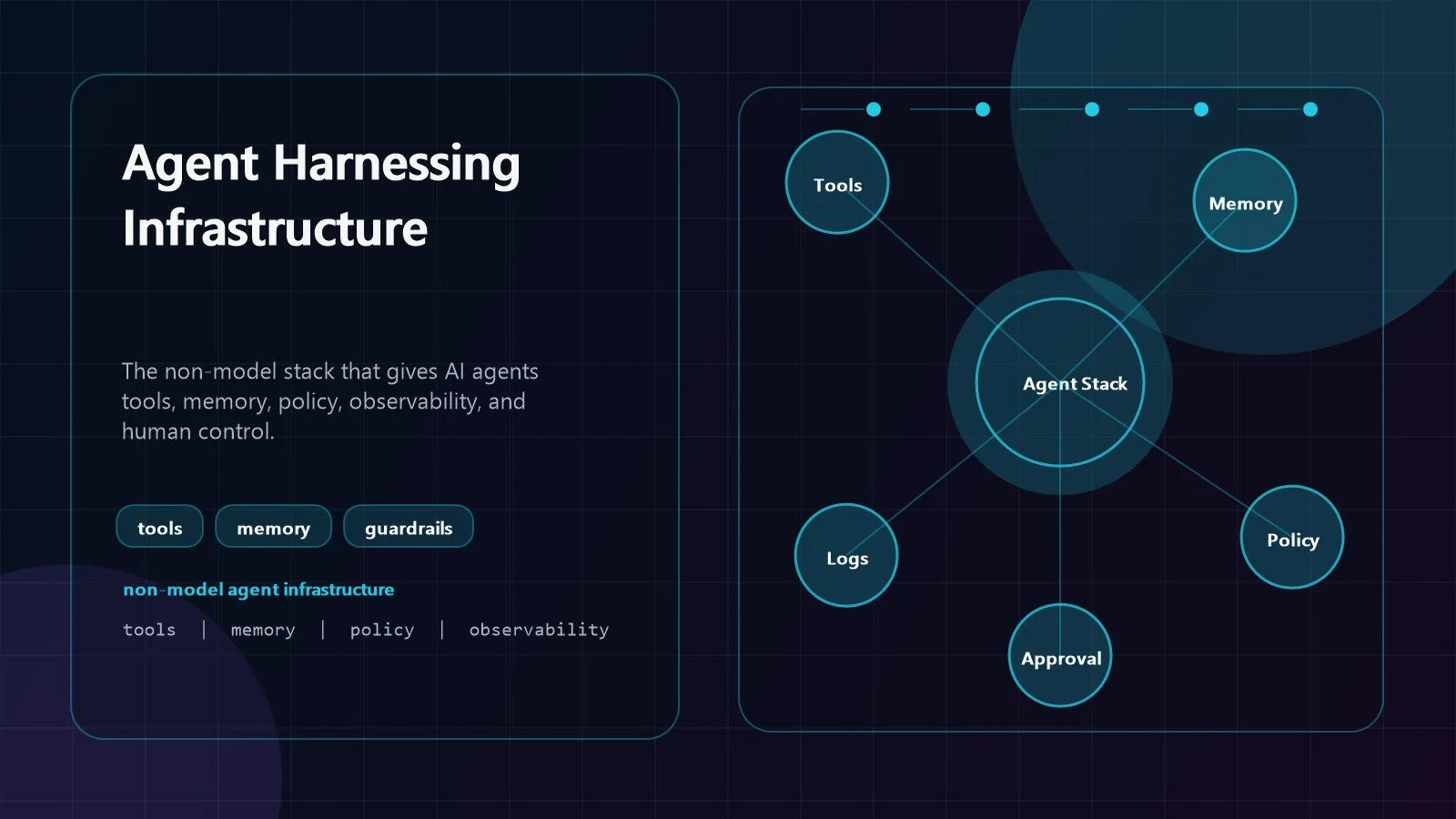
Agent Harnessing is the non-model infrastructure layer that gives AI agents tools, memory, permissions, monitoring, evaluation, and human control so they can work reliably.










