Tutorial Series

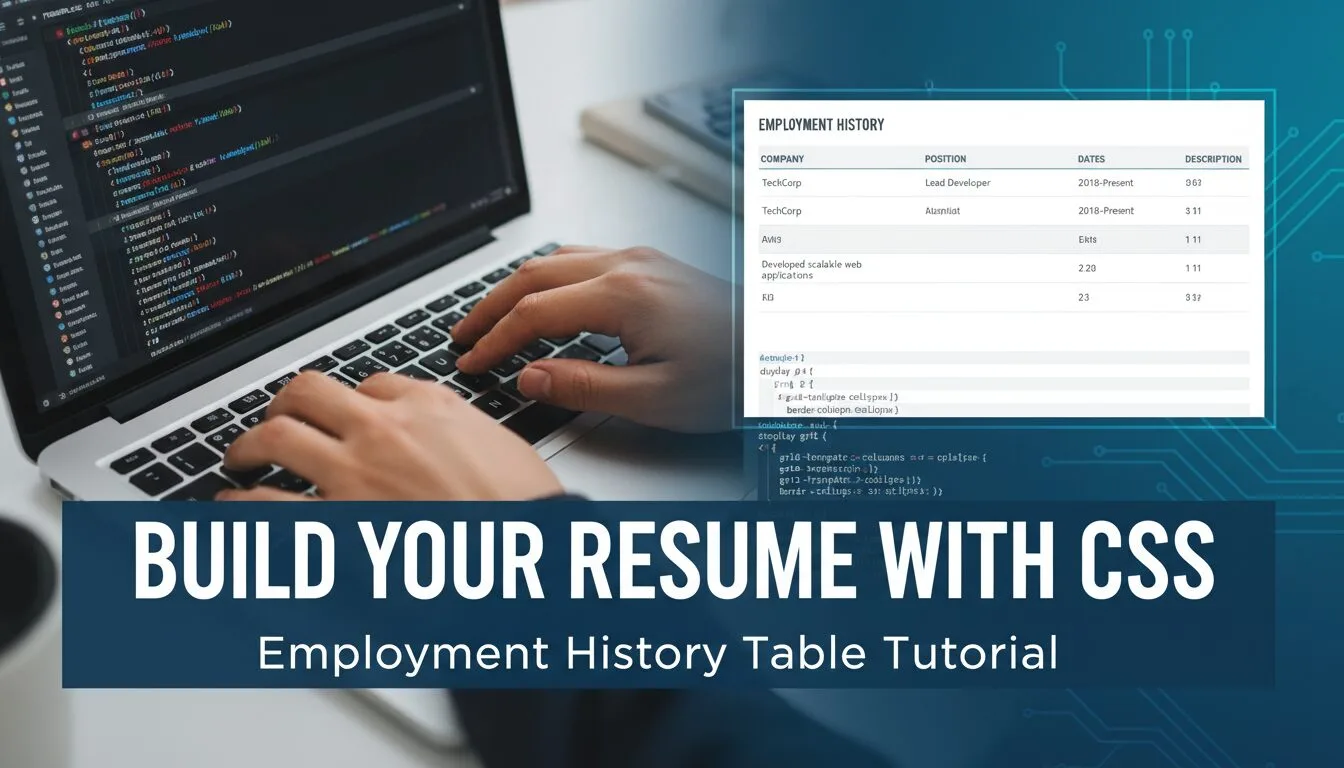
How to Build Resume Section with CSS – Employment History Table Tutorial 2025–2026

How to Build Resume Section with CSS – Employment History Table Tutorial 2025–2026

Learning how to build resume section with CSS is one of the most practical and highly demanded skills in modern web design — a well-designed employment history / resume section turns your portfolio site into a professional resume website that recruiters and clients can read instantly. In this hands-on tutorial (Section 4 of our full HTML CSS website project series), you’ll recreate the demonstration site’s “Experience” section: a wide white column with a clean, readable HTML table displaying job titles, companies, dates, and descriptions — all styled with CSS classes for spacing, typography, borders, and responsiveness.
Read more
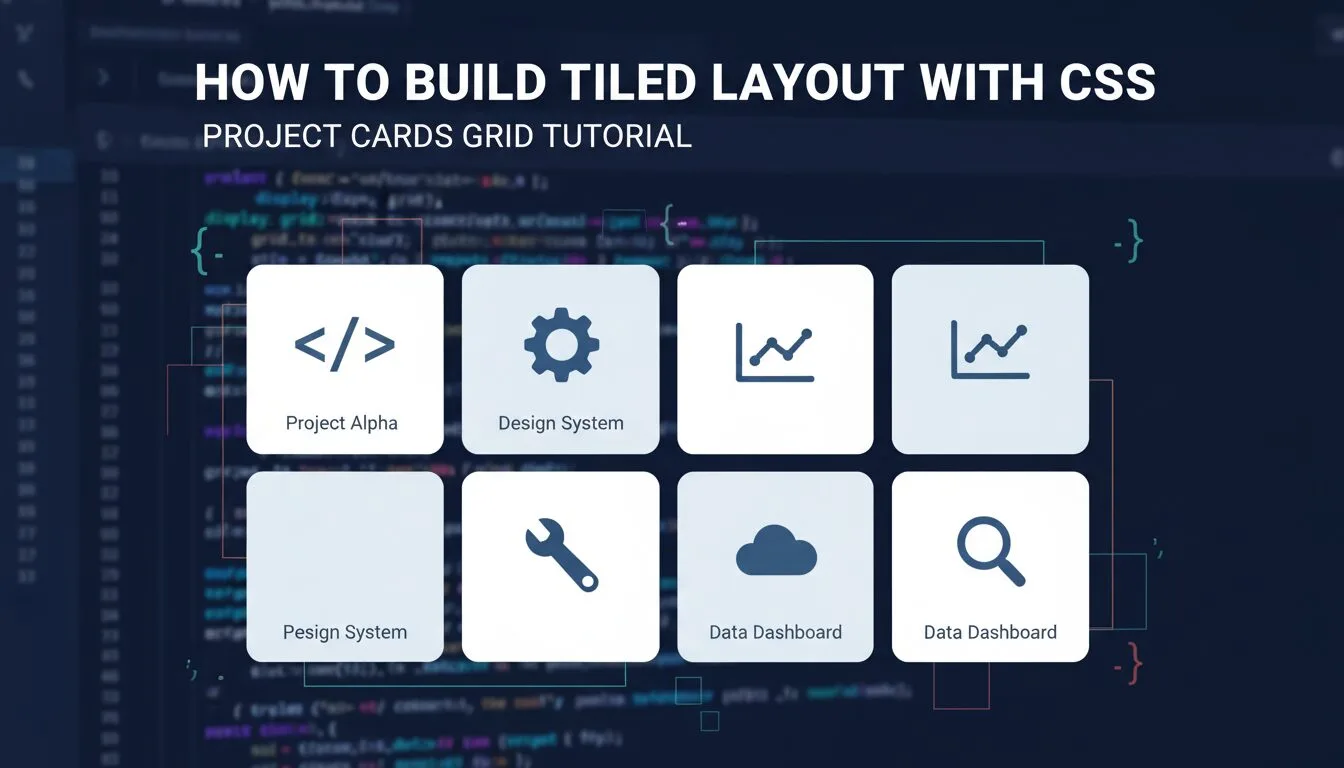
create cover image for tutorial How to Build Tiled Layout with CSS – Project Cards Grid Tutorial.

How to Build Tiled Layout with CSS – Project Cards Grid Tutorial 2025–2026

Learning how to build a tiled layout with CSS is one of the most powerful and frequently used layout skills in modern web design — tiled layouts (also called card grids) are perfect for showcasing projects, portfolios, products, blog posts, team members, testimonials, or any content that benefits from visual repetition and responsiveness. In this hands-on guide, you’ll recreate the demonstration website’s “Projects” section: a clean, responsive tiled grid of 8 project cards (4 per row on desktop, stacking on mobile), using background images, text overlays, hover color changes, and modern CSS techniques.

Read more
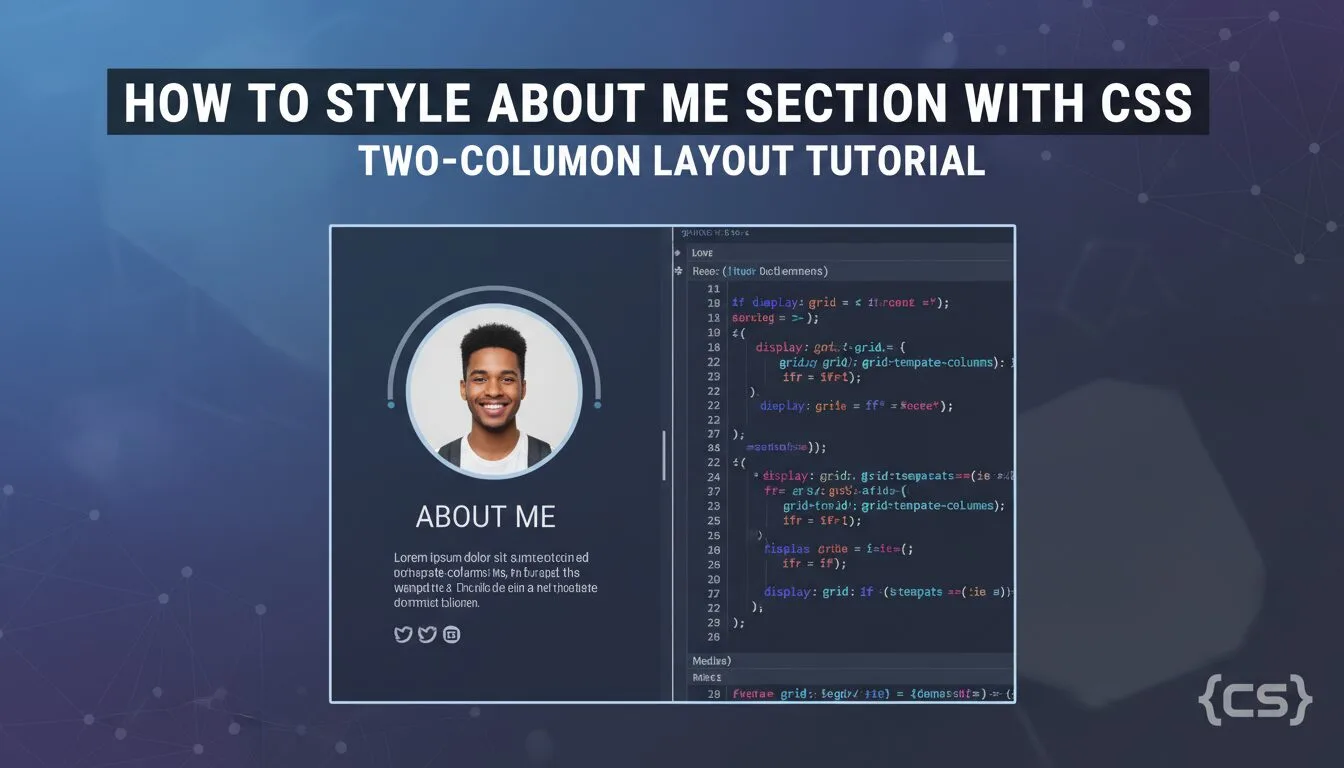
How to Style About Me Section with CSS – Two-Column Layout Tutorial 2025–2026

How to Style About Me Section with CSS – Two-Column Layout Tutorial 2025–2026

Learning how to style About Me section with CSS is one of the most practical and frequently used skills in any CSS tutorial for beginners — the “About Me” section is where you introduce yourself, share your story, skills, and personality, and it’s usually the second thing visitors see after the header. In this hands-on guide, you’ll recreate the demonstration website’s About Me section using pure HTML and CSS: a clean two-column layout (profile photo on one side, bio text on the other), yellow background boxes, responsive stacking on mobile, proper spacing, and modern typography.

Read more
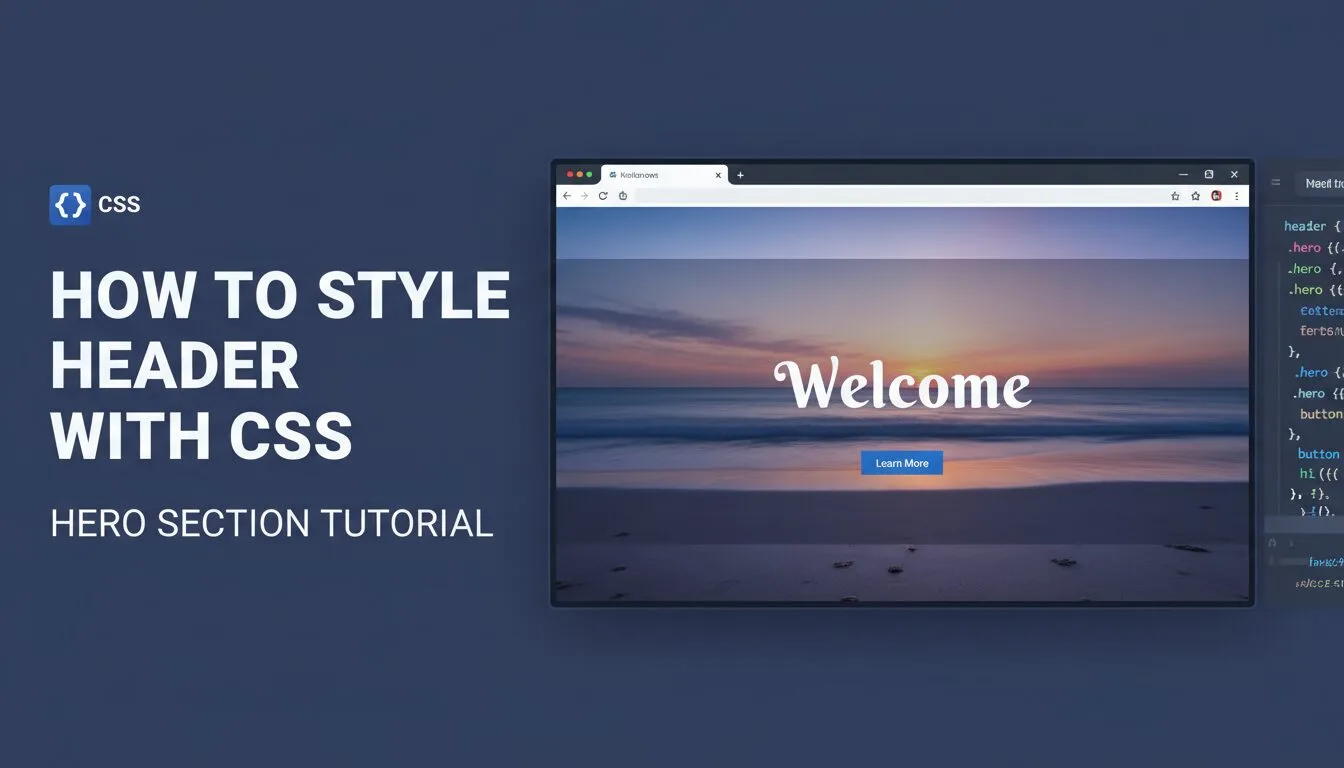
How to Style Header with CSS – Hero Section Tutorial 2025–2026

How to Style Header with CSS – Hero Section Tutorial 2025–2026

Learning how to style header with CSS is one of the most rewarding and frequently used skills in any CSS tutorial for beginners — the header (also called hero section) is the very first thing visitors see, and getting it right creates instant impact. In this hands-on guide, you’ll recreate the demonstration website’s top header section using pure HTML and CSS: circular profile image with yellow border, large centered headline, subtitle, and a call-to-action button — all wrapped in a styled container with background, padding, and modern typography.

Read more
How to Style Body with CSS – Background, Font & Global Styles 2025–2026

How to Style Body with CSS – Background, Font & Global Styles 2025–2026

Learning how to style body with CSS is one of the most important foundational steps in any CSS tutorial for beginners — the element is the root container for all visible content on your webpage, and styling it correctly sets the global look and feel: background image or color, default font family, text color, line height, margins, and link styles. Mastering how to style body with CSS gives you control over the entire site’s atmosphere before adding individual sections, ensuring consistency, readability, and professionalism from the very first line of code.

Read more
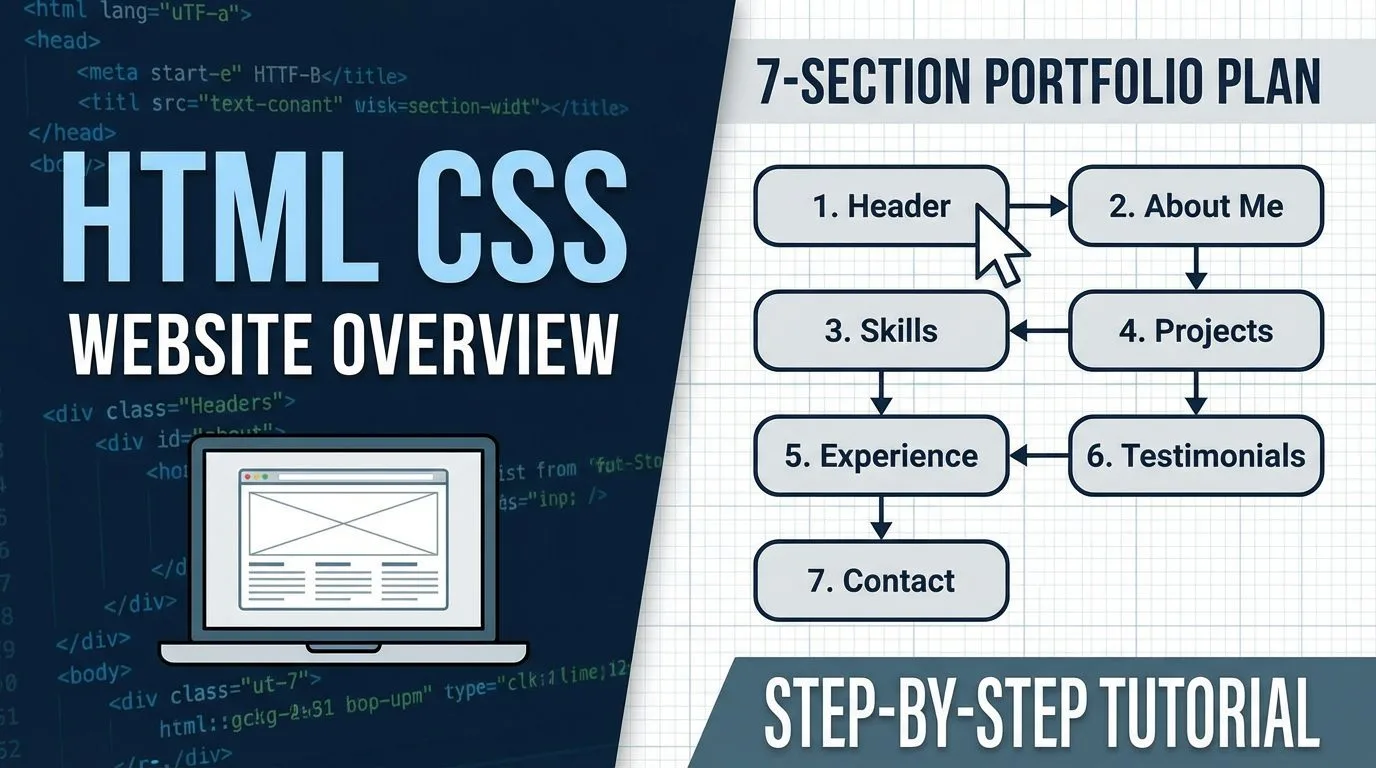
HTML CSS Website Overview – 7-Section Portfolio Plan 2025–2026

HTML CSS Website Overview – 7-Section Portfolio Plan 2025–2026

Learning the structure of a full HTML CSS website is the key moment that turns beginner tutorials into a real, publishable project — in this overview guide, you’ll get a complete breakdown of the demonstration single-page portfolio/resume website we’re going to build from scratch using only HTML and CSS. The site is organized into 7 clear horizontal sections, uses modern layout techniques (Flexbox, Grid, sticky footer), is fully responsive, and looks professional — ideal for personal portfolios, resumes, freelancers, designers, developers, or small business landing pages in 2025–2026.

Read more
How to Set Up HTML CSS Website Project – CSS Tutorial 2025–2026

How to Set Up HTML CSS Website Project – CSS Tutorial 2025–2026

Learning how to set up an HTML CSS website project is the critical first step in any CSS tutorial for beginners — a clean, properly structured project folder with the right files and initial code ensures everything works smoothly as you add styling, layout, images, responsiveness, and interactivity. In this guide, you’ll prepare a professional css-practice folder (or rename it to your real website name), create and configure index.html as your homepage with all essential HTML5 boilerplate (DOCTYPE, meta tags, title, CSS link), verify the stylesheet connection, and set up for building a full, publishable website.

Read more
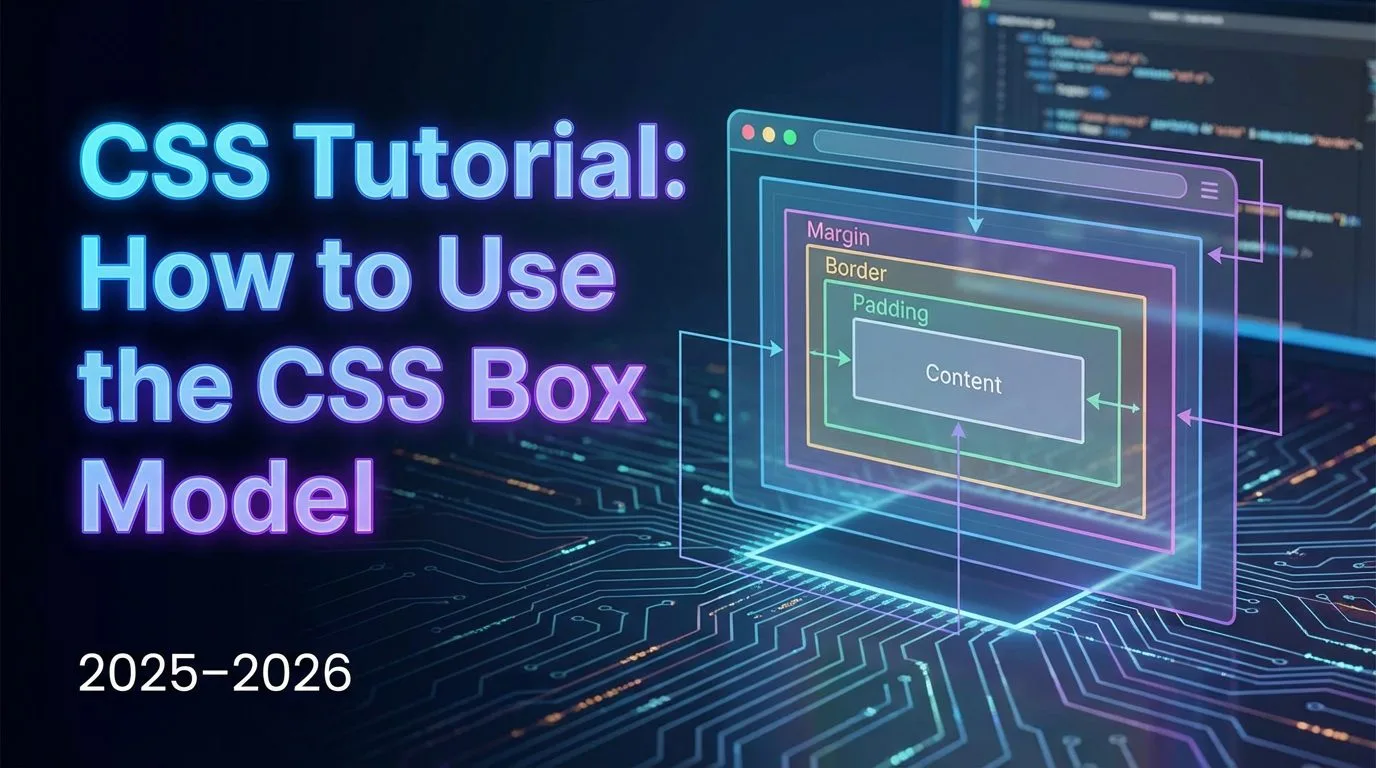
How to Use the CSS Box Model – CSS Tutorial 2025–2026

How to Use the CSS Box Model – CSS Tutorial 2025–2026

Learning how to use the CSS box model is one of the most fundamental and frequently used skills in any CSS tutorial for beginners — every single visible HTML element on the web is a box, and the CSS box model determines how content, padding, border, and margin work together to control size, spacing, and layout. Mastering the CSS box model lets you precisely adjust element dimensions, create consistent spacing, build cards, sections, grids, and responsive designs without surprises or broken layouts. In this guide, you’ll explore each layer of the CSS box model (content → padding → border → margin), adjust their values hands-on, and understand margin collapse using your css-practice project

Read more
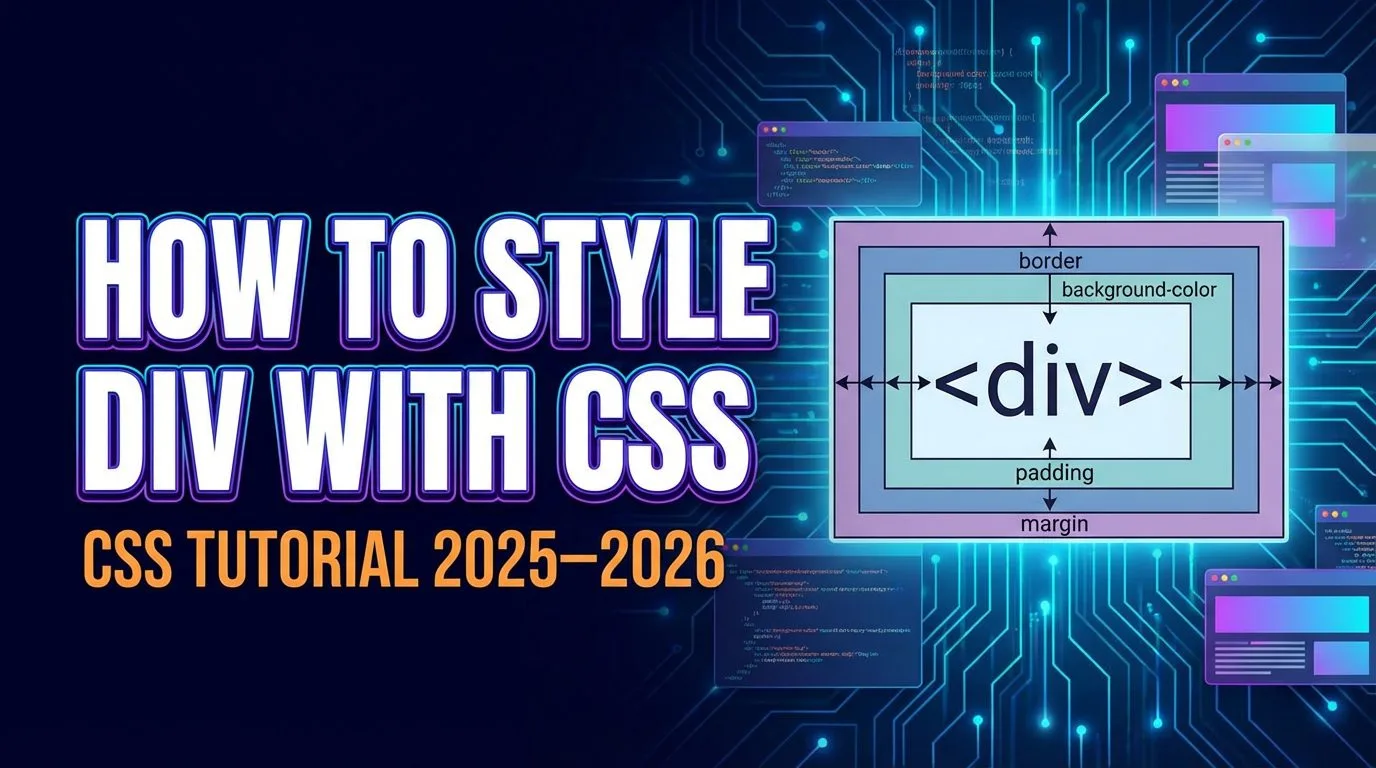
How to Style div with CSS – CSS Tutorial 2025–2026

How to Style div with CSS – CSS Tutorial 2025–2026

Learning how to style div with CSS is one of the most essential and frequently used skills in any CSS tutorial for beginners — the

element is the universal container for grouping and laying out content on the web. By knowing how to style div with CSS, you control background colors, dimensions, padding, margins, borders, text alignment, shadows, positioning, and more — turning plain boxes into cards, sections, navigation bars, footers, or entire page layouts. In this guide, you’ll create and style multiple

elements, add text and headings inside them, apply different styles using classes, and understand why

is the foundation of modern web design.

Read more
How to Create CSS Pseudo-classes – CSS Tutorial 2025–2026

How to Create CSS Pseudo-classes – CSS Tutorial 2025–2026

Learning how to create CSS pseudo-classes is one of the most exciting and frequently used skills in any CSS tutorial — CSS pseudo-classes let you add interactive, state-based styling that activates automatically when the user interacts with an element (hovering, clicking, focusing, visiting links, etc.). The most common is :hover, which changes appearance when the mouse cursor moves over an element — perfect for buttons, links, images, cards, and navigation. In this guide, you’ll create your first :hover pseudo-class, apply CSS pseudo-classes to images and text, and see instant interactive results in the browser using your css-practice project.

Read more
CHAT