
Shadow AI: 7 Proven Ways to Govern Employee Tools Safely
Shadow AI turns employee-led AI tools into a new security perimeter. Learn how to discover usage, classify data, approve tools, monitor risk, and keep innovation moving.

Shadow AI turns employee-led AI tools into a new security perimeter. Learn how to discover usage, classify data, approve tools, monitor risk, and keep innovation moving.

Deepfake phishing uses synthetic voice, video, and identity signals to trick employees. Real-time AI defenses can detect anomalies, verify intent, and stop fraud before money or access moves.
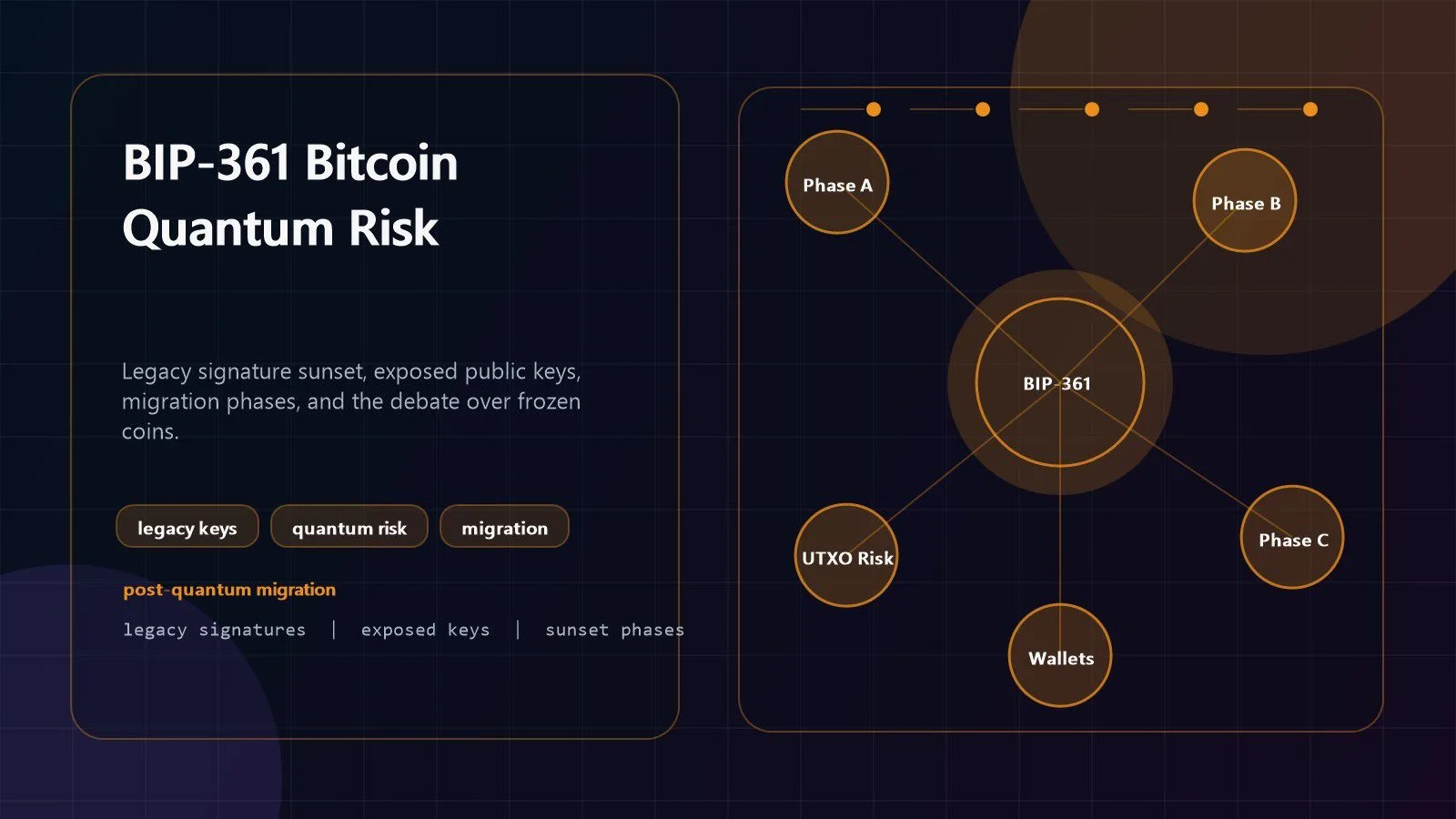
BIP-361 is a draft Bitcoin proposal that would sunset legacy ECDSA and Schnorr spends after a migration period, creating a high-stakes debate over quantum security and ownership rights.

A source-backed explainer on why Anthropic and the Trump administration suddenly look less frozen, what Mythos changed, and why the Pentagon fight still matters.
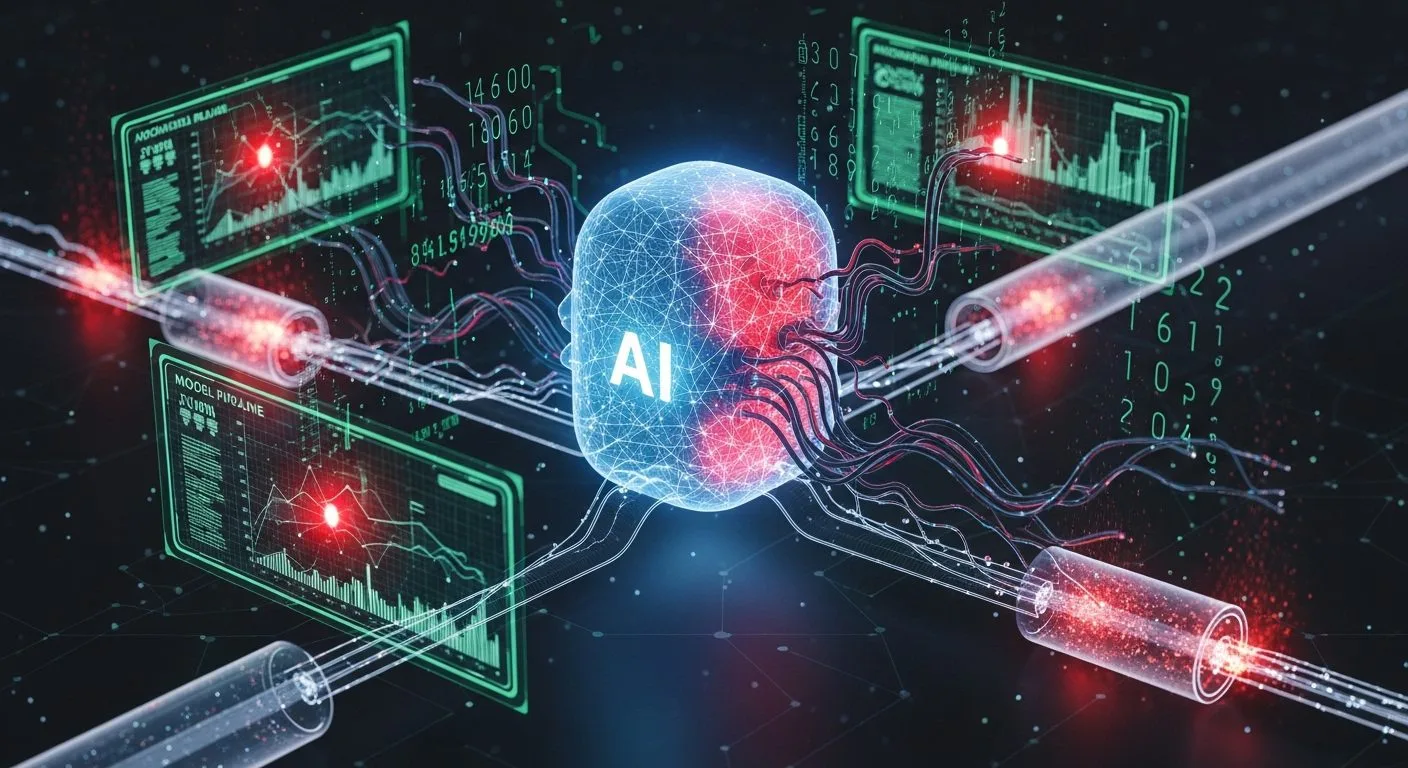
A practical guide to poisoned AI, covering what it is, how data poisoning and backdoor attacks work, what the risks are, and how organizations reduce exposure.

A developer-focused blueprint for moving legacy enterprise applications from passwords to WebAuthn passkeys, with rollout, recovery, identity, and risk controls.

The software development landscape is ever-evolving, driven by technological advancements, changing user expectations, and industry demands. As we step into the years 2024-2026, it’s crucial to stay ahead of the curve and be aware of emerging trends that will shape the future of software development. In this article, we’ll explore 11 key software development trends and their potential impact on the industry.

In the rapidly evolving landscape of cybersecurity, the fusion of Artificial Intelligence (AI) and Machine Learning (ML) has ushered in a new era of advanced threat detection and response capabilities. This article delves into the multifaceted applications of AI and ML in security, exploring their impact on anomaly detection, behavioral analysis, and the automation of responses to cyber threats.
In the ever-evolving landscape of cybersecurity, ransomware attacks have emerged as one of the most pervasive and damaging threats. The ability of malicious actors to encrypt critical data and demand a ransom has made ransomware a formidable adversary. Defending against these attacks has become a top priority for organizations across various sectors. This article delves into the intricacies of ransomware defense, covering essential topics such as backup strategies, incident response planning, and the utilization of advanced threat detection technologies.
In the age of digital transformation, the Internet of Things (IoT) has emerged as a transformative force, connecting devices and systems in unprecedented ways. However, this interconnectedness brings new security challenges. The proliferation of IoT devices introduces vulnerabilities exploited by malicious actors. As these devices integrate into business environments, prioritizing IoT security becomes a trending and critical topic in the realm of cybersecurity.