

The UK’s old analogue phone-line era is ending, and business telephony now needs to be treated as part of the wider digital operating model. The important point is not that every physical line has disappeared overnight. It is that the buying, planning, and support assumptions behind the Public Switched Telephone Network are no longer safe. The Post-PSTN Era is already shaping how companies handle calls, emergency access, alarms, card machines, broadband resilience, remote work, and customer contact.
Openreach says the analogue phone network is due to be retired by 31 January 2027, with voice calls moving over digital lines in the same way that other services already use broadband infrastructure. It also explains that the old network is becoming harder to maintain, replacement parts are harder to source, and failures are becoming more likely. For UK businesses, that makes the Post-PSTN Era a practical deadline, not a distant telecoms story.
There is also a safety dimension. The GOV.UK Public Switched Telephone Network charter includes commitments around vulnerable users, telecare compatibility, battery backup, and emergency-service access during power outages. Even if your organisation is not a telecare provider, those themes matter. They show why the Post-PSTN Era should be planned as a continuity, security, and operations programme, not just a cheaper phone contract.
Post-PSTN Era at a glance

The Post-PSTN Era is the period in which UK organisations stop relying on analogue voice services and run business telephony over digital connectivity. Calls may use VoIP, SIP trunks, hosted PBX, Microsoft Teams Phone, contact-centre platforms, mobile-first routing, or unified communications tools. The common thread is that voice becomes another digital service that depends on power, broadband, cyber controls, supplier management, and endpoint quality.
This changes the risk model. A traditional phone line often felt separate from the rest of IT. A digital voice service sits closer to identity, network performance, cloud administration, CRM workflows, call recording, compliance, and business continuity. That can be an advantage, because calls become easier to route, measure, record, integrate, and support. It can also become a weakness if the migration is treated as a like-for-like replacement.
The Post-PSTN Era gives leaders a chance to tidy the whole communications estate. Numbers can be mapped to owners. Forgotten lines can be cancelled. Analogue devices can be identified. Call flows can be simplified. Users can move to better headsets, softphones, mobiles, or desk phones. Resilience can be designed around the real importance of each site and workflow.
Why the UK phone network is changing

Openreach describes the move to digital phone lines as a national upgrade from analogue voice to digital voice. Its copper retirement guidance also explains that WLR and other PSTN-based products are being withdrawn, with a national stop-sell for PSTN-based copper products from 5 September 2023. New, switching, upgrade, and re-grade activity is already being pushed away from the old model.
The business reason is straightforward. The legacy network is ageing. It was designed for a different world, before cloud software, hybrid work, always-on card payments, mobile-first customers, and modern cyber risk. The Post-PSTN Era replaces isolated voice infrastructure with services that can be managed, routed, monitored, and integrated through digital platforms.
That does not mean every organisation should buy the most complex phone system available. It means every organisation should understand where voice still matters. A small office may need reliable inbound calls, voicemail, and call forwarding. A care provider may need emergency routes, lift phones, alarms, and out-of-hours procedures. A professional services firm may need call recording, mobile apps, CRM logging, and identity controls. A retailer may need card terminals, broadband failover, and simple branch support.
1. Audit every line, number, and dependency

The first critical step is inventory. Many businesses do not know how many phone numbers, lines, extensions, devices, and supplier contracts they still have. Some lines support ordinary calls. Others support alarms, door entry, lift phones, fax machines, card terminals, broadband, backup circuits, remote plant, or forgotten legacy services. In the Post-PSTN Era, those hidden dependencies are where migration risk tends to live.
Start with invoices, supplier portals, building records, alarm contracts, card-payment agreements, and site walks. Match each number or line to a business owner, location, device, purpose, supplier, contract end date, and criticality. Mark whether it carries voice, data, an alarm, a payment workflow, or a safety-related service. If nobody can explain what a line does, test before cancelling it.
This is also the time to reduce waste. Old DDI ranges, unused fax numbers, spare lines from previous offices, and duplicate supplier contracts can quietly drain budget. A good audit should produce a keep, migrate, replace, retire, or investigate decision for each item. That gives finance, operations, and IT a shared baseline.
That baseline is the control point for the Post-PSTN Era, because it turns a broad telecoms deadline into a practical list of business decisions.
For organisations already reviewing managed technology support, the same inventory can feed into co-managed IT planning. Internal staff may understand site history, while an external provider can help map supplier dependencies, migration sequencing, and support responsibilities.
2. Choose the right digital voice model

There is no single correct Post-PSTN Era phone platform. The right model depends on call volume, compliance needs, existing Microsoft 365 use, site complexity, mobile workforce patterns, contact-centre requirements, and support capacity. A rushed like-for-like replacement can preserve old problems while adding new digital ones.
Hosted VoIP can work well for SMEs that want a managed phone system with desk phones, softphones, voicemail, call queues, and simple administration. SIP trunks may suit organisations that still need to connect an existing PBX while modernising the underlying line service. Unified communications platforms can suit teams already using chat, meetings, file collaboration, and shared calendars. Contact-centre platforms may be necessary where customer experience, queue reporting, call recording, and workforce management matter.
The selection should begin with use cases, not product names. Who answers inbound calls? Which calls must never be missed? Which staff work from home or on the road? Are recordings required? Do users need direct numbers, shared queues, or hunt groups? How should calls route during outages? Which systems should receive call notes or customer records?
A good Post-PSTN Era design should make those answers visible before contracts are signed, because platform choice and operating process now belong together.
The Post-PSTN Era rewards simplification. If a business has several phone systems because branches, acquisitions, or old supplier decisions were never consolidated, migration can be a chance to create one supportable design. That does not always mean one supplier for everything, but it does mean one documented operating model.
3. Upgrade connectivity, power, and local networks
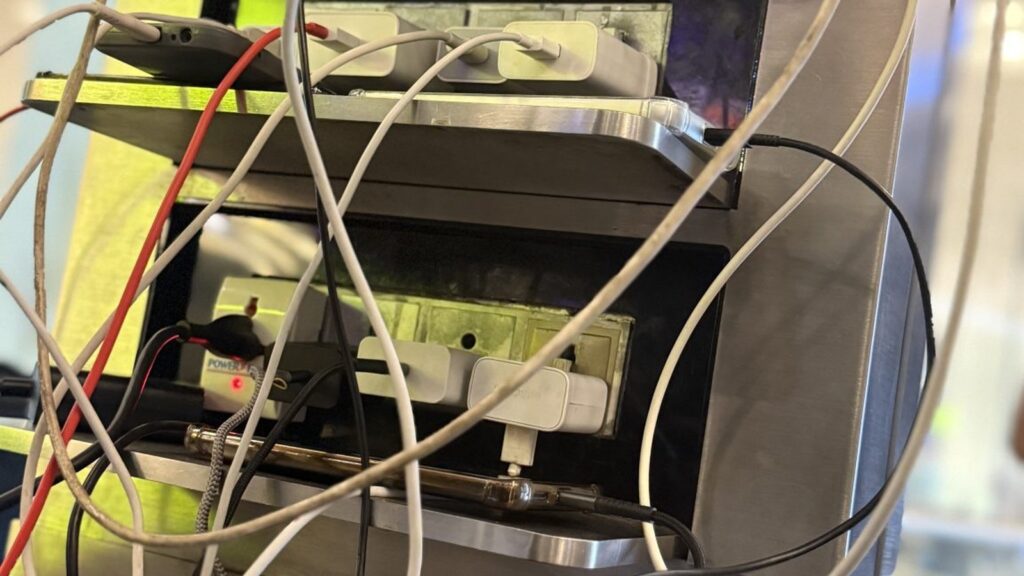
Digital voice depends on the network around it. If broadband is unstable, Wi-Fi is patchy, switches are overloaded, or power protection is weak, voice quality will suffer. The Post-PSTN Era makes call reliability part of network design.
Review each site for broadband bandwidth, latency, jitter, failover options, router quality, firewall configuration, switch capacity, wireless coverage, and power resilience. Voice traffic does not need huge bandwidth, but it does need consistency. Poor call quality is often caused by contention, bad Wi-Fi, old handsets, weak headsets, or missing traffic prioritisation rather than by the voice platform itself.
Power matters because digital voice equipment needs electricity. Routers, ONTs, switches, Wi-Fi access points, cordless bases, desk phones, and local gateways may all need to stay up long enough for emergency and continuity requirements. The GOV.UK charter notes an Ofcom minimum of one hour of continued emergency-service access where battery backup is provided, while also encouraging providers to go beyond that. Businesses should decide whether one hour is enough for their real sites and workflows.
This is why Post-PSTN Era readiness should include power, broadband, Wi-Fi, and user-device checks rather than only a voice-provider quote.
Resilience does not always have to be elaborate. Some offices need dual broadband, mobile failover, UPS units, and tested call diversion. Others need a clear mobile fallback and staff instructions. Rural or hard-to-reach sites may need a broader connectivity discussion, including lessons from our guide to Satellite-as-a-Service for backup WAN and continuity planning.
4. Protect emergency calling and business continuity

Traditional landlines encouraged many people to assume that emergency calling would work even when the local IT estate was down. Digital voice changes that assumption. The Post-PSTN Era requires explicit planning for 999 access, site addresses, mobile fallback, out-of-hours routing, and staff instructions.
Every site should have a documented emergency-calling position. Which devices can dial emergency services? What address is presented? What happens during broadband failure? What happens during a power cut? Are staff trained to use mobiles if desk phones fail? Are lone workers, care settings, lifts, reception desks, and high-risk areas covered?
Business continuity should cover ordinary customer contact too. If the main number is unavailable, can calls route to mobiles, another site, an answering service, or a cloud queue? Are key contacts stored somewhere accessible during an outage? Can staff send customer updates if calls are disrupted? Are voicemail messages, website notices, and supplier escalations prepared?
In the Post-PSTN Era, the most useful continuity plan is the one staff can actually follow during a busy morning, not the one hidden in a supplier document.
This is where voice should meet the wider incident plan. The NCSC small business guide focuses on practical basics such as backups, secure devices, secure accounts, and preparing for incidents. Those same habits apply to telephony: document the route, test the fallback, know who can change settings, and keep evidence that the plan works.
5. Replace analogue devices before they become urgent

The most awkward Post-PSTN Era migrations are often not normal phone calls. They are devices that quietly relied on analogue lines for years. Alarms, lift phones, door-entry systems, EPOS lines, card machines, franking machines, fax machines, modems, telemetry equipment, building management systems, and old broadband arrangements can all create surprises.
Do not assume that an adaptor will solve every case. Some devices work reliably over an analogue terminal adaptor. Others need a new IP communicator, mobile module, dedicated data service, or full replacement. Safety-related devices need more care because compatibility, monitoring, battery backup, and emergency procedures may be involved.
Ask each supplier to confirm the migration path in writing. Alarm providers, lift-maintenance firms, payment suppliers, facilities teams, and telecoms providers should all state whether the current device is digital-ready, whether replacement is required, and what testing evidence will be available after migration. The Post-PSTN Era is much less painful when third-party dependencies are sequenced before the line change.
For many sites, Post-PSTN Era success will be decided by these quiet dependencies rather than by the headline phone system.
Fax deserves a special mention. Some sectors still use it for historical reasons, but it is rarely a good long-term communications strategy. Where possible, replace fax with secure email, portal workflows, electronic forms, or document-management processes. That creates an opportunity for workflow automation rather than simply preserving an old bottleneck.
6. Secure voice identity, administration, and fraud controls

Voice is now part of cyber risk. A digital phone platform can be abused through weak administrator accounts, poor role design, exposed SIP credentials, call-forwarding fraud, voicemail compromise, social engineering, and insecure integrations. The Post-PSTN Era therefore needs security controls that go beyond call quality.
Start with identity. Administrators should use strong authentication, role-based access, named accounts, and clear joiner-leaver processes. Users should understand voicemail PINs, mobile app security, suspicious call handling, and callback procedures for finance or executive requests. Supplier access should be limited, logged, and reviewed.
Call routing changes should have governance. A fraudster who gains access to forwarding rules, premium-rate destinations, or international calling can create cost and reputational damage quickly. Restrict high-risk destinations, set spend alerts, review call logs, and document who can approve routing changes. Recordings, transcripts, and analytics should be protected because they may contain personal data, client information, or commercially sensitive conversations.
Security teams should therefore treat Post-PSTN Era telephony as another managed digital service with owners, controls, logs, and review dates.
The NCSC Cyber Essentials overview is a useful reference point because it emphasises basic controls such as secure configuration, access control, malware protection, security updates, and firewalls. Telephony should fit that control mindset. If a phone platform connects to identity, CRM, email, or reporting tools, it belongs in the security review.
7. Integrate telephony with CRM, service, and reporting workflows
The upside of the Post-PSTN Era is that telephony can become more useful. Calls no longer have to be isolated events. They can connect with CRM records, ticket systems, service dashboards, customer analytics, missed-call alerts, call recordings, callback tasks, and management reporting.
Start with the workflows that actually affect customers. Sales may need click-to-call, call notes, lead-source tracking, and follow-up tasks. Support teams may need queues, call recordings, ticket creation, and service-level reporting. Finance may need callback controls for payment changes. Operations may need branch numbers, opening-hours routing, and holiday schedules. Leaders may need reporting on missed calls, response times, abandoned calls, and repeat contact.
Integration should be practical rather than decorative. A system that logs every call but creates noisy, useless CRM records will be ignored. A lighter integration that flags missed calls, captures customer context, and creates a follow-up task may produce more value. The Post-PSTN Era is a chance to make voice data helpful, not just available.
The best Post-PSTN Era integrations make daily work easier for sales, support, finance, and operations without burying teams in extra administration.
For organisations with several suppliers and systems, a vCIO advantage can help connect telephony choices to customer experience, cyber risk, operating cost, and the wider technology roadmap. Voice should not sit in a procurement corner while the rest of the business modernises around it.
A practical migration checklist
Begin with governance. Name a business owner, an IT owner, and a supplier owner. Decide which sites, teams, devices, numbers, and contracts are in scope. Set a target timeline that accounts for supplier lead times, device replacements, testing windows, and staff communication.
Build the inventory. Include all lines, numbers, call flows, handsets, softphones, mobiles, alarm lines, lift lines, card terminals, fax numbers, broadband dependencies, emergency routes, and third-party contracts. Mark each item as business-critical, safety-critical, customer-facing, internal, obsolete, or unknown. The Post-PSTN Era migration should not move unknowns blindly.
Design the future model. Choose the voice platform, connectivity, power backup, device mix, emergency-calling approach, call-routing design, security controls, support process, and reporting cadence. Test at one site or one team before wider rollout where possible.
This design stage is where Post-PSTN Era decisions should be checked against real opening hours, customer expectations, supplier support windows, and site risks.
Communicate with users before changing anything. People need to know what will happen to desk phones, mobile apps, voicemail, call queues, emergency calls, and support requests. Reception, finance, customer service, facilities, and site managers often need more tailored preparation because their call patterns are more sensitive.
Finally, test and evidence the result. Make inbound and outbound calls. Test emergency-address configuration through the correct provider process. Test queues, voicemail, call forwarding, power backup, broadband failover, alarms, card machines, door entry, and lift phones where relevant. Record what passed, what failed, and who owns remediation.
Mistakes to avoid
The first mistake is treating the Post-PSTN Era as a supplier swap. Replacing a line with a hosted phone service may get calls working, but it can leave old dependencies, weak resilience, and confusing ownership untouched. The better move is to review voice as part of the operating model.
The second mistake is ignoring analogue devices until the carrier migration date is close. Third-party devices can have longer lead times than the phone platform itself. Alarm engineers, lift suppliers, payment providers, and facilities teams need time to confirm compatibility and complete testing.
The third mistake is assuming broadband alone equals resilience. Broadband can fail. Power can fail. Wi-Fi can be poor. A cloud phone platform can still be misconfigured. The Post-PSTN Era works best when failover, call diversion, and user instructions are designed before disruption.
The fourth mistake is leaving security out of the project. Voice fraud, compromised admin accounts, careless call recording, and weak supplier access can all create real risk. If telephony is now digital, it needs the same discipline as other digital systems.
FAQ
Is the UK PSTN already switched off?
Not fully. Openreach currently states that the analogue phone network is due to be retired by 31 January 2027, and PSTN-based products have already been subject to stop-sell rules. The Post-PSTN Era describes the buying and planning reality businesses now face, not a claim that every physical line has vanished today.
Will my business have to move to VoIP?
In most cases, voice will move to a digital service such as VoIP, SIP, hosted PBX, unified communications, or a supplier-managed digital voice product. The exact model depends on sites, users, devices, and compliance needs. The important thing is to plan the whole dependency chain, not just the call package.
What happens to alarms, lifts, and card machines?
They need to be checked with the relevant supplier. Some can be adapted, some need replacement modules, and some should move to IP or mobile connectivity. Safety-related devices should be tested and documented before old services are withdrawn.
Do digital phone lines work during a power cut?
Only if the necessary local equipment has power or calls can divert to another working route. Routers, ONTs, switches, Wi-Fi, gateways, and phones may need backup power. Businesses should decide what level of backup is appropriate for emergency calling, customer contact, and site operations.
Is Microsoft Teams Phone enough for the Post-PSTN Era?
It can be enough for some organisations, especially where staff already work heavily in Microsoft 365. Others need dedicated contact-centre features, desk-phone support, analogue device migration, specialist call recording, or more complex routing. Fit the platform to the workflow.
Bottom line
The end of the old phone-line era is a useful pressure point for better decisions. UK businesses can use the Post-PSTN Era to simplify supplier contracts, remove forgotten lines, modernise call handling, protect emergency access, strengthen resilience, and connect telephony to customer workflows.
The safest approach is practical: audit first, choose the right voice model, improve connectivity and power, replace analogue dependencies, secure administration, and test the final design. Done well, the Post-PSTN Era is not just a telecoms deadline. It is a chance to make business communication clearer, more resilient, and easier to manage.










