
Firmus Southgate $5.5B Valuation: 7 Critical Facts About the Nvidia-Backed AI Data Center Builder
A practical explainer on Firmus, Project Southgate, Coatue’s latest round, NVIDIA’s role, and what the reported $5.5 billion valuation really means.

A practical explainer on Firmus, Project Southgate, Coatue’s latest round, NVIDIA’s role, and what the reported $5.5 billion valuation really means.
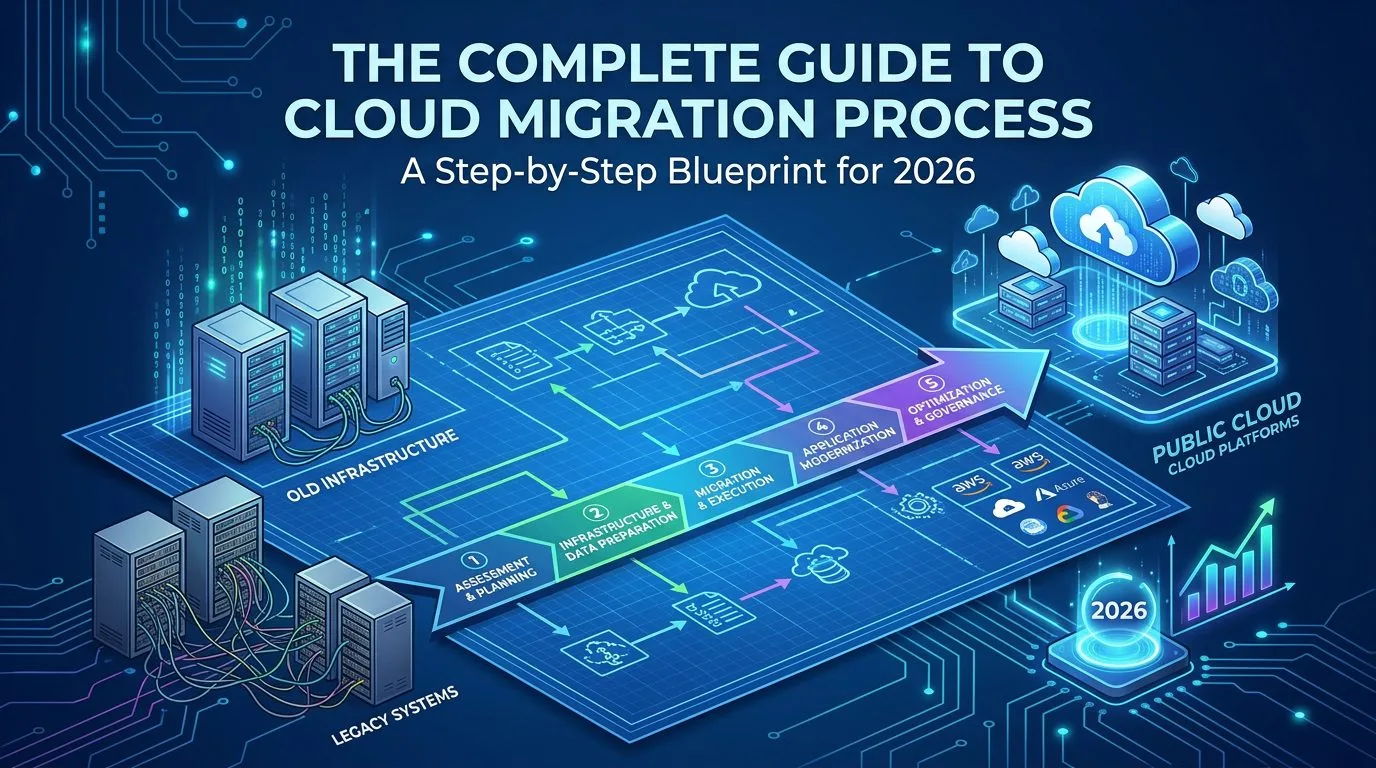
Master the cloud migration process with our complete 2026 blueprint. Step-by-step guide covering assessment, strategy, security, cost management & KPIs.

Managing File Attachments for Cloud Security has never been more critical for modern organizations. As businesses increasingly rely on cloud ecosystems to streamline communication, manage workflows and store sensitive information, file attachments have become an everyday component of digital interactions. Yet this routine exchange of documents, images, PDFs, spreadsheets and zipped archives can also introduce severe cybersecurity risks. File attachments frequently serve as entry points for malware, ransomware, account compromise, server-side exploitation and large-scale data breaches. When files are uploaded, stored or transferred within cloud-based environments the absence of robust security measures can put an entire company at risk.
Cloud Computing Trends for 2025 are set to reshape how businesses operate, innovate, and deliver value in an increasingly digital-first world. As cloud technologies evolve, organizations must adapt to keep pace with new capabilities, tools, and security demands. Let’s explore the key developments defining the future of cloud computing this year.

Technology has changed rapidly in recent years. One major shift is the move toward cloud-based application development. This new approach transforms how we build, deploy, and scale software.

As environmental concerns grow worldwide, businesses seek sustainable technology solutions. Green Cloud Computing emerges as a powerful approach combining cloud efficiency with eco-friendly practices. This innovative model helps organizations reduce their carbon footprint while maintaining high performance.

A developer-focused blueprint for moving legacy enterprise applications from passwords to WebAuthn passkeys, with rollout, recovery, identity, and risk controls.

The relationship between edge computing and cloud computing is a topic of increasing significance in the realm of modern technological advancements. As organizations strive to optimize the performance and efficiency of their digital operations, understanding the nuances of edge and cloud computing has become paramount. Edge computing brings computation and data storage closer to the point of use, enabling real-time processing and reducing latency.
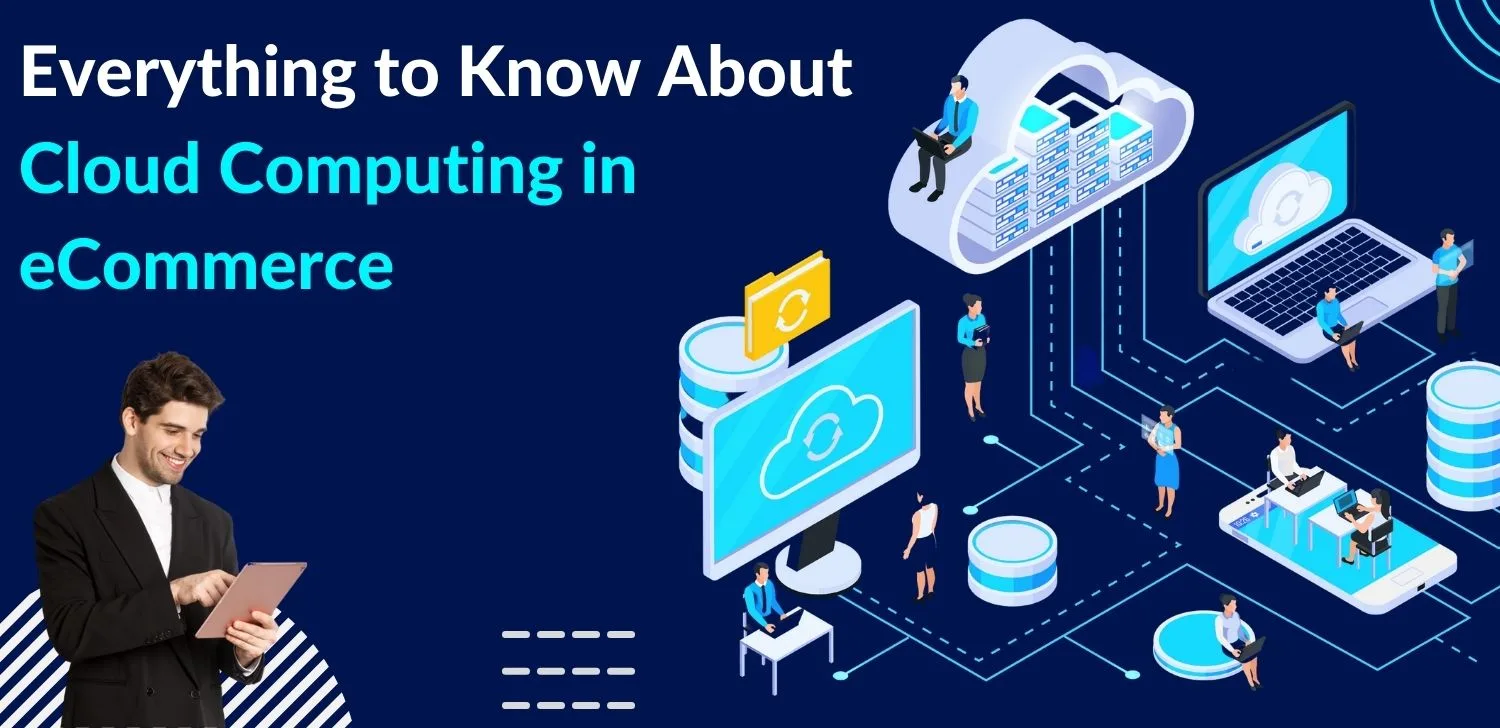
Enhancing customer experience has become a pivotal focus for e-commerce businesses seeking to differentiate themselves in a competitive market landscape. One of the key enablers of this enhanced customer experience is cloud computing. By leveraging cloud technologies, e-commerce companies can streamline operations, personalize user interactions, and glean valuable insights from data to better understand and cater to customer needs. This article delves into the various ways in which cloud computing can elevate customer experience in e-commerce, exploring its benefits, implementation strategies, and the future trends shaping the industry.
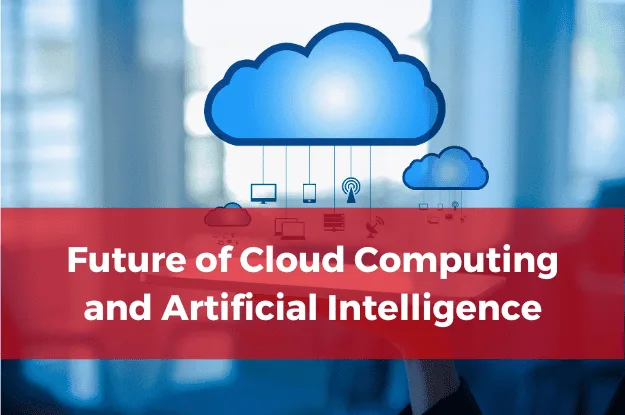
The intersection of cloud computing and artificial intelligence (AI) is shaping the future of technology in unprecedented ways. As cloud technology continues to evolve, the integration of AI is revolutionizing how data is processed, analyzed, and utilized. This article explores the dynamic landscape of cloud computing in the age of AI, delving into the evolution of these technologies, the impact of AI on cloud infrastructure, advancements in cloud security with AI, and the future trends and innovations driving this transformative synergy.










