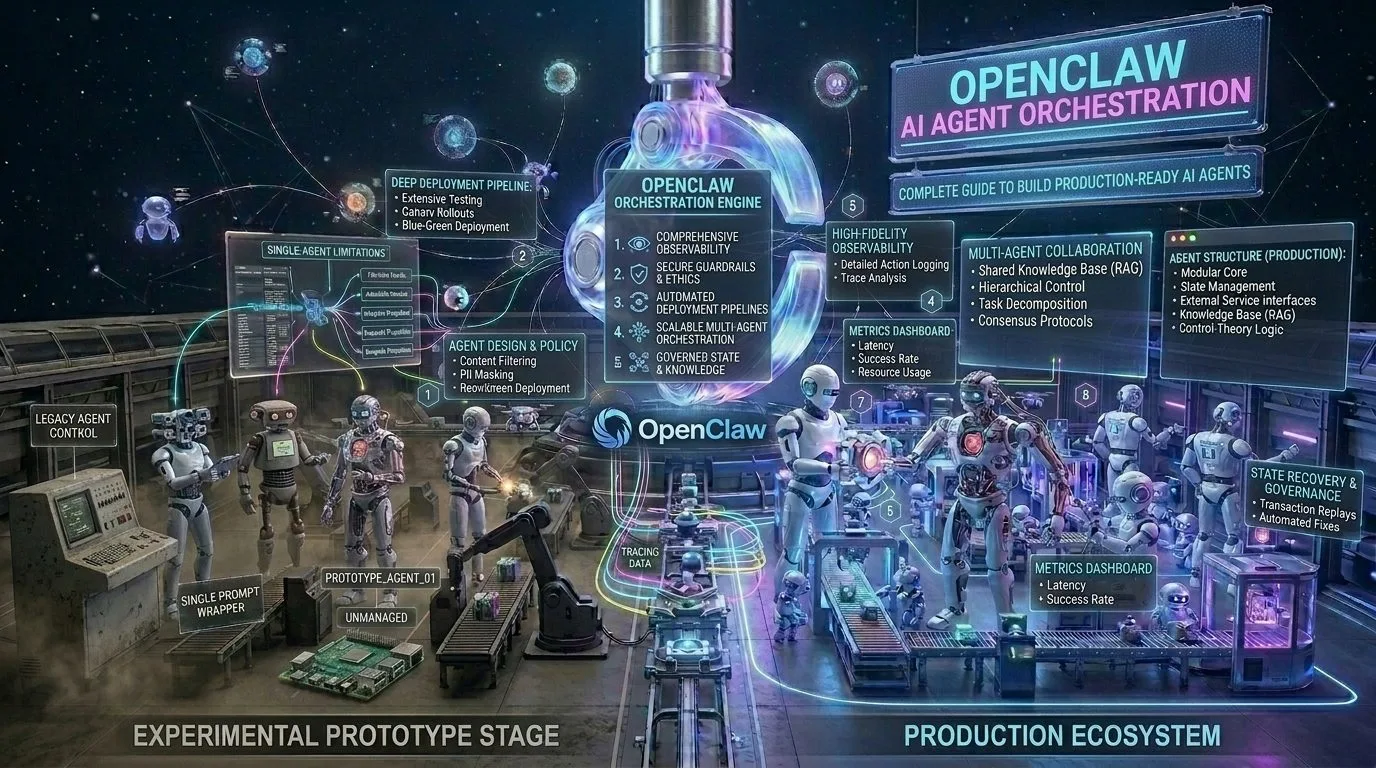
OpenClaw AI Agent Orchestration | Complete Guide to Build Production-Ready AI Agents
Master OpenClaw AI agent orchestration. Build production-ready AI agents with skills, subagents & memory systems.

Master OpenClaw AI agent orchestration. Build production-ready AI agents with skills, subagents & memory systems.

MCP Servers have emerged as a pivotal enabler of scalable, secure and context-aware artificial intelligence systems across enterprises. As organizations adopt increasingly advanced AI agents and automation workflows, the need for predictable, structured and controllable interactions between models and business systems has intensified. MCP Servers address this need by providing a standardized protocol layer that synchronizes context, governs data access, orchestrates tools and ensures that AI interactions remain verifiable and compliant. The following article explores how MCP Servers work, why they matter and how Progressive Robot helps enterprises architect and operationalize these systems at scale.

Explainable AI in Life Sciences is rapidly redefining how scientific discovery, clinical research, diagnostics and therapeutic strategies are designed, validated and delivered. Life sciences organizations have long struggled with the complexity of biological systems and the variability of patient responses to treatments. Even when two patients suffer from the same disease, the factors affecting their outcomes can differ significantly. These differences, often rooted in genetics, immunology, environmental exposure or subtle cellular mechanisms, frequently determine whether a therapy will be moderately effective, highly effective or entirely ineffective.

AI in project management is rapidly transforming the way software is planned, executed and delivered. Projects can be difficult, and even with an experienced project manager (PM), unexpected issues can arise. According to The State of Project Management Report 2025, 46 percent of respondents are somewhat or very dissatisfied with their organization’s project management maturity, particularly in areas such as planning and reporting. These challenges highlight the growing need for intelligent automation and data-driven decisions, which is where artificial intelligence becomes valuable. AI in project management provides efficiency gains, enhances accuracy and frees PMs from repetitive, time-consuming tasks. Understanding how AI supports the full lifecycle of a project can help organizations deliver software faster and smarter.

How Scrum Masters Can Benefit from Using AI Tools is becoming an increasingly relevant topic as organizations continue to leverage artificial intelligence to streamline workflows and improve efficiency. AI is no longer limited to product innovation or customer-facing solutions. It has evolved into a practical partner for Agile delivery, internal team processes and day-to-day Scrum facilitation. According to The 17th State of Agile Report, nearly one-third of Agile practitioners—29%—are actively exploring AI tools to determine how these technologies can enhance team performance, support organizational goals or strengthen their product and service offerings.

Generative AI content generators are rapidly reshaping real estate marketing as buyers move their home-search journeys online and expect instant information, high-quality visuals, and tailored experiences. Today’s homebuyers no longer rely on weekend open houses or static brochures. They explore properties on their phones, scroll through TikTok tours, filter listings using conversational search tools like Zillow’s natural-language engine, and preview homes in augmented reality on platforms such as Realtor.com. Digital behavior shifted faster than traditional real estate processes could keep up, and the industry is now racing to modernize its marketing strategies.
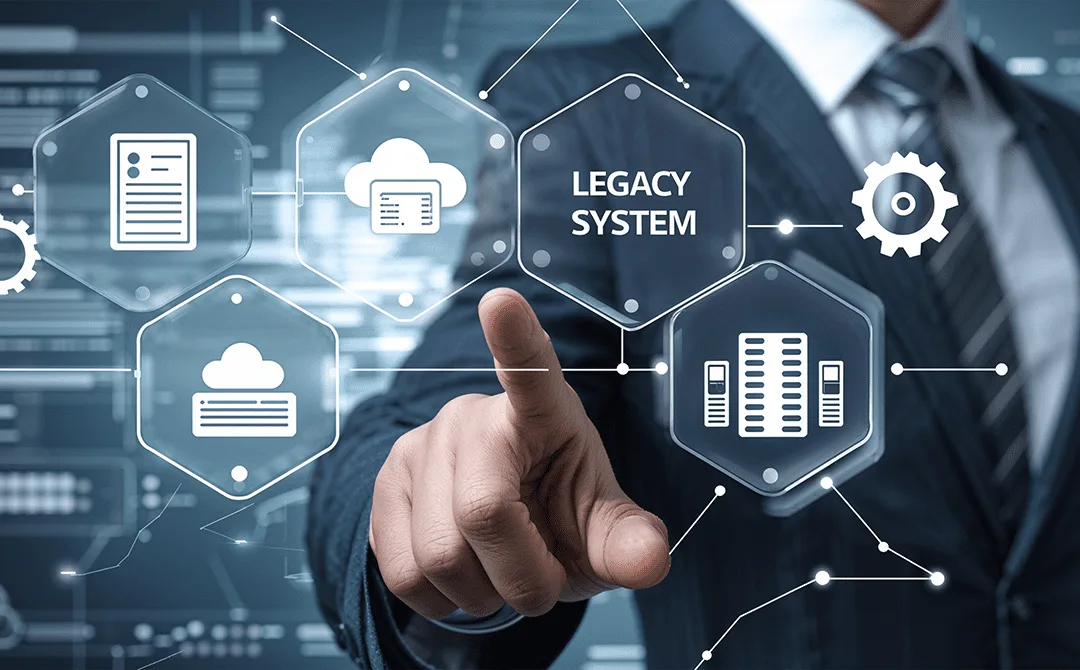
AI Modernization Toolkit initiatives are rapidly reshaping how organizations move from outdated legacy systems to modern, scalable, cloud-ready architectural solutions. As businesses grow more digitally dependent, the pressure to modernize critical systems increases dramatically. Many organizations across industries still rely on technologies built decades ago. While these systems often remain stable and deeply embedded in workflows, maintaining them, extending their capabilities or integrating them with modern applications has become increasingly challenging. Migrating legacy code is a major undertaking that historically required extensive time, large development teams and substantial financial investment. The risks include operational downtime, regression defects, architectural misalignment and unexpected integration failures.

It’s wild to think how far phones have come. Twenty years ago, polyphonic ringtones were a big deal — now artificial intelligence in mobile phones lets devices recognize faces, predict words, translate speech, and edit photos in seconds. AI has turned our pocket gadgets into personal assistants that learn, adapt, and think almost like humans.

AI agents for real estate are transforming how property professionals manage listings, connect with clients, and close deals. Once limited to manual calls and static databases, today’s real estate operations are being reshaped by intelligent digital assistants capable of automating workflows, analyzing data, and delivering hyper-personalized experiences at scale.

In the fast-paced field of logistics, where success relies heavily on efficiency, accuracy, and adaptability, Artificial Intelligence (AI) stands out as a transformative force. The integration of AI in logistics is revolutionizing the way goods are moved, managed, and delivered across the globe.










