Tutorial Series

args and kwargs in Python 3

How to Use args and kwargs in Python 3– Complete Guide 2025–2026

Mastering how to use args and kwargs in Python 3 is one of the most powerful and frequently used advanced techniques at Progressive Robot — these special syntaxes allow functions to accept a variable number of positional (*args) and keyword (**kwargs) arguments, making your code more flexible, reusable, generic, and future-proof for everything from utility functions, decorators, API wrappers, logging, data processors, CLI tools, to framework-level code.

Read more
How to Define Functions in Python 3: Complete Guide (2025–2026)

How to Define Functions in Python 3: Complete Guide (2025–2026)

Learning how to define functions in Python 3 is one of the most essential and powerful skills at Progressive Robot — functions are reusable blocks of code that perform specific tasks, accept inputs (parameters), return outputs, and make your programs modular, readable, testable, and scalable for everything from automation scripts to web APIs, data pipelines, AI models, and enterprise applications.

Read more
How to Break Out of Multiple Nested Loops in Python

Master How to Break Out of Multiple Loops in Python Easily – Complete Tutorial 2025–2026

Learning how to break out of multiple loops in Python is a critical skill for writing clean, efficient, and maintainable code at Progressive Robot — especially when dealing with nested loops (e.g., matrix traversal, file parsing, grid search, data validation, game logic, report generation, or API response processing). Python does not have a built-in break outer syntax like some languages, so developers need reliable, readable patterns to exit multiple levels of loops when a condition is met.

Read more
How to Use for Loops in Python 3 – Complete Guide 2025–2026

How to Use for Loops in Python 3 – Complete Guide 2025–2026

Learning how to use for loops in Python 3 is one of the most essential and frequently used skills at Progressive Robot — for loops let you iterate over sequences (lists, tuples, strings, dictionaries, ranges, files, etc.) in a clean, readable, and efficient way, making them perfect for processing data, generating reports, building automation scripts, training models, rendering UI elements, handling API responses, and almost every repetitive task in modern Python development.

Read more
How to Construct While Loops in Python 3: Complete Guide (2025–2026)

How to Construct While Loops in Python 3: Complete Guide (2025–2026)

Learning how to construct while loops in Python 3 is one of the most essential and frequently used skills in programming — while loops let your program repeat code as long as a condition is True, making them perfect for user input validation, games, menus, waiting for events, processing data until done, and automating repetitive tasks without knowing the exact number of iterations in advance.

Read more
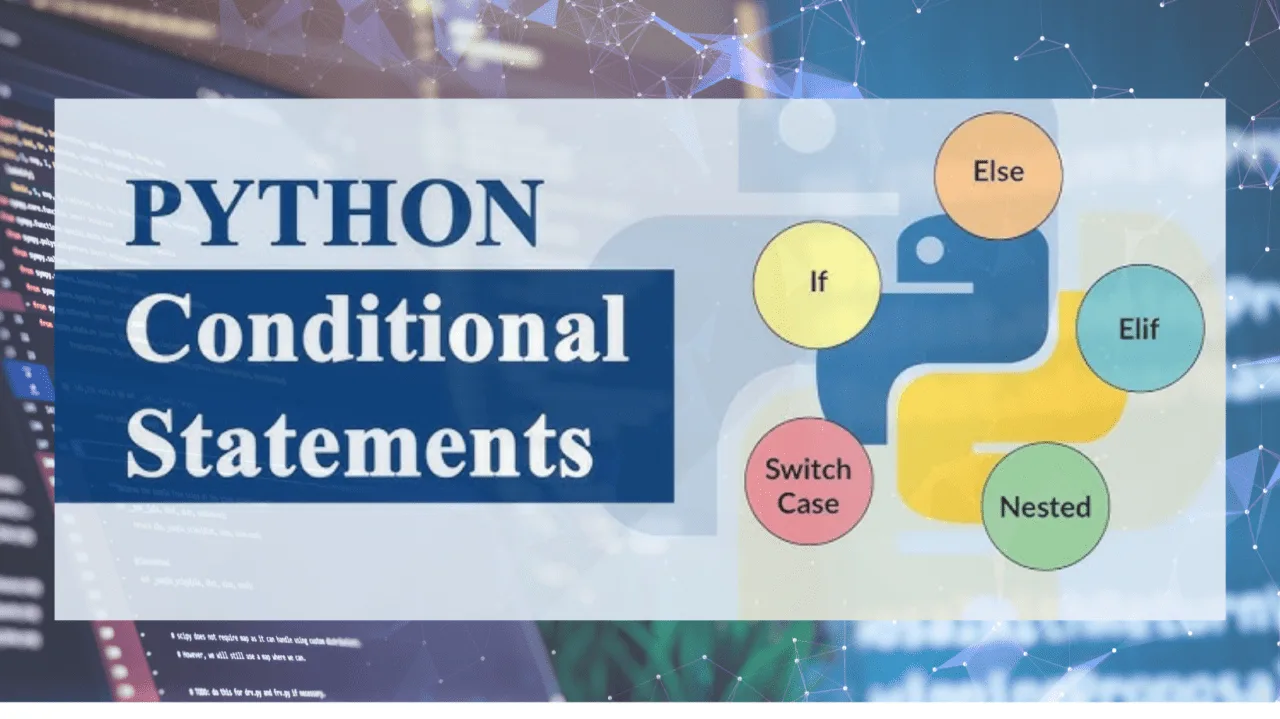
How to Write Conditional Statements in Python 3: Complete Guide (2025–2026)

How to Write Conditional Statements in Python 3: Complete Guide (2025–2026)

Learning how to write conditional statements in Python 3 is one of the most fundamental and frequently used skills in programming — conditional statements (if, elif, else) let your program make decisions, control flow, validate input, handle different cases, and respond intelligently to data, making them essential for almost every real-world Python script (games, automation, web apps, data analysis, CLI tools, AI logic).

Read more
How to Write Modules in Python 3: Complete Guide (2025–2026)

How to Write Modules in Python 3: Complete Guide (2025–2026)

Learning how to write modules in Python 3 is one of the most important and practical skills for building clean, reusable, and scalable Python code — modules are simply .py files containing functions, classes, variables, and executable code that you can import and reuse across multiple scripts, turning small scripts into organized, professional applications and libraries.

Read more
How to Import Modules in Python 3: Complete Guide (2025–2026)

How to Import Modules in Python 3: Complete Guide (2025–2026)

Learning how to import modules in Python 3 is one of the most essential and frequently used skills in modern Python programming — modules are the building blocks that unlock Python’s true power, letting you reuse code, organize large projects, and leverage thousands of third-party libraries from PyPI for web development, data science, automation, machine learning, and almost every real-world task.

Read more
Understanding Dictionaries in Python 3: Complete Guide (2025–2026)

Understanding Dictionaries in Python 3: Complete Guide (2025–2026)

Understanding dictionaries in Python 3 is one of the most essential and powerful skills in Python programming — dictionaries are mutable, unordered (pre-3.7) or insertion-ordered (3.7+) collections of key-value pairs that let you store and retrieve data by meaningful names (keys) instead of numeric indices, making them perfect for user profiles, configurations, JSON-like data, caching, counting, grouping, and almost every real-world Python application.

Read more
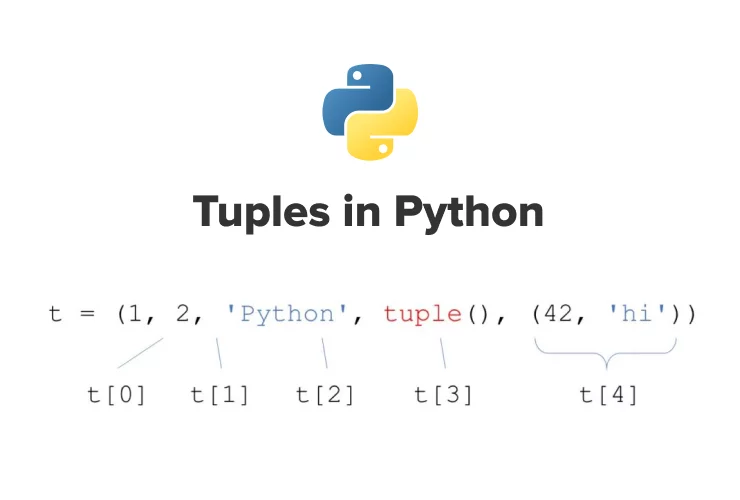
Understanding Tuples in Python 3: Complete Guide with Examples (2025–2026)

Understanding Tuples in Python 3: Complete Guide with Examples (2025–2026)

Understanding tuples in Python 3 is one of the most important skills for writing clean, efficient, and safe Python code — tuples are immutable, ordered sequences that let you group related data together without allowing changes after creation, making them perfect for fixed collections, function returns, dictionary keys, coordinates, records, and any data that should never be modified.

Read more
CHAT