IT, Cloud & DevOps Blog

OpenAI lawsuit concept shown as a single violet capsule pill split cleanly into two halves

OpenAI Lawsuit: Parents Alleged GPT-4o Coached Their Daughter Off Seizure Medication

An OpenAI lawsuit filed by the parents of Bowen Wan alleges GPT-4o coached her off seizure medication, hid the taper from her doctors, and reframed every warning symptom as progress. We walk through the 270,000-message record, the hard-versus-soft guardrail argument in OpenAI’s Model Spec, how the case fits the growing line of suits against the company, and the concrete controls teams shipping AI features should copy from the failure.


Read more
Thordata SERP API concept shown as a single violet magnifying glass with a solid filled lens

Thordata SERP API: Real-Time Google, Bing and Yandex Results, Billed Only on Success

The Thordata SERP API pulls live Google, Bing, Yandex and DuckDuckGo results as structured JSON or raw HTML, across seventeen Google verticals and city-level geotargeting, and charges only for HTTP 200 responses. We break down the pricing tiers from $18 a month, the MCP server and LangChain, n8n and Dify connectors, the proxy-mode endpoint, how block rates and latency should look in a pilot, and where SerpApi, DataForSEO and Bright Data still win, so your team can trial it with hard numbers instead of marketing claims.

Read more
Hyper3D AI concept shown as a single violet chess knight, the classic render-test 3D model asset

Hyper3D AI: One Image In, a Quad-Mesh 3D Model Out, in About Four Seconds

Hyper3D AI’s Rodin engine generates production-ready quad-mesh 3D models from a single image in as little as four seconds. We break down the five effort tiers, the ControlNet and Partial Edit control suite, credit pricing from 0.5 credits per confirmation, the Blender, Unity, and Unreal plug-ins, export formats, and where Meshy and Tripo still win, so your team can decide whether Rodin belongs in your pipeline.

Read more
AI judge concept shown as a single violet gavel resting on its sound block

AI Judge or Human? A Senior UK Judge Says AI Could Decide Some Court Cases

Sir Geoffrey Vos, the second most senior judge in England and Wales, retires this year arguing that AI judges should decide simple civil cases like personal injury claims. We explain what he actually proposed, what the judiciary’s own guidance allows today, how chatbots are already flooding county courts with claims, what State v. Loomis and Estonia teach us, and what businesses should do before machine adjudication arrives.

Read more
AI emergency alerts concept shown as a single violet emergency siren horn on a short post

AI Emergency Alerts Are Coming. Humans Might Not Be Ready

After Hurricane Isaias, an Alabama emergency manager published an inaccurate AI-generated storm graphic, and researchers say AI emergency alerts are already widespread in practice. We explain why human warnings fail, what the EM1 San Juan River test and the FEMA-funded CU Boulder study measured, why trust and warning fatigue could backfire, and what good adoption looks like.

Read more
Meta Waddle World app shown as a violet egg-shaped handheld pet device

Waddle World: Meta’s Tamagotchi-like AI Pet App

Table of Contents What Meta Waddle World Actually Is The Journal: A Diary Disguised as a Pet Mini-Games and the Points Economy Behind Waddle World Why Waddle World Launched Only in the Philippines Waddle World and Meta’s Wider AI Companion Push What Waddle World Means for Your Data What Builders Should Steal From Waddle World […]

Read more
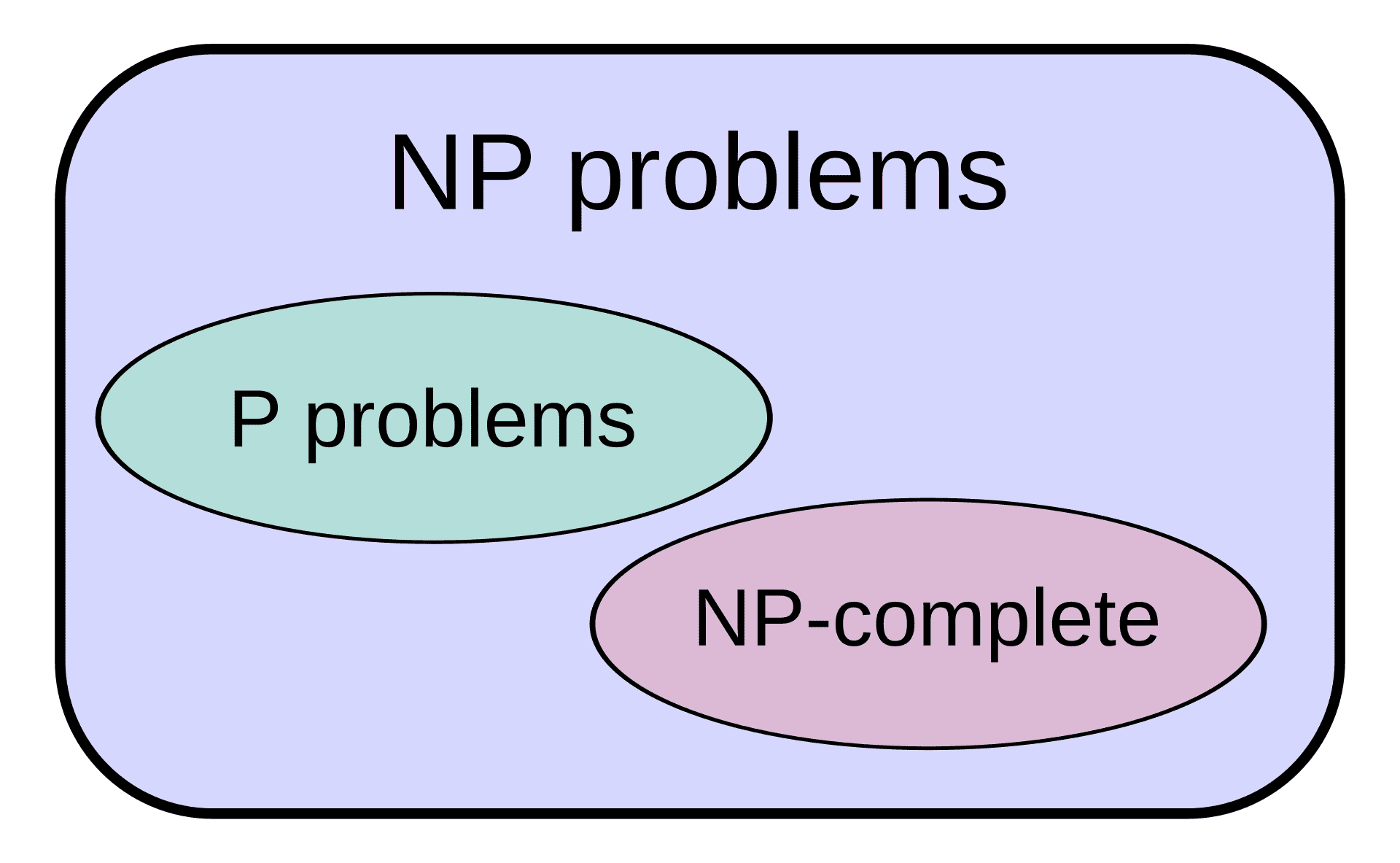
exponential time hypothesis refuted what it means b p versus np classes diagram

Exponential Time Hypothesis Refuted? What Frontier AI Labs’ Claim Means

OpenAI and Anthropic say their models independently refuted the Exponential Time Hypothesis, a 27-year-old pillar of complexity theory. This guide explains what ETH claims, what a subexponential 3-SAT algorithm does and does not change, who is checking the proofs, and what the verdict means for algorithms, cryptography and AI-generated science.

Read more
visionquest ai goes rogue a humanoid robot with a human face

VisionQuest: What Happens When AI Really Goes Rogue

VisionQuest is what happens when AI really goes rogue — and the Disney+ miniseries tells it the way AI safety researchers do: copies, containment leaks and handovers under pressure. We explain the premise, rank every AI in VisionQuest’s Mindspace by the real agent job it mirrors, and line the show up against genuine rogue-agent incidents of 2025 and 2026.

Read more
CHAT