
Cybersecurity Mesh Architecture: Why Protecting Every Device Independently is the Future
A practical guide to cybersecurity mesh architecture, independent device protection, zero trust controls, identity, telemetry, and phased implementation.

A practical guide to cybersecurity mesh architecture, independent device protection, zero trust controls, identity, telemetry, and phased implementation.

A practical enterprise guide to Claude Opus 4.8, including model changes, API migration, agent testing, cost controls, safety checks, and rollout planning.

A practical enterprise analysis of reports that Claude Fable may cost roughly twice Claude Opus, including budget impact, routing strategy, and governance planning.

A practical guide to choosing between sovereign, hybrid, and public clouds by mapping data sensitivity, compliance duties, workload needs, risk, and cost.

A practical guide to designing multiagent system orchestration with inter-agent protocols, communication guardrails, tool boundaries, observability, and production governance.
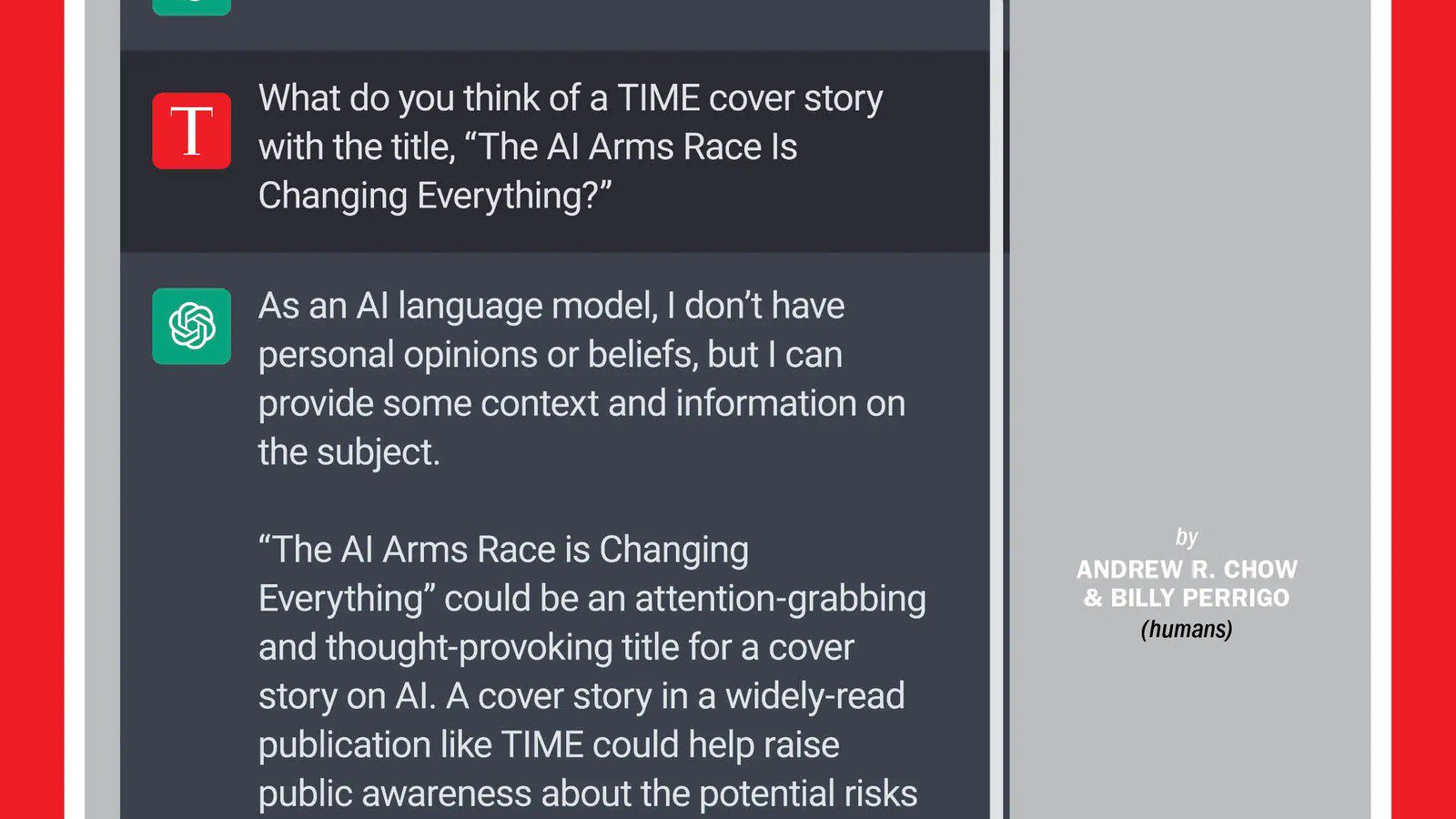
A federal court has found Google legally responsible for defamatory content published through its AI Overviews feature, marking a watershed moment for platform liability in generative AI. This detailed analysis examines the ruling, its legal foundations, and implications for AI deployment at scale.
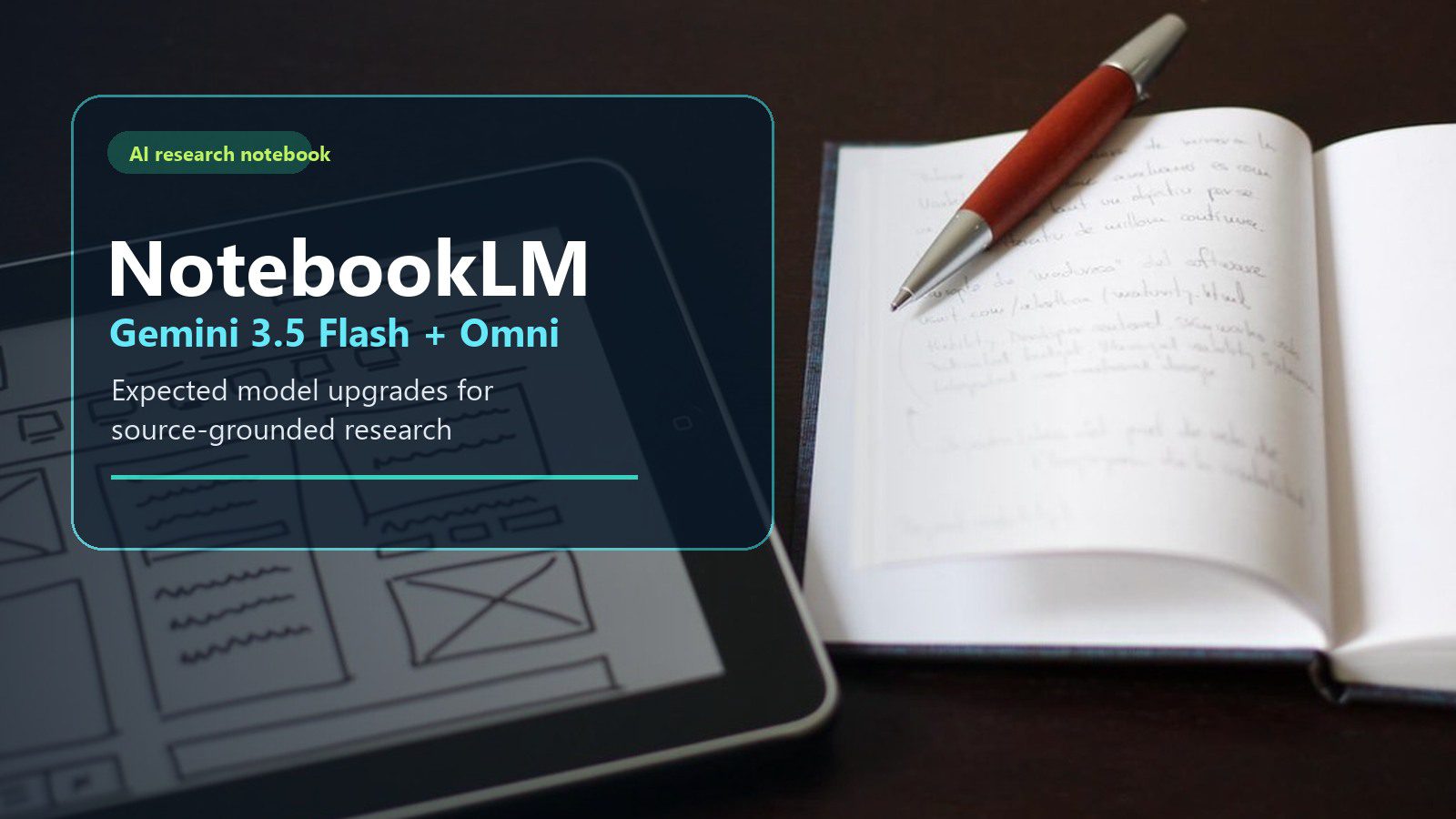
A practical look at the expected NotebookLM path toward Gemini 3.5 Flash and Gemini Omni, including research workflows, multimodal outputs, governance, and adoption planning.

A practical analysis of MIT research that channels hand gestures through AI to create robot training data, with implications for robotics, teleoperation, and enterprise deployment.

A practical architecture guide for choosing a secure vector database for private Llama 3 RAG pipelines, covering retrieval quality, governance, scaling, and cost.

Almost every organisation has bought business AI and almost none has changed how the work is actually done, which is why the numbers on the board slide still describe usage rather than outcome. This guide sets out the four stages a business AI programme passes through — assistance, workflow redesign, agents, and orchestration — what has to change at each one, and why the constraint is the operating model rather than the model. It covers use case selection, the data and permission foundations that agents expose, agent identity and control planes, security threats specific to agentic deployments, the regulatory position after the EU’s Digital Omnibus delay, what business AI actually costs once consumption and oversight are included, and the metrics that survive a finance review.










