
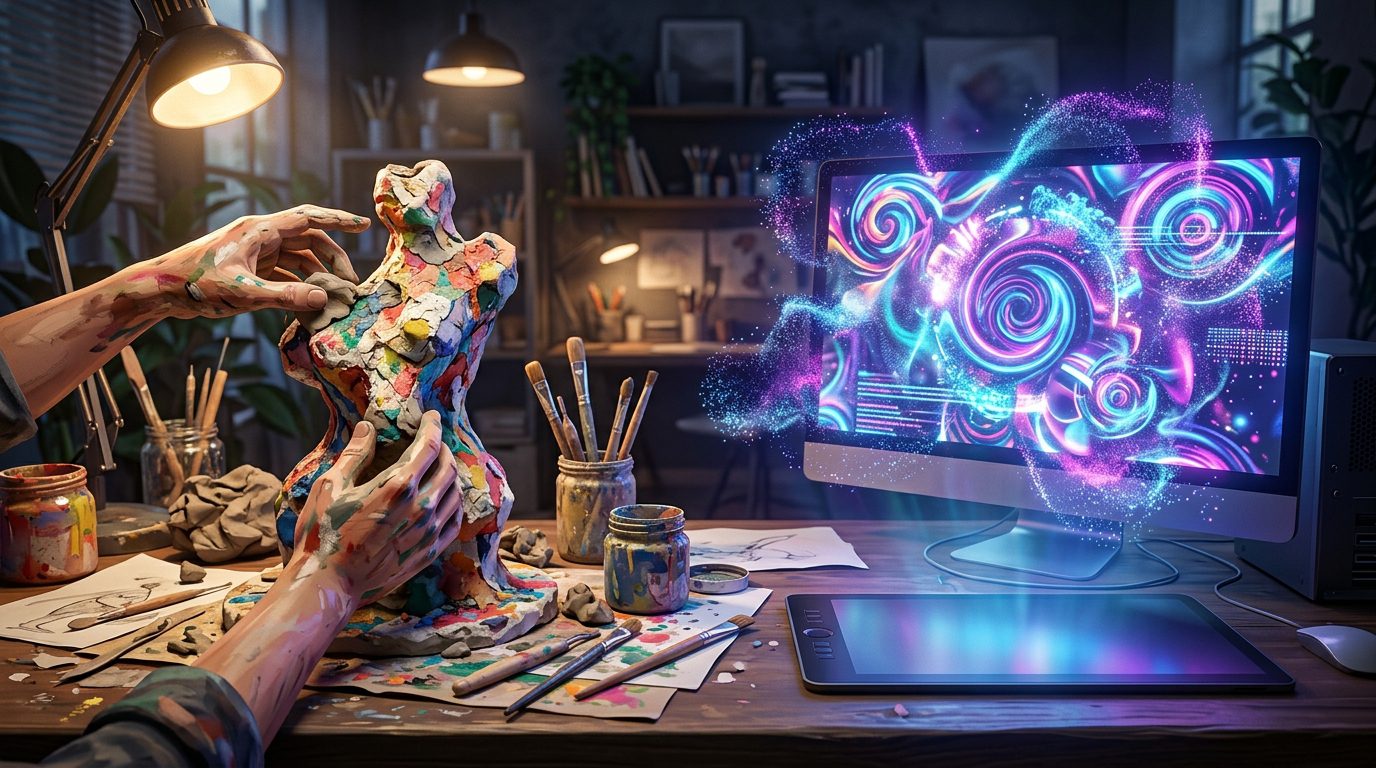
Artificial intelligence has changed how quickly people can produce paintings, illustrations, music and digital designs. A prompt can now generate an elaborate image in seconds, reducing the need for some of the technical work that traditionally took artists years to master. But as AI creates art in seconds, an important question remains: what happens to the learning and personal development that have long been part of artistic practice?
A paper by Amit Raphael Zoran of the Hebrew University of Jerusalem argues that creativity should not be judged solely by the finished object. Published in the journal AI & SOCIETY, the research examines how generative AI changes the relationship between artistic production, personal experience and the meaning of art.
Rather than treating rapid output as the ultimate measure of progress, the paper encourages a broader view of creativity—one that includes exploration, interpretation and the ways artistic experiences change how people understand the world. Read the paper in AI & SOCIETY.
AI Creates Art in Seconds, but Artistic Development Takes Time
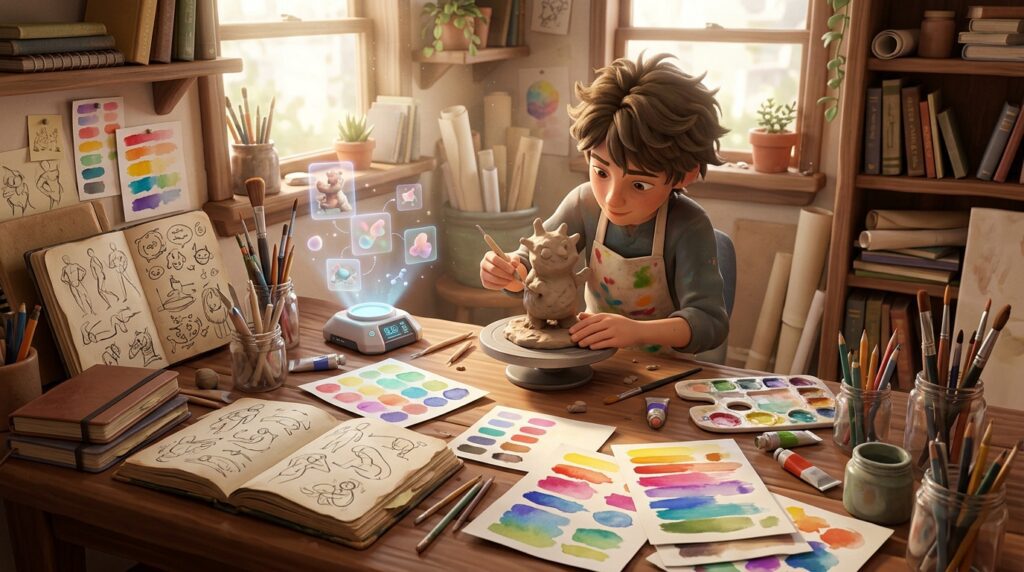
For generations, artistic ability has been associated with practice, observation and repeated experimentation. Painters learn to understand colour and composition, musicians develop timing and technique, and designers refine their judgment by testing ideas and learning from mistakes. The finished work represents only one part of that process.
Generative AI changes this relationship by allowing people to produce sophisticated results without necessarily acquiring the same technical skills. Someone can generate an intricate illustration without learning to draw every element manually. That can make artistic expression more accessible, but it also separates the production of an image from the process through which a person might traditionally develop as an artist.
The paper describes this separation through what Zoran calls the “decoupling thesis”: artistic output can become detached from the personal development historically associated with making it. As AI creates art in seconds, the ability to produce an impressive result no longer necessarily demonstrates the same journey of learning that once accompanied it.
This does not mean that using AI prevents people from developing creative skills. Instead, it raises a question about how people choose to use the time and opportunities that these tools create.
Why the Creative Process Matters as Much as the Final Artwork
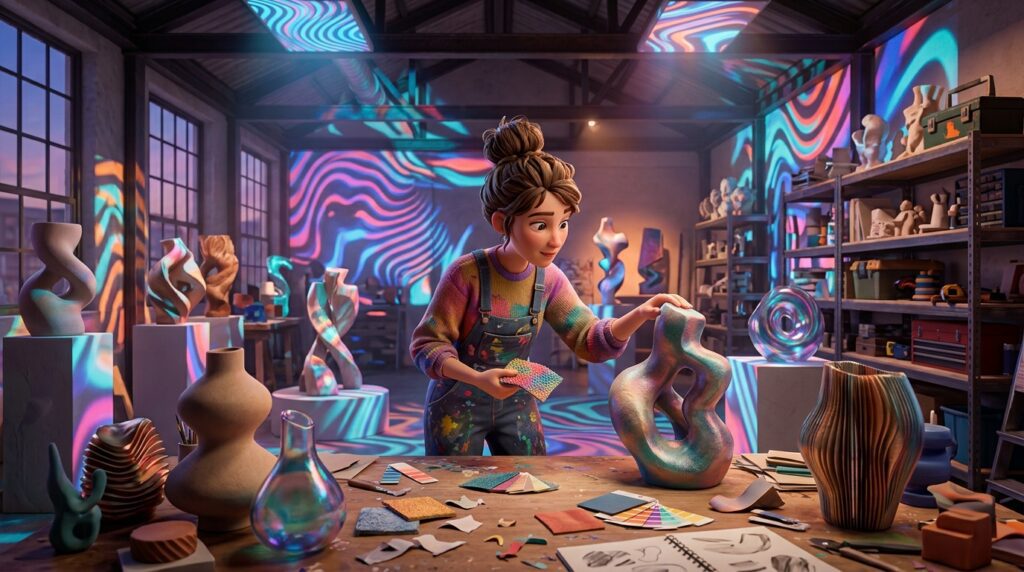
The paper argues that art has historically mattered for more than the objects it produces. Making art can change how people see, interpret and interact with their surroundings. The process may involve learning a new technique, discovering an unexpected material effect or developing a perspective that did not exist at the beginning of a project.
When AI creates art in seconds, the speed of production can make it tempting to evaluate creativity by output alone. Yet producing more images does not automatically mean that a person has explored a subject more deeply or developed a stronger understanding of it.
Zoran’s argument shifts attention towards artistic becoming: the ways people and their experiences develop through creative activity. From this perspective, the value of a project can include the questions it raises, the discoveries it enables and the changes it produces in its participants.
AI can still contribute to that process. It can help artists test visual directions, explore unfamiliar combinations or move past technical obstacles. The distinction is whether the technology simply supplies an answer or becomes part of a broader process of investigation and interpretation.
How AI Can Support More Meaningful Creative Experiences
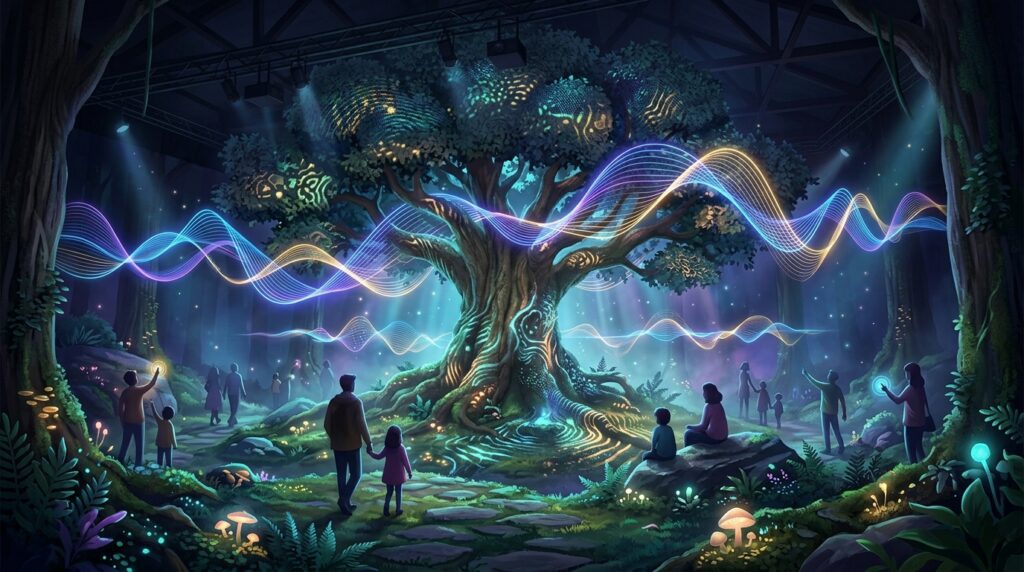
The research discusses creative projects that use technology to enrich how people experience the world. One example centres on a tree as part of an interactive artistic environment combining elements such as smell, taste, recorded sounds, AI-generated music and visual projections.
The significance of this example is not simply that technology can produce another piece of digital content. Instead, different elements work together to encourage participants to engage with a subject in new ways. The artwork becomes an experience rather than only an object to view.
This approach offers a different way to think about the claim that AI creates art in seconds. Rapid generation may be useful, but the technology can also contribute to projects that involve physical environments, human participation and sensory discovery. In those settings, the creative outcome depends on how the components are brought together and what participants experience.
For artists, designers and cultural organisations, this suggests an opportunity to use AI as one part of a larger creative practice. The goal need not be producing the greatest possible number of images. It could instead be creating work that encourages curiosity, invites interpretation or helps audiences notice something they might otherwise overlook.
What Artists and Designers Should Take From the Research
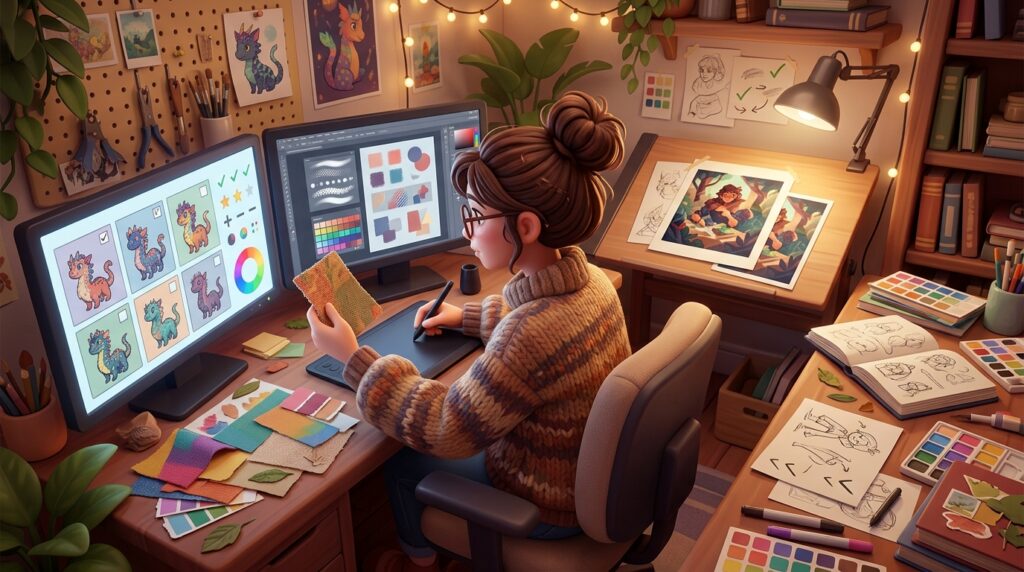
The paper does not suggest that artists should reject generative AI. Instead, it challenges the assumption that producing a finished image quickly is the only meaningful measure of creative achievement.
Artists can use AI to generate starting points, explore unfamiliar styles or test variations that would otherwise require substantial manual work. They can then decide which ideas are worth developing, how the results fit their intentions and whether the work communicates something meaningful.
This distinction matters in education as well. If students are evaluated only on their final images, it may become difficult to distinguish between technical execution, thoughtful exploration and the ability to direct AI tools effectively. Teaching creative practice can therefore involve encouraging learners to explain their decisions, test alternatives and reflect on what they discover.
When AI creates art in seconds, the challenge is not necessarily to compete with the software on speed. It is to make deliberate choices about what to explore and why. Human judgment, experience and curiosity can help turn rapid generation into a more considered creative process.
The implications also extend to cultural institutions and technology developers. Tools can be evaluated not only by image quality and processing speed, but also by whether they enable experimentation, support meaningful participation and help people discover new perspectives.
Rethinking How We Measure Creativity in the AI Era
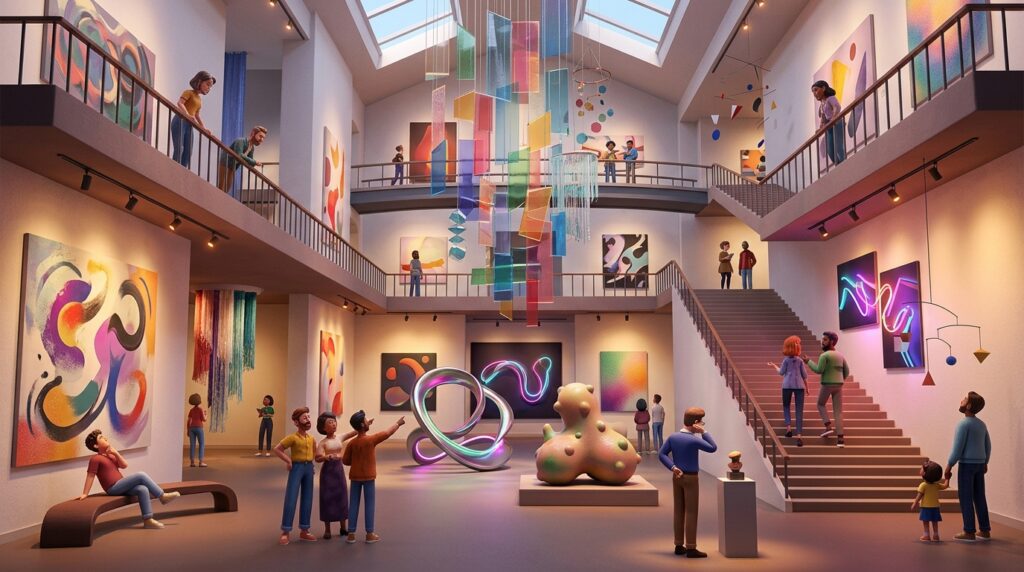
The paper contributes to a wider debate about what society values in art as generative systems become more capable. If a machine can produce an attractive image almost instantly, technical complexity alone may become a less reliable way to judge the significance of creative work.
That does not make craftsmanship, visual quality or technical achievement irrelevant. Rather, it suggests that they are only part of a larger picture. Context, intention, experimentation and the experience of an audience can also influence how a work is understood.
As AI creates art in seconds, it becomes increasingly important to ask what a creative tool helps people do beyond generating a result. Does it encourage them to experiment? Does it help them investigate unfamiliar ideas? Does it make an experience more engaging or give them a new way to understand a subject?
These questions do not have one universal answer. Different artists and audiences will value different aspects of creativity. However, they provide a more complete framework for considering AI’s role than judging every system exclusively by its speed or realism.
Final Thoughts
AI-generated art is making sophisticated visual production available to more people, often with very little technical preparation. That accessibility can open valuable opportunities for experimentation, communication and artistic participation.
Yet the central argument of Zoran’s paper is that creative value cannot be reduced to the finished product. Learning, discovery and the experience of engaging with the world are also part of what makes art meaningful. The fact that AI creates art in seconds does not remove the importance of those dimensions.
For artists, educators and developers, the opportunity is to build creative practices that use AI without losing sight of human growth. The most valuable outcome may not always be the fastest image or the largest collection of generated work. It may be a new perspective, a richer experience or an idea that emerges through exploration.
The broader lesson is simple: AI can accelerate artistic production, but creative growth still depends on what people choose to explore, experience and learn.
Sources
More AI coverage: explore Progressive Robot's AI Models, Tools & Releases hub — hands-on reviews, setup guides and benchmarks in one place.










