Generative AI

A recipe card wearing a chef hat under soft studio light

NYT Cooking AI Recipe Modifications Shock Loyal Subscribers

The New York Times is testing NYT Cooking AI recipe tools that let subscribers modify its recipes on demand, and the reception has been anything but warm. The NYT Cooking AI feature, announced last Friday by Cooking senior editor Genevieve Ko, can recommend ingredient and equipment substitutions, scale any recipe to any number of servings, […]
Read more
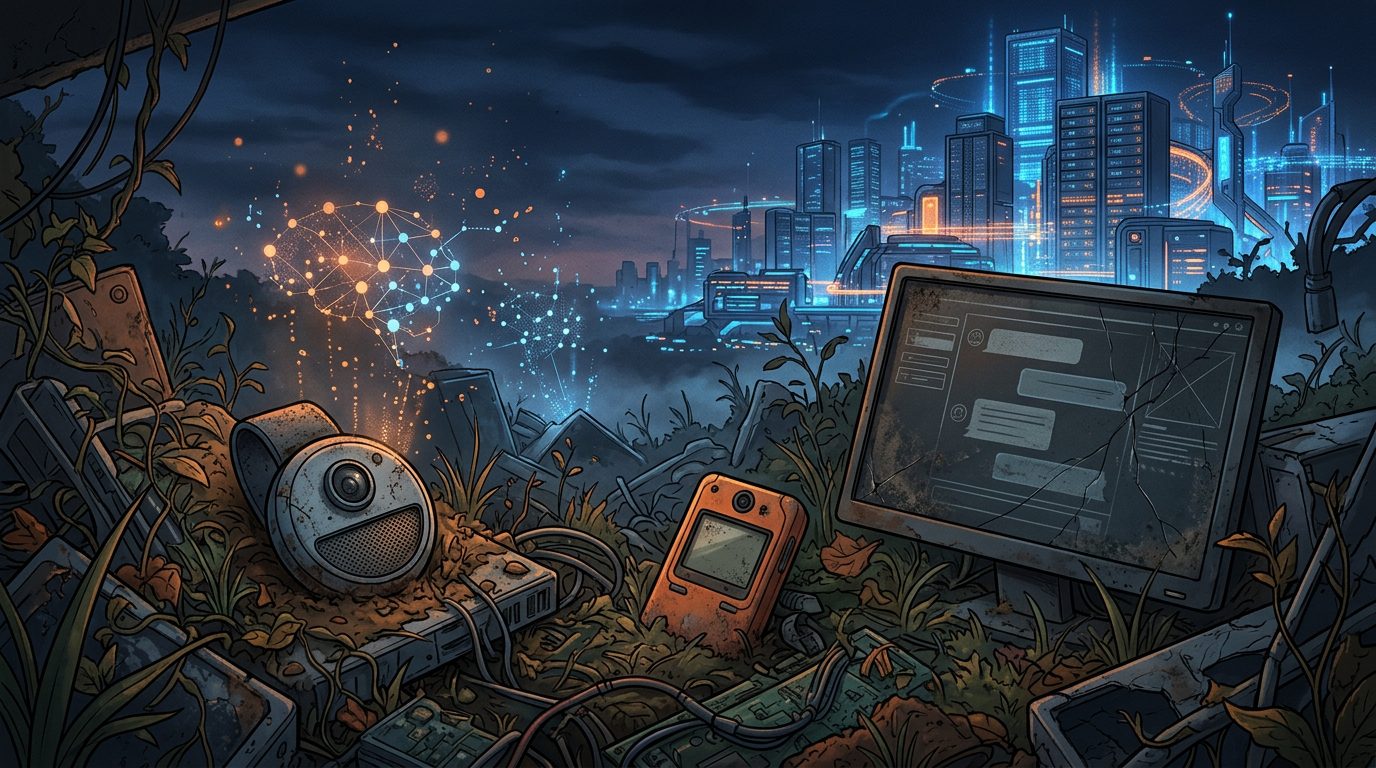
AI graveyard showing discontinued AI products, failed startups and abandoned artificial intelligence projects

AI Graveyard: 7 Powerful Lessons from Failed AI Startups

The AI graveyard is growing as promising startups, experimental products and ambitious technology projects encounter the difficult reality of building sustainable businesses. While artificial intelligence continues to attract investment and transform software development, some products have struggled to retain users, cover computing costs or compete with larger technology companies. Recent examples include Relay, an AI-powered […]

Read more
Illustrative neural network representing AI and the human mind, creativity and unpredictable thinking

Q&A: How AI Came to Model the “Messy” Human Mind

AI and the human mind have long fascinated researchers trying to understand intelligence, creativity and unpredictable thinking. Early artificial intelligence pioneers questioned whether machines could reproduce the messy, irregular processes through which people generate ideas, make associations and sometimes learn from mistakes. A historical examination by Benjamin Lindquist, an assistant professor in MIT’s History Section, […]

Read more
Hugging Face AI biology model exploring DNA sequences with artificial intelligence

Hugging Face AI Biology Model Lets You Chat With DNA

The Hugging Face AI biology model Carbon-X is designed to let researchers ask questions about DNA in natural language, bringing conversational AI into genomic research. Released on 22 October 2026, Carbon-X combines DNA sequence processing with language-model capabilities, allowing users to investigate genetic information, explore possible mutation effects and generate biological hypotheses. The project represents […]

Read more
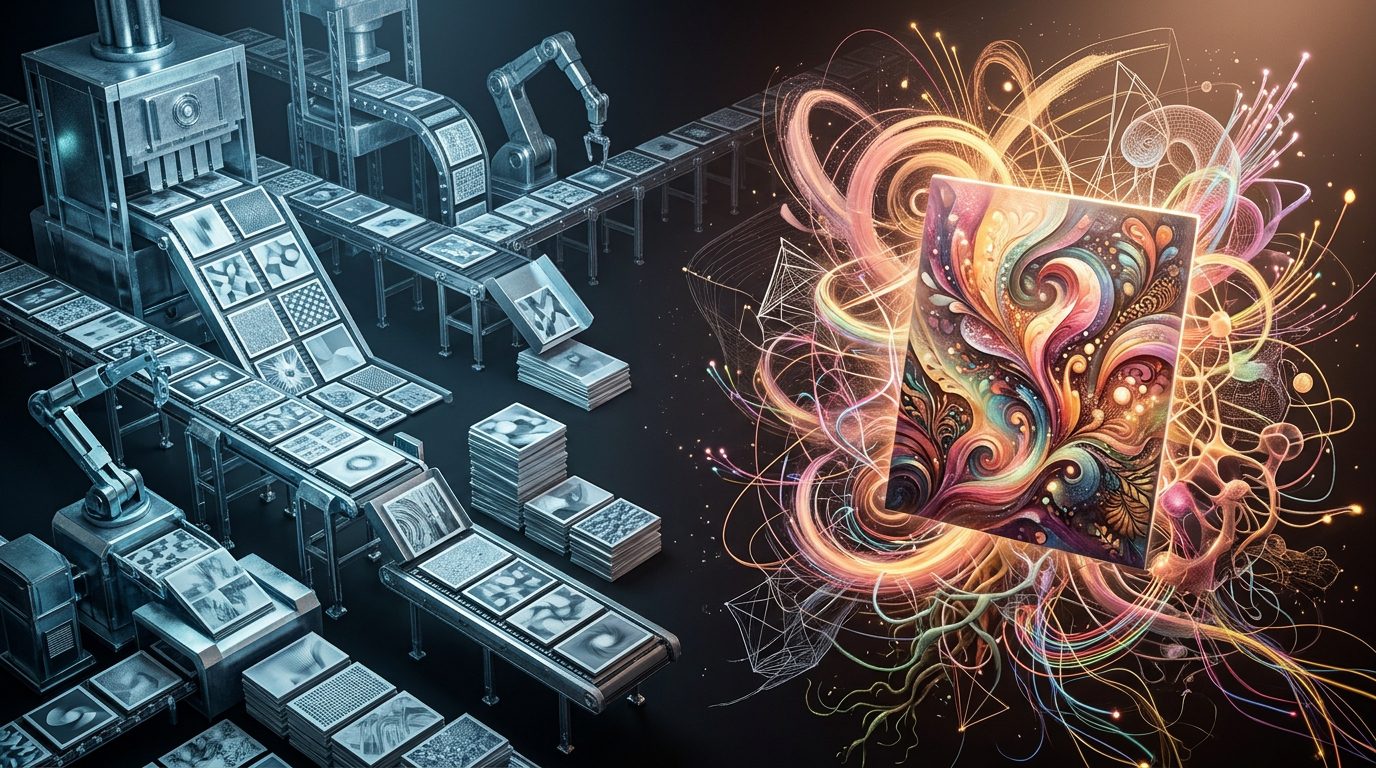
AI art contrasted with repetitive AI-generated digital content

Could Thoughtful AI Art Counter the Rise of AI Slop? The Paradox Facing Creatives

AI art is creating a difficult paradox for today’s creatives: the same technology that enables new forms of artistic expression is also flooding the internet with repetitive, low-quality content. As generative AI becomes increasingly common in visual culture, artists are questioning whether they can use these tools meaningfully without contributing to the very problems they […]

Read more
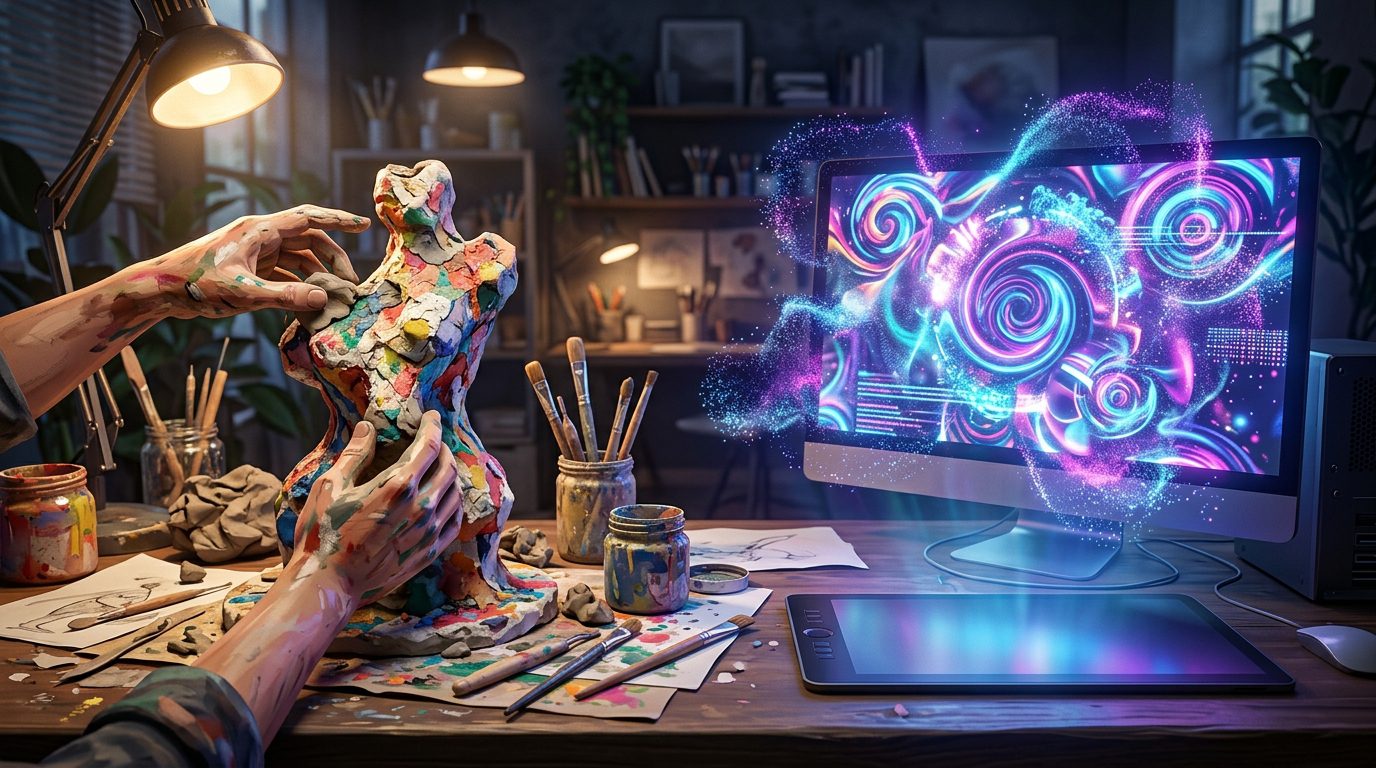
AI creates art in seconds while an artist develops creativity through hands-on work

AI Creates Art in Seconds, but Creative Growth Still Matters, Paper ArguesCopy post title

Artificial intelligence has changed how quickly people can produce paintings, illustrations, music and digital designs. A prompt can now generate an elaborate image in seconds, reducing the need for some of the technical work that traditionally took artists years to master. But as AI creates art in seconds, an important question remains: what happens to […]

Read more
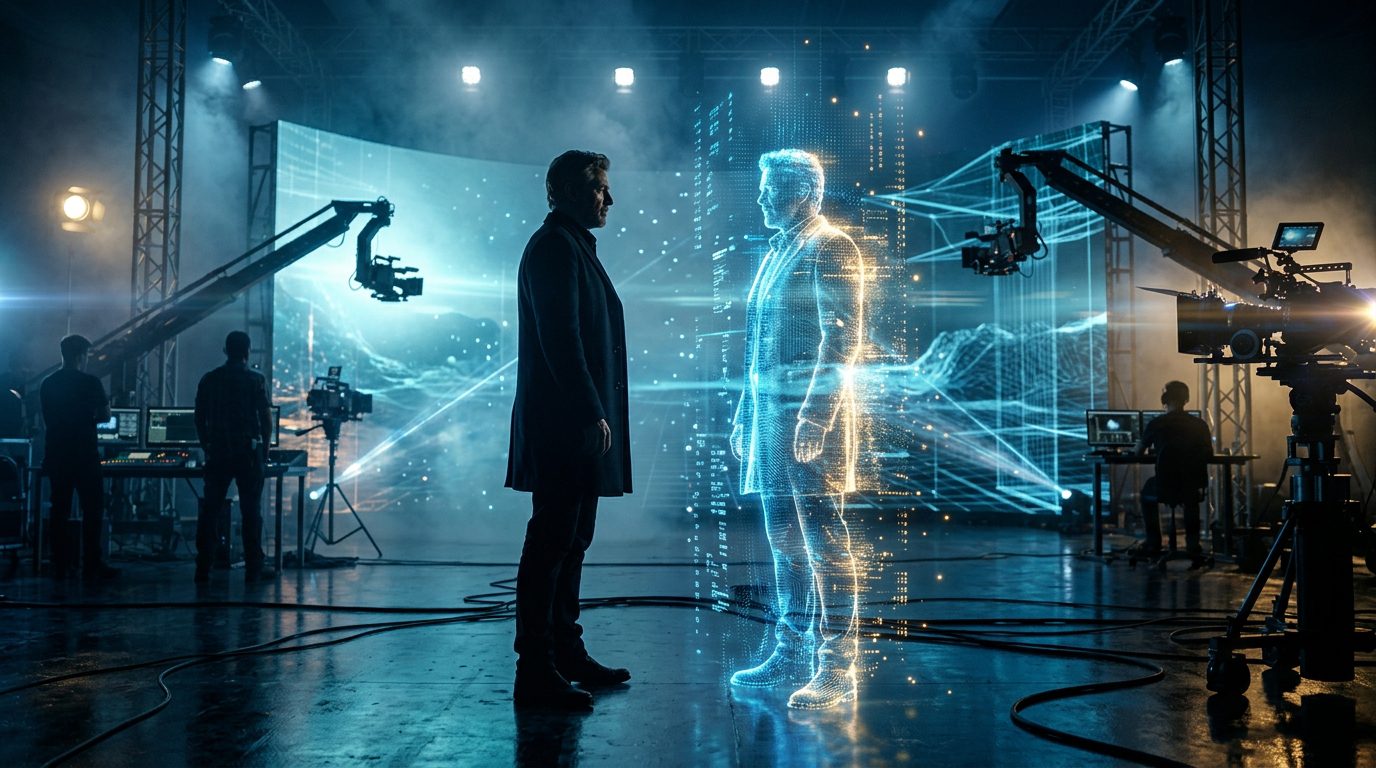
Conceptual 3D illustration of a fictional actor beside his glowing digital AI avatar

Mark Wahlberg AI Clone: Could AI Keep the Hollywood Star on Screen Forever?

Mark Wahlberg AI clone technology could eventually allow the Hollywood actor to continue appearing in films and television projects long after his traditional acting career ends. Speaking at TechCrunch Disrupt on October 16, 2026, Wahlberg discussed using artificial intelligence in filmmaking and expressed openness to the possibility of a digital version of himself carrying on […]

Read more
voice rights japan court tsuda tiktok ruling a hanko seal with a round ink paste dish

Japanese Court Rules Human Voices Are Protected in Landmark AI Case

A Tokyo court has ruled for the first time that a person’s voice can be protected by publicity rights, in voice actor Kenjiro Tsuda’s case against TikTok over AI-narrated videos. We read the nine-page judgment: the test it borrowed from the Pink Lady case, why Tsuda still lost, the questions it leaves open, how other countries compare, and what brands and platforms should do.

Read more
CHAT