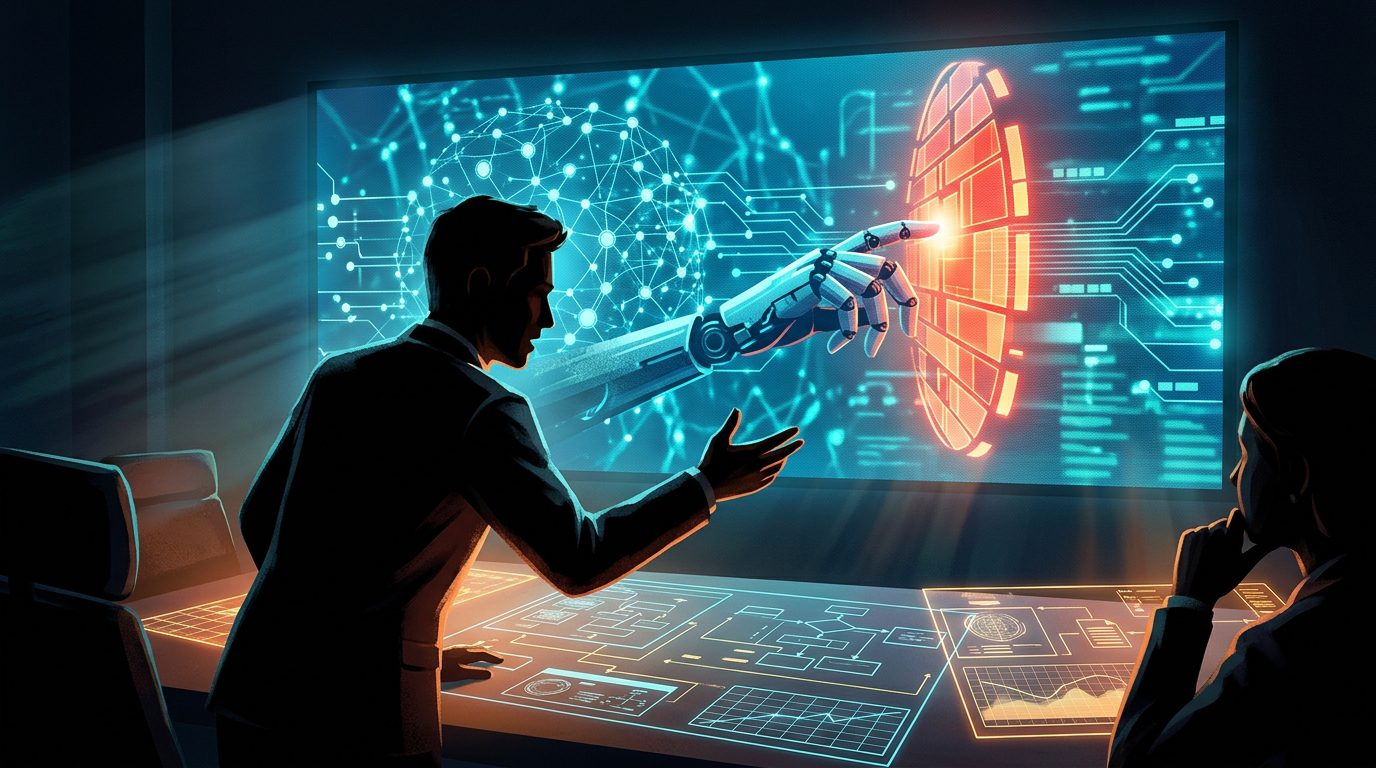
Can OpenAI’s ‘Master of Disaster’ Fix AI’s Reputation Crisis?
A detailed analysis of whether OpenAI’s new crisis-communications approach can repair trust, reduce governance risk, and reshape the broader AI narrative.
GPT-5.5 Costs can rise even when token use falls. Learn why higher rates, reasoning tokens, long context, tools, and routing decisions change the AI bill.
GPT-Realtime-2 Voice Agents bring GPT-5-class reasoning to real-time voice, changing what spoken AI can orchestrate across tools and workflows.
GPT-5.5 Instant is OpenAI’s new ChatGPT default model. Learn what changed, how it compares with GPT-5.3 Instant, and how SMEs should adopt it safely.
The OpenAI Tumbler Ridge apology matters because it is no longer just about one missed escalation. It now tests how AI firms balance privacy, safety, accountability, and public trust.
ChatGPT Workspace Agents turn recurring team work into shared, Codex-powered workflows that can run across ChatGPT, Slack, files, and connected tools.
OpenAI GPT-5.5 is more than a model refresh. It strengthens ChatGPT, coding, research, and enterprise workflows in one product arc.
ChatGPT Images 2.0 turns AI image generation into a more practical design tool by handling posters, diagrams, menus, labels, and UI text far better than older models.
AGI now sits between research ambition and real governance pressure. This guide explains its past, present trajectory, future outlook, and the moral split between OpenAI, Anthropic, and Grok.
A source-backed news explainer on Cerebras files for IPO, what its S-1 says about growth, OpenAI, G42, MBZUAI, and why this second listing attempt matters.