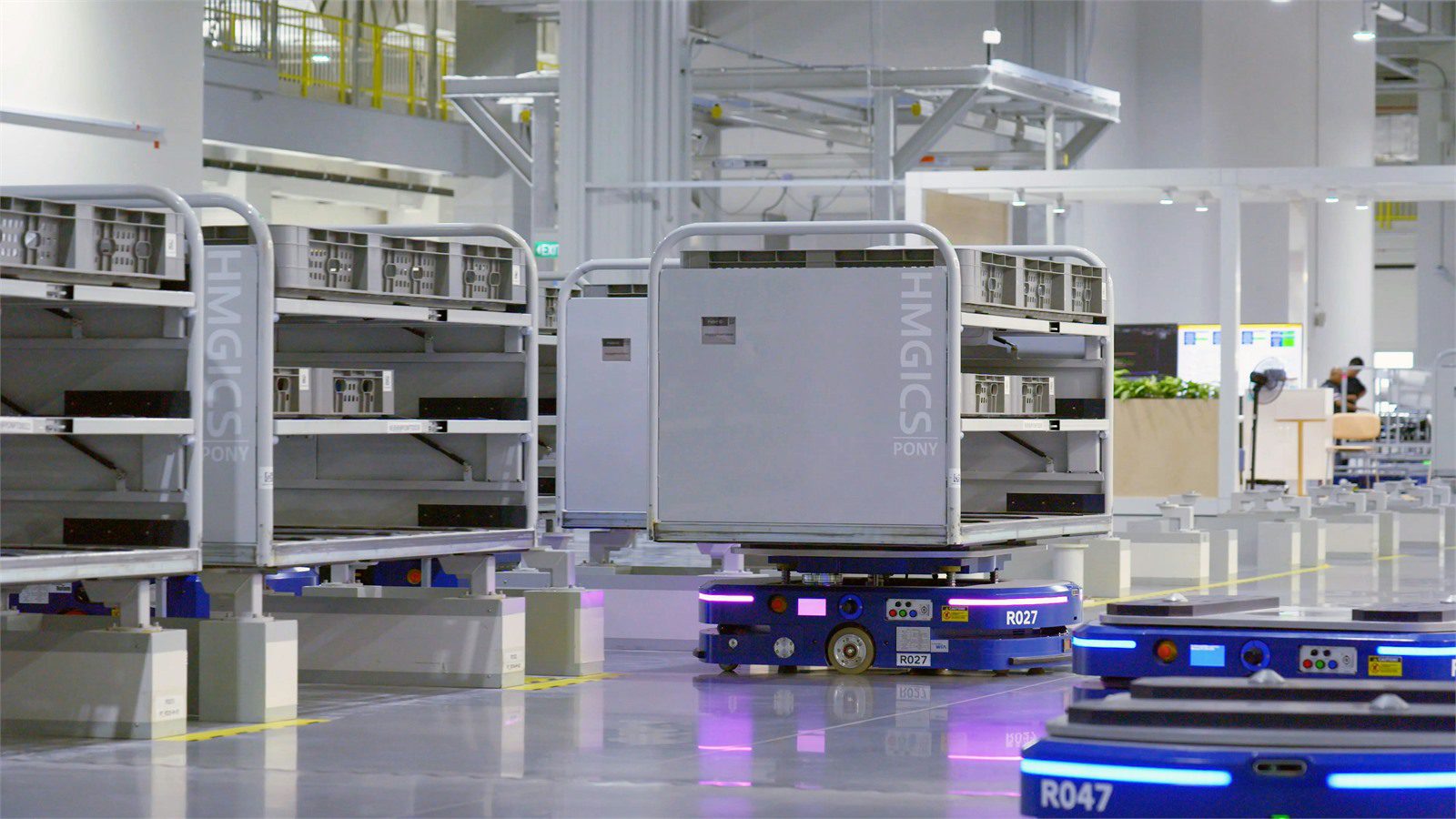
Smart Warehousing Uses IoT and AI: 9 Powerful Wins
Smart warehousing combines IoT sensors, RFID, edge devices, AI models, robotics, and warehouse software to improve visibility, accuracy, safety, and throughput.

Smart warehousing combines IoT sensors, RFID, edge devices, AI models, robotics, and warehouse software to improve visibility, accuracy, safety, and throughput.
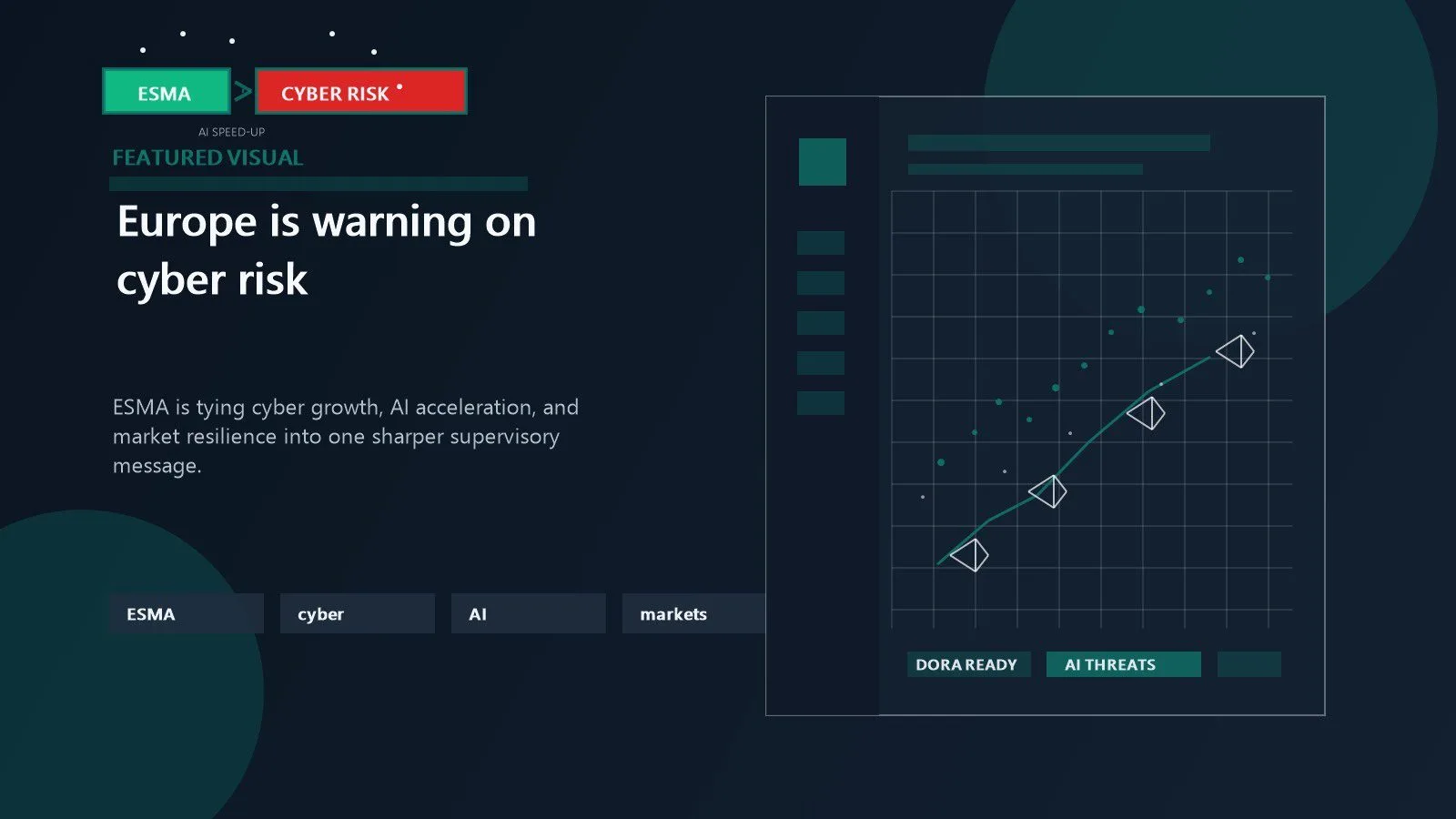
The ESMA cyber threats warning matters because Europe’s markets supervisor is tying rising digital risk, AI, and operational resilience into one tougher regulatory message.
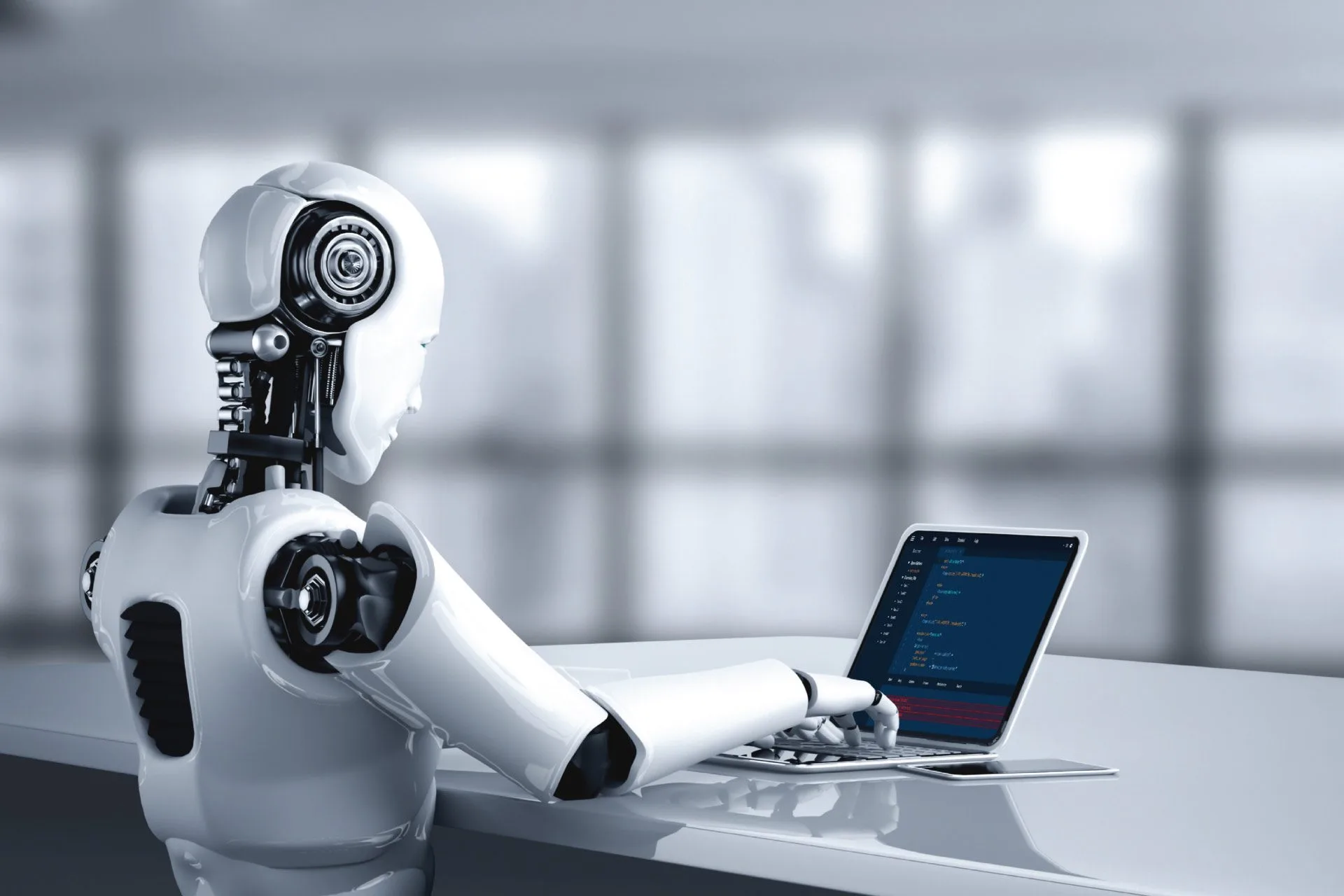
As artificial intelligence continues to evolve at breakneck speed, a pressing question dominates tech headlines and developer forums alike: Will AI Replace Software Developers? With the rise of tools like GitHub Copilot, Tabnine, and ChatGPT-based coding assistants, AI is already changing how developers work. But does this shift mean full replacement, or is it simply transformation?
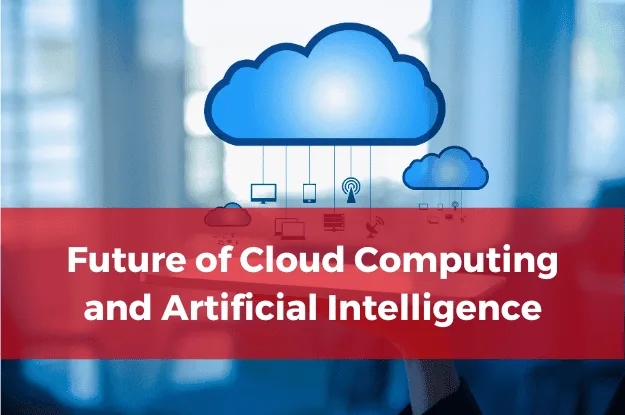
The intersection of cloud computing and artificial intelligence (AI) is shaping the future of technology in unprecedented ways. As cloud technology continues to evolve, the integration of AI is revolutionizing how data is processed, analyzed, and utilized. This article explores the dynamic landscape of cloud computing in the age of AI, delving into the evolution of these technologies, the impact of AI on cloud infrastructure, advancements in cloud security with AI, and the future trends and innovations driving this transformative synergy.
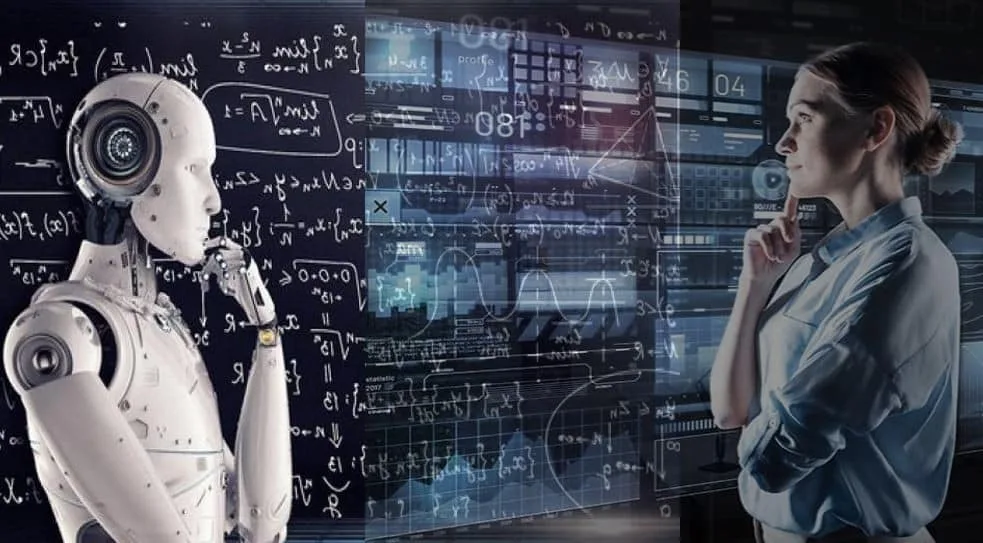
In the rapidly evolving landscape of cybersecurity, the fusion of Artificial Intelligence (AI) and Machine Learning (ML) has ushered in a new era of advanced threat detection and response capabilities. This article delves into the multifaceted applications of AI and ML in security, exploring their impact on anomaly detection, behavioral analysis, and the automation of responses to cyber threats.

The landscape of software development is rapidly evolving, and Artificial Intelligence (AI) and Machine Learning (ML) are at the forefront of this transformation. Laravel, a popular PHP framework, offers a robust platform for building web applications, and by integrating AI/ML capabilities, developers can unlock exciting new possibilities. This article explores how AI and ML can be leveraged within Laravel applications, focusing on specific areas like personalized recommendations, anomaly detection, and predictive maintenance.
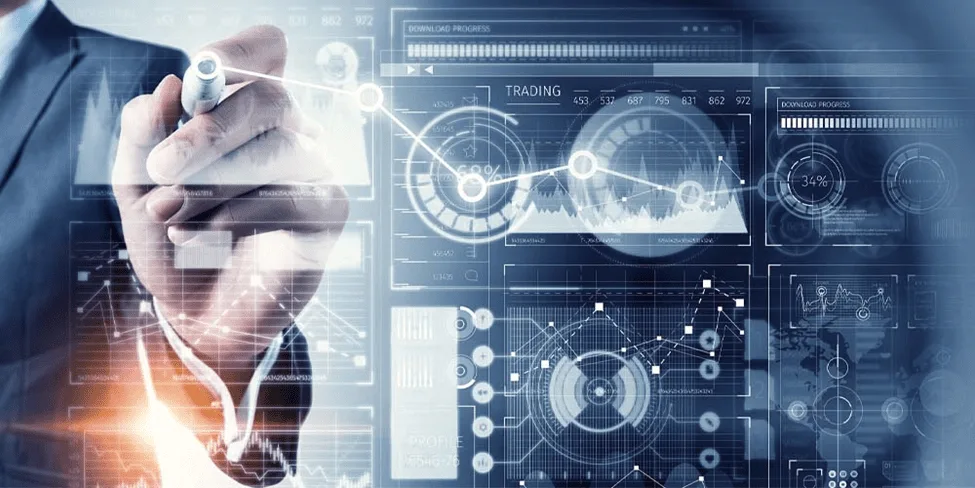
Imagine a living, breathing replica of your car, not in the physical realm, but in the digital world. This virtual doppelganger, known as a Digital Twin, continuously monitors its real-world counterpart, collecting and analyzing data in real-time. Powered by the magic of Artificial Intelligence (AI), this digital twin can predict future behavior, detect potential issues, and even suggest preventative measures, paving the way for a future of proactive maintenance and enhanced efficiency.

The realm of artificial intelligence (AI) has witnessed remarkable advancements in recent years, powering everything from self-driving cars to intelligent assistants. But despite its impressive capabilities, AI faces a fundamental hurdle: the limitations of classical computers. Enter Quantum Computing, a revolutionary technology poised to catapult AI into a new era of discovery, with the potential to unlock breakthroughs in fields from drug discovery to materials science.
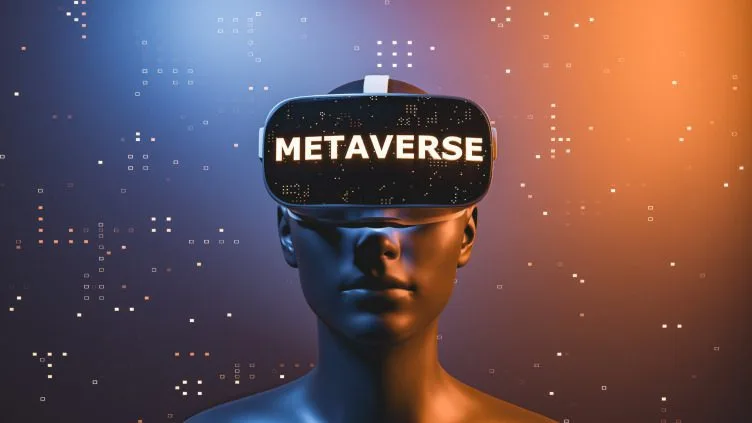
Imagine stepping into a world where the boundaries between reality and imagination blur. Lush landscapes stretch before you, populated by vibrant avatars and teeming with interactive possibilities. This isn’t science fiction; it’s the burgeoning realm of Metaverses, where virtual worlds and augmented reality intertwine to create a new frontier for AI.
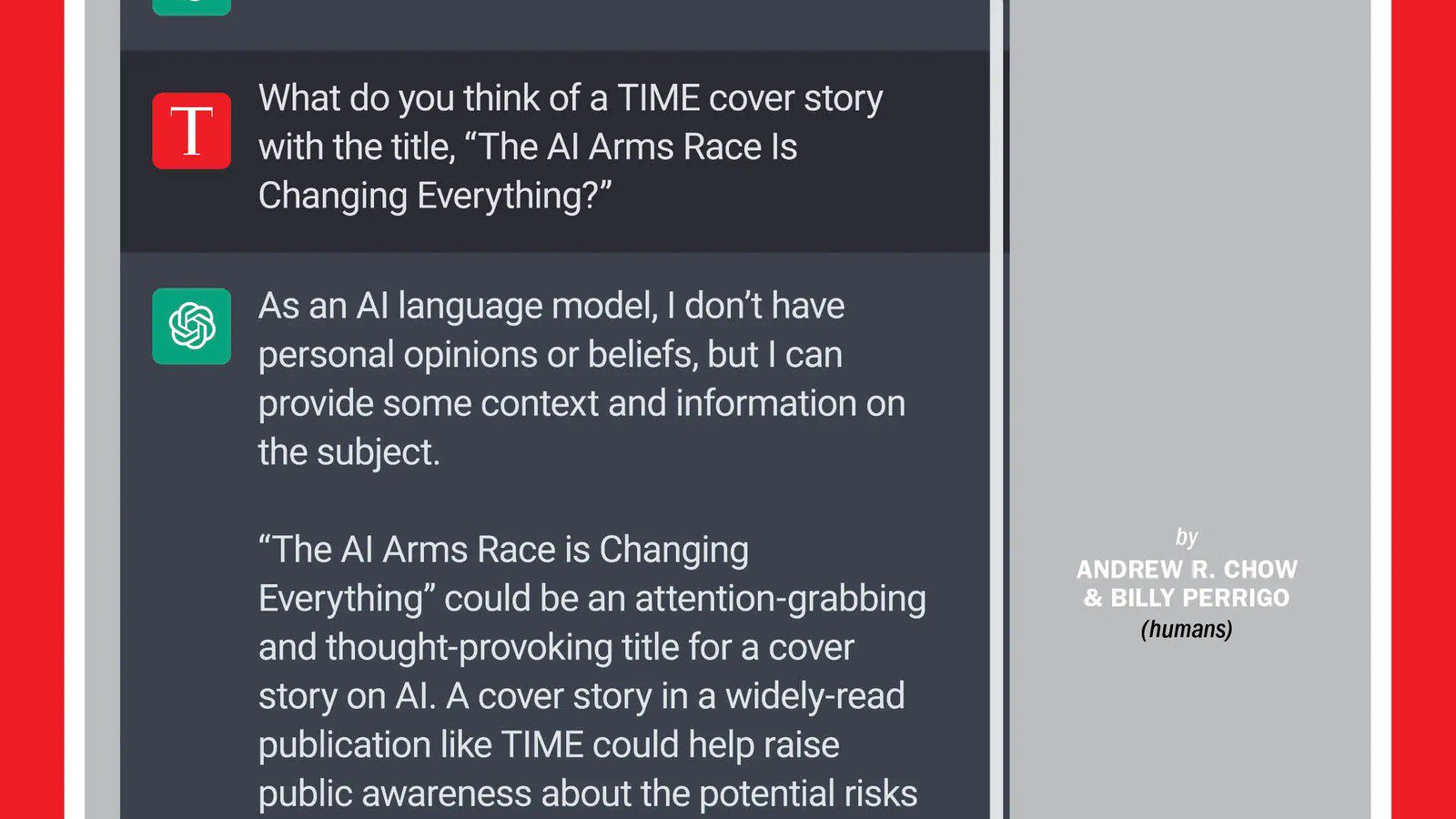
A federal court has found Google legally responsible for defamatory content published through its AI Overviews feature, marking a watershed moment for platform liability in generative AI. This detailed analysis examines the ruling, its legal foundations, and implications for AI deployment at scale.