
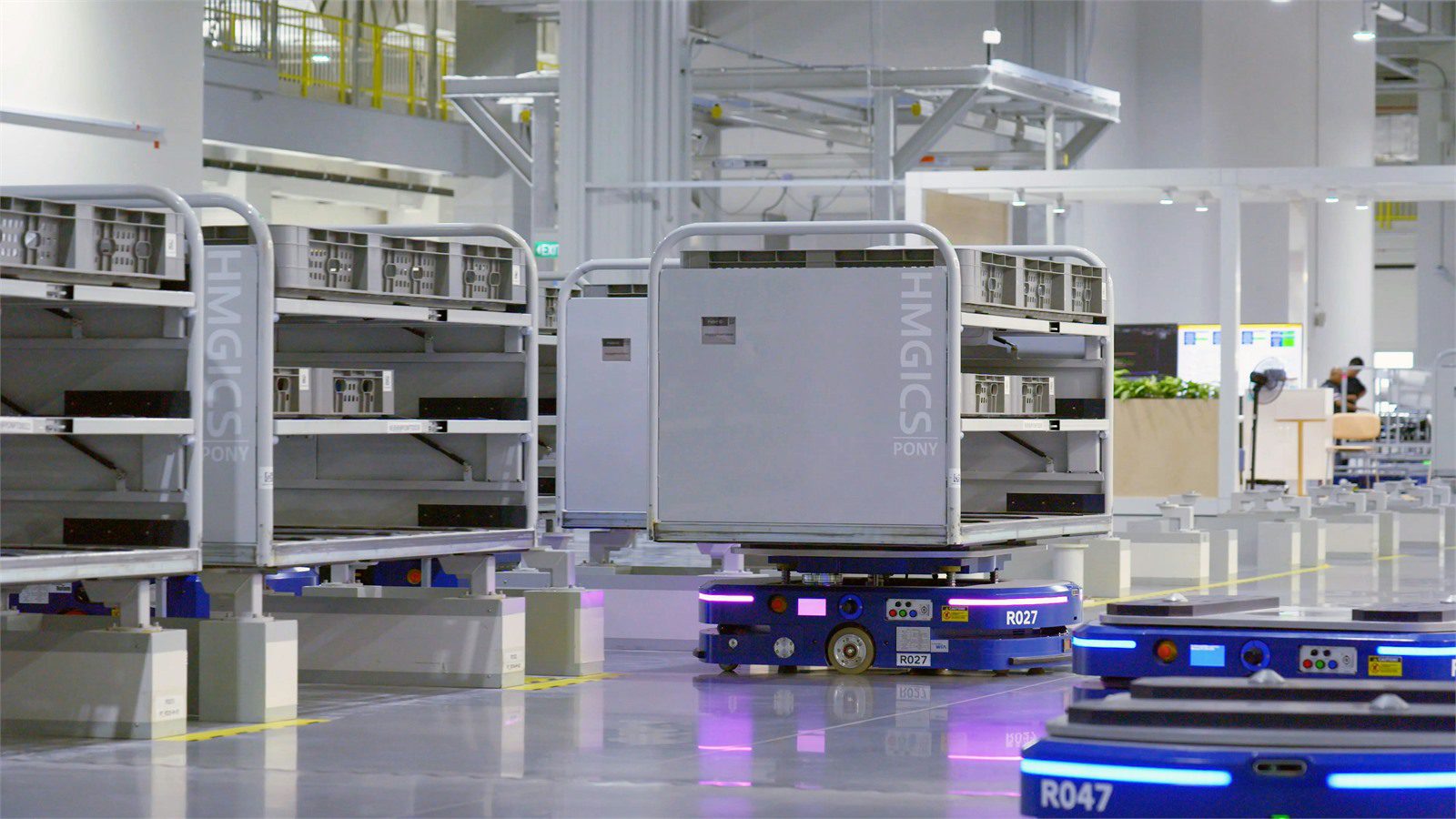
Smart warehousing is the shift from reactive warehouse operations to connected, data-driven execution. Instead of waiting for cycle counts, manual reports, or delayed exception tickets, warehouse teams use sensors, scanners, cameras, robots, analytics, and AI models to understand what is happening now and what should happen next.
The result is not a warehouse that runs itself overnight. It is a warehouse where people, systems, and machines share better context. Inventory can be located faster. Labor can be assigned with fewer bottlenecks. Equipment issues can be predicted before downtime. Orders can be prioritized by real demand and service-level risk. Smart warehousing turns physical work into a measurable digital process.
For businesses investing in IoT, artificial intelligence, automation, software development, and supply chain modernization, the key is sequencing. Start with the operational problem, then choose the devices, data model, workflows, and AI support that solve it.
| Warehouse challenge | IoT contribution | AI contribution | Practical outcome |
|---|---|---|---|
| Inventory uncertainty | RFID, barcode, sensors, location data | anomaly detection and demand signals | fewer stockouts and mis-picks |
| Labor bottlenecks | handhelds, wearables, task events | task sequencing and workload balancing | faster fulfillment |
| Equipment downtime | telemetry and condition monitoring | predictive maintenance models | fewer interruptions |
| Quality and safety risk | cameras and environmental sensors | computer vision and pattern detection | safer, more consistent operations |
| Planning gaps | real-time warehouse data | forecasting and simulation | better slotting and capacity decisions |
Smart warehousing at a glance
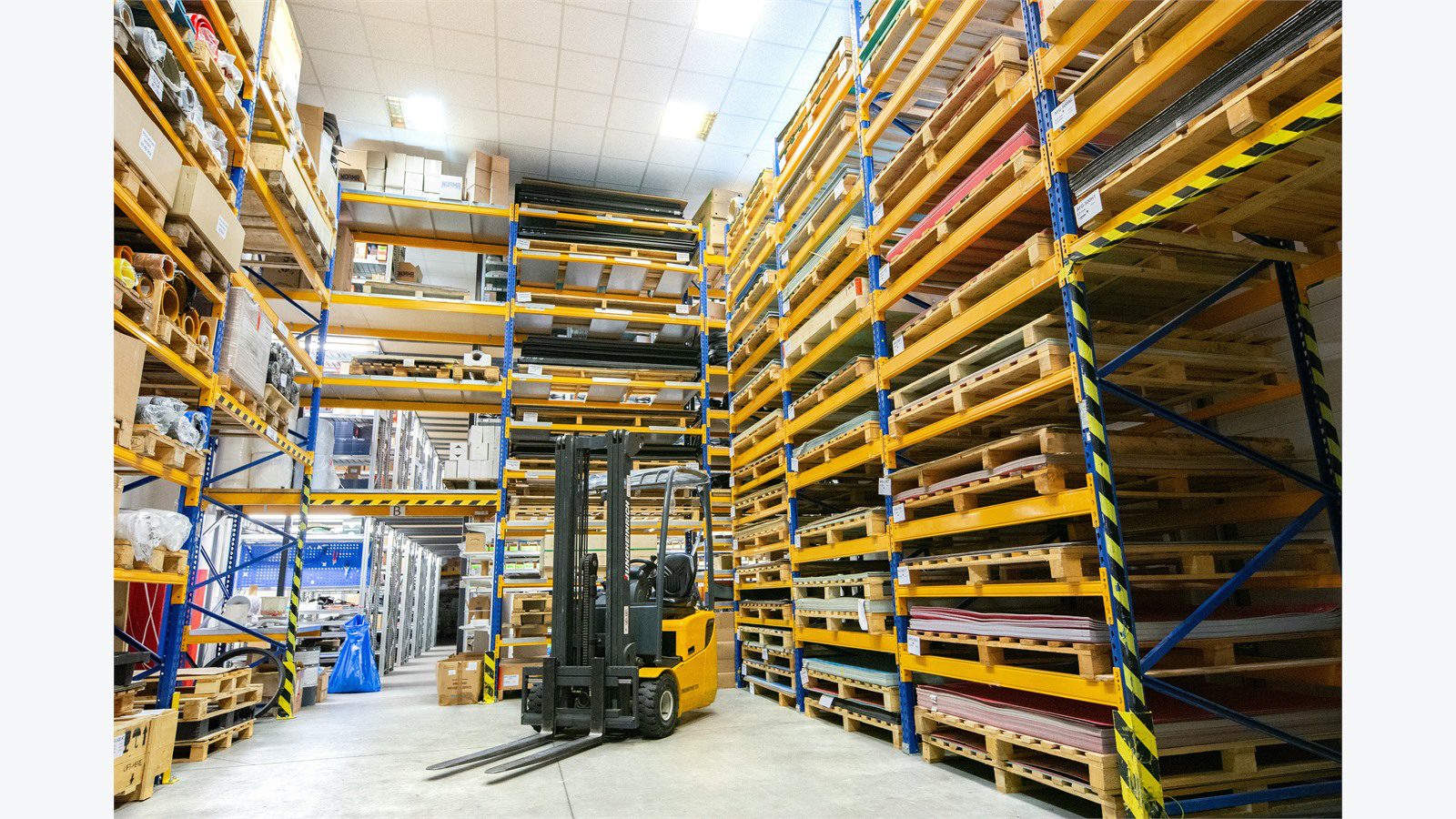
Smart warehousing uses connected devices to capture warehouse events and AI to turn those events into decisions. A scanner confirms a pick. An RFID portal records pallet movement. A temperature sensor reports a cold-chain exception. A camera sees a blocked aisle. A warehouse management system captures inventory state. AI then helps detect patterns, prioritize work, recommend slotting, and forecast risk.
This matters because warehouses operate under constant pressure: shorter delivery promises, more SKUs, seasonal demand swings, returns, labor constraints, carrier cutoffs, and customer expectations for visibility. A warehouse that relies only on manual updates usually discovers problems late. Smart warehousing shortens the delay between event, insight, and action.
The best programs are not gadget collections. They connect physical processes to a reliable operational model. That means clear item identifiers, accurate location hierarchies, clean master data, integration with warehouse management systems, and a feedback loop that tells supervisors whether a recommendation improved throughput, safety, or cost.
Standards and protocols matter. GS1 explains that EPC and RFID can identify physical objects, unit loads, locations, and other entities, and that RAIN RFID can capture unique identifiers at high rates without line-of-sight contact. MQTT is a lightweight publish/subscribe messaging protocol for IoT that supports small devices, unreliable networks, and secure messaging. Those building blocks help smart warehousing scale beyond a pilot aisle.
Win 1: connect inventory, assets, and locations
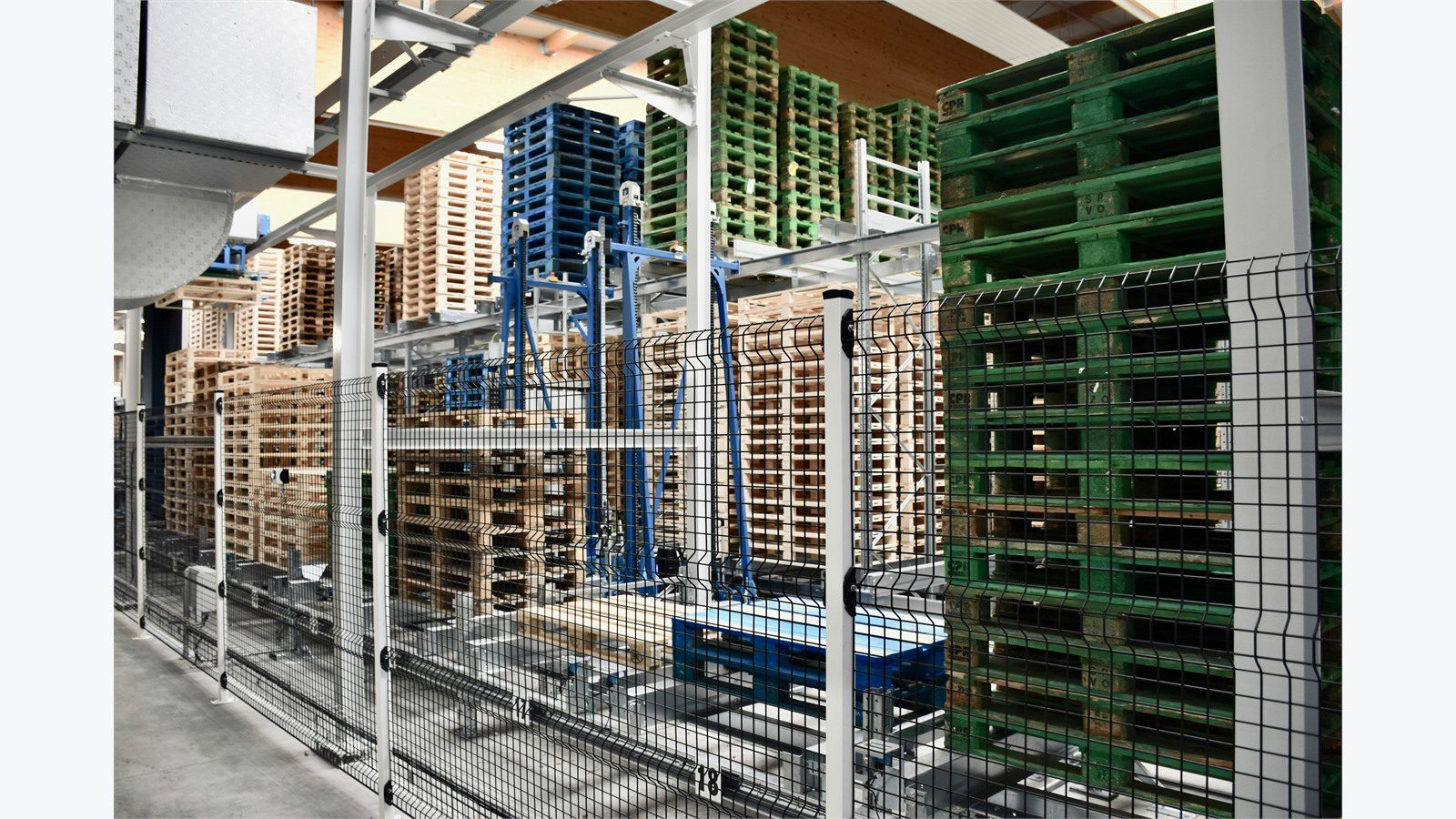
The first win is visibility. Smart warehousing starts by knowing where inventory, containers, pallets, tools, vehicles, and work zones are. Barcodes remain useful, but RFID, BLE tags, ultra-wideband, smart shelves, machine telemetry, and connected docks can add more continuous context.
The goal is not tracking everything at maximum precision. The goal is choosing the right level of visibility for each workflow. High-value serialized goods may need item-level tracking. Fast-moving pallets may need dock-door and zone-level tracking. Reusable totes may need returnable asset tracking. Cold-chain products may need temperature and dwell-time history.
AI improves this layer by spotting contradictions. If a pallet appears at an outbound door but the system still shows it in reserve storage, the platform can flag a probable scan gap. If a SKU’s pick velocity changes, the system can suggest a new forward-pick location. Smart warehousing becomes powerful when inventory data is not only collected but constantly checked against operational reality.
Teams should begin with a location model. Define facilities, zones, aisles, racks, bins, staging areas, docks, quarantine areas, and returns areas. Then map which technologies update each event. Without this model, sensor data becomes noise.
Win 2: use AI to forecast demand and slot inventory
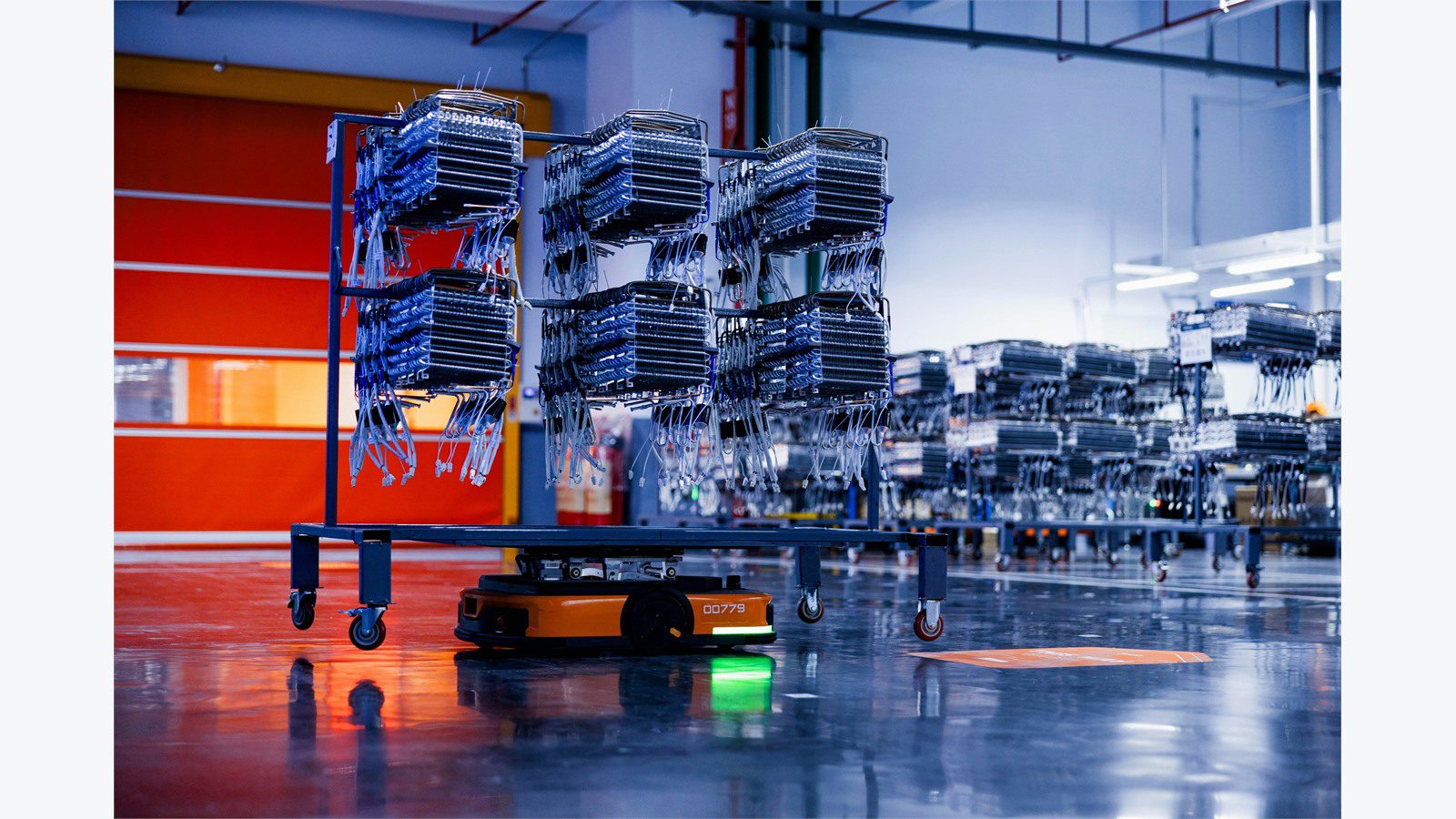
Slotting determines how efficiently people and machines move. If slow-moving products occupy prime pick faces, workers walk farther and robots travel longer. If fast-moving items are scattered across zones, congestion rises. Smart warehousing uses demand signals, order patterns, product dimensions, replenishment frequency, and labor data to improve placement.
AI can forecast which SKUs are likely to move together, which items are becoming seasonal, which zones are at risk of congestion, and which storage rules create unnecessary touches. The model should not replace warehouse expertise. It should help planners see patterns that are hard to detect in spreadsheets.
Slotting should include constraints: weight, fragility, temperature, hazard class, expiration date, family grouping, replenishment method, ergonomic limits, and robot compatibility. Smart warehousing works best when AI respects those practical rules instead of optimizing only for mathematical travel distance.
The right output is a ranked action list, not a mysterious score. Supervisors need to know which SKUs to move, why the system recommends the move, what benefit is expected, and when the change should happen. Clear recommendations make adoption easier.
Win 3: orchestrate workers, AMRs, and picking tasks
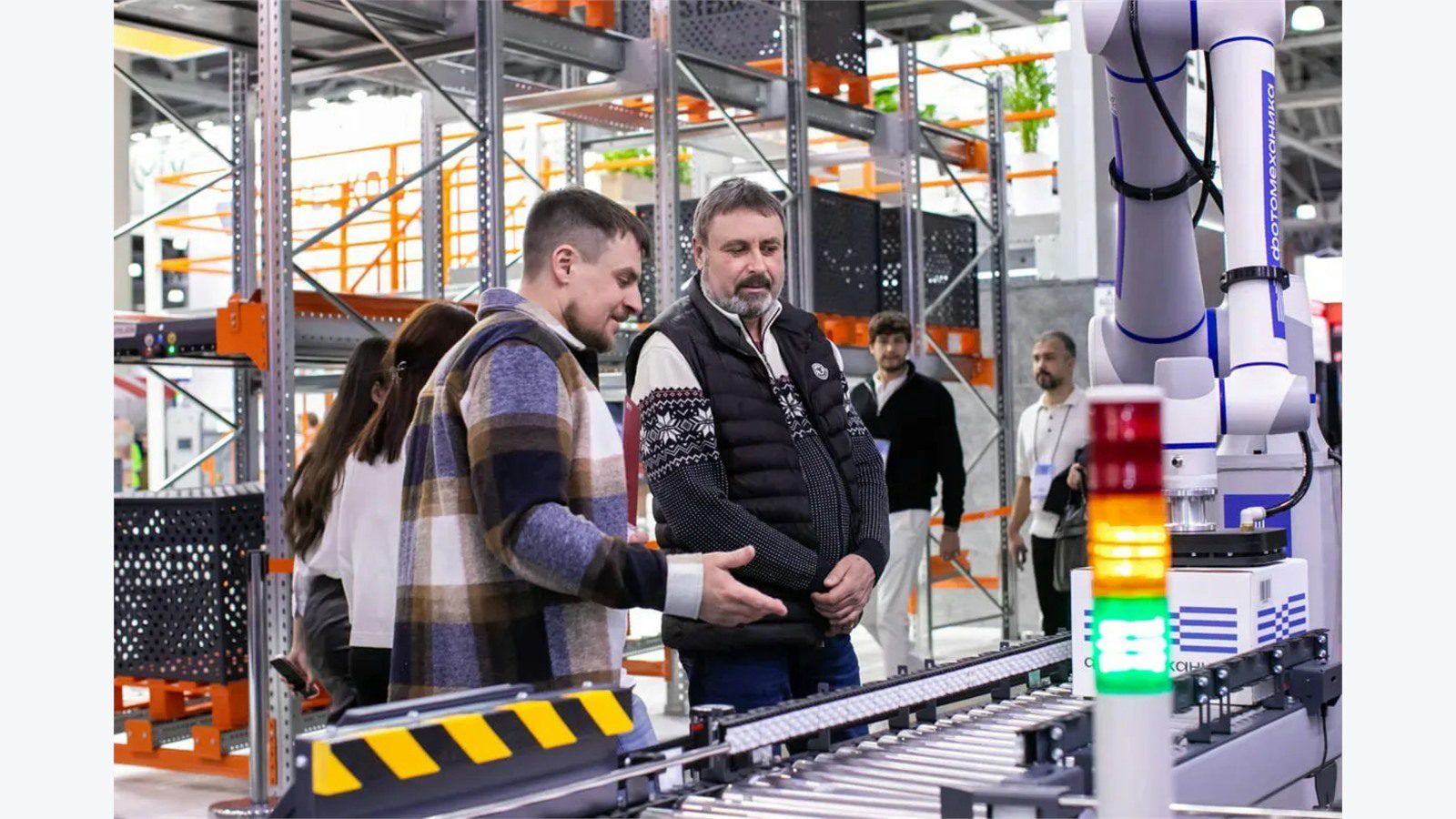
Warehouse automation often fails when each system optimizes locally. A warehouse management system releases waves, autonomous mobile robots queue for assignments, workers wait for replenishment, conveyors back up, and supervisors manually rebalance the floor. Smart warehousing adds orchestration across these moving parts.
IoT event streams show where work is happening. Handheld scans, robot status, conveyor sensors, pack-station activity, and dock appointments can all feed a control layer. AI can then recommend task sequencing based on priority, travel distance, carrier cutoff, congestion, worker skill, and equipment availability.
This does not mean every warehouse needs full robotics. Many facilities gain value from better task dispatch, mobile instructions, replenishment alerts, and exception routing. Robots can add value where travel is high, labor is constrained, or workflows are repetitive, but the orchestration logic matters more than the machine count.
Smart warehousing should also protect people from unrealistic pacing. Use AI to remove wasted movement and improve planning, not to create unsafe work rates. Productivity improvements should be balanced with ergonomics, breaks, training, and supervisor judgment.
Win 4: apply computer vision to quality and safety

Cameras are becoming warehouse sensors. They can support barcode reading, dimensioning, damage detection, PPE checks, forklift safety, dock monitoring, pallet condition review, and outbound quality verification. Smart warehousing uses computer vision to catch exceptions without requiring a person to inspect every event.
A practical starting point is quality at high-cost failure points. For example, vision can confirm that the right carton is on the right conveyor, detect label problems before shipping, identify damaged packaging, or compare loaded pallets with shipping instructions. These checks can reduce claims, returns, and rework.
Safety use cases require careful governance. A camera can detect blocked exits, unsafe proximity between forklifts and pedestrians, or missing high-visibility equipment, but workers need transparency about what is monitored and why. Smart warehousing should improve workplace safety without turning analytics into a trust problem.
Computer vision models also need maintenance. Lighting changes, camera angles, seasonal packaging, new labels, and facility layout changes can reduce accuracy. Treat models like operational assets with testing, drift checks, and clear escalation when confidence is low.
Win 5: monitor conditions and equipment health

Warehouses depend on equipment: conveyors, forklifts, sorters, refrigeration units, dock doors, chargers, scales, printers, scanners, robots, and HVAC systems. When one asset fails at the wrong time, fulfillment slows. Smart warehousing uses IoT telemetry to move maintenance from reactive repair toward condition-based planning.
Sensors can monitor vibration, temperature, motor current, battery health, runtime, error codes, cycle counts, door openings, and environmental conditions. AI models can compare current behavior with historical patterns and suggest when a component is drifting toward failure.
Cold-chain and regulated products add another reason for monitoring. Temperature, humidity, shock, and dwell time can become product-quality evidence. If a refrigeration zone warms up or a pallet waits too long at a dock, alerts should reach the team before the issue becomes a customer or compliance event.
This layer should connect to maintenance workflows. An alert that stays in a dashboard is not enough. Smart warehousing requires work orders, spare-parts planning, maintenance windows, and root-cause review so the organization learns from each exception.
Win 6: build a real-time warehouse control tower

A control tower gives managers a live view of orders, labor, inventory, equipment, exceptions, and service-level risk. Smart warehousing control towers combine warehouse execution data with IoT signals and AI prioritization so supervisors can decide where to intervene.
The most useful dashboards answer operational questions. Which orders will miss the carrier cutoff? Which zone is falling behind? Which dock door is idle? Which replenishment task is blocking picking? Which robot fleet is queued? Which inventory variance needs immediate review?
AI can help by ranking exceptions instead of showing every alert at the same volume. A label printer issue near a low-priority lane may matter less than a replenishment failure blocking the day’s top customer orders. Smart warehousing should focus attention where delay, cost, or risk is highest.
Control towers also support post-shift review. Teams can compare plan versus actual, identify recurring congestion, evaluate labor standards, and improve slotting or wave release. The value grows when daily operations feed continuous improvement.
Win 7: integrate WMS, ERP, IoT, and AI data pipelines
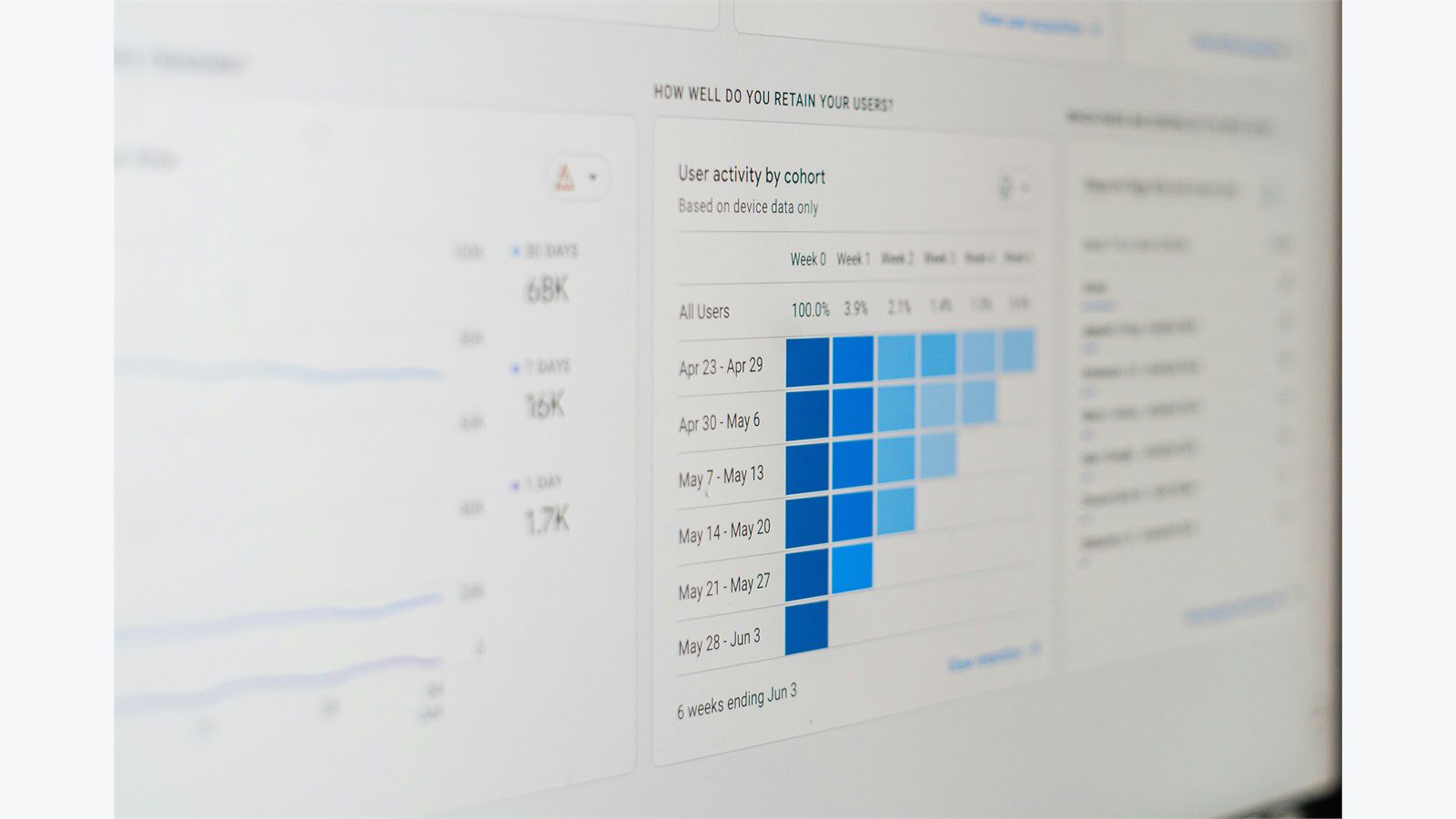
No smart warehouse works if data is trapped in disconnected tools. Smart warehousing needs integration between warehouse management systems, enterprise resource planning, transportation management, order management, IoT platforms, robotics systems, labor systems, and analytics environments.
The architecture should separate event capture from decision logic. Devices and applications publish events. A data layer normalizes those events into consistent objects: item, order, location, asset, task, worker role, exception, and timestamp. AI services then consume trusted data instead of scraping point solutions.
Edge computing can help when latency, resilience, or bandwidth matters. A vision model may run near a conveyor. A robot coordination service may need local failover. A dock sensor may buffer events during network outages. Cloud analytics can still handle forecasting, simulation, and cross-site benchmarking.
Smart warehousing integration should be built with APIs, event streams, monitoring, and fallback procedures. If an AI recommendation service is unavailable, the facility still needs a safe operating mode. Reliability is part of the architecture, not an afterthought.
Win 8: secure devices, data, and operational workflows
Connected warehouses create new risk. Every scanner, sensor, camera, gateway, robot, tablet, and cloud integration expands the attack surface. Smart warehousing must include cybersecurity from the pilot stage.
Start with device identity, secure provisioning, network segmentation, credential rotation, patching, encrypted communication, access control, and asset inventory. NIST’s Cybersecurity for IoT program supports standards, guidelines, and tools to improve cybersecurity for IoT systems and connected products. That mindset applies directly to warehouse devices.
Data governance matters too. Video, worker events, supplier data, customer orders, inventory records, and machine telemetry should have retention rules, role-based access, and audit trails. For cybersecurity teams, the question is not only whether the warehouse is connected. It is who can change instructions, reroute work, disable alerts, or export sensitive data.
Smart warehousing security should include incident response. If a device fleet is compromised, a robotics controller fails, or a sensor network is unavailable, the warehouse needs manual procedures, containment steps, communications, and recovery priorities.
Win 9: launch a practical smart warehousing roadmap

The best roadmap begins with one measurable business problem. Do not start with “add AI” or “install sensors.” Start with a target such as reducing pick errors, cutting forklift search time, lowering overtime, preventing cold-chain excursions, improving dock utilization, or increasing inventory accuracy.
Then define the baseline. How often does the problem happen? What does it cost? Which process step creates it? Which data is missing? Which employees feel the pain? Smart warehousing succeeds when the pilot has a clear operating metric and a clear path to adoption.
A practical roadmap has five phases. First, map the process and data. Second, connect the minimum useful devices or events. Third, integrate with the warehouse system of record. Fourth, add AI recommendations or anomaly detection. Fifth, measure results and decide whether to scale.
Training is part of the roadmap. Associates and supervisors need to understand new devices, alerts, and workflows. If the system recommends task changes, people should know how to challenge or override them. Smart warehousing works when it earns trust on the floor.
Smart warehousing FAQ
What is smart warehousing?
Smart warehousing is the use of connected devices, warehouse software, automation, analytics, and AI to improve real-time visibility, task execution, inventory accuracy, equipment reliability, safety, and fulfillment performance.
How does IoT help warehouses?
IoT helps warehouses capture events from scanners, RFID portals, sensors, cameras, robots, conveyors, and equipment. This data gives teams faster visibility into inventory movement, equipment health, environmental conditions, and workflow exceptions.
How does AI improve warehouse operations?
AI improves warehouse operations by forecasting demand, recommending slotting changes, prioritizing tasks, detecting anomalies, identifying quality issues, predicting equipment failures, and ranking exceptions for supervisors.
Do warehouses need robots to become smart?
No. Robots can help, but smart warehousing can begin with better inventory visibility, mobile workflows, condition monitoring, dashboards, and AI recommendations. The right automation level depends on volume, labor, layout, and service requirements.
What data is needed for smart warehouse projects?
Useful data includes item masters, order history, inventory balances, location maps, scans, RFID reads, equipment telemetry, labor events, carrier cutoffs, returns, quality issues, and exception records. Clean data is more important than simply collecting more data.
What is the biggest implementation mistake?
The biggest mistake is buying technology before defining the process problem. Smart warehousing should start with a measurable operational goal, a baseline, a responsible owner, and a plan for adoption by the people who run the facility.
Smart warehousing is not a single platform or device category. It is a practical operating model for connected fulfillment. Warehouses that combine clean data, useful IoT signals, trustworthy AI, resilient software, and strong change management can move faster without losing control.
If your team wants to modernize warehouse operations, contact Progressive Robot to plan a smart warehousing roadmap that connects IoT, AI, automation, and secure software delivery.