
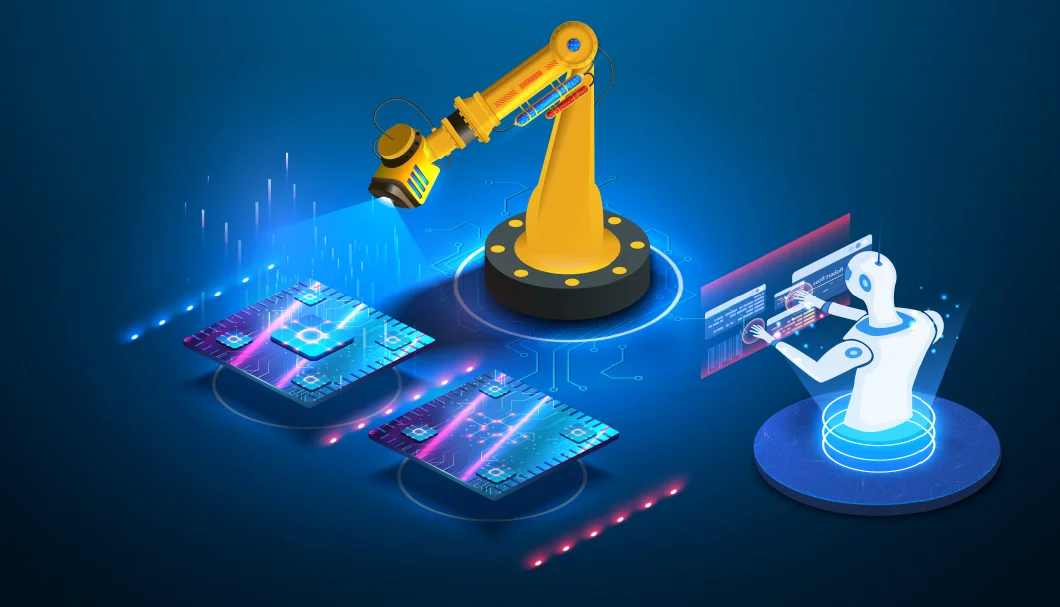
The groundbreaking synergy in the Use of IoT for Smart Manufacturing has transformed conventional manufacturing processes. This comprehensive examination delves into the multifaceted applications of IoT, exploring insights and findings from reputable sources. By incorporating these insights, we aim to provide a thorough understanding of the dynamic and evolving landscape of Smart Manufacturing, where efficiency, connectivity, and innovation converge for the future of industry.
Introduction to IoT for Smart Manufacturing:

So, you’re curious about delving into the world of IoT for Smart Manufacturing, huh? Well, buckle up because it’s a pretty exciting ride! Essentially, IoT (Internet of Things) is all about connecting devices and sensors to the internet to gather and share data. In the manufacturing industry, this means optimising processes, increasing efficiency, and ultimately saving time and money. Imagine being able to track inventory in real-time or monitor equipment remotely – pretty cool stuff, right?
With IoT for Smart Manufacturing, companies can streamline operations, reduce downtime, and even predict maintenance needs before they become a problem. It’s all about harnessing the power of technology to revolutionize the way things are made – sounds like something straight out of a sci-fi movie! But hey, welcome to the future!
Real-Time Production Monitoring:

Real-time production monitoring is like having a constant behind-the-scenes view of a manufacturing operation, keeping track of every step in the process as it happens. It’s kind of like having your own personal surveillance system for your production line! With real-time monitoring, you can see up-to-the-minute data on machine performance, production rates, and any potential bottlenecks or issues that may arise.
This allows you to make quick decisions and adjustments as needed to keep everything running smoothly and efficiently. Plus, with all this valuable data at your fingertips, you can analyse trends over time and make informed decisions about how to optimise your production processes for even better results in the future. In short, real-time production monitoring is like having a superpower that helps you keep everything in check and ensure that your operation is running at its very best!
Predictive Maintenance with IoT:

Have you ever heard of predictive maintenance with IoT? It’s basically a game-changer in the world of maintenance because it uses data from sensors and devices connected to the Internet of Things (IoT) to predict when equipment is likely to fail. This means companies can fix issues before they even happen, saving time and money on costly repairs and downtime.
By analysing this real-time data, businesses can optimise their maintenance schedules, increase overall efficiency, and ultimately keep their operations running smoothly. Plus, it helps extend the lifespan of equipment by catching problems early on. It’s a win-win situation for everyone involved – less stress for companies and better performance for their machines. Talk about a smart solution!
Supply Chain Optimisation:

Have you ever wondered how your favourite products magically arrive on store shelves right when you need them? Well, it’s all thanks to supply chain optimisation using IoT technology! By implementing Internet of Things devices, like sensors and trackers, companies can track their inventory in real time, monitor transportation conditions, and predict potential disruptions before they even happen.
This not only streamlines the entire supply chain process but can also improve efficiency and reduce costs. Plus, with the ability to gather data from every step of the supply chain, businesses can make smarter decisions and ultimately provide customers with better products faster. So next time you grab that must-have item off the shelf, just remember that IoT technology played a crucial role in getting it there!
Quality Control and Assurance:
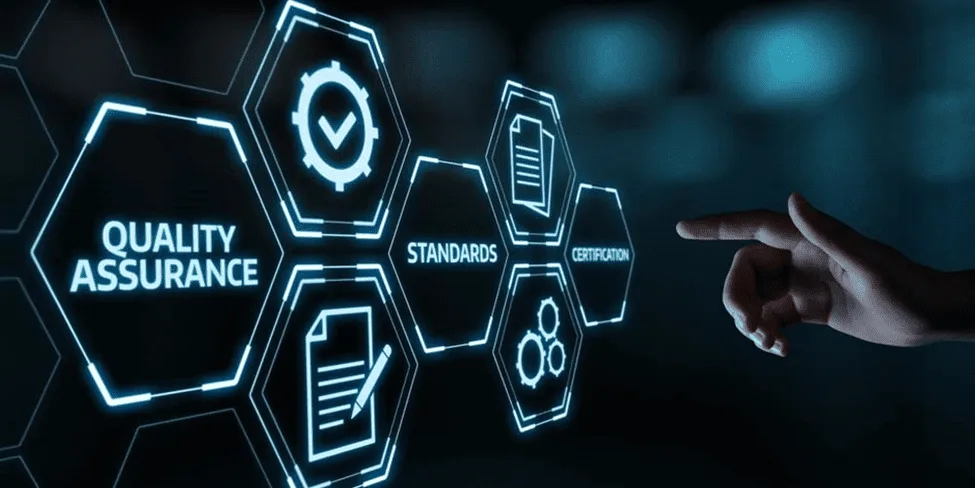
So, first things first, let’s talk about Quality Control and Assurance in the realm of Internet of Things (IoT). Basically, it’s all about making sure that the devices connected to the internet are working as they should be. Think about it like this – you wouldn’t want your smart thermostat suddenly deciding to blast out heat in the middle of summer, right? That’s where QC and QA come in handy.
By testing and monitoring these IoT devices throughout their lifespan, companies can ensure they’re delivering a seamless experience for users. Plus, with so many different types of IoT gadgets out there, from smart light bulbs to fitness trackers, it’s crucial to have strong quality control measures in place to uphold consumer trust and keep things running smoothly. So yeah, next time you adjust your home’s temperature with a swipe on your phone, just know that there are teams behind the scenes working hard to make sure it all goes off without a hitch.
Energy Management and Efficiency:
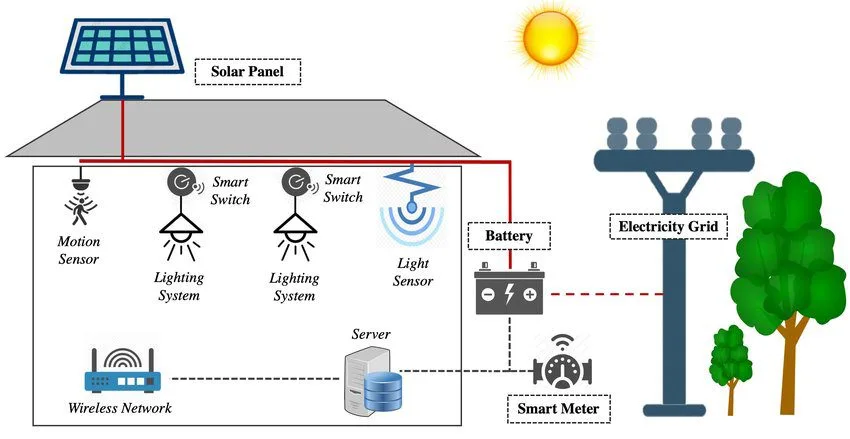
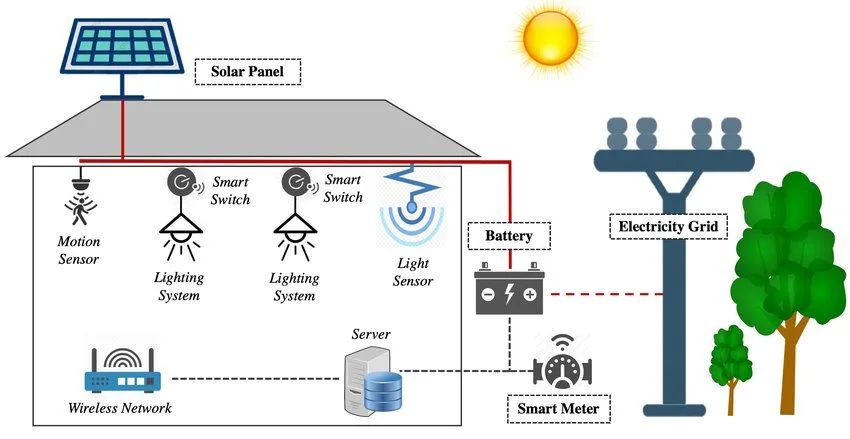
In the world of smart manufacturing, energy management and efficiency play a crucial role in optimising operations and reducing costs. With the help of IoT technology, manufacturers can now monitor and control energy usage in real-time, allowing them to identify areas of improvement and implement strategies to minimise waste.
By collecting data from sensors placed throughout the production facility, companies can analyse energy consumption patterns and make informed decisions to increase efficiency. This not only helps reduce electricity bills but also contributes to a more sustainable production process.
Overall, integrating IoT for energy management in smart manufacturing is a game-changer that enables businesses to save money, conserve resources, and operate more sustainably in today’s competitive industry landscape.
Collaborative Robotics and IoT:
Smart Warehousing and Inventory Management:

Collaborative Robotics and IoT are totally changing the game when it comes to smart manufacturing. Basically, these technologies work together to create more efficient and streamlined processes in the manufacturing industry. With IoT, sensors are placed on equipment and machinery to collect real-time data on performance and production levels. This data is then analysed to optimise operations and reduce downtime.
Collaborative robots, on the other hand, work alongside human workers to increase productivity and enhance precision in tasks that may be too dangerous or difficult for humans alone. By combining these two technologies, manufacturers can revolutionize their processes and stay ahead of the competition. It’s like having a super-smart team of robots and machines helping you out every step of the way!
IoT extends its influence to warehouse and inventory management in Smart Manufacturing. Sensors monitor inventory levels, track product movement, and optimise warehouse processes. This real-time visibility enhances inventory accuracy, reduces carrying costs, and streamlines order fulfillment.
Challenges and Solutions in IoT Adoption:

In the realm of smart manufacturing, one of the biggest challenges in adopting IoT technologies is ensuring seamless integration with existing systems and operations. Many manufacturers face issues with legacy equipment that may not be compatible with new IoT solutions, leading to costly updates and downtime. Additionally, concerns around data security and privacy are paramount, as sensitive information collected by connected devices must be protected from cyber threats.
To address these challenges, companies can invest in robust cybersecurity measures and seek out IoT platforms that prioritise interoperability and data integrity. Collaborating with experienced IoT solution providers can also streamline implementation processes and provide valuable insights on how to optimise IoT deployments for improved efficiency and productivity in smart manufacturing environments.
Future Trends and Innovations:

The future of manufacturing is looking pretty smart with the rise of IoT technology. Imagine a factory where all the machines and equipment are interconnected, constantly sharing data and communicating with one another to optimise production processes. This is the reality of smart manufacturing, where IoT sensors monitor everything from machine performance to inventory levels in real time.
These sensors can predict maintenance needs before problems arise, improving efficiency and reducing downtime. With IoT, manufacturers can also track and analyse data to identify trends and make informed decisions about how to improve operations. From predictive maintenance to resource optimisation, IoT is revolutionizing the way we manufacture goods, making production smarter and more efficient than ever before.
The possibilities are endless when it comes to integrating IoT into manufacturing processes, paving the way for a more connected and streamlined future.
Conclusion:
In conclusion, the examination of IoT for Smart Manufacturing reveals a transformative journey. From real-time production monitoring to collaborative robotics, energy efficiency, and future innovations, IoT is reshaping every facet of the manufacturing landscape. Challenges exist, but with ongoing research, collaborative efforts, and innovative solutions, the widespread adoption of IoT in manufacturing is inevitable.
As we look to the future, the amalgamation of technology and manufacturing promises not only increased efficiency and productivity but also a sustainable and resilient future for global industries. This exploration provides a comprehensive overview of the current landscape, future trends, and the profound impact that IoT is making in the realm of Smart Manufacturing.
Also read our blog on Investigating the Potential of IoT for Smart Agriculture