
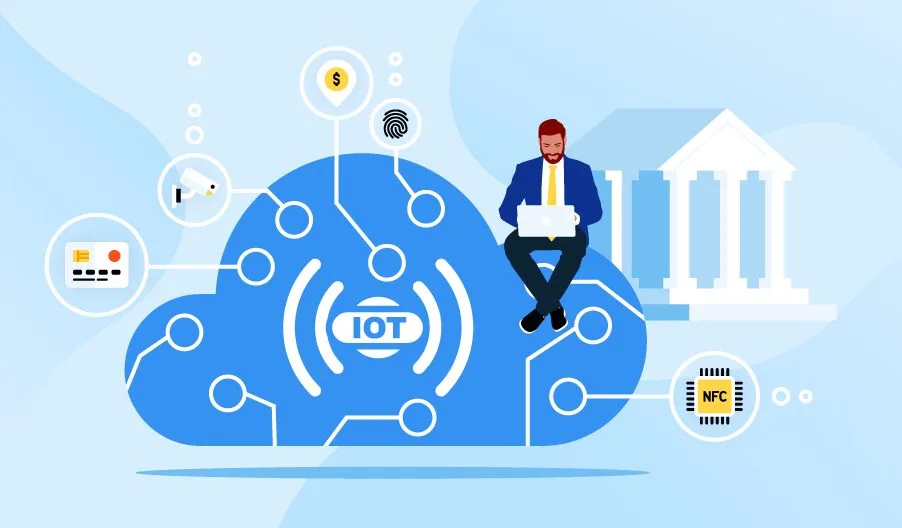
The intertwining of the Internet of Things (IoT) with healthcare is paving the way for unprecedented advancements in patient care and management. This comprehensive exploration delves into the multifaceted applications of IoT for Smart Healthcare Solutions. Throughout this in-depth investigation, insights and findings from reputable sources will be incorporated to provide a thorough understanding of how IoT is reshaping the healthcare landscape.
The Evolution IoT for Smart Healthcare Solutions:

The evolution of IoT for smart healthcare solutions has completely transformed the way medical professionals provide care to patients. With the integration of advanced technology like wearable devices, smart sensors, and real-time monitoring systems, healthcare providers now have access to a wealth of valuable data that allows for more personalised and efficient patient care.
From remote patient monitoring to medication adherence tracking, IoT devices have revolutionized healthcare by allowing for continuous and proactive management of chronic conditions. This not only improves patient outcomes but also reduces the burden on hospitals and healthcare facilities. With the constant innovation in IoT technology, we can expect even more exciting advancements in smart healthcare solutions in the near future.
IoT-Enabled Patient Monitoring:
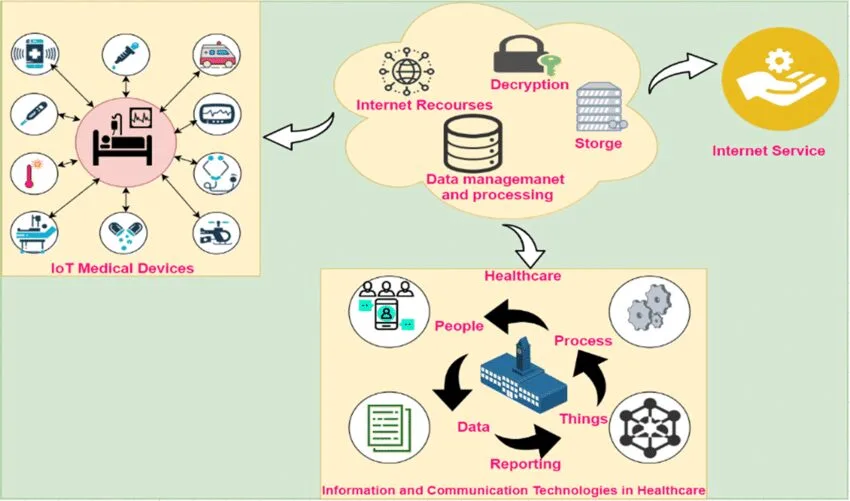
IoT-enabled patient monitoring is revolutionizing the way healthcare providers care for their patients. By utilising interconnected devices and sensors, doctors and nurses can remotely monitor a patient’s vital signs, medication adherence, and overall health status in real-time. This technology not only allows for more proactive and personalised care but also enables patients to receive treatment in the comfort of their own homes.
With continuous monitoring and data analysis, healthcare professionals can detect potential issues early on, leading to faster interventions and improved patient outcomes. Additionally, IoT-enabled patient monitoring systems can help reduce hospital readmissions and healthcare costs by preventing medical complications before they escalate. Overall, this innovative approach to healthcare represents a significant advancement in remote patient care that is benefiting both patients and providers alike.
Remote Healthcare Services:

Remote healthcare services, also known as telemedicine, have become increasingly popular in recent years due to advancements in technology. This convenient option allows patients to receive medical care from the comfort of their own homes, reducing the need for in-person appointments and potentially lowering healthcare costs. With just a computer or smartphone and an internet connection, individuals can consult with healthcare providers, discuss symptoms, receive medical advice, and even get prescriptions filled.
Remote healthcare services are especially beneficial for those who live in rural areas with limited access to medical facilities or for patients with mobility issues. While it may not completely replace traditional doctor visits, remote healthcare services offer a convenient and efficient way for people to receive necessary medical care without having to leave their homes.
IoT in Medication Management:

The use of Internet of Things (IoT) in medication management is revolutionizing the healthcare industry by providing patients with more control over their treatment regimens. From smart pill bottles that remind users when to take their medication to wearable devices that track medication adherence and dosing schedules, IoT technology is making it easier for individuals to stay on top of their medications.
Not only does this result in improved patient outcomes and quality of life, but it also helps reduce healthcare costs associated with non-adherence or incorrect dosing. Additionally, healthcare providers can more easily monitor patient compliance and make adjustments to treatment plans as needed. Overall, IoT in medication management is a game-changer that is transforming how we approach healthcare and ensuring better health outcomes for all.
Enhancing Diagnostics with IoT:
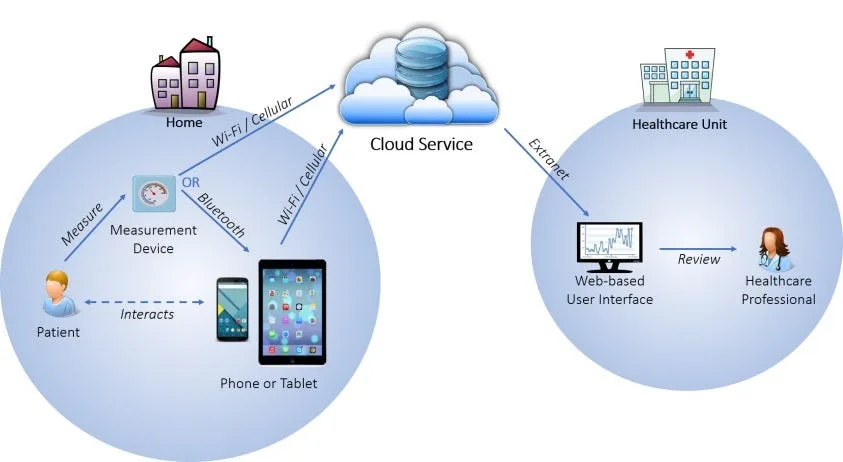
Hey there! So, have you heard about using IoT to enhance diagnostics in healthcare? It’s pretty cool stuff. Basically, with the power of Internet of Things (IoT) technology, medical devices can collect real-time data and send it to doctors instantly for analysis. This allows for quicker and more accurate diagnosis of patients’ health conditions. Imagine a wearable device monitoring your heart rate or blood sugar levels and sending alerts to your doctor if something seems off – pretty amazing, right?
Not only does this improve patient care, but it also helps healthcare professionals make more informed decisions when it comes to treatment plans. Overall, leveraging IoT in diagnostics is revolutionizing the way we approach healthcare and ultimately leading to better outcomes for patients.
IoT for Elderly Care:
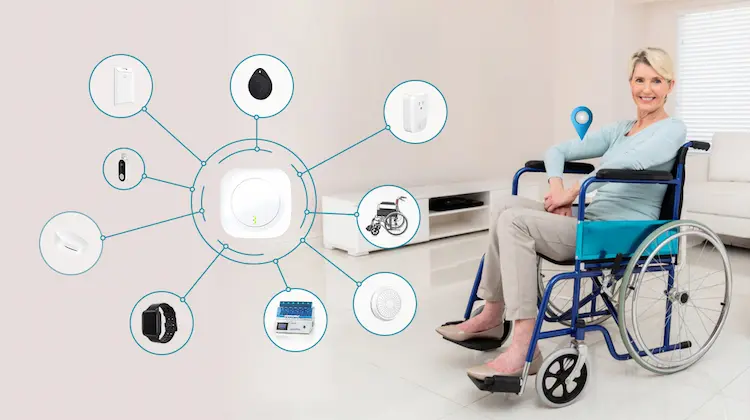
IoT for elderly care is all about using smart technology to help seniors live more comfortably and independently. Think of it like having a virtual caregiver that keeps an eye on their well-being 24/7. With devices like smart sensors, wearable gadgets, and smart home automation systems, you can monitor their health, track medication schedules, detect falls or emergencies, and even adjust the thermostat or lights remotely.
This not only provides peace of mind for caregivers but also allows seniors to maintain their dignity and freedom in their own homes for longer. Plus, with the ability to connect with loved ones or healthcare providers through video calls or alerts, it helps prevent isolation and ensures help is always at hand when needed. It’s like having a personal assistant that looks out for your loved ones – technology truly is changing the game when it comes to caring for our elderly population!
Data Security and Privacy in Smart Healthcare:
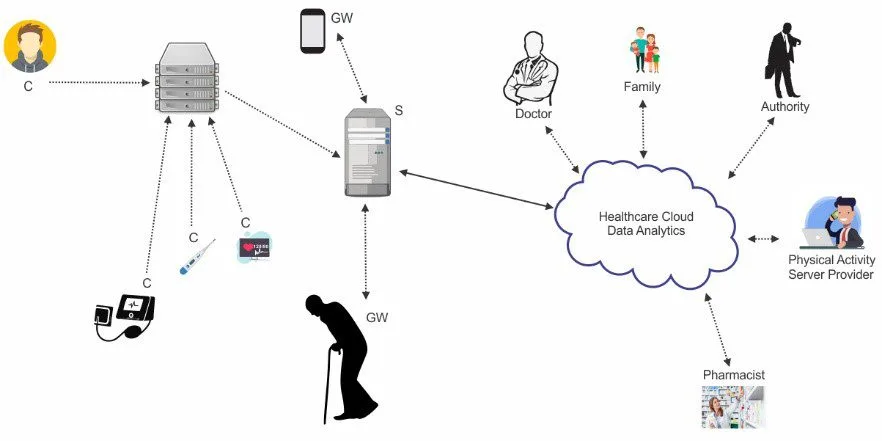
Data security and privacy in smart healthcare is a critical aspect that cannot be understated. With the advancements in technology, our personal health information is increasingly being stored online and shared among various healthcare providers. This brings up concerns about who has access to this data and how it is being protected from unauthorized access. It’s important for healthcare organisations to invest in robust cybersecurity measures to ensure that patients’ sensitive information remains confidential and secure.
Additionally, individuals should also take steps to safeguard their own data by using strong passwords, being cautious about sharing personal information online, and keeping software up to date. By prioritising data security and privacy in smart healthcare, we can all work towards ensuring a safe and secure digital environment for our medical records and information.
IoT-Driven Healthcare Analytics:
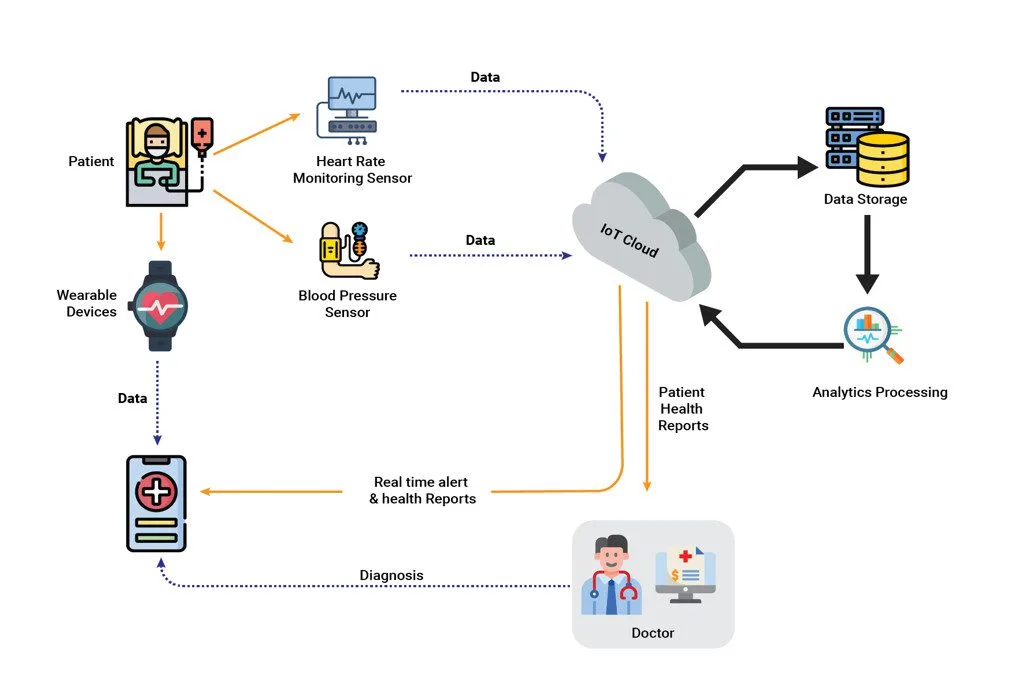
Imagine a world where your healthcare provider can monitor your health in real-time, spot potential issues before they become serious, and tailor treatments specifically to your needs. That’s the power of IoT-driven healthcare analytics. By collecting data from wearable devices, sensors, and other connected technology, healthcare professionals can gain unprecedented insights into their patients’ health patterns and behaviours. This not only allows for more personalised care but also enables proactive interventions that can improve outcomes and reduce costs.
From monitoring chronic conditions to tracking medication adherence, IoT-driven healthcare analytics is revolutionizing the way we approach wellness and disease management. It’s like having a virtual health coach by your side 24/7, guiding you towards optimal health and well-being.
Emerging Trends and Innovations:
One emerging trend in the world of innovation is the rise of artificial intelligence (AI) and machine learning. These technologies are being increasingly integrated into various industries, from healthcare to finance, to improve efficiency and decision-making processes. Another burgeoning trend is the shift towards sustainable practices and eco-friendly solutions. Companies are investing in renewable energy sources, reducing waste production, and designing products with a focus on environmental impact.
Additionally, the rise of remote work and virtual collaboration tools has become a prevalent innovation in response to the global pandemic. As more organisations adapt to this new way of working, we can expect further innovations in technology to support remote communication and productivity. Overall, these emerging trends signal a shift towards a more interconnected, sustainable, and efficient future driven by cutting-edge technology and forward-thinking strategies.
Global Impact of IoT in Healthcare:

The global impact of IoT in healthcare is truly revolutionary. Through the use of interconnected devices and sensors, healthcare professionals can now monitor patients remotely, track vital signs in real-time, and streamline processes to provide more efficient and accurate care. This technology has not only improved patient outcomes but has also reduced costs for both providers and patients. From wearable fitness trackers to smart medical devices, IoT has paved the way for personalised medicine and telemedicine services that are accessible to a wider range of individuals.
Additionally, data collected from these devices can be analysed to identify trends and patterns, ultimately leading to better preventive care strategies and early intervention methods. Overall, the integration of IoT in healthcare has transformed the industry by promoting proactive wellness management and empowering patients to take control of their health like never before.
Conclusion:
In conclusion, this investigation into the potential of IoT for Smart Healthcare Solutions highlights a transformative journey. From patient monitoring to remote services, diagnostics, elderly care, and beyond, IoT is revolutionizing healthcare. Challenges like data security are being addressed, and emerging trends promise further innovations. As healthcare continues to embrace the digital era, the synergy between IoT and healthcare is poised to redefine the standards of patient care, making it more personalised, accessible, and efficient. This exploration provides a comprehensive overview, backed by insights and findings, of the dynamic landscape where IoT shapes the future of Smart Healthcare Solutions.