

IoT sensors for predictive maintenance help maintenance teams move from calendar-based repairs to condition-based action. Instead of waiting for a motor, pump, compressor, conveyor, CNC spindle, fan, or gearbox to fail, teams collect machine signals that show when performance is drifting away from normal behavior.
The business value is simple: fewer surprise breakdowns, better spare-part planning, safer inspections, longer asset life, and less wasted maintenance. The technical work is less simple. A successful program needs the right assets, sensor choices, data quality, edge architecture, analytics, cybersecurity, maintenance workflow integration, and operator trust.
IoT sensors for predictive maintenance are most effective when every signal is tied to a known machine risk, owner, and repair decision.
For companies investing in IoT, automation, artificial intelligence, cloud computing services, and cyber security services, IoT sensors for predictive maintenance should start with reliability outcomes rather than devices. The goal is not to instrument everything. The goal is to prevent the failures that cost the most.
| Maintenance challenge | Sensor signal | Predictive use | Business outcome |
|---|---|---|---|
| Bearing wear | vibration and acoustic data | detect abnormal patterns | fewer catastrophic failures |
| Overheating | temperature and thermal data | catch airflow or friction issues | safer operation |
| Motor stress | current and power data | find overload or imbalance | better energy and uptime |
| Hydraulic issues | pressure and flow data | identify leaks or blockage | faster repair planning |
| Lubrication risk | oil quality and particle data | flag contamination or wear | longer equipment life |
| Runtime variation | cycles and operating hours | schedule work by usage | less unnecessary maintenance |
IoT sensors for predictive maintenance at a glance
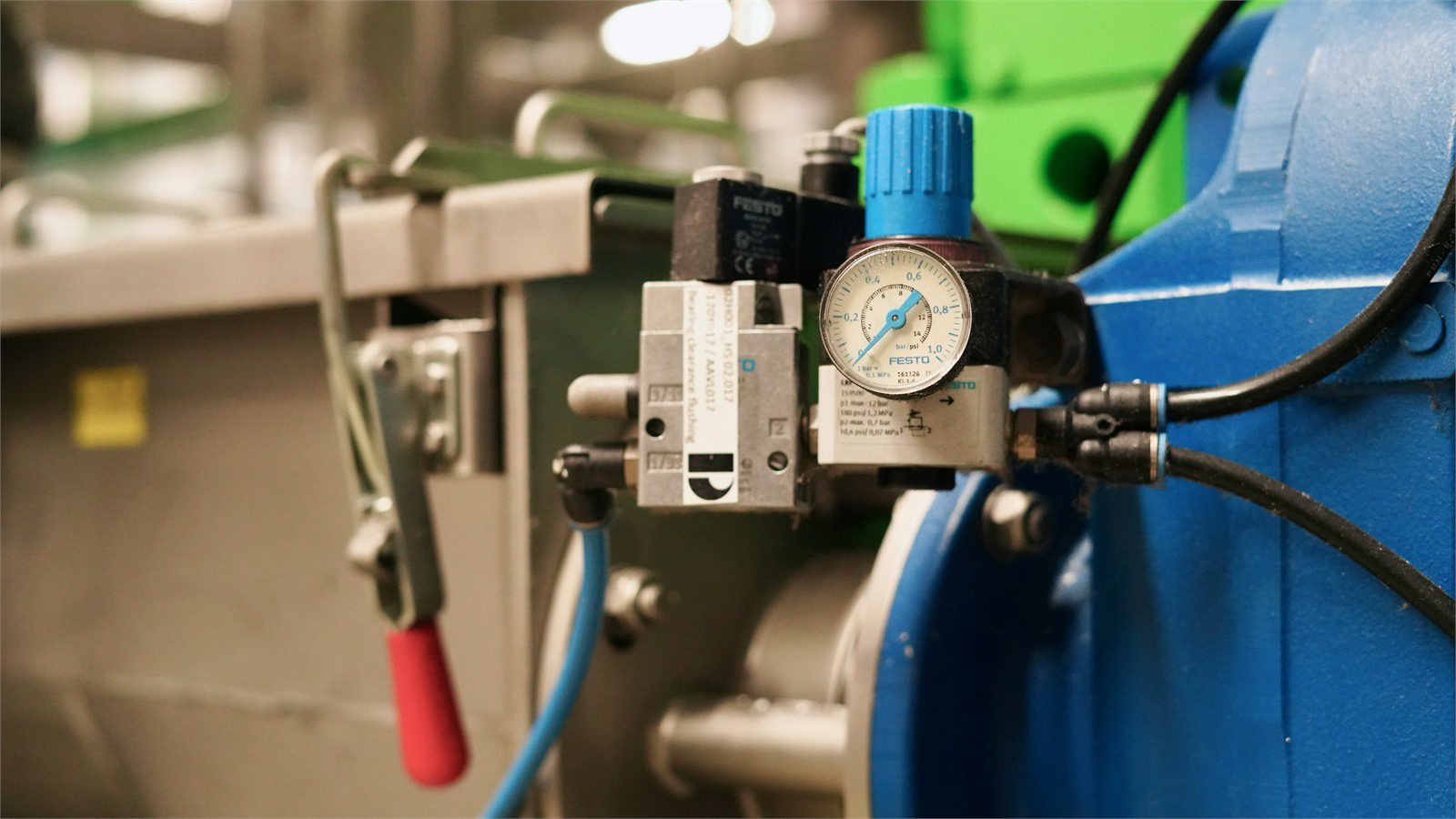
IoT sensors for predictive maintenance collect equipment signals over time and send them to software that can identify patterns, anomalies, and failure risk. The signals may come from new wireless sensors, existing PLCs, SCADA systems, industrial gateways, smart meters, cameras, thermal devices, or handheld inspection tools.
This approach differs from reactive maintenance, where teams repair after failure, and preventive maintenance, where teams follow fixed schedules. Predictive maintenance uses current condition, history, and analytics to decide when a machine needs attention. IBM’s predictive maintenance overview explains that predictive maintenance builds on condition monitoring and uses IoT, predictive analytics, and AI to detect and anticipate equipment issues.
The best deployments combine engineering knowledge with data science. A vibration model may detect a pattern, but a maintenance technician knows whether that pattern fits bearing wear, misalignment, looseness, cavitation, imbalance, or normal process variation. IoT sensors for predictive maintenance work best when machines, data, and people improve each other.
Industrial platforms also need context. The AWS IoT SiteWise documentation describes industrial data workflows that ingest equipment data, model assets, calculate metrics, visualize operations, and support alarms or predictions. That architecture is useful because raw sensor values only become valuable when linked to an asset, location, process, and maintenance workflow.
Step 1: choose assets where downtime hurts most
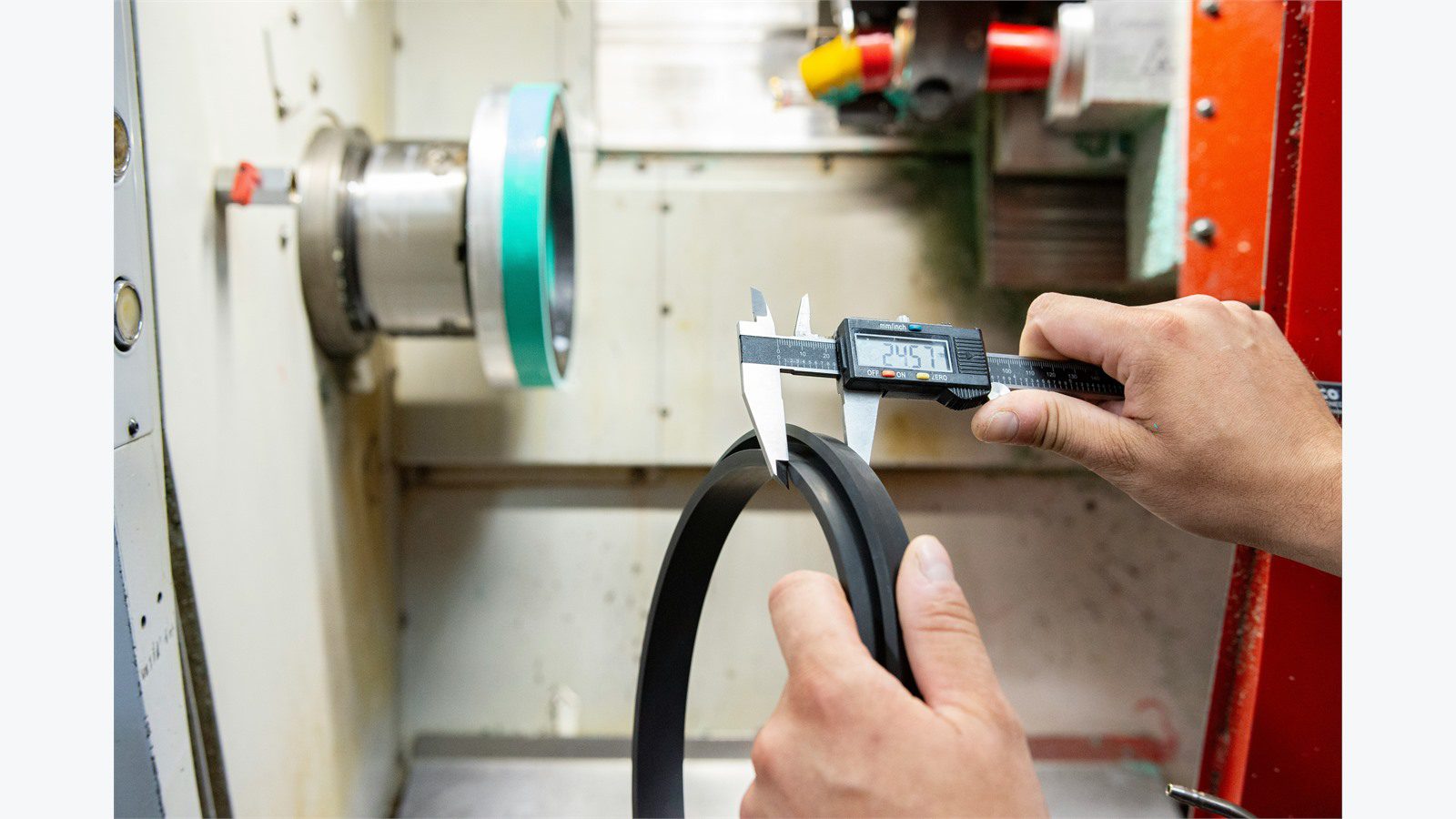
The first mistake is starting with the easiest sensor instead of the most valuable asset. IoT sensors for predictive maintenance should begin with a ranked asset list. Which machines stop production? Which failures affect safety? Which repairs require expensive parts? Which assets are hard to inspect? Which breakdowns trigger overtime, scrap, late shipments, or customer penalties?
A simple criticality score helps teams prioritize. Include downtime cost per hour, failure frequency, repair duration, safety impact, part lead time, quality impact, and replacement cost. A low-cost fan with no production impact may not justify advanced analytics. A bottleneck compressor or line-side robot may justify multiple sensors and a deeper model.
Start with a pilot group of similar machines when possible. Ten comparable pumps, motors, or conveyors create better learning conditions than one unique asset. Similar assets make it easier to compare signals, understand baselines, and detect outliers.
The output should be a short pilot backlog: asset name, location, failure modes, current maintenance strategy, downtime impact, available data, missing data, owner, and success metric. That keeps the project tied to machine maintenance value from the beginning.
This is where IoT sensors for predictive maintenance become a reliability investment rather than an instrumentation experiment.
Step 2: match sensor types to failure modes
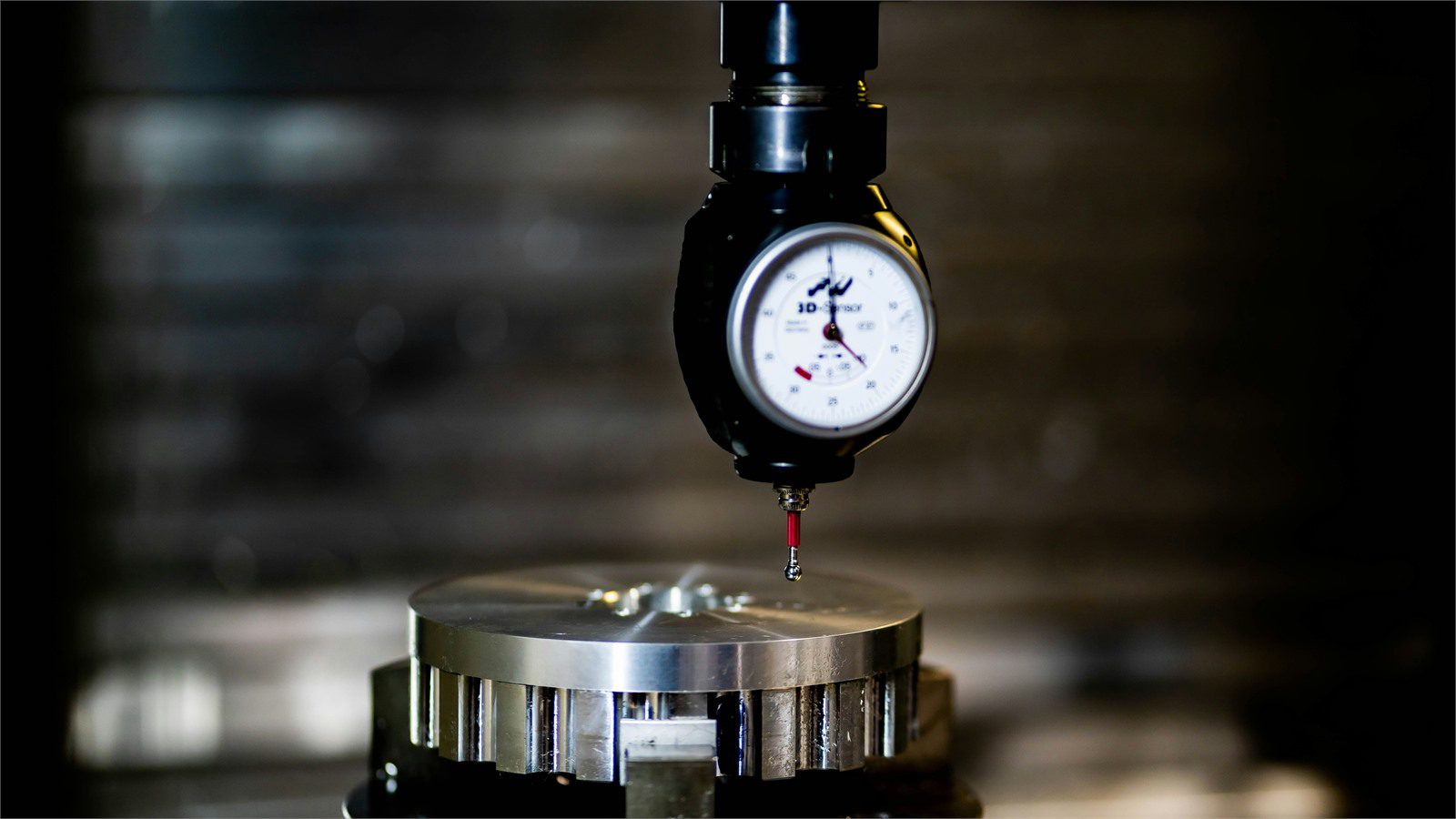
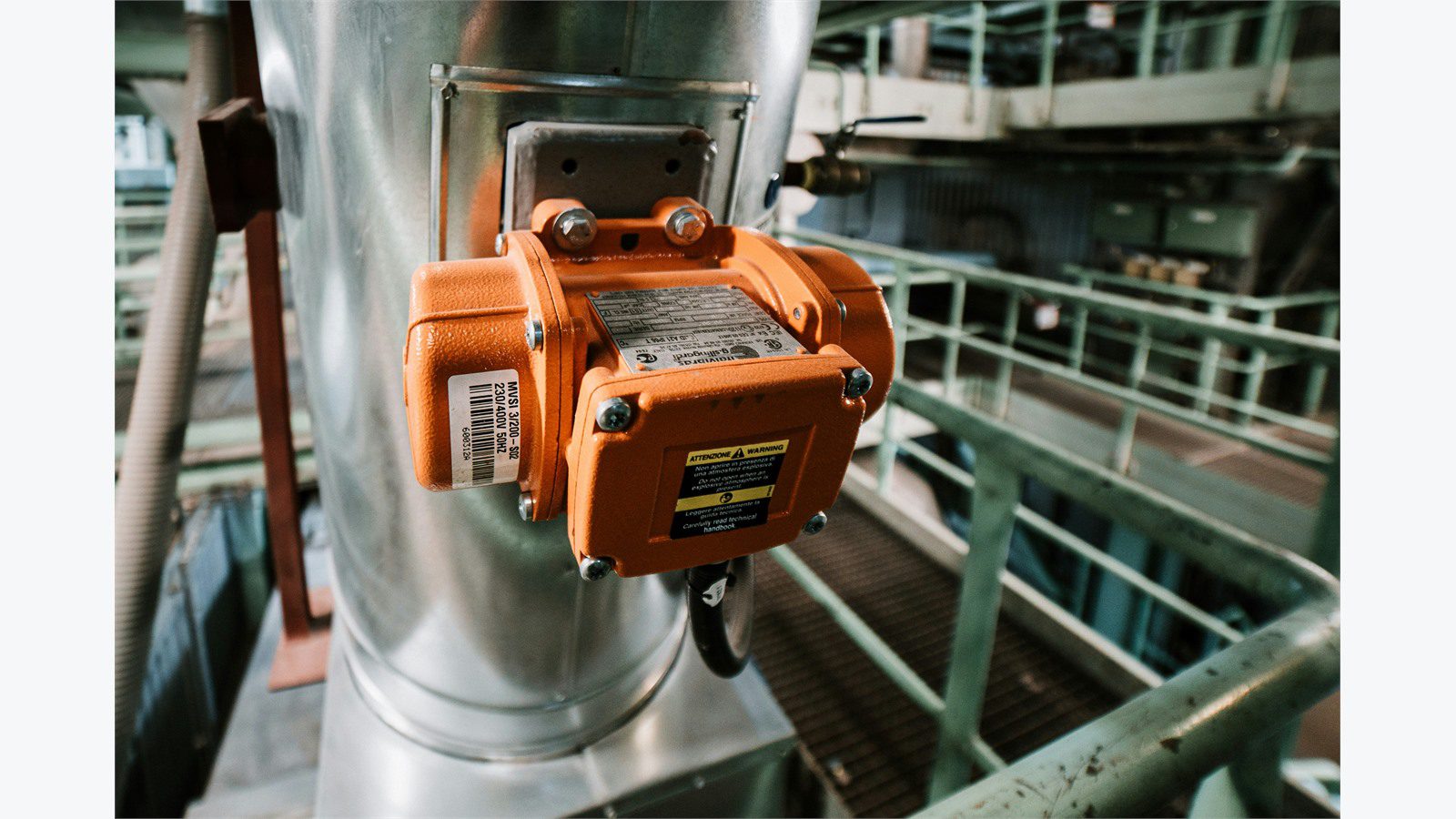
Sensors should match how the machine fails. Vibration sensors are useful for rotating equipment such as motors, pumps, fans, gearboxes, and bearings. Temperature sensors can reveal overheating, friction, lubrication problems, blocked airflow, or electrical stress. Current sensors can show motor load, imbalance, jam conditions, or abnormal duty cycles.
Other signals may matter more for specific assets. Pressure and flow sensors help with hydraulic systems, pneumatic systems, pumps, compressors, and filters. Acoustic sensors can identify leaks, cavitation, or ultrasonic defects. Oil analysis can reveal contamination, particle counts, viscosity change, and wear metals. Proximity, position, speed, humidity, voltage, and runtime signals can also be useful.
IoT sensors for predictive maintenance should not create data just because it is easy to collect. Each signal needs a reason. Ask what failure mode the signal supports, what threshold or model will use it, how frequently it must be sampled, and what action the team will take if the signal changes.
Sampling rate matters. A vibration sensor may need high-frequency data for meaningful analysis, while ambient temperature may not. Battery life, mounting method, calibration, enclosure rating, wireless range, hazardous-area requirements, and machine accessibility all affect the final sensor choice.
When teams choose IoT sensors for predictive maintenance by failure mode, the resulting data is easier to trust and act on.
Step 3: design edge connectivity and data flow
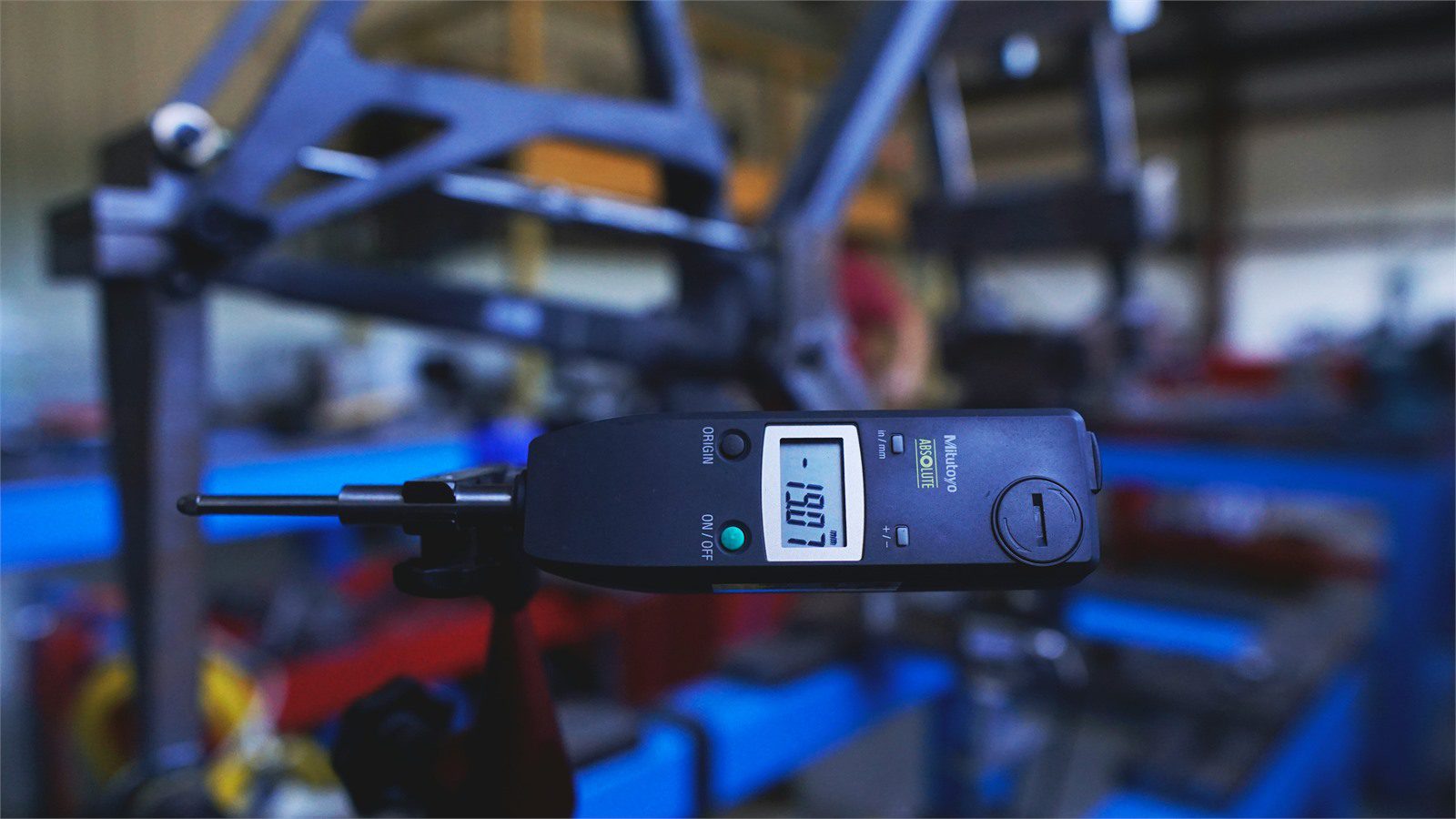
Industrial environments are noisy, distributed, and sometimes offline. That makes connectivity design a core part of the deployment. IoT sensors for predictive maintenance may use wired Ethernet, Wi-Fi, private cellular, LoRaWAN, Bluetooth gateways, industrial protocols, or direct PLC connections depending on the site.
Edge gateways often reduce risk. They can collect sensor readings, normalize formats, buffer data during outages, run local rules, filter noise, and send only useful events to cloud systems. Edge processing is especially useful when plants have limited connectivity, privacy constraints, high data volume, or low-latency alerting needs.
Data flow should be documented before installation. A clear diagram should show sensor, gateway, network, broker, time-series database, analytics layer, dashboard, alert route, and maintenance system. It should also show who owns each step and how failures are detected.
Do not ignore timestamps. Predictive models need consistent time. Gateways, PLCs, historians, and cloud services should use synchronized clocks. Poor time alignment can make vibration, temperature, load, and process events look unrelated even when they are part of the same failure pattern.
Reliable timestamps make IoT sensors for predictive maintenance more useful when diagnosing fast-moving machine events.
Step 4: create clean asset models and baselines
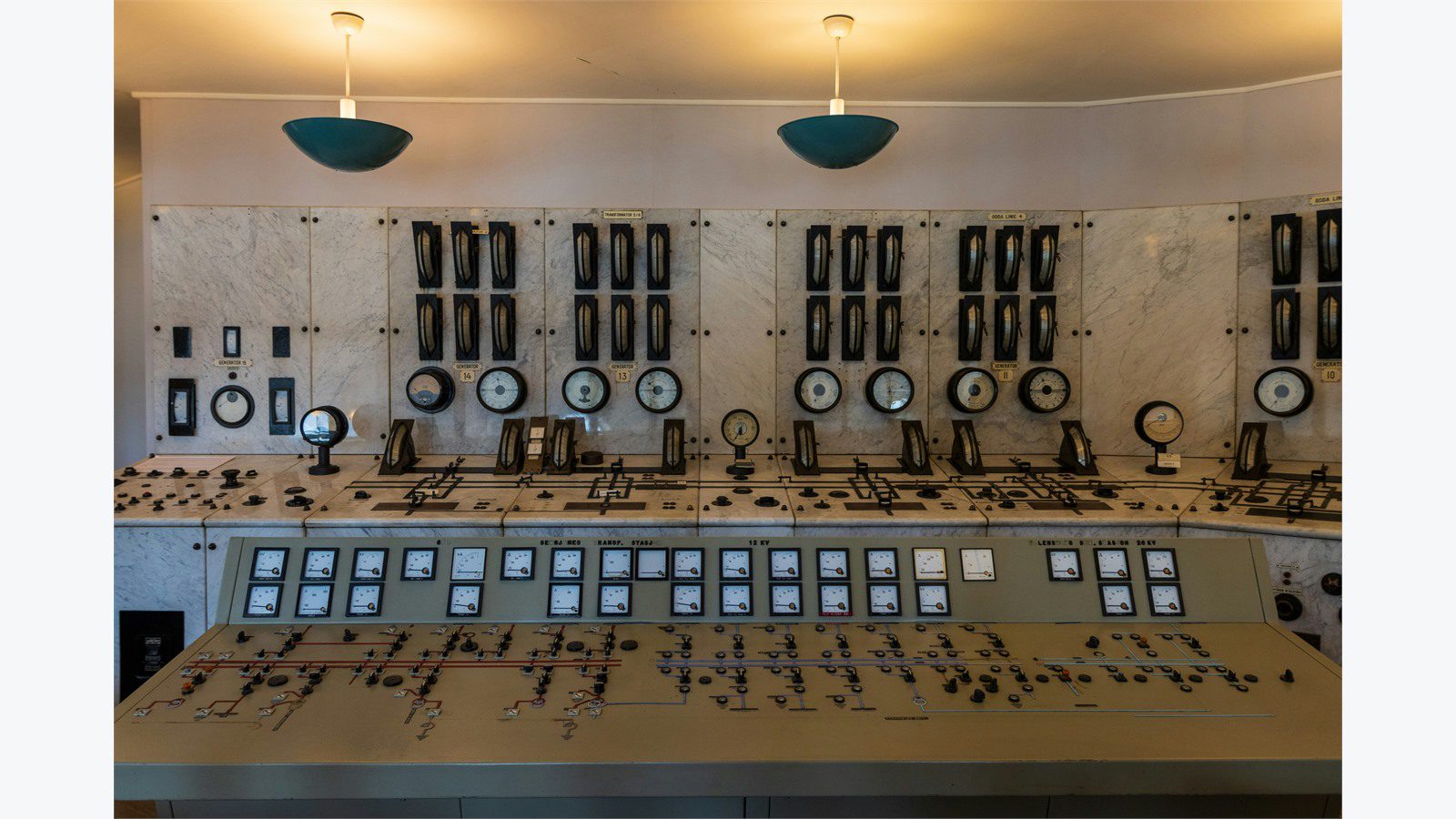
Sensor data needs asset context. A reading of 78 degrees, 4.2 millimeters per second, or 18 amps is not useful unless the system knows which asset produced it, where that asset operates, what normal looks like, and which operating mode was active.
Asset models should include facility, line, machine, component, sensor, process state, manufacturer, model number, install date, maintenance history, operating envelope, and failure modes. For large sites, standard naming rules are essential. Without consistent naming, dashboards and models become difficult to trust.
Baselines are equally important. IoT sensors for predictive maintenance need enough normal operating data to understand expected variation. A pump may behave differently at startup, during load changes, during cleaning cycles, or after a product changeover. Models should separate true faults from normal operating states.
Historical maintenance records can improve the baseline, but they are often messy. Work orders may use inconsistent codes, vague notes, missing part details, or delayed timestamps. Cleaning that data is usually part of the project, not an optional extra.
Clean baselines help IoT sensors for predictive maintenance separate meaningful drift from normal production variation.
Step 5: turn signals into alerts and predictions

A good alert is actionable. It should tell the maintenance team what changed, which asset is affected, why it matters, how urgent it is, and what inspection or repair step comes next. A bad alert only says that a sensor crossed a threshold.
Start with simple rules where they are reliable. A high temperature threshold, abnormal current draw, missing heartbeat, pressure drop, or vibration limit may be enough for early wins. Then add anomaly detection and predictive models as the data set grows.
IoT sensors for predictive maintenance can support several analytics levels. Descriptive analytics show what happened. Diagnostic analytics suggest why it happened. Predictive analytics estimate what may happen next. Prescriptive analytics recommend what to do, when to do it, and what parts or labor are needed.
Alert fatigue is a real risk. If technicians receive too many false positives, they will ignore the system. Every alert should have severity, suppression logic, escalation rules, and feedback. When a technician confirms or rejects an alert, that feedback should improve future predictions.
Well-designed alerts make IoT sensors for predictive maintenance practical for daily maintenance planning.
Step 6: integrate maintenance workflows and CMMS
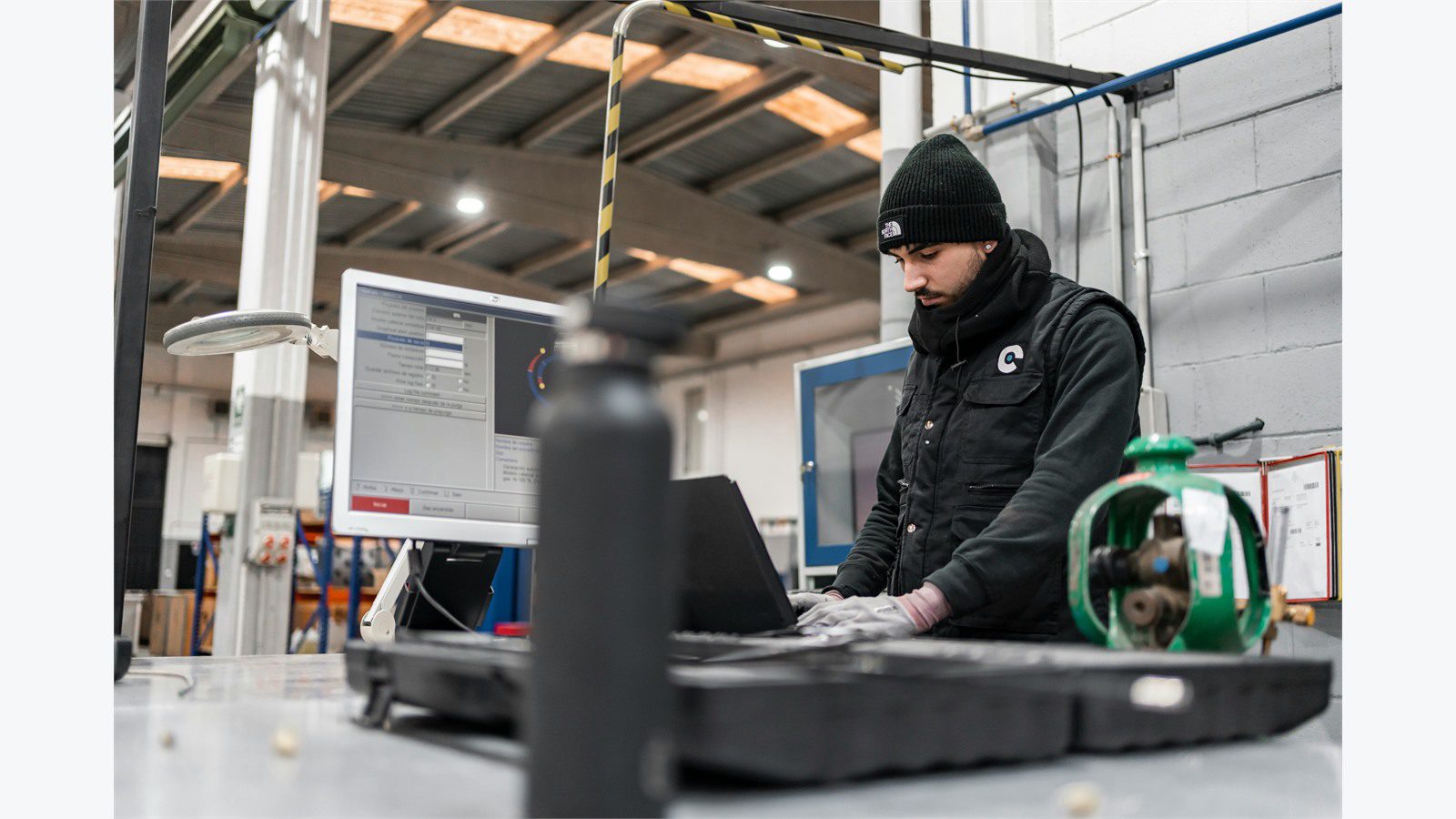
Predictive insight has limited value if it stays on a dashboard. IoT sensors for predictive maintenance should connect to the maintenance workflow. When risk is high enough, the system should help create an inspection, work order, spare-part request, or planned outage task.
Integration with a computerized maintenance management system or enterprise asset management platform helps teams close the loop. The CMMS should receive asset ID, failure mode, evidence, recommended action, urgency, parts, labor skill, and related sensor trends. The maintenance team should return status, findings, parts used, and root cause.
This closed loop separates a useful program from a science project. If the system predicts a bearing issue and the technician confirms early wear, the model becomes more credible. If the technician finds no issue, the system needs to learn from that too.
Workflow design should include planners, technicians, reliability engineers, operations leaders, and IT. A predictive alert may require a controlled production pause, permit, lockout/tagout step, inventory check, vendor support, or operator handoff. The technology must fit the real maintenance process.
IoT sensors for predictive maintenance create value only when their warnings trigger timely inspection and repair actions.
Step 7: secure devices, networks, and data
Industrial IoT expands the attack surface. Sensors, gateways, wireless networks, APIs, cloud services, dashboards, and maintenance integrations all need security controls. IoT sensors for predictive maintenance should be treated as operational technology, not casual office devices.
Security basics include device identity, secure provisioning, encrypted communication, strong authentication, network segmentation, least-privilege access, firmware update controls, logging, backup configuration, and vendor risk review. Remote access should be tightly governed and monitored.
Plants should also define data ownership. Sensor readings may reveal production volume, process recipes, equipment utilization, quality issues, or customer demand. Access rules should separate operators, technicians, engineers, vendors, and executives based on need.
Cybersecurity cannot be added at the end. It affects device selection, gateway architecture, network design, cloud integration, dashboard access, and support contracts. A secure deployment protects uptime instead of creating a new reliability risk.
Security planning keeps IoT sensors for predictive maintenance from becoming another path to operational disruption.
Step 8: prove ROI before scaling plantwide

The business case should be measured before the rollout expands. IoT sensors for predictive maintenance can reduce downtime, but the size of the benefit depends on asset criticality, failure frequency, repair cost, and how quickly teams act on warnings.
Pilot metrics should include avoided downtime, alert accuracy, mean time between failures, mean time to repair, planned-versus-unplanned work ratio, spare-part availability, emergency labor, scrap reduction, energy change, and technician adoption. Measure baseline performance before the sensors go live.
ROI should include implementation cost too. Count sensors, gateways, installation labor, network upgrades, analytics platform fees, cloud storage, integration work, cybersecurity review, training, and maintenance of the monitoring system itself. A pilot that ignores operating cost may look better than it is.
Scale only after the pilot proves that alerts change decisions. If the team receives predictions but still waits for breakdowns, the issue is not the model. It may be workflow, trust, staffing, parts availability, or leadership discipline.
Measured ROI helps leaders expand IoT sensors for predictive maintenance to the right machines in the right sequence.
Step 9: train teams and improve models

Predictive maintenance is a learning system. The model improves as teams collect more data, validate alerts, record findings, and connect machine behavior to real outcomes. IoT sensors for predictive maintenance need continuous improvement, not a one-time installation mindset.
Technicians should understand what each sensor measures, what normal looks like, how alerts are generated, and how to provide feedback. Operators should know which machine behaviors to report and how sensor alerts affect production planning. Reliability engineers should review trends and tune thresholds.
Governance keeps the system healthy. Define who can add sensors, change thresholds, update models, approve integrations, retire alerts, and modify dashboards. Without ownership, the platform can drift into noise.
Continuous improvement also includes model monitoring. Track false positives, missed failures, sensor failures, data gaps, gateway outages, battery replacements, and work order outcomes. The best programs turn every maintenance event into better predictive knowledge.
IoT sensors for predictive maintenance FAQ
Which machines are best for a first predictive maintenance pilot?
Start with machines that have high downtime cost, measurable failure modes, and enough maintenance history to compare results. Pumps, motors, compressors, conveyors, fans, gearboxes, spindles, and critical production assets are common candidates.
Which sensor signals matter most?
The most common signals are vibration, temperature, current, pressure, flow, acoustic data, oil condition, runtime, speed, and cycle count. The right mix depends on the asset and the failure modes you want to detect.
Do IoT sensors for predictive maintenance require AI?
Not at the beginning. Many deployments start with thresholds, trend analysis, and condition monitoring. AI becomes more useful when enough historical, operating, and failure data exists to identify patterns and predict future risk.
How much historical data is needed?
It depends on machine type, failure frequency, operating variation, and model complexity. Teams can start collecting value immediately with rules and baselines, but stronger predictive models usually need months of clean time-series data and confirmed maintenance outcomes.
Should data stay at the edge or go to the cloud?
Use both when appropriate. Edge processing supports fast local alerts, buffering, and privacy. Cloud storage supports fleet-level analytics, long-term trends, model training, dashboards, and cross-site comparison.
How do teams avoid false alerts?
Use asset context, operating-state filters, severity levels, alert suppression, technician feedback, and regular model tuning. Alerts should be tied to practical inspection steps so teams can confirm or reject them quickly.
IoT sensors for predictive maintenance give machine teams earlier warning and better planning power. The best programs start with critical assets, match sensors to failure modes, build trustworthy data flows, secure every layer, and connect predictions to real work orders.
Before scaling, schedule a monthly reliability review. Compare sensor alerts with inspections, confirmed failures, repair notes, production losses, and parts usage. This review shows which warnings prevented downtime, which alerts were noisy, and which machines need better baselines. It also keeps IoT sensors for predictive maintenance connected to business results instead of dashboard activity.
Document the standard response for each important warning. A vibration alert may trigger a bearing inspection, lubricant check, alignment review, spare-part reservation, and planned downtime window. A temperature alert may trigger airflow, load, and lubrication checks. Clear response playbooks help technicians act quickly and help managers prove that predictive machine maintenance is reducing risk.
If your operation needs a practical roadmap for predictive machine maintenance, contact Progressive Robot to design an IoT sensor pilot, validate ROI, and scale machine health monitoring with confidence.