

5G and 6G trends are changing how teams design IoT projects, but the best decisions still start with business outcomes. Faster connectivity can help sensors report sooner, machines react faster, cameras send richer data, and field assets stay online in more places. It can also add cost, complexity, and security work if the project uses advanced network features before it has a clear operating case.
The practical question is not whether every device needs the fastest possible wireless link. The question is which devices need low latency, which need long battery life, which need high throughput, which need indoor coverage, and which need predictable service levels across a factory, campus, city, fleet, or utility network.
3GPP describes 5G services across enhanced mobile broadband, ultra-reliable low-latency communications, massive IoT, and flexible operations such as network slicing and edge computing. GSMA explains that LTE-M and NB-IoT evolve into Massive IoT, while Critical IoT uses ultra-reliable low-latency communication and Broadband IoT uses enhanced mobile broadband. Those foundations make 5G and 6G trends useful for real project planning.
For organizations investing in IoT, the winning move is to match the network tier to the application. A smart meter, a warehouse scanner, a connected ambulance, and a robotic inspection camera do not need the same radio, data plan, service-level target, or cloud path.
Use 5G and 6G trends as planning inputs rather than a shopping list. The goal is a connected system that is fast enough, secure enough, and affordable enough to operate at scale.
| Project decision | Why it matters | What to define first |
|---|---|---|
| Device profile | Radios affect cost and battery life | bandwidth, mobility, power budget |
| Latency target | Some workflows need local response | acceptable delay and failure mode |
| Coverage model | Indoor, rural, and mobile assets differ | sites, roaming, private network needs |
| Data path | Traffic can move to cloud or edge | storage, analytics, retention |
| Security model | More connectivity expands exposure | identity, patching, segmentation |
5G and 6G trends at a glance
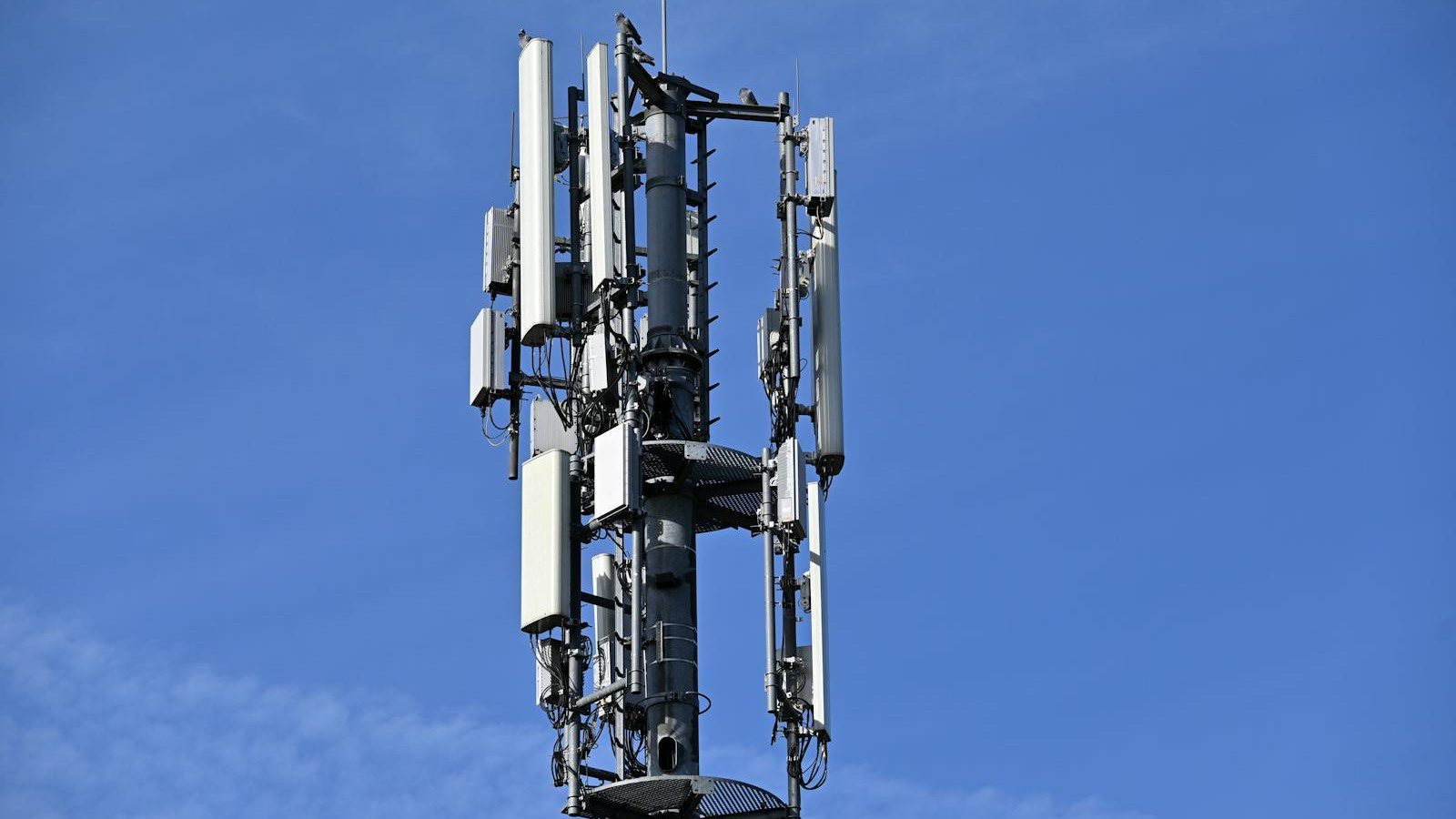
5G and 6G trends should be read as an evolution path, not a single upgrade event. 5G is already available in many markets and continues to mature through standalone core deployments, private networks, reduced-capability devices, better network exposure, edge computing, and non-terrestrial coverage options.
6G is still a future standards and ecosystem discussion, but its direction matters for long-life IoT projects. Work across standards groups and industry bodies points toward more integrated sensing and communication, AI-assisted networks, reconfigurable intelligent surfaces, terahertz research, digital twins, and tighter links between physical assets and network intelligence. ETSI highlights 6G-related work in areas such as integrated sensing and communication, reconfigurable intelligent surfaces, and THz technology.
For a project owner, the takeaway is simple: use 5G where it solves a measurable problem now, and design data, devices, and governance so the system can adopt future 6G capabilities later. 5G and 6G trends reward modular architectures more than one-off proofs of concept.
Good planning starts with use-case classes. Massive IoT favors many low-power devices. Critical IoT favors reliability and latency. Broadband IoT favors video, rich telemetry, and mobile high-data workloads. Future 6G ideas may add sensing, positioning, AI optimization, and digital-twin feedback loops, but they will still depend on clean data and sound operations.
Win 1: choose the right IoT connectivity tier

The first win is avoiding overengineering. 5G and 6G trends create excitement around speed, yet many IoT devices need coverage and battery life more than throughput. A soil sensor, smart lock, utility meter, or pallet tracker may be better served by narrowband connectivity than by a high-bandwidth modem.
Start by grouping devices into tiers. Low-data sensors need efficient messaging, long battery life, and broad coverage. Mobile worker devices need dependable uplink and downlink performance. Cameras, drones, vehicles, and remote expert tools may need broadband capacity. Industrial control systems may need reliability, determinism, and local failover.
This tiering exercise helps procurement, architecture, and security teams make better decisions. It also prevents a pilot from becoming too expensive to scale. If every device is specified for the worst-case workload, the business case can fail before deployment begins.
When 5G and 6G trends are translated into device tiers, leaders can separate must-have capabilities from nice-to-have upgrades and keep the rollout grounded.
For IT Consulting teams, the right first deliverable is often a connectivity matrix. List each device class, data volume, latency tolerance, mobility profile, environment, power source, lifecycle, and compliance requirement before choosing a carrier, private network, or device module.
Win 2: use edge computing for lower latency

The second win is moving selected processing closer to the asset. 3GPP notes that edge computing puts computational power physically closer to end users for demanding applications such as factories of the future, autonomous driving, and immersive experiences. That is a major reason 5G and 6G trends matter for IoT projects that cannot wait for a distant cloud round trip.
Edge computing does not mean every workload leaves the cloud. It means the time-sensitive part of the workflow runs near the device, while longer-term analytics, reporting, training data, and governance can still live in cloud platforms. A camera can detect a safety zone violation locally and send summarized events to the cloud. A machine controller can respond on site and forward historical data later.
This approach supports lower latency, lower bandwidth cost, and better resilience during network interruptions. It also creates new responsibilities. Teams must patch edge nodes, monitor local workloads, protect physical hardware, and decide what happens when cloud synchronization fails.
For Cloud Computing planning, use an edge placement rule: keep urgent control, filtering, and safety decisions near the asset; keep fleet-wide learning, reporting, and governance in centralized platforms.
Win 3: plan for massive IoT and RedCap devices

The third win is choosing device classes that scale. GSMA describes Massive IoT as LTE-M and NB-IoT evolving within 5G for narrowband use cases. It also points to RedCap and enhanced RedCap as important resources for IoT. That matters because 5G and 6G trends are not only about premium smartphones or high-speed routers.
Reduced-capability devices are designed for use cases that sit between tiny low-power sensors and full broadband devices. They can fit wearables, industrial sensors, cameras with moderate data needs, gateways, smart meters, asset trackers, and connected tools where cost, power, and size are important.
Project teams should ask whether each device needs full 5G capability, RedCap-style capability, NB-IoT, LTE-M, Wi-Fi, wired Ethernet, satellite, or a hybrid path. The answer may vary by location and business process. A factory floor can use private 5G for mobile machines while fixed production equipment uses wired networking.
5G and 6G trends also make lifecycle planning more important. Many IoT devices stay in service for years. Before buying modules, confirm vendor roadmaps, firmware support, roaming, certifications, fallback behavior, and replacement plans for older 2G or 3G dependencies.
In short, 5G and 6G trends make device selection more strategic because each radio choice affects cost, support, resilience, and long-term flexibility.
Win 4: use private networks and slicing carefully

The fourth win is predictable service for critical environments. 5G supports flexible network operations, including slicing, scalability, security, capability exposure, and diverse mobility. 3GPP gives network slicing examples that include machine-to-machine container tracking, showing how one network can support different service needs.
Private 5G can be useful in factories, ports, mines, warehouses, hospitals, campuses, utilities, and logistics yards where Wi-Fi coverage, interference, mobility, or service assurance is not enough. It can support mobile robots, connected tools, push-to-video, safety systems, tablets, scanners, and remote maintenance.
Still, private networks are not magic. They need spectrum strategy, radio planning, SIM or eSIM management, core network design, device certification, support processes, and integration with operational technology. Slicing also needs a business reason. Do not ask for a slice because it sounds advanced; ask because a workload has a distinct latency, reliability, security, or traffic isolation need.
5G and 6G trends make network design more programmable, but that programmability requires governance. Define who can request a new service profile, how changes are tested, how incidents are handled, and how performance is measured against business outcomes.
Win 5: prepare for 6G sensing, AI, and digital twins

The fifth win is designing for future context. 6G is not a commercial replacement for 5G today, but early research themes are already useful for IoT strategy. Integrated sensing and communication could let networks support communication and environmental awareness. AI-native operations could help optimize coverage, energy, routing, and service quality. Digital twins could use live device data to simulate assets and processes.
5G and 6G trends therefore push teams to treat connectivity, data, and analytics as one architecture. A city traffic system, smart grid, factory line, or connected vehicle platform should not only send messages. It should produce trusted data that can feed models, simulations, maintenance forecasts, and operational decisions.
This requires clean data contracts. Define event names, timestamps, units, device identity, location accuracy, calibration rules, and ownership before future AI features are added. If the data layer is messy, faster networks only move messy data faster.
This is where 5G and 6G trends become an information architecture issue, not just a telecom issue.
The best preparation for 6G is not waiting. It is building a 5G-era IoT architecture with modular devices, open APIs, documented data models, and security controls that can absorb future sensing and AI capabilities.
Win 6: secure devices, data, and network exposure

The sixth win is reducing risk before the fleet grows. 5G and 6G trends add more connected assets, richer data, programmable network features, and more APIs. That can improve operations, but it also expands the attack surface.
Security starts with device identity. Each device should have a known owner, approved firmware, secure provisioning, credential management, patch process, and retirement plan. Network segmentation should separate IoT traffic from corporate systems and operational technology unless a verified business process requires access.
Network exposure functions, APIs, edge workloads, and cloud integrations also need review. Teams should define which applications can request location data, quality-of-service changes, messaging, device state, and alerts. Logs should show who accessed what, when, and why.
For Cyber Security leaders, the rule is to design security into the pilot instead of adding it after scale. Threat modeling, zero-trust access, secure update channels, monitoring, and incident response should be part of every serious IoT plan.
Win 7: roadmap for your next IoT pilot
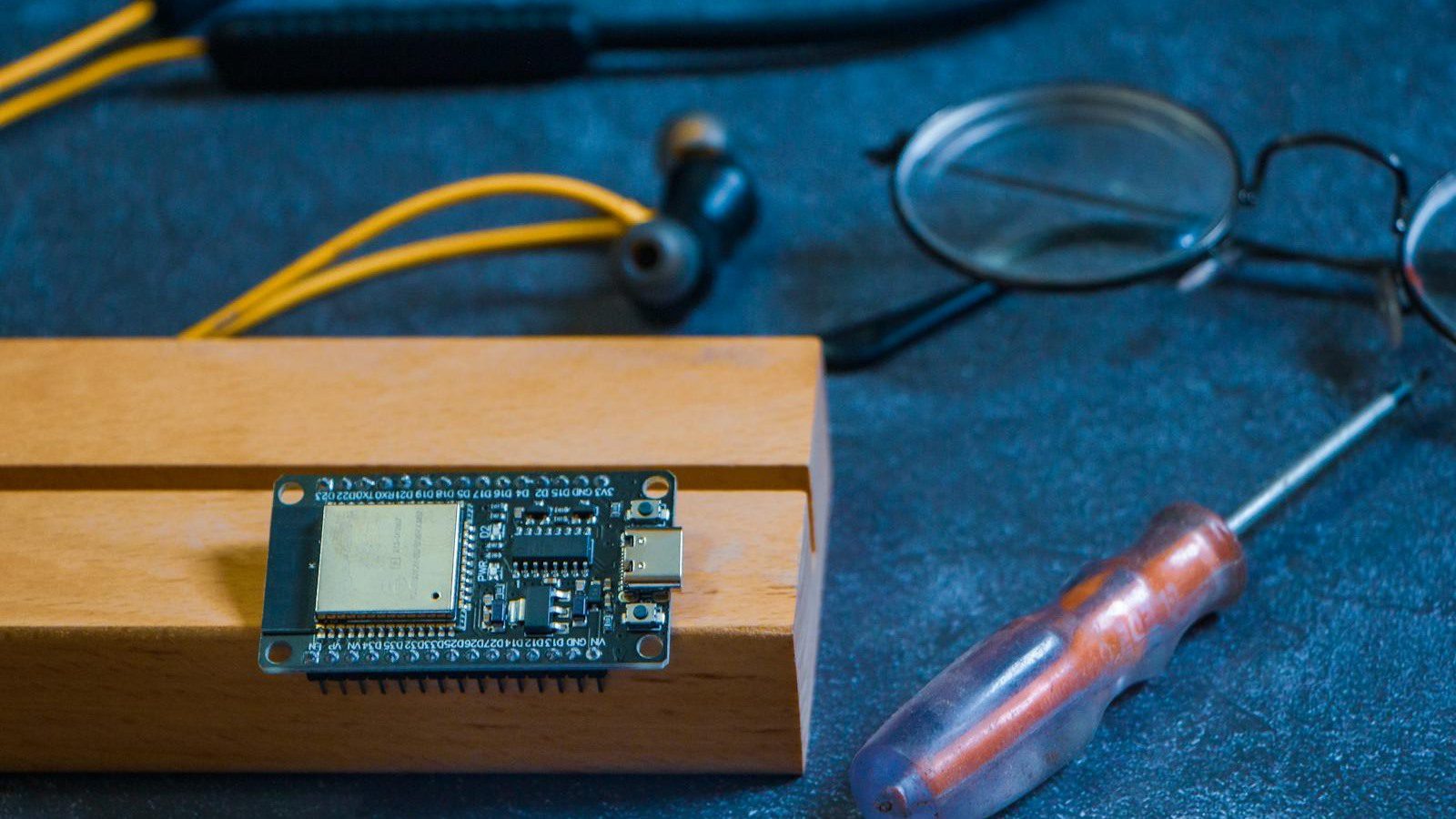
The seventh win is turning 5G and 6G trends into a focused pilot. Begin with one business problem that benefits from better connectivity, such as reducing downtime, improving worker safety, tracking mobile assets, supporting remote inspections, or capturing richer field data.
Next, choose a controlled environment. A warehouse zone, factory cell, construction site, fleet route, hospital wing, or utility substation is easier to measure than an enterprise-wide rollout. Define the devices, network tier, edge needs, cloud integration, security controls, support model, and success metrics before procurement.
Then run the pilot against measurable targets. Track latency, coverage, battery life, data quality, uptime, integration effort, manual work reduced, safety incidents avoided, and total cost per connected asset. A pilot that only proves the network works is not enough. It must prove that the operating process improves.
Finally, document the scale path. Decide which templates can be reused, which vendors can support production, which policies must change, and which internal teams own the service after launch. 5G and 6G trends deliver value only when the organization can operate the connected system reliably.
5G and 6G trends FAQ

What do 5G and 6G trends mean for IoT projects?
5G and 6G trends mean IoT teams have more choices for latency, coverage, device density, edge computing, private networks, and future sensing. The right choice depends on the use case, not the headline speed.
Is 6G available for commercial IoT today?
No. 6G is still a future standards, research, and ecosystem topic. IoT teams should deploy 5G where it makes sense now and design devices, data, and security so future 6G capabilities can be adopted later.
That is the safest way to use 5G and 6G trends without delaying projects that already have a clear 5G business case.
When should a project use private 5G?
Use private 5G when a site needs stronger mobility, predictable coverage, traffic isolation, device control, or service assurance than existing Wi-Fi or public cellular can provide for the target workflow.
How does RedCap help connected devices?
RedCap can support devices that need more capability than narrowband sensors but less cost, power, and complexity than full 5G equipment. It can fit many industrial, wearable, camera, and tracking use cases.
What does edge computing change?
Edge computing lets selected workloads run near devices. That can reduce latency, save bandwidth, support local resilience, and keep urgent safety or control decisions close to the asset.
What should teams secure first?
Secure device identity, provisioning, firmware updates, credentials, network segmentation, edge workloads, cloud APIs, logs, and decommissioning. These controls should be built into the pilot.
How should leaders start a pilot?
Leaders should choose one measurable use case, define device and network tiers, test in a controlled environment, monitor business outcomes, and document what must change before scaling.
5G and 6G trends are most valuable when they guide better architecture decisions instead of chasing every new feature. Start with the business workflow, pick the right connectivity tier, secure the system from day one, and design the data layer so future networks can add more value.
If your organization wants to modernize connected operations, contact Progressive Robot to plan a practical IoT pilot.