
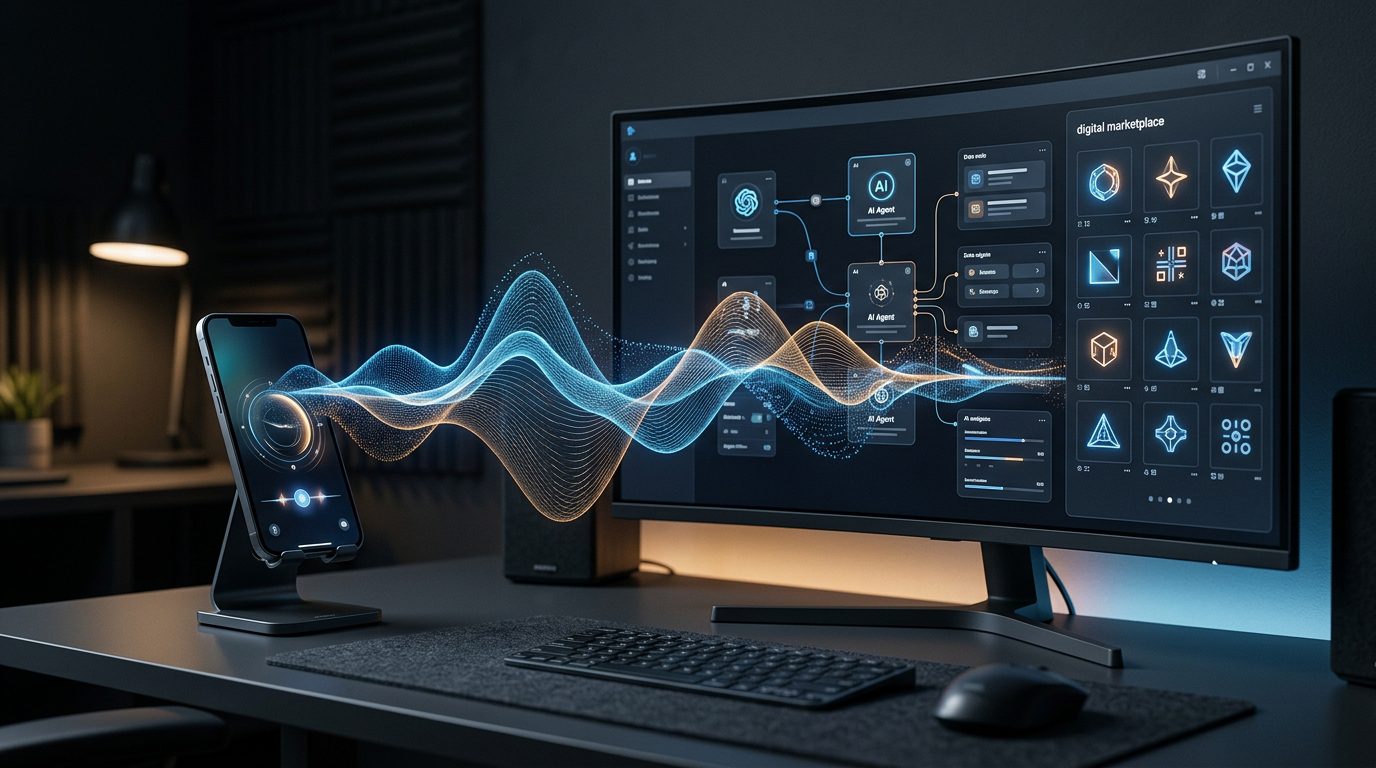
Grok Voice 3.0 is the latest speech-to-speech model from SpaceXSI, designed to power more natural, responsive AI conversations and voice-driven agents. Announced on October 14, 2026, the model introduces improvements in conversational performance, interruption handling and task completion, according to the company’s published benchmarks. At the same time, the Grok Bot Marketplace is developing into a place where users can discover and add AI bots built for specific tasks.
The two developments reflect a broader shift in AI products: moving beyond chatbots that simply answer questions towards assistants that can communicate naturally and carry out multi-step work. Grok Voice 3.0 provides the voice technology, while Grok Bot offers an environment for persistent AI agents that can connect to tools, follow routines and assist with everyday work.
The distinction is important. Grok Voice 3.0 is a newly announced model, whereas the Grok Bot Marketplace was introduced earlier and has received subsequent improvements. Together, they point towards an ecosystem in which users can interact with specialised AI agents through more natural conversations.
What Is Grok Voice 3.0?

Grok Voice 3.0 is SpaceXSI’s speech-to-speech model for real-time voice agents. Instead of treating every spoken interaction as a separate transcription and text-generation task, speech-to-speech systems are designed to process audio and produce spoken responses within a conversational workflow.
This approach can make voice assistants feel more responsive. A capable system needs to understand what a person says, respond appropriately and handle the natural rhythm of conversation, including pauses, interruptions and changes in direction.
According to the official announcement, Grok Voice 3.0 is already used in voice applications across Tesla and SpaceXSI. The company also says its technology powers customer-support calls for Starlink, where agents can handle tasks such as customer verification, troubleshooting and replacement equipment requests.
For developers, the model is available through the Voice Agent API. This makes it possible to build voice-enabled applications without developing an entire speech-to-speech model from scratch.
Key Performance Improvements in Grok Voice 3.0
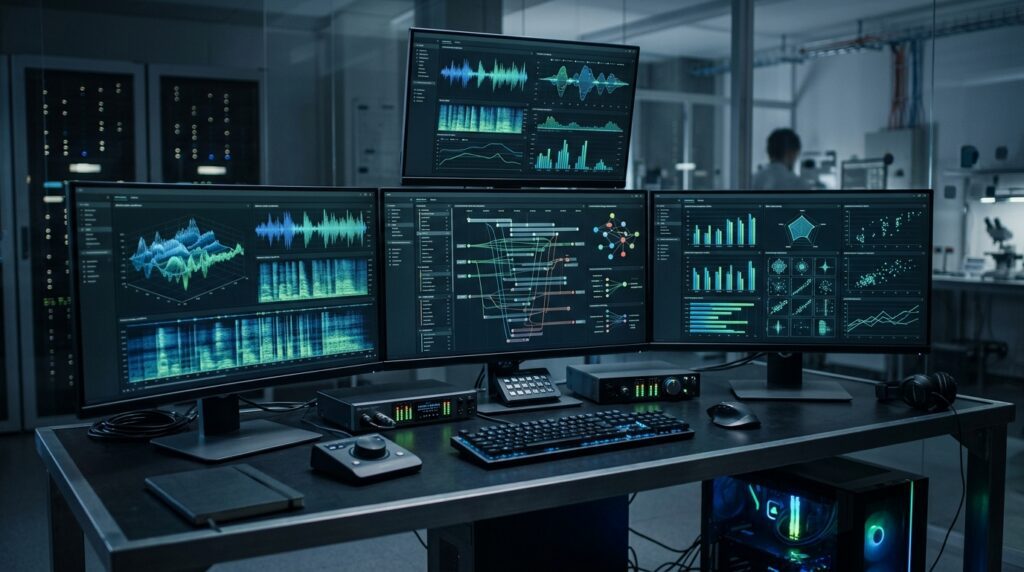
The official announcement highlights several benchmark results intended to demonstrate the model’s capabilities. These figures come from published evaluations and should be understood as reported benchmark performance rather than a guarantee of results in every real-world application.
SpaceXSI reports that Grok Voice 3.0 achieved an overall score of 86.9 on Artificial Analysis’s Speech-to-Speech Index, ranking first in that evaluation at the time of publication. The company also reports a score of 97% on Full Duplex Bench, which assesses conversational dynamics such as pauses, turn-taking and interruptions.
Additional results include a reported 94.8% task-success rate on the company’s cited comparison and a 74% accuracy score on ServiceNow’s EVA-Bench evaluation for enterprise voice agents.
These metrics assess different capabilities, so they should not be treated as interchangeable. Speech reasoning, natural turn-taking and successful task completion measure different aspects of an AI system. Independent testing under comparable conditions is important when comparing competing models.
The most practical question for developers is whether Grok Voice 3.0 performs reliably in their own use case, including noisy environments, different accents, complex requests and conversations that require multiple steps.
How Grok Voice 3.0 Connects With Grok Bot
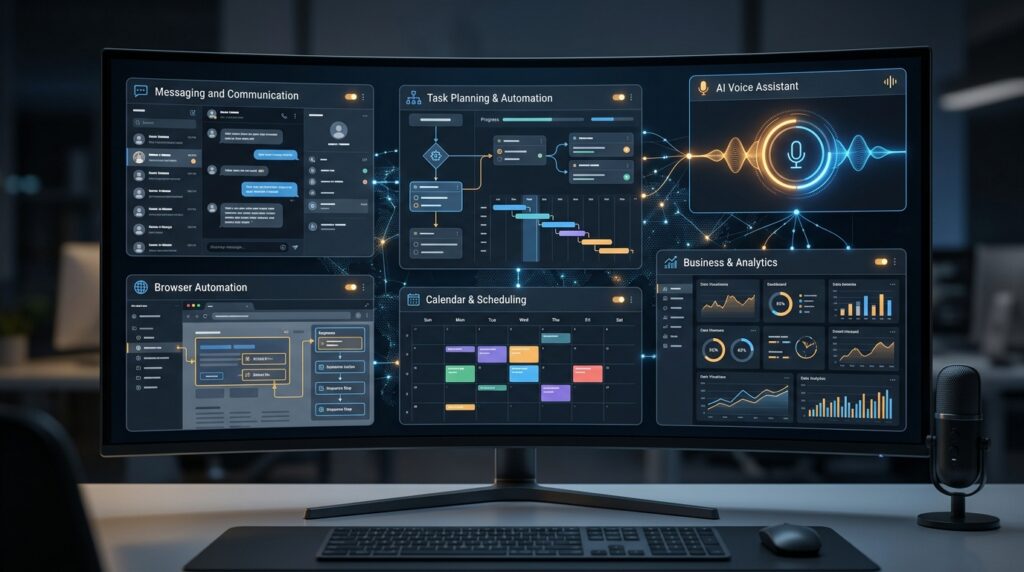
Grok Voice 3.0 and Grok Bot serve different but complementary purposes. The voice model handles spoken interaction, while Grok Bot is designed to operate as a persistent AI teammate that can work with applications, retain useful context and carry out assigned tasks.
According to the Grok Bot documentation, the platform supports persistent agents, connectors, routines and approval workflows. Recent updates have also added capabilities such as searching X, using certain payment methods and interacting with supported applications.
This combination could make voice-driven automation more convenient. A user might give an instruction verbally, then rely on an agent to work through the required steps and return with an update or a request for approval.
However, voice access does not automatically mean that every Grok Bot feature can be controlled by speech. The actual workflow depends on the application, available connectors, permissions and the model or agent configuration being used.
For business users, the main opportunity is reducing the effort required to delegate routine work. The main challenge is ensuring that agents operate within clear permission boundaries and ask for approval before consequential actions.
What Is the Grok Bot Marketplace?
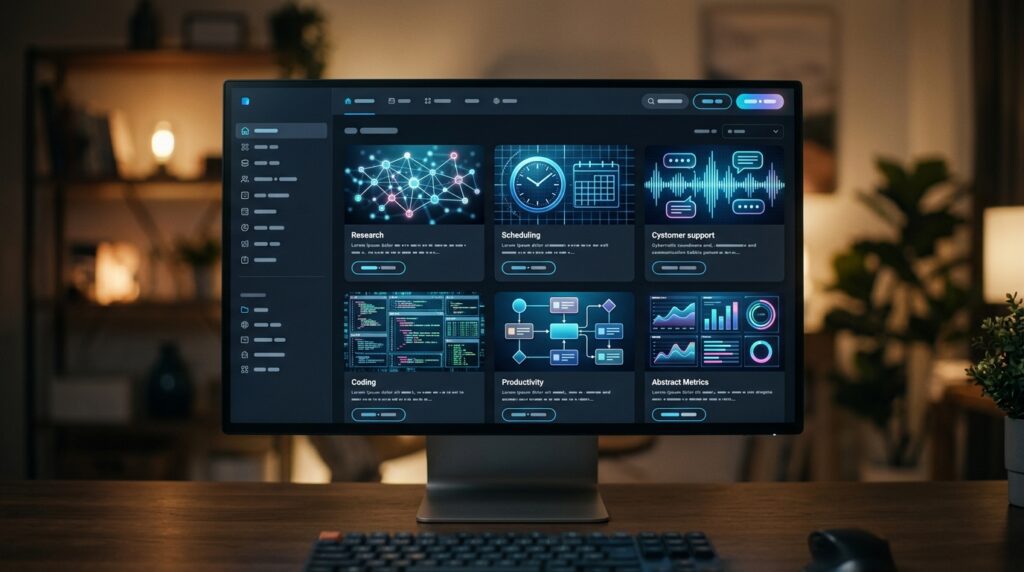
The Grok Bot Marketplace allows users to discover AI bots and add them to their own environment. Instead of configuring every assistant from the beginning, users can start with a shared bot or template and adapt it to their needs.
The marketplace is not a new feature launched alongside Grok Voice 3.0. SpaceXSI’s changelog records marketplace improvements dating back to September 2026, including a dedicated home page, categories, search and the ability to add bots directly from marketplace listings.
A bot can have its own identity, description, skills and routines. Shared bots can be added as copies, allowing recipients to customise their own version without automatically receiving the creator’s computer, credentials or conversation history.
That makes the marketplace useful for discovering repeatable workflows. Users could look for assistants designed to help with research, website management, business operations or other specialised tasks, depending on what is available.
Users should still inspect a bot before adding it. The official Grok Bot documentation warns that shared bot configurations may contain information visible to recipients. Creators should remove API keys, internal URLs and customer information before sharing a bot publicly.
What Developers and Businesses Can Do With These Tools
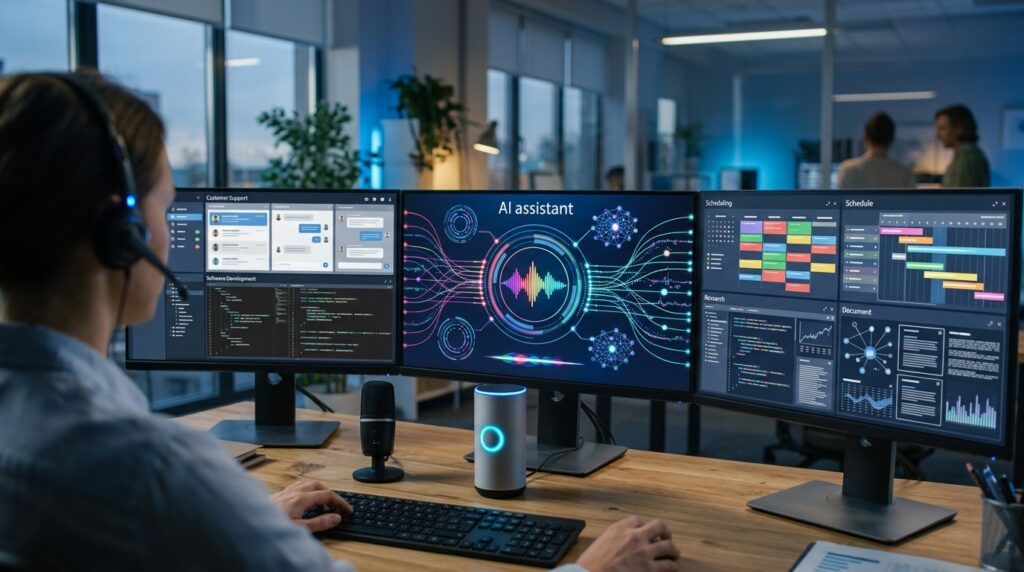
The combination of voice AI and specialised agents could support several practical applications.
Customer support: Businesses could use voice agents to answer common questions, troubleshoot problems and route complex cases to human staff. The model’s actual performance would need to be tested against the company’s customer-service requirements.
Productivity and scheduling: Voice interactions can make it easier to request calendar updates, organise information or initiate supported workflows without typing every instruction.
Research and administration: Specialised bots may help gather information, prepare drafts, organise documents and carry out repetitive administrative tasks through connected tools.
Software development: Developers could explore voice-driven task delegation alongside agents that can work with repositories, development tools and documentation.
Business process automation: Organisations could build reusable assistants around specific responsibilities, reducing the need to configure similar workflows repeatedly.
These applications are not automatically available in every configuration. Each depends on the supported tools, permissions, account plan and the quality of the agent’s implementation.
Pricing, Availability and Developer Access
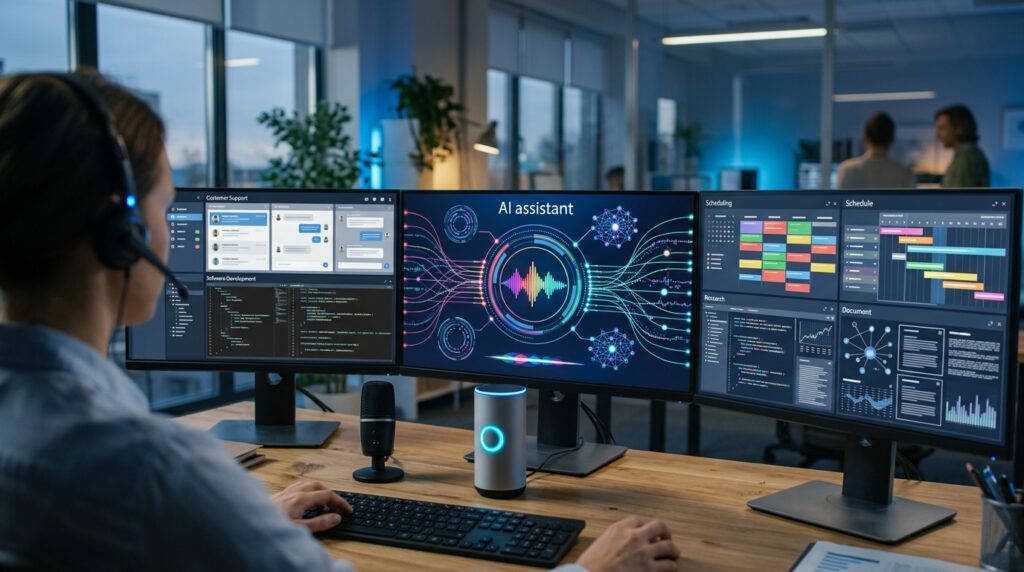
The official announcement lists Grok Voice 3.0 at $0.08 per minute, equivalent to $4.80 per hour, at the time of publication. SpaceXSI says the price is unchanged from its predecessor, Grok Voice 2.0.
The release notes also state that the grok-voice-latest alias now points to Grok Voice 3.0, meaning applications using that alias were upgraded automatically. Developers who need a specific model version should check the current documentation rather than assume the alias will always refer to the same model.
For the latest details, consult the Grok Voice 3.0 model documentation and the API release notes.
Marketplace access and bot capabilities can depend on the user’s account, platform and available integrations. Before deploying an agent for business use, organisations should check access requirements, billing, data handling and any approval controls relevant to their workflows.
Security and Limitations to Consider

More capable voice models and reusable bots also introduce risks. A voice agent may misunderstand a request, while an AI bot connected to external applications could make an incorrect change or expose information if its permissions are too broad.
Businesses should limit access to only the tools and data an agent genuinely needs. Sensitive actions, such as sending payments, sharing confidential files or changing production systems, should have appropriate approval requirements.
Shared bot templates also deserve careful review. A reusable assistant can save setup time, but users should understand its instructions, connectors and routines before trusting it with important work.
Grok Voice 3.0’s benchmark results do not eliminate these risks. Organisations should evaluate accuracy, latency, security and cost using representative tasks before relying on the system for critical operations.
Frequently Asked Questions
What is Grok Voice 3.0?
Grok Voice 3.0 is SpaceXSI’s speech-to-speech model for real-time voice agents. It is designed to support natural spoken interactions, responsive turn-taking and task-oriented voice applications.
When was Grok Voice 3.0 released?
SpaceXSI announced the model on October 14, 2026, and made it available through its Voice Agent API.
Is the Grok Bot Marketplace new?
The marketplace was introduced before the latest voice-model announcement and has received subsequent updates. It allows users to discover and add bots or templates for specialised tasks.
How much does the voice API cost?
The published price is $0.08 per minute, or $4.80 per hour, at the time of the announcement. Check the official model documentation for any later pricing changes.
Can anyone create and share a Grok Bot?
Grok Bot supports creating and sharing bots, but access and features may depend on the account and platform. Shared configurations should be reviewed carefully to ensure they do not expose confidential information.
Conclusion
Grok Voice 3.0 strengthens SpaceXSI’s voice AI offering with a speech-to-speech model focused on responsiveness and conversational performance. Meanwhile, the Grok Bot Marketplace provides a way to discover and reuse specialised AI assistants rather than building every workflow from scratch.
Together, these developments point towards AI tools that can communicate more naturally and help users delegate increasingly complex tasks. Their practical value will depend on real-world reliability, integration quality, transparent pricing and safeguards around sensitive actions.
For developers, the next step is to test the API against their own voice use cases. For businesses, it is worth exploring reusable agents while keeping permissions, data security and human approval firmly in place.
Explore our IT services: Progressive Robot helps businesses explore software development, AI solutions, cybersecurity and wider IT services.
References
SpaceXSI — Introducing Grok Voice 3.0
SpaceXSI — Grok Voice 3.0 Model Documentation
SpaceXSI — Create and Manage Bots
TestingCatalog — Grok Voice 3.0 and Grok Bot Marketplace update










