
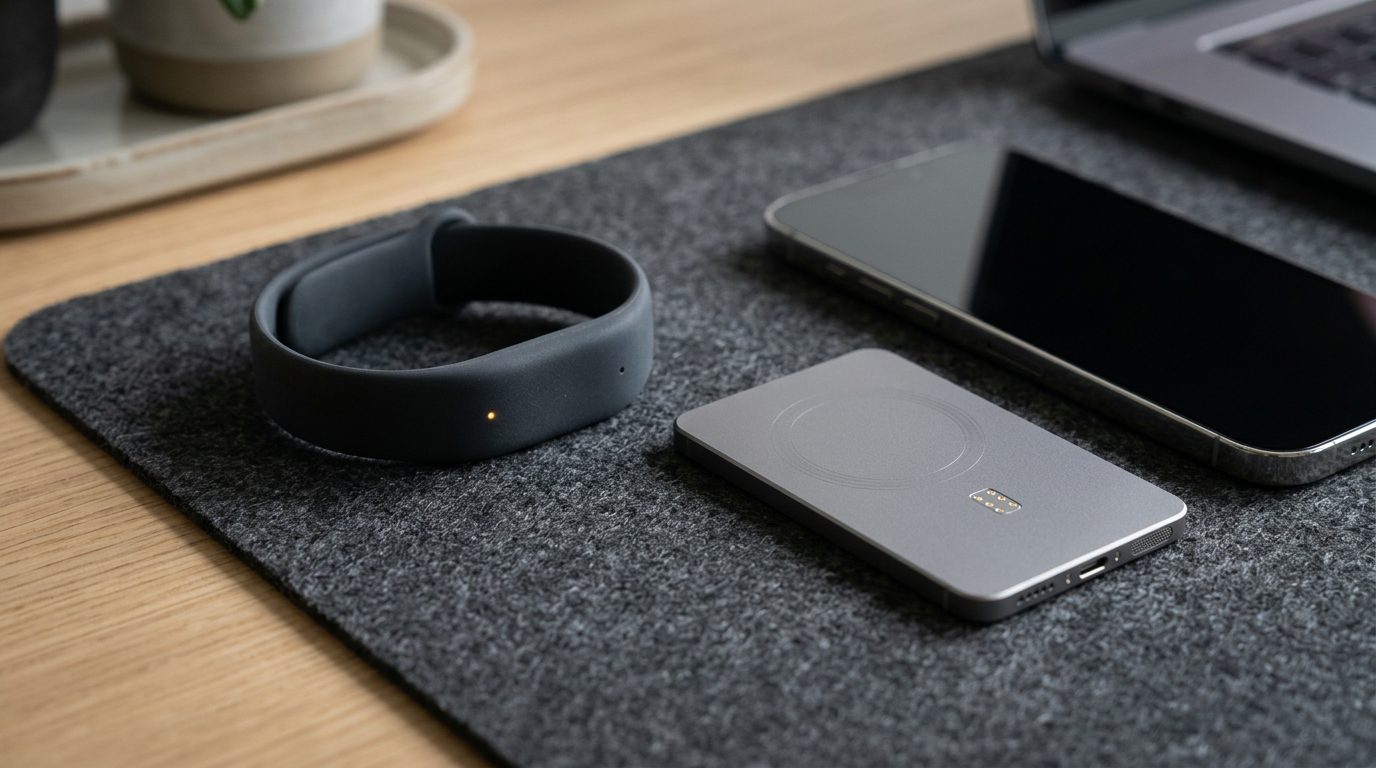
Bee AI devices are entering a new phase following Amazon’s acquisition of the Bee startup in 2025. On October 15, 2026, Amazon introduced two new products: the Bee Frontier, a wearable that can be worn on the wrist or clipped to clothing, and the Bee Eclipse, a compact device that attaches magnetically to a smartphone.
The announcement marks Bee’s first new hardware products under Amazon’s ownership. Rather than simply recording audio for users to review later, the devices are designed to turn everyday conversations into useful summaries, reminders, to-do lists and insights.
The idea is straightforward: people often forget details discussed during meetings, appointments, lectures or casual conversations. A personal AI assistant can help capture those details so users do not need to rely entirely on their memory or interrupt conversations to type notes.
The launch also expands Bee’s software ambitions. Its devices can work with services such as Gmail, Google Calendar and Microsoft Outlook, while optional connections to Amazon.com and Alexa+ add shopping suggestions and hands-free access to personal summaries.
However, there is an important distinction between buying the hardware and accessing the complete experience. Basic conversation summaries are available without a subscription, while several advanced features require Bee Pro, which costs $11.99 per month.
For anyone considering Bee AI devices, the central questions are whether the hardware fits their daily routine, how much value the subscription adds, and whether they are comfortable using an AI system that processes conversations throughout the day.
Bee Frontier: A Wearable AI Assistant for Everyday Conversations
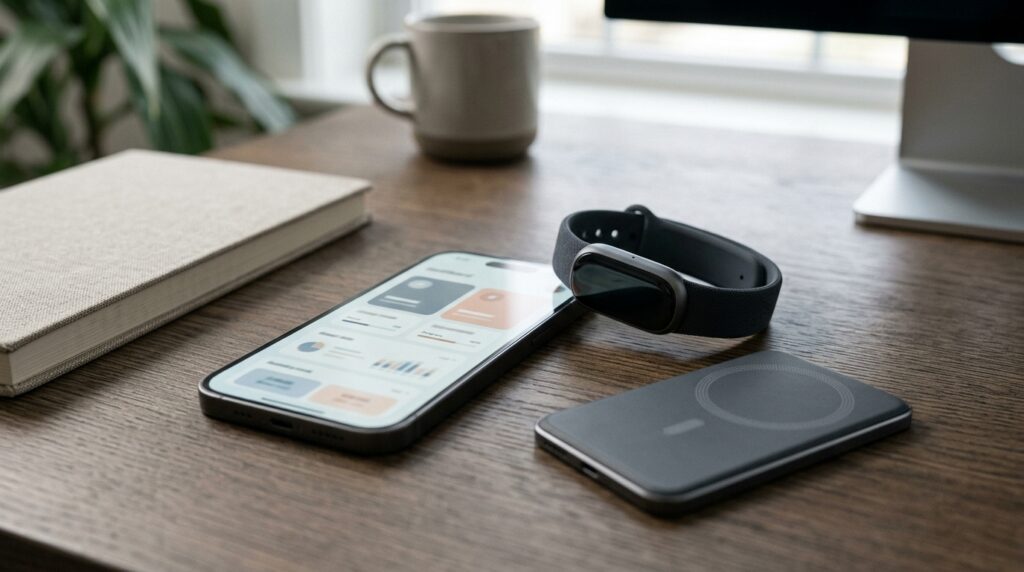
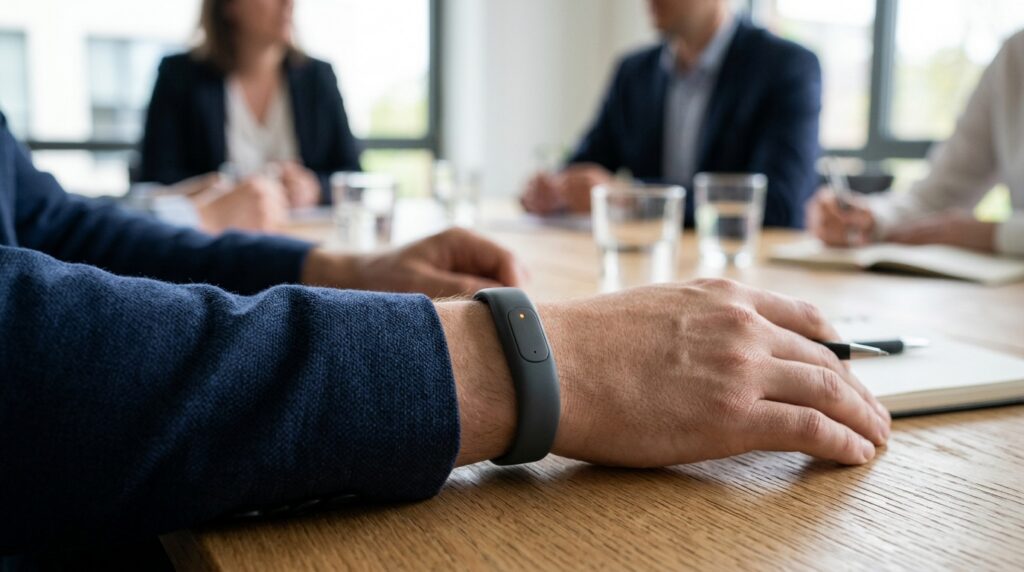
Bee Frontier is designed for people who want an AI assistant available throughout the day without repeatedly opening a recording application. Among the new Bee AI devices, Frontier is the wearable option, allowing users to wear it on the wrist or clip it onto clothing. Amazon lists Onyx, Lavender and Sage as its available colors.
The device includes dual microphones with noise filtering, a visible recording indicator and a physical button for controlling activity. It also offers IP67 water resistance, USB-C charging and up to seven days of advertised battery life. These features could make Bee AI devices useful for professionals who move between meetings, appointments and everyday tasks.
For example, someone leaving a client meeting could review a summary and identify follow-up actions. A student might revisit important points, while a busy professional could check the details of a commitment made earlier in the day. However, users should verify names, dates and deadlines because AI-generated summaries can misunderstand speech or omit context.
Bee Frontier costs $74.99 and is available in the United States, according to the announcement. Its wearable format makes it a potential choice for people who want to capture conversation details without attaching another accessory to their phone. For users comparing Bee AI devices, its wearable design is the main distinction. As with any recorder, the value of Bee AI devices depends on dependable capture and clear controls.
Bee Eclipse: An AI Note-Taker That Attaches to Your Phone
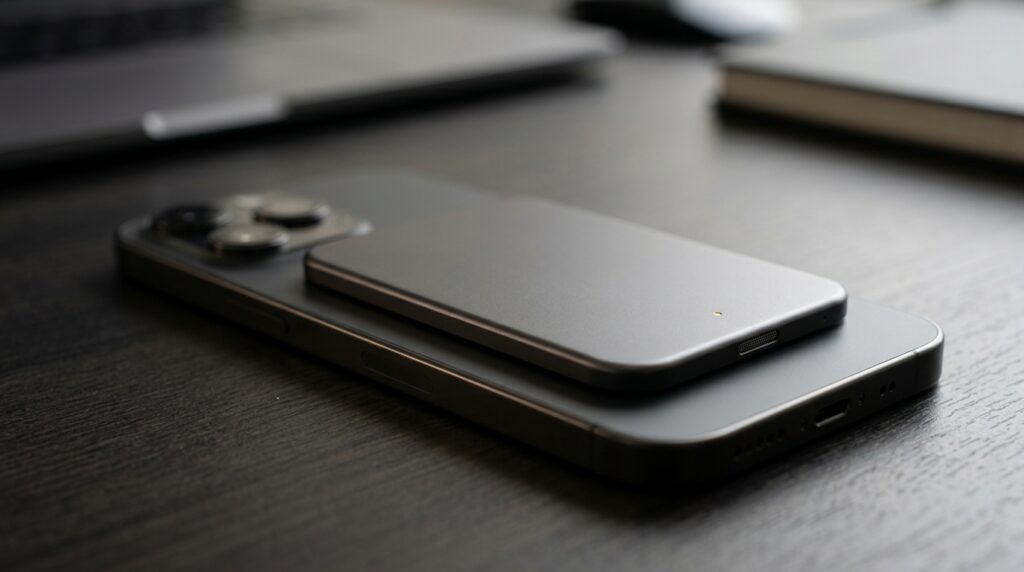
Bee Eclipse takes a different approach from Frontier. It is a compact, credit-card-sized device that attaches magnetically to a smartphone. For people comparing Bee AI devices, Eclipse offers a phone-mounted alternative to wearing a separate gadget throughout the day.
Like Frontier, Eclipse is designed to turn conversations into summaries, reminders and to-do lists. Its physical control and visible indicator light help users understand when the device is active. Amazon advertises more than 21 days of battery life, which could appeal to users who prefer to charge their accessories less frequently.
The phone-mounted design may suit consultants, professionals and students who already carry their smartphones everywhere. Instead of manually writing down every detail, they can review generated summaries later. Nevertheless, Bee AI devices should be treated as memory aids rather than infallible records, especially when conversations involve important business decisions or personal commitments.
Bee Eclipse is priced at $99.99 and was listed as coming soon at launch. Amazon announced four color options: Silver, Midnight, Honey and Blush. Buyers comparing Bee AI devices should check current availability before purchasing and consider whether they prefer a wearable or a phone-mounted accessory. That makes the choice between Bee AI devices a question of everyday comfort as much as specifications.
What Can Bee’s AI Actually Do?
The main selling point of Bee AI devices is the software that turns captured conversations into information people can use. Rather than simply storing audio, Bee is designed to generate summaries, identify key points and suggest follow-up tasks. The aim is to reduce the effort required to remember and organize information after a conversation ends.
Imagine discussing a project with a colleague. During the conversation, you agree on a deadline, promise to send a document and arrange another meeting. Bee AI devices can help surface those details in a recap, giving you an opportunity to check what was discussed instead of relying entirely on memory.
Bee supports integrations with services including Gmail, Google Calendar and Microsoft Outlook. Depending on available features and settings, users may be able to connect conversation details with existing productivity workflows. The company is also introducing a desktop app and templates intended for activities such as lectures and brainstorming sessions. These integrations could make Bee AI devices more useful for people who already organize their work digitally.
However, AI-generated notes can contain mistakes. A system may mishear a name, misunderstand a deadline or overlook an important qualification. Users should verify important information before sending emails, creating calendar invitations or making business decisions. Bee AI devices are best treated as memory aids that organize information, not as replacements for human judgment. The goal is to make Bee AI devices useful after a conversation, when people need to recall details and decide what to do next.

Bee Pro Subscription: What Is Free and What Costs Extra?
The hardware price does not tell the whole story because Bee AI devices also have a subscription option. Amazon says the free experience includes conversation summaries, recaps and 14 days of memory. Users who want more advanced features can subscribe to Bee Pro for $11.99 per month.
Bee Pro adds features such as expanded recent conversation summaries, suggested to-dos, daily memories, a personal chat assistant, conversation templates, third-party integrations and access to the desktop app. Amazon also announced a 30-day free trial for new customers, subject to the applicable terms. These extras may matter most to people who expect Bee AI devices to become part of their daily work routine.
For people evaluating Bee AI devices, the subscription decision should depend on actual needs. Someone who occasionally wants to recall a conversation may find the free experience sufficient. A professional who relies on connected calendars, task suggestions and frequent access to previous conversations may benefit more from the paid plan.
Before subscribing, compare the recurring cost with the features you expect to use. Bee AI devices may have an accessible initial price, but the long-term value depends on whether premium tools save enough time to justify an ongoing payment. Buyers should assess the ongoing cost of Bee AI devices alongside the features they will actually use.
Amazon Shopping and Alexa+ Integration
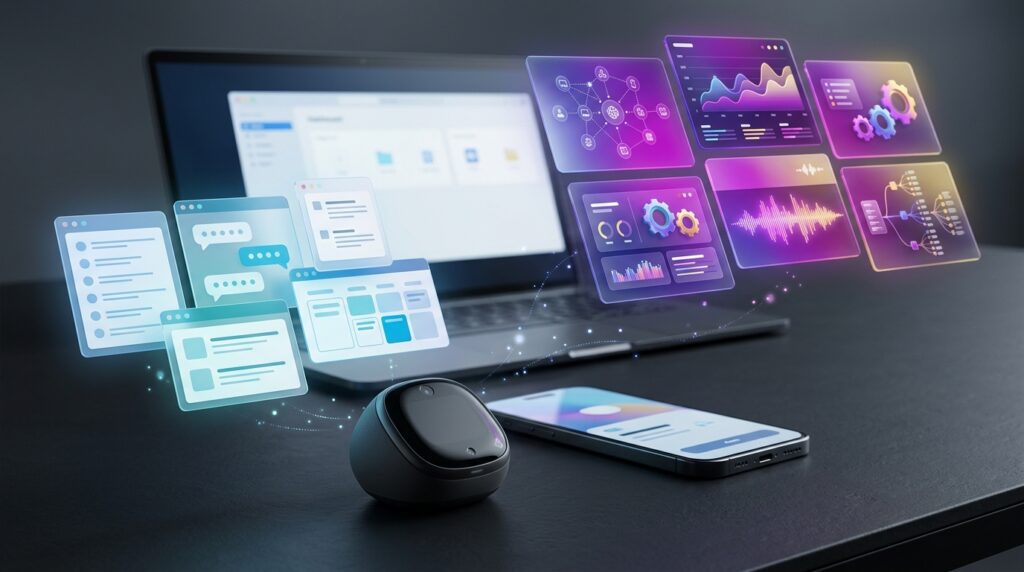
Amazon’s ownership gives Bee an opportunity to connect personal AI with a wider range of services. The company says users can opt into integrations that allow conversational context to support shopping suggestions. Bee can also connect with Alexa+ to provide hands-free access to summaries, reminders and to-do information through compatible devices.
For example, a user might mention a household item during a conversation and later want to remember to buy it. An enabled integration could help surface a relevant shopping suggestion or reminder. These features could make Bee AI devices more useful by connecting captured information with actions users might otherwise forget.
The integrations also raise questions about how personal context is shared between services. Users should review the permissions they grant, understand which connections they enable and disable integrations they no longer want. Optional shopping features should not be confused with proof that every conversation is automatically used for advertising.
The wider ambition is to make Bee more than a recording accessory. By connecting summaries with productivity tools, shopping and voice assistance, Amazon is positioning Bee AI devices as part of a broader personal assistant experience. Users should enable only the connections that make Bee AI devices more useful for their own routines.
Privacy Concerns: What Happens to Recorded Conversations?
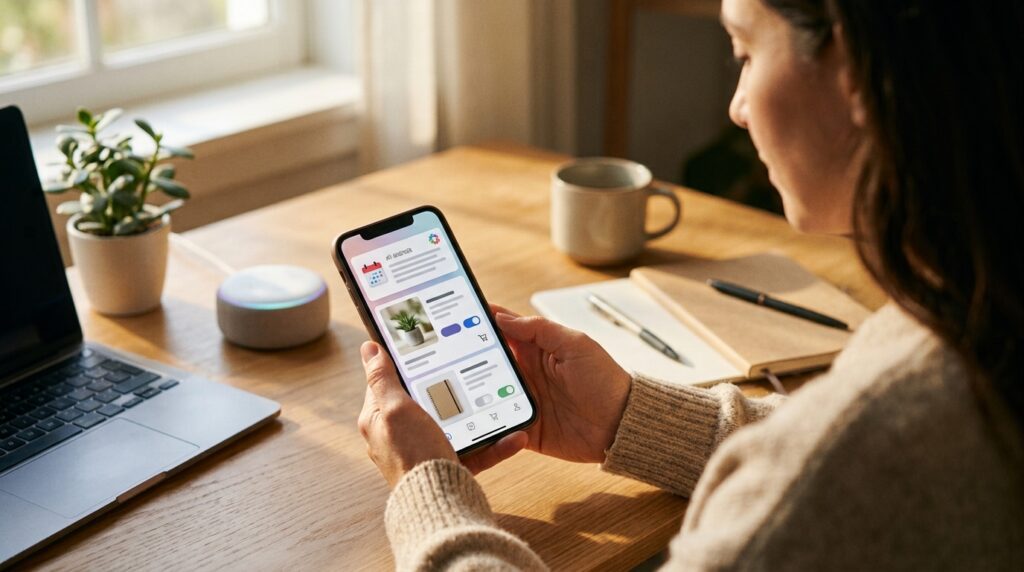
Privacy is a central consideration when evaluating Bee AI devices because everyday conversations can contain confidential business information, personal plans and sensitive details about other people. Anyone considering an always-available assistant should understand how recording works and what happens to the information generated.
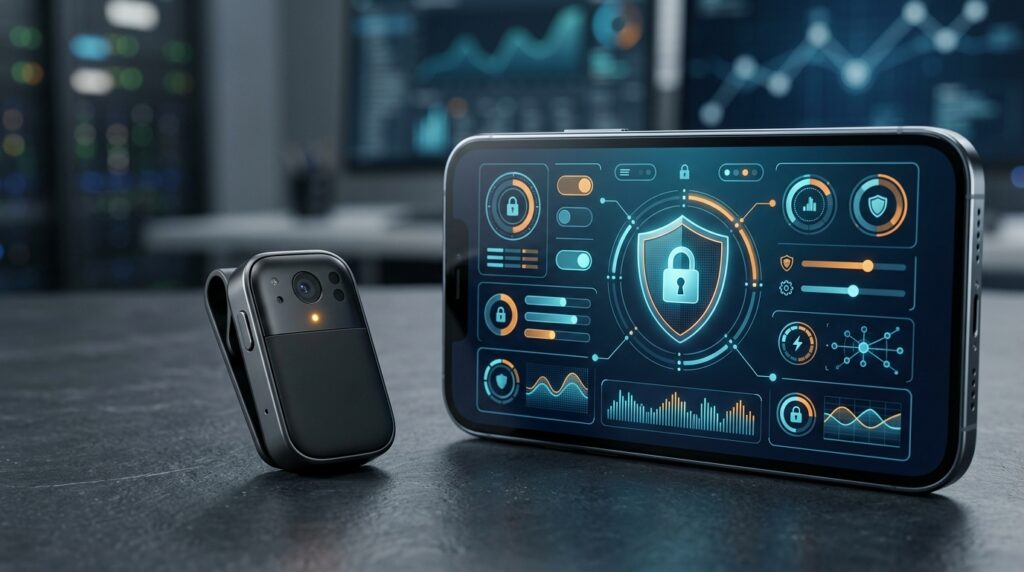
Amazon says Bee processes audio in real time and deletes raw audio rather than retaining it. The company also describes encryption for transcripts and its Bee Private Compute security architecture. These are Amazon’s stated practices, so users should consult the current privacy documentation for details about storage, retention and access.
Both devices include a visible recording indicator and a physical control for turning processing on or off. Amazon says Bee prompts users to obtain permission from call participants when recording is started. The company also describes controls for deleting transcripts and summaries. These controls are important when using Bee AI devices around colleagues, clients, friends or family members.
It is important to distinguish between raw audio and generated information. Even if audio is deleted, summaries and reminders may still contain sensitive details. Users should review connected-app permissions and consider how long generated information remains accessible.
Responsible use requires transparency as well as technical safeguards. Tell participants when conversations are being captured, follow workplace policies and check local recording laws. Trust in Bee AI devices will depend on privacy controls that are clear, practical and easy to manage. Clear consent practices should remain part of using Bee AI devices in any shared or professional setting.
Are Bee Frontier and Bee Eclipse Worth Considering?
Bee AI devices may be useful for people who regularly attend meetings, manage busy schedules or struggle to remember details from conversations. The potential benefit is straightforward: users can review summaries and reminders instead of reconstructing every conversation from memory.
Frontier is the wearable option, with advertised battery life of up to seven days and a design that can be worn on the wrist or clipped to clothing. Eclipse attaches to a smartphone and has an advertised battery life of more than 21 days. For buyers comparing Bee AI devices, the better choice depends on whether they prefer a wearable or phone-mounted accessory.
The subscription also affects the buying decision. Users who only need occasional recaps may not require Bee Pro, while people who want advanced integrations and productivity tools may consider the monthly fee worthwhile. Buyers should also check regional availability and the current feature list before purchasing Bee AI devices.
Alternatives include smartphone transcription tools, meeting-summary software and other dedicated AI note-taking products. Compare accuracy, privacy controls, supported languages, app integrations and total cost before deciding whether Bee AI devices fit your routine. Their strongest advantage is convenience; their biggest consideration is how comfortably users and the people around them accept everyday conversation capture.
Frequently Asked Questions
What are Bee Frontier and Bee Eclipse?
Bee Frontier is a wearable AI note-taking device that can be worn on the wrist or clipped to clothing. Bee Eclipse is a compact magnetic accessory that attaches to a smartphone. Both Bee AI devices are designed to help turn conversations into summaries and reminders.
How much do the new Bee devices cost?
Bee Frontier is priced at $74.99, while Bee Eclipse is priced at $99.99. Availability may differ by product and region, so check Amazon’s current product information before ordering either device.
Is Bee Pro required to use Bee?
No. Amazon says basic summaries, recaps and 14 days of memory are included without a subscription. Bee Pro costs $11.99 per month and unlocks additional productivity features and integrations for users who want more from Bee AI devices.
Does Bee store audio recordings?
Amazon says Bee processes audio in real time and deletes raw audio rather than retaining it. Transcripts and summaries are handled separately. Review the current privacy policy to understand how generated information is stored and managed when using Bee AI devices.
Can Bee connect to Amazon and Alexa+?
Amazon has announced optional integrations involving shopping suggestions and Alexa+. The available features depend on the services, settings and permissions supported for the user’s account.
10. Conclusion
Bee AI devices represent Amazon’s effort to make personal AI more useful beyond traditional chat interfaces. Frontier offers a wearable format, while Eclipse attaches to a smartphone. Both aim to help users turn conversations into summaries, reminders and actionable information.
Before buying, compare the device designs, subscription features, battery claims, privacy controls and regional availability. Bee AI devices may be helpful for people who frequently need to remember conversations, but users should still verify important details and consider the consent of everyone involved in a recording.
Explore our IT services: Progressive Robot helps businesses explore software development, AI solutions, cybersecurity and wider IT services.
References
Engadget: Bee unveils two AI note-taking devices
Amazon: Introducing Bee Frontier and Bee Eclipse
TechCrunch: Amazon’s Bee launches two new personal AI devices










