
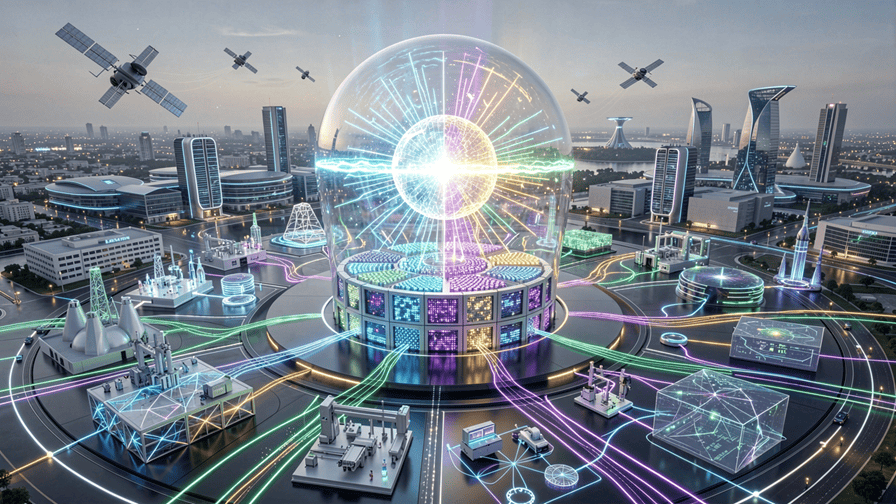
Quantum Computing 2026 has become one of the most discussed topics in the technology industry as governments, research institutions, cloud providers, semiconductor manufacturers, and enterprise organizations accelerate investments in quantum technologies. For decades, quantum computing existed primarily within academic laboratories and experimental research environments. Today, however, it is steadily transitioning toward practical enterprise experimentation, cloud accessibility, and commercial innovation. Learn more through the IBM Quantum Learning Platform. This shift has prompted many experts to ask an important question: could 2026 become the year quantum computing begins moving beyond research into meaningful real-world business applications?
Traditional computers process information using binary bits that exist as either zero or one. Quantum computers operate fundamentally differently by using quantum bits, or qubits, which leverage principles such as superposition and entanglement to represent multiple computational states simultaneously. These unique characteristics allow quantum systems to solve specific categories of problems far more efficiently than conventional computers under the right conditions. Although universal fault-tolerant quantum computing remains under active development, significant progress in hardware, error correction, software frameworks, and quantum cloud services continues bringing practical quantum computing closer to commercial reality.
The momentum surrounding Quantum Computing 2026 reflects more than technological curiosity. Industries including pharmaceuticals, financial services, logistics, cybersecurity, manufacturing, artificial intelligence, energy, aerospace, telecommunications, and materials science increasingly recognize quantum computing as a potential competitive advantage. Organizations are beginning to evaluate how quantum algorithms could eventually optimize supply chains, accelerate scientific discovery, improve financial modeling, strengthen encryption research, enhance machine learning, and solve optimization problems that remain computationally expensive for classical computers.
Cloud providers have also played a major role in accelerating adoption. Rather than requiring organizations to purchase highly specialized quantum hardware, cloud-based quantum computing platforms allow researchers, developers, universities, and enterprises to experiment with quantum algorithms remotely. This democratization of access has significantly expanded the global quantum ecosystem while encouraging software developers to begin preparing for future hybrid computing environments.
Nevertheless, excitement should be balanced with realistic expectations. Despite impressive advances, today’s quantum computers still face substantial technical limitations involving qubit stability, error rates, hardware scalability, environmental isolation, software maturity, and practical commercial deployment. Many current enterprise initiatives remain experimental rather than production-ready. Consequently, organizations evaluating quantum computing must distinguish genuine technological progress from unrealistic marketing claims.
This comprehensive guide explores Quantum Computing 2026, explains why industry interest continues accelerating, examines practical enterprise applications, discusses technical challenges, evaluates commercial readiness, and analyzes whether 2026 truly represents a turning point in the evolution of quantum computing.
Key Takeaways
- Quantum Computing 2026 represents accelerating commercial interest.
- Quantum hardware continues improving rapidly.
- Cloud-based quantum platforms expand accessibility.
- Multiple industries are exploring enterprise quantum applications.
- Error correction remains a major technical challenge.
- Hybrid quantum-classical computing is gaining momentum.
- Government investment continues increasing worldwide.
- Practical adoption remains selective rather than universal.
What Is Quantum Computing?
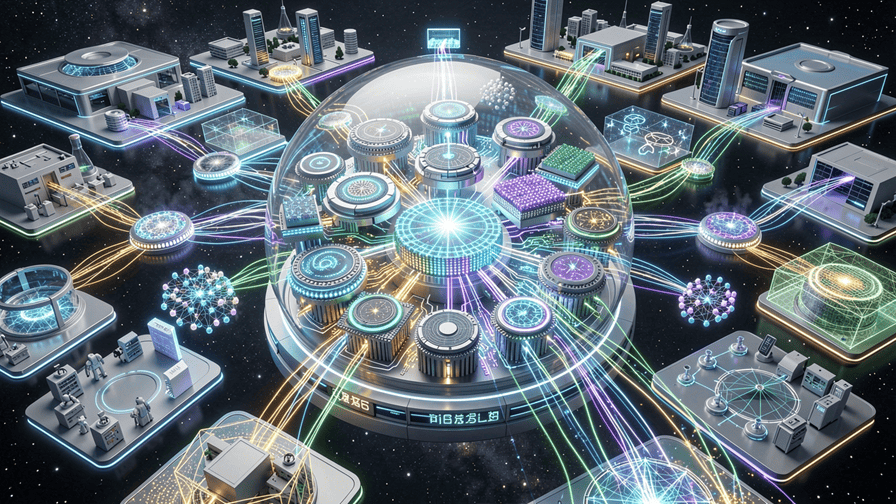
Quantum computing is an advanced computing paradigm that uses quantum mechanical principles to process information differently from traditional computers.
Instead of relying solely on binary computation, quantum systems utilize:
- Qubits.
- Superposition.
- Entanglement.
- Quantum interference.
- Parallel computation.
- Probability-based processing.
- Quantum gates.
- Specialized algorithms.
These capabilities enable certain computational problems to be solved far more efficiently than with classical systems.
Why Quantum Computing Is Receiving So Much Attention
Several factors are driving renewed interest in Quantum Computing 2026.
These include:
- Hardware improvements.
- Cloud accessibility.
- Government investment.
- Enterprise experimentation.
- Artificial intelligence integration.
- Scientific research.
- Semiconductor innovation.
- Growing developer ecosystems.
Collectively, these developments are expanding the practical relevance of quantum technologies.
Why 2026 Could Become a Turning Point
Although fully mature quantum computing remains years away, 2026 represents an important stage of commercial development.
Key trends include:
- Increased enterprise pilots.
- Larger quantum processors.
- Better software frameworks.
- Hybrid computing architectures.
- Expanded cloud services.
- Improved quantum algorithms.
- Greater developer adoption.
- Growing commercial investment.
Rather than replacing classical computing, quantum systems are expected to complement traditional infrastructure.
How Quantum Computing 2026 Works
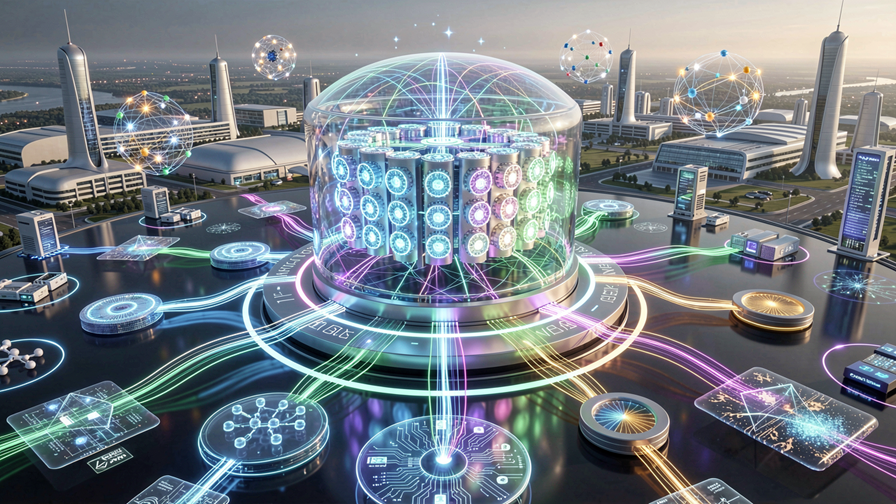
Understanding Quantum Computing 2026 begins with recognizing that quantum computers process information fundamentally differently from traditional computing systems. Rather than replacing classical computers, quantum systems are designed to solve highly specialized computational problems by leveraging the laws of quantum mechanics. This allows certain calculations involving optimization, simulation, cryptography, and scientific modeling to be performed much more efficiently than would be possible using conventional processors.
Modern quantum computers remain highly sophisticated research platforms requiring extremely controlled operating environments. Nevertheless, continuous advances in hardware engineering, cloud infrastructure, software development, and quantum algorithms are steadily improving their practical capabilities.
Understanding Qubits
The foundation of Quantum Computing 2026 is the quantum bit, commonly known as the qubit.
Unlike classical binary bits that store either:
- 0
- 1
A qubit can represent multiple probability states simultaneously through quantum superposition.
This enables quantum processors to explore many possible computational paths during specific calculations.
Superposition
Superposition allows quantum systems to evaluate numerous possible states simultaneously.
Instead of processing calculations sequentially, quantum processors may analyze multiple computational possibilities in parallel for certain problem types.
This capability contributes significantly to the potential computational advantages associated with Quantum Computing 2026.
Quantum Entanglement
Entanglement represents another defining characteristic of quantum computing.
Entangled qubits become mathematically connected even when physically separated.
This relationship enables coordinated computation across multiple qubits, allowing highly complex calculations that would be difficult for classical architectures.
Maintaining stable entanglement remains one of the major engineering challenges in modern quantum hardware.
Quantum Gates
Quantum gates manipulate qubits in ways that differ substantially from classical logic gates.
Quantum gates perform operations that modify probability amplitudes while preserving quantum behavior.
Examples include:
- Hadamard gates.
- Pauli gates.
- Phase gates.
- Controlled NOT gates.
- Rotation gates.
- Swap gates.
- Toffoli gates.
- Measurement operations.
These operations combine to execute quantum algorithms.
Quantum Algorithms
Specialized algorithms allow quantum computers to solve particular classes of problems efficiently.
Examples include algorithms supporting:
- Optimization.
- Search.
- Factorization.
- Simulation.
- Linear algebra.
- Probability analysis.
- Machine learning.
- Scientific modeling.
Organizations exploring Quantum Computing 2026 increasingly focus on algorithm development alongside hardware improvements.
Hybrid Computing
Most enterprise deployments currently rely on hybrid architectures.
Instead of replacing traditional infrastructure, quantum systems cooperate with classical computers.
Hybrid workflows typically involve:
- Classical preprocessing.
- Quantum computation.
- Classical verification.
- Result optimization.
- Data management.
- Visualization.
- Workflow automation.
- Decision support.
Hybrid computing is expected to dominate commercial deployments throughout the near future.
Cloud Quantum Platforms
Cloud providers have dramatically expanded access to quantum computing.
Rather than purchasing expensive experimental hardware, organizations can utilize cloud services to execute quantum workloads remotely.
Cloud platforms commonly provide:
- Quantum simulators.
- Real quantum processors.
- Development SDKs.
- Educational resources.
- API access.
- Experiment management.
- Performance metrics.
- Hybrid workflows.
Cloud accessibility has accelerated global developer adoption.
Enterprise Applications
Organizations investigating Quantum Computing 2026 are focusing on practical business applications rather than theoretical demonstrations.
Major enterprise sectors include:
- Financial services.
- Healthcare.
- Pharmaceuticals.
- Manufacturing.
- Logistics.
- Energy.
- Telecommunications.
- Cybersecurity.
Most current projects remain pilot initiatives designed to evaluate long-term business potential.
Drug Discovery
Pharmaceutical companies represent some of the most active quantum computing investors.
Quantum simulations may eventually improve:
- Molecular modeling.
- Protein interactions.
- Chemical simulations.
- Drug candidate discovery.
- Material science.
- Biological research.
- Precision medicine.
- Clinical optimization.
Although widespread deployment remains future-oriented, research activity continues accelerating.
Financial Modeling
Financial institutions increasingly investigate quantum computing for complex mathematical analysis.
Potential applications include:
- Portfolio optimization.
- Risk management.
- Derivatives pricing.
- Fraud detection.
- Market simulation.
- Investment analytics.
- Trading optimization.
- Regulatory analysis.
Many organizations view these workloads as promising long-term Scala—rather, quantum—applications where computational complexity exceeds classical capabilities.
Artificial Intelligence
Artificial intelligence and quantum computing may eventually complement one another.
Researchers continue exploring:
- Quantum machine learning.
- Optimization algorithms.
- Neural network acceleration.
- Feature selection.
- Scientific AI.
- Pattern recognition.
- High-dimensional optimization.
- Large-scale analytics.
While still experimental, AI integration remains an active research area.
Challenges and Limitations of Quantum Computing 2026
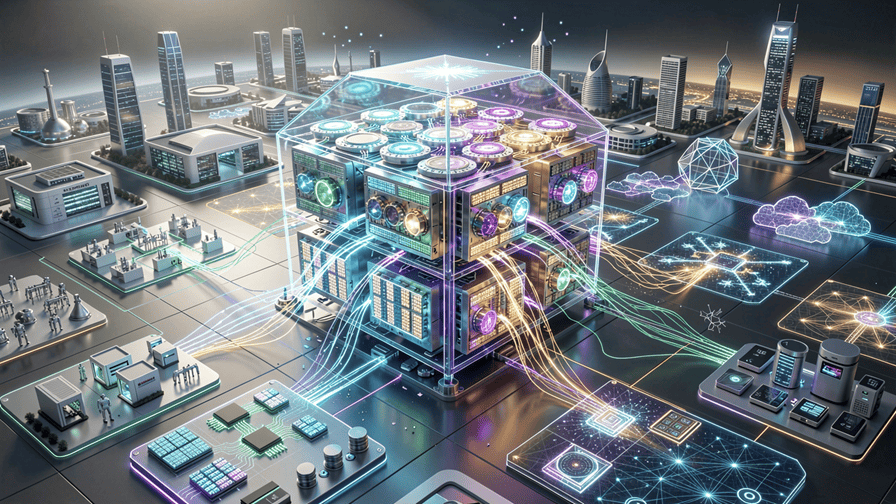
Although Quantum Computing 2026 represents one of the most exciting frontiers in modern technology, it is important to understand that quantum computing remains in an early stage of commercial maturity. Significant progress has been achieved in hardware development, cloud accessibility, quantum software frameworks, and enterprise experimentation, but many technical and operational barriers still prevent widespread production deployment. Organizations evaluating quantum technologies should therefore balance optimism with realistic expectations regarding current capabilities.
Unlike classical computing, where decades of engineering have produced highly stable, reliable, and affordable systems, quantum computers operate under extremely demanding physical conditions. Maintaining qubit stability, reducing computational errors, scaling hardware, and developing practical quantum algorithms remain active research challenges that require continued scientific innovation.
Understanding these limitations helps organizations develop realistic adoption strategies while preparing for future quantum opportunities.
Qubit Stability
One of the biggest obstacles facing Quantum Computing 2026 is maintaining stable qubits.
Qubits are extremely sensitive to external influences such as:
- Temperature fluctuations.
- Electromagnetic interference.
- Mechanical vibration.
- Environmental noise.
- Cosmic radiation.
- Electrical disturbances.
- Material imperfections.
- Hardware instability.
Even minor disturbances can disrupt quantum calculations.
Quantum Decoherence
Quantum information naturally degrades over time through a process known as decoherence.
As coherence decreases:
- Computational accuracy declines.
- Error rates increase.
- Processing reliability decreases.
- Longer algorithms become difficult.
- Quantum states collapse.
- Entanglement weakens.
- Precision suffers.
- System stability declines.
Reducing decoherence remains one of quantum engineering’s highest priorities.
Error Correction
Reliable quantum computation requires sophisticated error correction.
Unlike classical error correction, quantum error correction is considerably more complex because quantum information cannot simply be copied.
Current research focuses on:
- Logical qubits.
- Physical qubits.
- Error detection.
- Fault tolerance.
- Surface codes.
- Quantum redundancy.
- Stability improvements.
- Long-duration computation.
Large-scale fault-tolerant quantum computing remains under active development.
Hardware Scalability
Building larger quantum computers presents enormous engineering challenges.
Manufacturers must address:
- Qubit connectivity.
- Manufacturing precision.
- Cooling systems.
- Hardware reliability.
- Processor scaling.
- Signal integrity.
- Component synchronization.
- Infrastructure complexity.
Increasing qubit counts alone does not guarantee improved computational performance.
Extremely Specialized Infrastructure
Modern quantum systems require highly specialized environments.
Typical infrastructure includes:
- Cryogenic refrigeration.
- Ultra-low temperatures.
- Precision electronics.
- Electromagnetic shielding.
- Vibration isolation.
- Vacuum systems.
- Specialized calibration.
- Continuous monitoring.
These requirements significantly increase operational complexity.
Limited Commercial Applications
Despite increasing investment, relatively few organizations currently operate production quantum workloads.
Many enterprise initiatives remain focused on:
- Research.
- Pilot projects.
- Proofs of concept.
- Algorithm experimentation.
- Academic collaboration.
- Software development.
- Workforce education.
- Future planning.
Commercial value continues growing but remains selective.
Software Ecosystem Maturity
Quantum software continues evolving alongside hardware.
Organizations currently face challenges involving:
- Limited development tools.
- Algorithm availability.
- Framework maturity.
- Developer education.
- Programming models.
- Performance optimization.
- Workflow integration.
- Long-term standards.
The ecosystem continues improving rapidly.
Workforce Availability
Quantum computing requires highly specialized expertise.
Organizations often experience shortages involving:
- Quantum physicists.
- Quantum software engineers.
- Algorithm researchers.
- Hardware specialists.
- Mathematics experts.
- Security researchers.
- Cloud architects.
- Enterprise integration specialists.
Developing quantum talent remains an industry priority.
Security Implications
Quantum computing introduces both opportunities and cybersecurity concerns.
Potential implications include:
- Cryptographic research.
- Post-quantum cryptography.
- Encryption modernization.
- Secure communications.
- Key management.
- Digital identity.
- Risk assessment.
- Compliance planning.
Organizations increasingly prepare for future quantum-safe security standards.
Integration Challenges
Most enterprises cannot simply replace classical infrastructure with quantum systems.
Successful adoption requires integration across:
- Existing applications.
- Cloud platforms.
- Databases.
- APIs.
- Analytics systems.
- AI platforms.
- Security infrastructure.
- Business workflows.
Hybrid computing strategies remain the preferred approach.
Best Practices for Exploring Quantum Computing 2026
Organizations can prepare for future adoption through disciplined planning.
Start with Pilot Projects
Evaluate quantum technologies using carefully defined research initiatives before committing to large-scale investments.
Focus on High-Value Problems
Prioritize optimization, simulation, scientific research, and computational challenges where quantum advantages may eventually emerge.
Invest in Workforce Development
Provide education covering quantum algorithms, quantum software, cloud platforms, mathematics, and enterprise integration.
Monitor Technology Progress
Quantum computing evolves rapidly. Regularly review advances in hardware, software frameworks, error correction, and commercial platforms.
Prepare for Hybrid Computing
Develop architectures capable of combining classical computing with future quantum services rather than planning complete infrastructure replacement.
The Future of Quantum Computing 2026
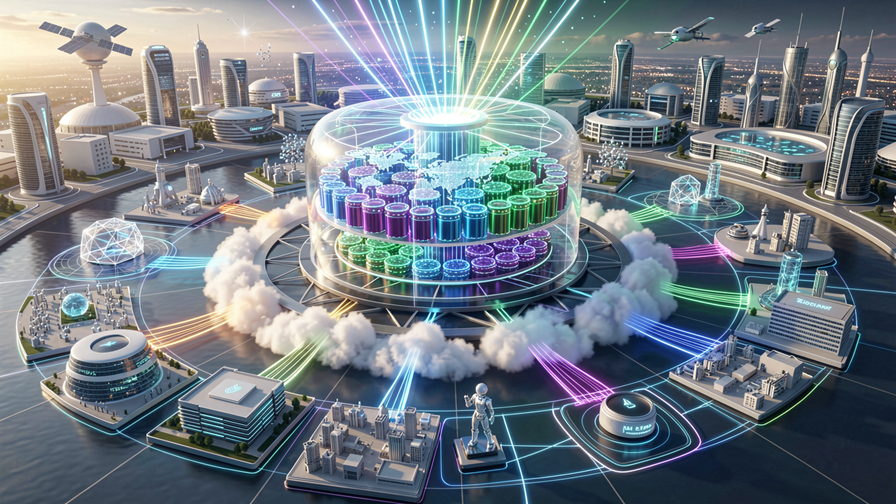
The future of Quantum Computing 2026 will be defined by continued advances in hardware engineering, quantum error correction, artificial intelligence integration, cloud-native quantum services, and enterprise experimentation. While fully fault-tolerant quantum computers capable of solving a broad range of commercial problems remain under development, the rapid pace of innovation suggests that quantum computing is steadily progressing from experimental science toward practical business technology. Rather than replacing classical computing, the coming years are expected to introduce hybrid computing ecosystems where quantum and traditional systems work together to solve increasingly sophisticated computational challenges.
One of the most significant developments expected beyond Quantum Computing 2026 is the improvement of quantum hardware itself. Researchers continue increasing qubit counts while simultaneously focusing on stability, coherence time, connectivity, gate fidelity, and scalable processor architecture. Future quantum systems will likely prioritize computational quality over simply increasing the number of qubits, allowing organizations to perform increasingly reliable enterprise workloads.
Artificial intelligence will play an increasingly important role in quantum computing. AI techniques are already helping researchers optimize quantum circuits, reduce computational errors, improve calibration processes, and discover more efficient quantum algorithms. Conversely, quantum computing may eventually accelerate certain machine learning workloads involving optimization, probability calculations, scientific modeling, and complex mathematical analysis. The combination of AI and quantum technologies could become one of the defining characteristics of next-generation enterprise computing.
Cloud computing will continue driving broader adoption. Instead of investing in highly specialized quantum hardware, organizations will increasingly access quantum processors through cloud platforms, allowing businesses of all sizes to experiment with quantum software without maintaining expensive laboratory infrastructure. Cloud providers are expected to expand hybrid quantum-classical development environments that simplify integration with existing enterprise applications.
Several emerging technologies are expected to shape the future of Quantum Computing 2026:
- Fault-tolerant quantum computers.
- Hybrid quantum-classical computing.
- AI-assisted quantum optimization.
- Quantum cloud services.
- Post-quantum cybersecurity.
- Scientific simulation.
- Advanced materials research.
- Enterprise optimization platforms.
As these technologies mature, organizations will likely begin incorporating quantum capabilities into broader digital transformation initiatives rather than treating quantum computing as a standalone research discipline.
Strategic Takeaways
Organizations evaluating Quantum Computing 2026 should adopt realistic long-term strategies.
Key lessons include:
- Quantum computing complements rather than replaces classical computing.
- Enterprise adoption will occur gradually.
- Hybrid architectures will dominate early commercial deployments.
- Cloud accessibility lowers experimentation barriers.
- Workforce education remains essential.
- Error correction remains a critical research priority.
- Industry-specific applications will emerge first.
- Governance and long-term planning improve investment outcomes.
Businesses that begin preparing today will be better positioned as quantum technologies continue maturing.
Conclusion
Quantum computing has evolved from an academic research topic into one of the most important areas of technological innovation. Governments, cloud providers, semiconductor manufacturers, universities, research laboratories, and enterprise organizations continue investing heavily in hardware development, software ecosystems, quantum algorithms, and commercial experimentation. Although today’s quantum computers remain limited in many practical respects, the steady pace of progress indicates that quantum technologies are moving closer to delivering meaningful business value.
The evolution of Quantum Computing 2026 demonstrates that technological breakthroughs rarely occur through a single revolutionary event. Instead, commercial readiness develops gradually as hardware improves, software matures, developer ecosystems expand, cloud accessibility increases, and enterprise organizations identify practical use cases. Rather than expecting immediate disruption across every industry, organizations should view quantum computing as a long-term strategic capability that will increasingly complement existing digital infrastructure.
The industries most likely to benefit first include pharmaceuticals, financial services, logistics, materials science, cybersecurity, artificial intelligence, telecommunications, manufacturing, and scientific research. Organizations operating within these sectors may gain competitive advantages by experimenting with quantum algorithms, workforce development, cloud quantum platforms, and hybrid computing strategies while the technology continues evolving.
Ultimately, 2026 may not become the year that quantum computers replace classical systems, but it is likely to be remembered as an important milestone in the transition from experimental quantum research toward broader enterprise adoption.
Frequently Asked Questions (FAQs)
What is Quantum Computing 2026?
Quantum Computing 2026 refers to the current stage of quantum computing development characterized by accelerating hardware improvements, enterprise experimentation, cloud accessibility, and expanding commercial interest.
Will quantum computers replace traditional computers?
No. Quantum computers are expected to complement classical computers by solving specialized computational problems while conventional systems continue handling general-purpose computing.
Which industries benefit most from quantum computing?
Industries including pharmaceuticals, finance, logistics, cybersecurity, artificial intelligence, manufacturing, telecommunications, scientific research, and energy are actively exploring quantum applications.
Is quantum computing commercially available?
Yes, but primarily through cloud-based experimental platforms. Large-scale production deployment remains limited while hardware and software continue maturing.
Should businesses invest in quantum computing today?
Organizations should focus on education, pilot projects, workforce development, cloud experimentation, and long-term strategic planning rather than expecting immediate production deployment.
Prepare Your Business for the Quantum Future
Whether you’re exploring quantum computing, evaluating hybrid cloud architectures, modernizing enterprise infrastructure, or preparing long-term innovation strategies, our technology specialists can help you understand how emerging quantum technologies may impact your business.










