

In the dynamic landscape of modern energy management, the Internet of Things (IoT) emerges as a transformative force, reshaping how we generate, distribute, and consume energy. This comprehensive exploration delves into the multifaceted applications of IoT in Smart Energy Management, elucidating key insights and findings from reputable sources to provide an in-depth understanding of this revolutionary paradigm shift.
Introduction to IoT in Smart Energy
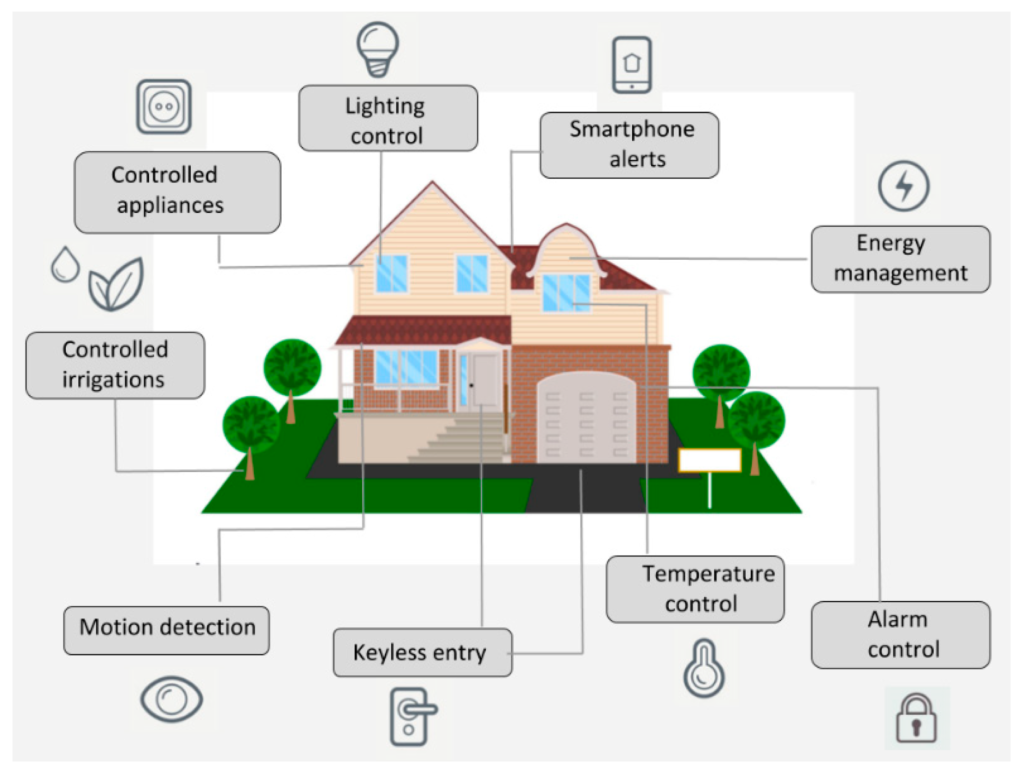
The integration of IoT in Smart Energy Management signifies a paradigm shift in the energy sector. This section introduces the fundamental concepts and principles of IoT, highlighting its pivotal role in enhancing efficiency, reducing wastage, and creating a more sustainable energy ecosystem.
Enhancing Grid Management with IoT
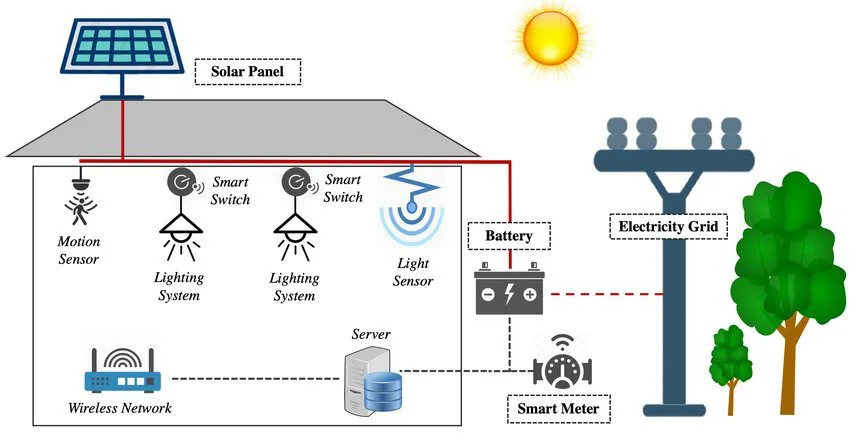
One of the primary applications of IoT in Smart Energy is its impact on grid management. IoT-enabled sensors and devices facilitate real-time monitoring of the power grid, optimising energy distribution, and minimising losses. This section explores how IoT enhances the reliability and resilience of power grids.
Smart Metering for Efficient Consumption

The deployment of smart meters is a key facet of IoT in Smart Energy. These devices enable real-time tracking of energy consumption patterns, empowering consumers to make informed decisions about their usage. This section delves into the role of smart meters in promoting energy efficiency and reducing overall consumption.
Optimising Energy Production with IoT
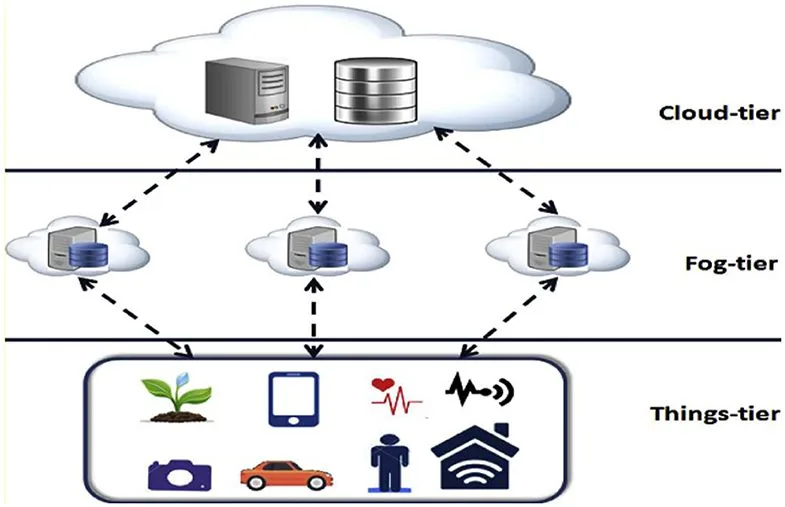
In the realm of renewable energy, IoT plays a crucial role in optimising production. Smart sensors in wind turbines and solar panels gather data on weather conditions and performance metrics, allowing for real-time adjustments to maximise energy output. This section explores how IoT contributes to the efficiency of renewable energy sources.
Predictive Maintenance for Energy Infrastructure
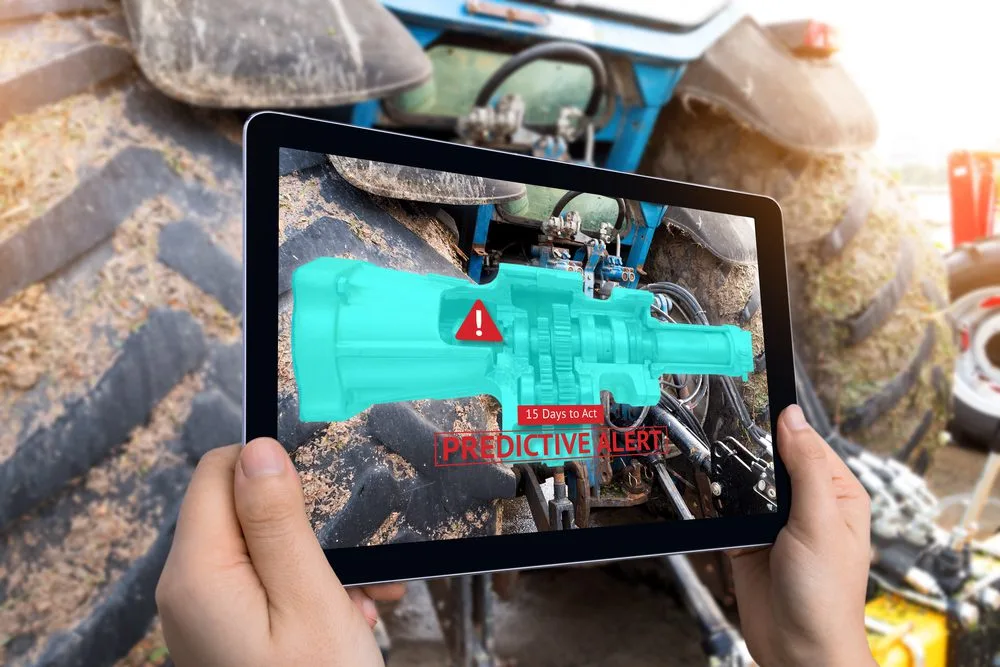
The predictive maintenance capabilities of IoT devices have a profound impact on the reliability of energy infrastructure. By continuously monitoring equipment health and performance, IoT facilitates proactive maintenance, reducing downtime and extending the lifespan of critical components. This section examines how predictive maintenance transforms energy asset management.
IoT and Demand Response Programs
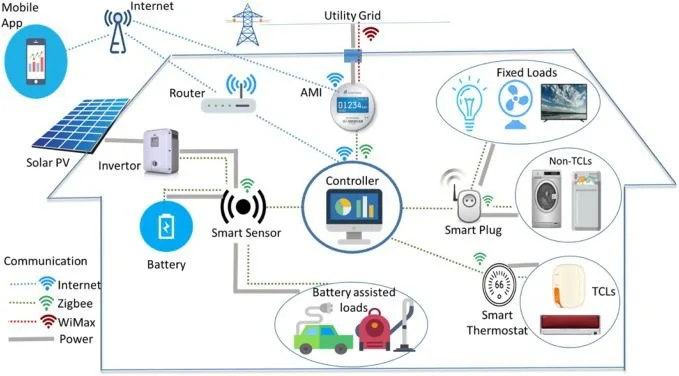
Demand response programs, crucial for balancing energy supply and demand, benefit significantly from IoT integration. Smart devices in homes and businesses can automatically adjust energy usage based on grid conditions, contributing to grid stability. This section explores the role of IoT in enhancing demand response initiatives.
Building Automation and Energy Efficiency
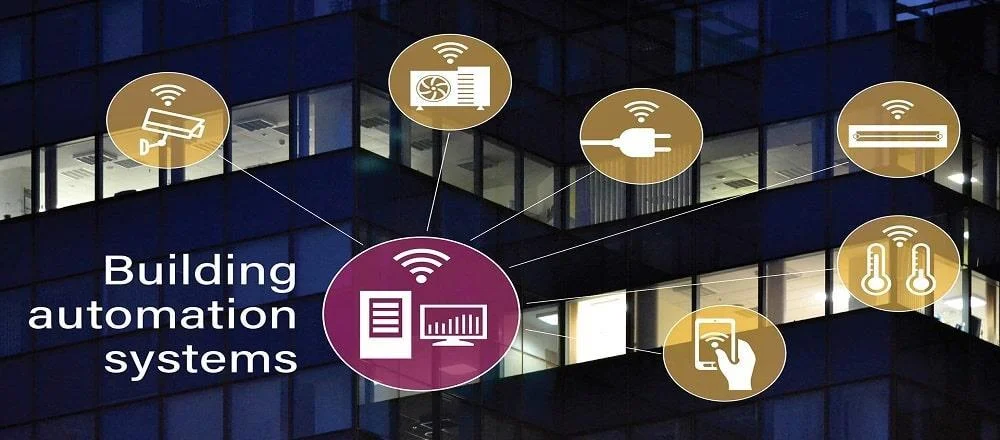
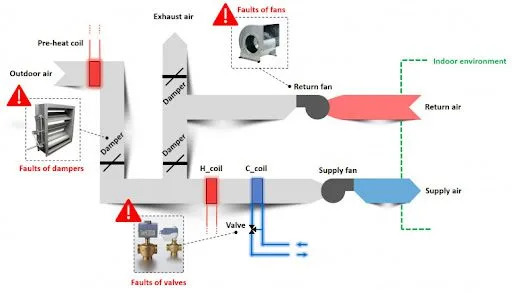
In the realm of buildings, IoT-driven solutions enable sophisticated energy management through building automation. Smart HVAC systems, lighting, and occupancy sensors work in tandem to optimise energy usage in real-time. This section delves into the applications and benefits of IoT in building energy efficiency.
Securing Smart Energy Infrastructure

As IoT permeates the energy landscape, ensuring robust cybersecurity becomes imperative. This section explores the challenges and solutions related to securing smart energy infrastructure, addressing vulnerabilities and emphasising the need for resilient cybersecurity measures.
Data Analytics and Decision Support in Energy
The wealth of data generated by IoT devices in the energy sector necessitates advanced analytics for meaningful insights. This section discusses how data analytics and decision support systems, powered by IoT data, aid in strategic decision-making for energy utilities and providers.
IoT in Smart Homes for Energy Efficiency
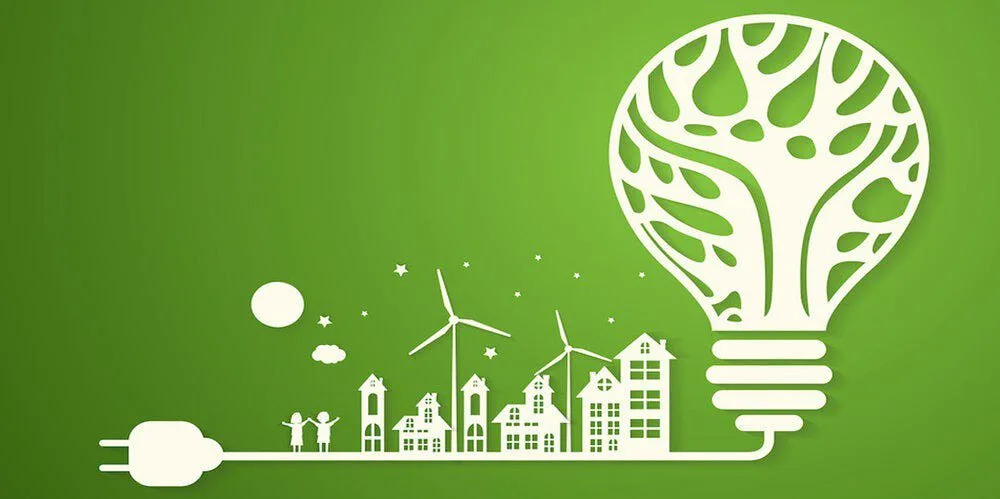
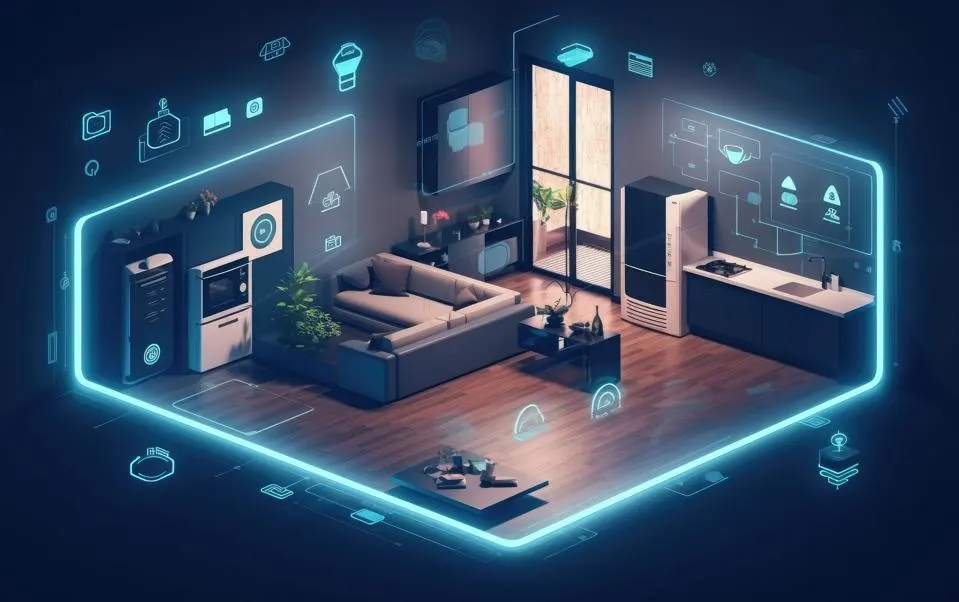
At the consumer level, IoT’s influence extends to smart homes, where connected devices enable residents to manage energy usage seamlessly. This section explores the role of IoT in creating energy-efficient smart homes, from smart thermostats to connected appliances.
Regulatory Landscape and Standards for IoT in Energy

The widespread adoption of IoT in Smart Energy necessitates a robust regulatory framework. This section explores existing regulations and standards governing IoT applications in the energy sector, emphasising the need for a cohesive and standardised approach to ensure interoperability and security.
Future Trends and Innovations in IoT for Smart Energy
Looking ahead, this section anticipates future trends and innovations in IoT for Smart Energy Management. From the integration of artificial intelligence to advancements in edge computing, the evolving landscape holds promises of even greater efficiency and sustainability.
Conclusion: Shaping a Sustainable Energy Future with IoT
In conclusion, this comprehensive exploration into the role of IoT in Smart Energy Management unveils a transformative journey. From optimising grid operations and enhancing renewable energy production to empowering consumers with smart technologies, IoT emerges as a catalyst for sustainable energy practices. The seamless integration of IoT into the energy ecosystem promises a future where efficiency, resilience, and environmental stewardship converge.
Also read our blog on Investigating the Potential of IoT for Smart Healthcare Solutions










