
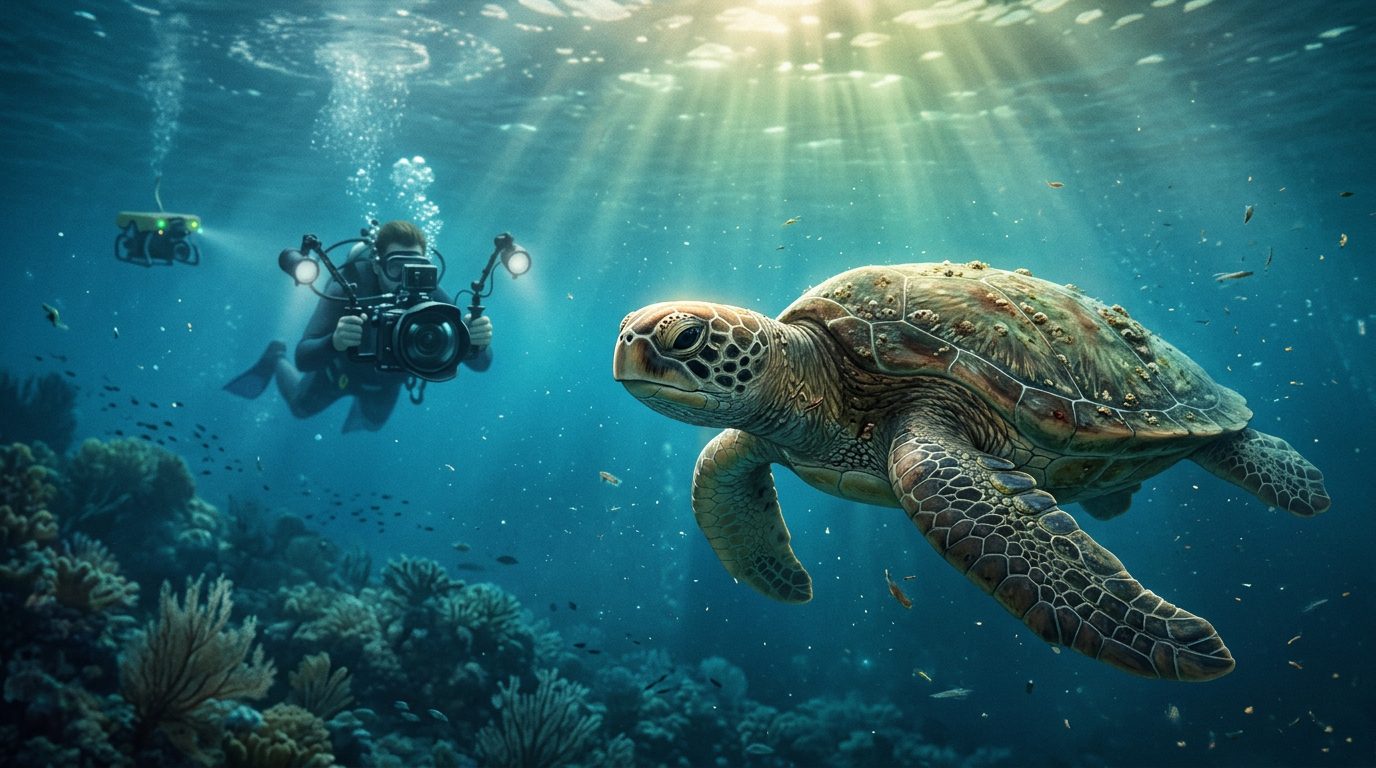
Blue Planet III AI is highlighting a surprising change in wildlife filmmaking: the BBC is deliberately retaining imperfect underwater footage to help audiences recognise that the extraordinary animals on screen are real. As artificial intelligence makes synthetic wildlife imagery increasingly convincing, the production team is embracing the ocean’s natural messiness rather than removing every distracting detail.
In reporting published on 24 October 2026, The Guardian described how the documentary is keeping cloudy water, floating plankton and objects that might once have been edited out. The aim is to reinforce the authenticity of the footage at a time when viewers can no longer assume that a spectacular image necessarily depicts a real event.
The decision raises a broader question for broadcasters, digital publishers and technology companies: how can audiences distinguish genuine evidence from convincing synthetic content?
The Blue Planet III AI approach highlights how documentary makers can preserve credibility without sacrificing visual quality. By retaining natural details, Blue Planet III AI gives viewers more context about the conditions in which wildlife footage was recorded. This Blue Planet III AI strategy also raises important questions about transparency, digital media and the future of authentic storytelling.
1. Why Blue Planet III Is Embracing Imperfect Footage
For years, premium nature documentaries have pursued exceptional image quality. Filmmakers have carefully composed shots, selected favourable conditions and removed distracting elements to produce immersive viewing experiences.
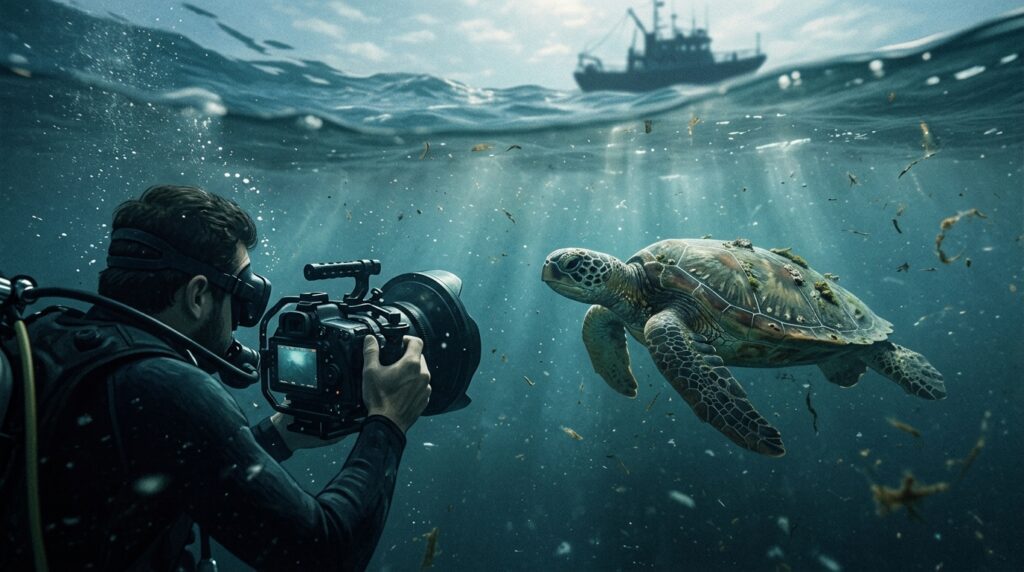
Blue Planet III is challenging the assumption that cleaner footage is always better. Executive producer Elizabeth White explained that shots containing substantial plankton, boats or buoys might previously have been rejected, reframed or excluded because they were considered visually distracting.
The team is now allowing some of these details to remain. This approach makes the footage feel more organic and acknowledges that the underwater world does not always provide perfect filming conditions.
The Blue Planet III AI discussion is therefore about more than a visual style. It reflects a changing media environment in which the apparent perfection of an image can make audiences question whether it was captured by a camera or created using generative AI.
For documentary producers, Blue Planet III AI demonstrates why authenticity can matter more than flawless presentation. The Blue Planet III AI approach allows natural filming conditions to remain visible instead of removing every imperfection. As synthetic imagery advances, Blue Planet III AI could encourage other filmmakers to reconsider how they present genuine wildlife footage.
2. The BBC Says No Generative AI Was Used
The BBC has made a clear statement about the documentary’s production. Jack Bootle, the broadcaster’s head of specialist factual commissioning, told journalists that generative AI had not been used in the series and that its footage was real photography.
That assurance is important as AI systems become capable of producing convincing underwater scenes, unfamiliar marine creatures and apparently realistic animal behaviour without recording anything in the natural world.
However, Blue Planet III AI also highlights why statements about authenticity may become more important across the media industry. Audiences increasingly need to understand how visual material was created, whether it documents a real event and whether any synthetic elements have been introduced.
Retaining natural imperfections is one way to make genuine footage feel more recognisable. It cannot independently prove authenticity, but it can support a broader commitment to transparency and responsible production.
For publishers, the lesson is straightforward: explaining how content was produced can be just as important as presenting the finished image.
The Blue Planet III AI discussion also underlines the importance of explaining how footage is created. Blue Planet III AI shows why production transparency can help audiences evaluate visual evidence. For broadcasters, the Blue Planet III AI example reinforces the need to communicate clearly about recording methods and the use of generative tools.
3. Remarkable Animal Behaviour That AI Cannot Replace
One of the strongest arguments for authentic wildlife filmmaking is the extraordinary behaviour its cameras can document.
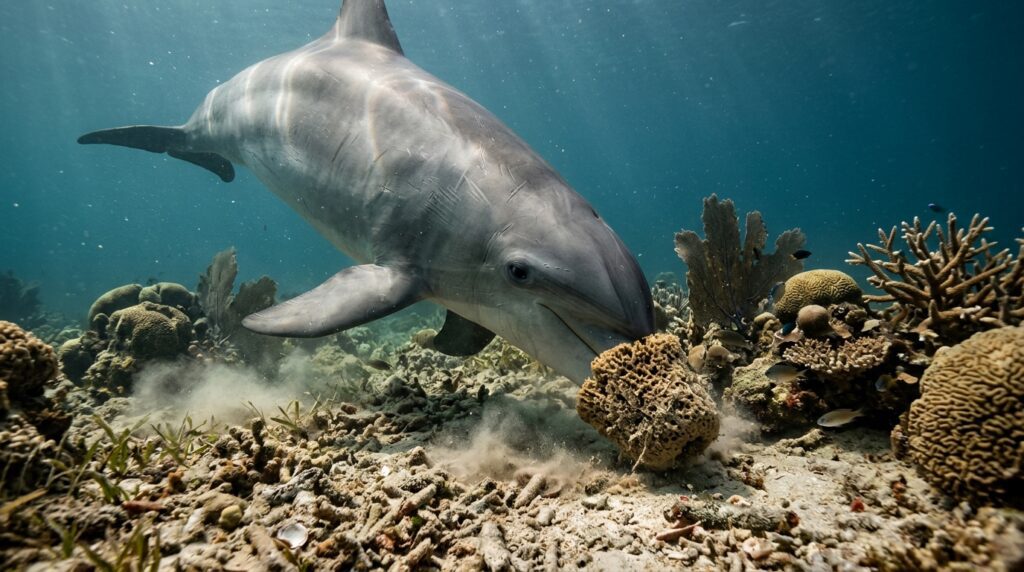
According to reporting by The Guardian, the production captured dolphins using sea sponges to block holes in coral formations and trap fish. The behaviour was filmed using an underwater CCTV camera developed for the programme by producer and director Yoland Bosiger.
The documentary also features groupers signalling to another species of fish, large gatherings of crabs assembling to feed and sea urchins using shells for protection from the sun.
These discoveries demonstrate the difference between generating a plausible image and documenting a real event. An AI model might create a convincing illustration of a dolphin hunting, but that is not the same as recording an animal carrying out a particular behaviour in its natural habitat.
Blue Planet III AI brings this distinction into focus. The documentary’s value comes not simply from producing beautiful pictures, but from preserving evidence of how marine animals live, adapt and interact.
The Blue Planet III AI debate is especially relevant when documentaries reveal unusual animal behaviour. Blue Planet III AI highlights the difference between generating a plausible scene and recording an event in the wild. This Blue Planet III AI perspective makes authentic observation particularly valuable for wildlife science and public education.
4. New Camera Technology Is Expanding Wildlife Filming
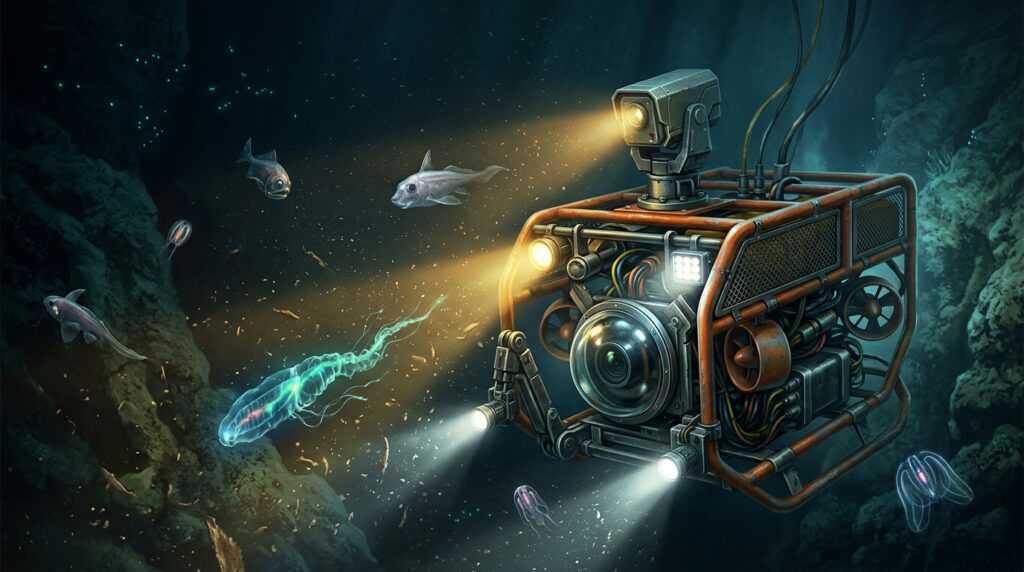
The documentary demonstrates that technology remains essential to modern wildlife filmmaking. Production took place over four years across five oceans, with the team developing or adapting equipment to capture behaviour that conventional cameras might miss.
Reported innovations include the programme’s underwater CCTV camera, a mini-dome camera designed to follow an octopus, specialised equipment for deep-sea filming and lasers used to record deep-ocean creatures.
These tools expand what filmmakers can observe without requiring AI to generate the animals or events being shown.
This distinction matters because artificial intelligence can serve many different roles in production. It may help with research, editing, translation, organisation and other workflows, while the underlying footage can still be recorded in the natural world.
The Blue Planet III AI debate is therefore not simply about rejecting technology. It is about understanding the difference between technology that helps document reality and technology that generates images audiences could mistake for documentary evidence.
The Blue Planet III AI story demonstrates that advanced equipment can improve documentary filmmaking without requiring synthetic wildlife footage. Blue Planet III AI also illustrates how cameras and observation systems can reveal behaviour that would otherwise remain unseen.
5. What Blue Planet III Means for Trust in the AI Era
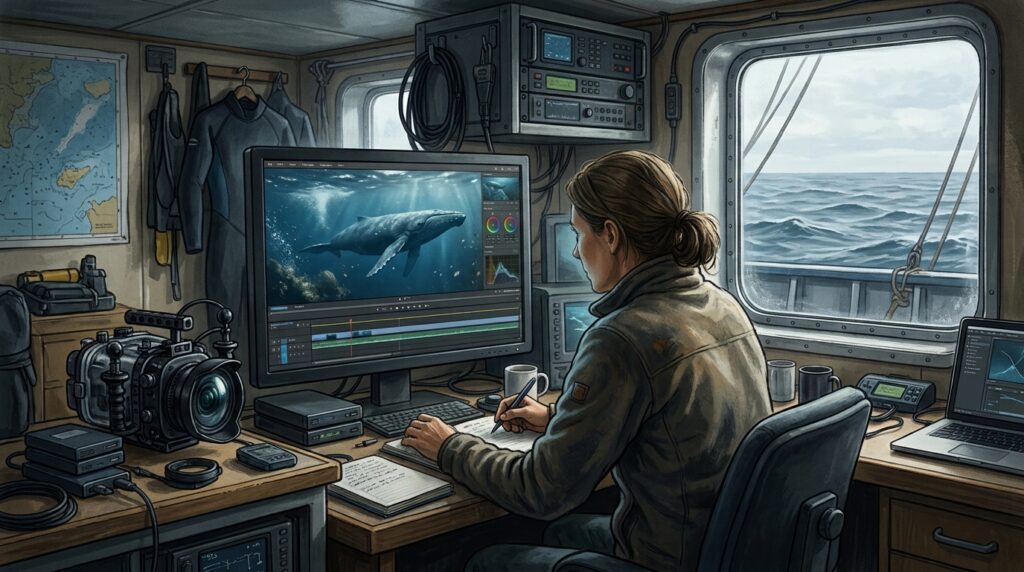
The challenge extends well beyond wildlife television. News organisations, educators, researchers and online publishers increasingly need to establish whether photographs and videos represent genuine events.
Generative AI can be useful for creative work, visualisation and education. However, synthetic media can also be used to mislead audiences, fabricate evidence or make false claims appear credible.
The approach taken by Blue Planet III AI suggests one way to respond: make the real-world conditions behind visual content part of the story instead of relying entirely on polished presentation.
Still, imperfect footage should not be treated as proof by itself. Genuine footage can be edited misleadingly, while synthetic imagery can be responsibly produced and clearly labelled. Reliable verification requires transparent sourcing, documented production processes and appropriate editorial standards.
For digital publishers and businesses adopting AI, the wider lesson is to build trust into the content workflow from the beginning. Clear disclosure and accurate representation are likely to remain important as synthetic content becomes more commonplace.
Businesses exploring practical AI and technology solutions can also learn more through Progressive Robot.
For digital publishers, Blue Planet III AI offers a useful example of why trustworthy content requires transparency. The Blue Planet III AI approach cannot prove authenticity on its own, but it supports a wider conversation about provenance, disclosure and responsible media production.
6. Ocean Conservation Remains Central to the Story
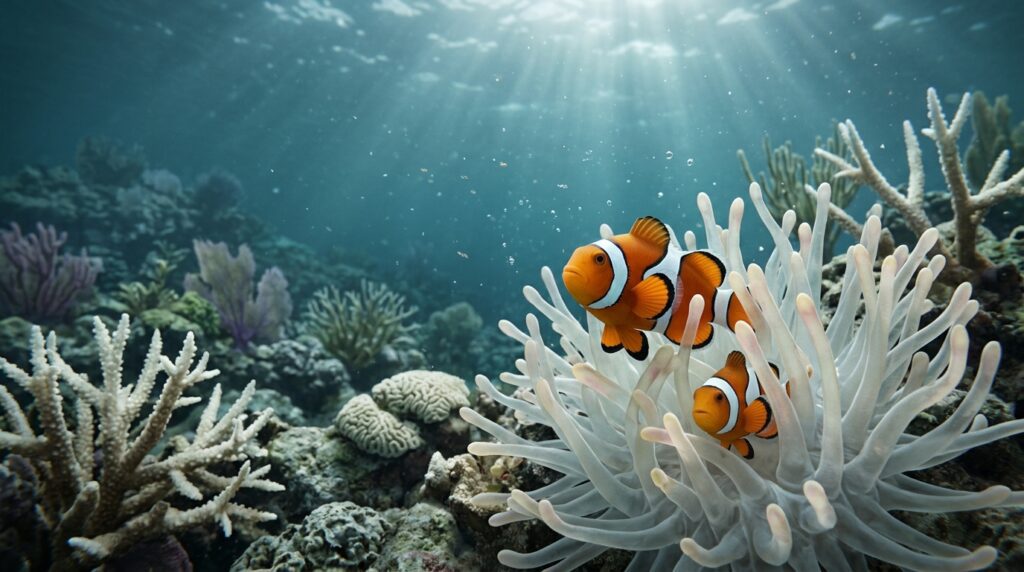
The documentary is not solely concerned with the authenticity of its images. It also continues the environmental themes associated with the Blue Planet series.
Reporting on the programme highlights the effects of warmer seas on clownfish habitats, alongside continuing concerns about plastic pollution and persistent chemical pollutants, sometimes referred to as forever chemicals.
These stories demonstrate why genuine wildlife observation matters. Real footage can help researchers and audiences understand environmental change, document animal responses and communicate scientific findings in an accessible way.
The Blue Planet III AI discussion also reinforces the importance of credible environmental storytelling. When people can trust what they are watching, documentaries have a stronger foundation for explaining the pressures facing marine ecosystems and the possible consequences for wildlife.
In an online environment increasingly filled with synthetic imagery, authentic footage can provide a valuable connection to places and animals that most viewers will never encounter directly.
The Blue Planet III AI discussion ultimately connects technological change with the importance of reliable environmental storytelling. Blue Planet III AI reminds audiences that genuine observations can help communicate the condition of marine ecosystems.
Conclusion: Real Nature Does Not Need to Look Perfect
Blue Planet III is making an important point about the future of visual media. As AI-generated imagery becomes more convincing, authenticity may depend less on achieving flawless pictures and more on showing audiences how those pictures were captured.
By retaining cloudy water, floating plankton and other natural imperfections, the BBC production challenges the idea that every image must look digitally immaculate.
Blue Planet III AI ultimately highlights a crucial distinction: artificial intelligence can create extraordinary representations of nature, but real-world observation documents what animals actually do. Preserving that evidence, communicating transparently and maintaining audience trust will remain essential as the technology evolves.
Ultimately, Blue Planet III AI reflects a broader shift in how audiences assess digital images. The Blue Planet III AI example suggests that authentic details, clear production practices and reliable evidence will remain essential as generative technology develops.
The series is scheduled to begin on BBC One and BBC iPlayer on 1 November 2026, according to reporting published on 24 October. For wildlife filmmakers and digital publishers alike, its approach offers a timely reminder that imperfection can sometimes make a story more believable.
Sources
More AI coverage: explore Progressive Robot's AI Models, Tools & Releases hub — hands-on reviews, setup guides and benchmarks in one place.










