Firewall

How to Configure OpenVPN Server on FreeBSD 13 — step-by-step FreeBSD 13 tutorial on Progressive Robot

How to Configure OpenVPN Server on FreeBSD 13

Introduction How to Configure OpenVPN Server on FreeBSD 13 is a core administration task for any FreeBSD 13 server operator. FreeBSD 13 ships with the 15.0-RELEASE kernel, ZFS as the default root filesystem, Capsicum capability sandboxing improvements, and an updated ports tree. Unlike Linux distributions, FreeBSD uses rc(8) for service management, pf for packet filtering, […]
Read more
How to Install and Secure Redis on Ubuntu: Complete Guide (2025–2026) — step-by-step tutorial on Progressive Robot

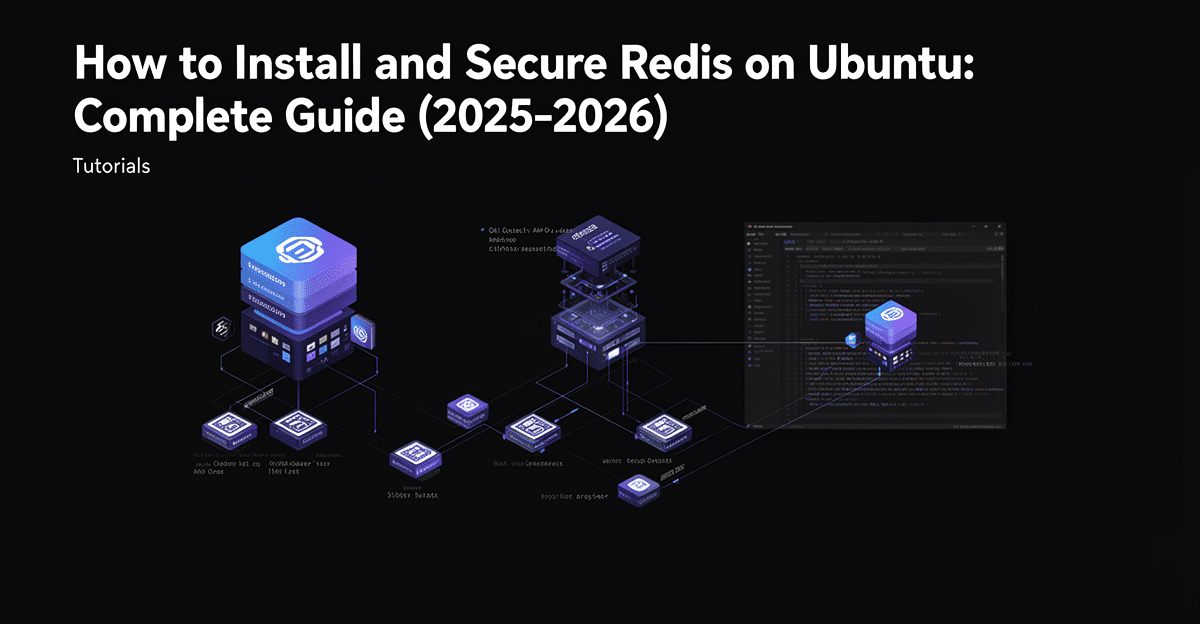
How to Install and Secure Redis on Ubuntu: Complete Guide (2025–2026)

In 2025–2026, installing and securing Redis on Ubuntu is a critical task for developers and sysadmins using Redis as a fast in-memory cache, session store, message broker, or real-time data engine. By default, Redis listens on all interfaces without authentication—leaving it vulnerable if port 6379 is exposed. This step-by-step guide shows you exactly how to install and secure Redis on Ubuntu (22.04 LTS, 24.04 LTS, and later), including binding to localhost, setting a strong password (or ACLs), renaming/disabling dangerous commands, and verifying everything works.

Read more
How to Use SFTP to Securely Transfer Files: Complete Guide (2025–2026) — step-by-step tutorial on Progressive Robot

How to Use SFTP to Securely Transfer Files: Complete Guide (2025–2026)

In 2025–2026, securely transferring files to and from remote servers remains essential for developers, sysadmins, and DevOps teams. Legacy FTP is insecure and widely deprecated due to plain-text credentials and data. SFTP (Secure File Transfer Protocol) — built into SSH — provides encrypted, reliable file transfers and is the modern standard replacement.

Read more
How to Use Ansible WinRM to Manage Windows Server 2025 — step-by-step Windows Server 2025 tutorial on Progressive Robot

How to Use Ansible WinRM to Manage Windows Server 2025

How to Use Ansible WinRM to Manage Windows Server 2025 Ansible’s WinRM transport is the bridge between your Linux-based Ansible control node and Windows managed hosts. While the previous guide introduced WinRM basics with NTLM authentication, production environments often demand stronger security guarantees: encrypted credential delegation through CredSSP, Kerberos single sign-on in Active Directory domains, […]

Read more
How to Set Up Unbound DNS Resolver on FreeBSD 13 — step-by-step FreeBSD 13 tutorial on Progressive Robot

How to Set Up Unbound DNS Resolver on FreeBSD 13

Introduction How to Set Up Unbound DNS Resolver on FreeBSD 13 is a core administration task for any FreeBSD 13 server operator. FreeBSD 13 ships with the 15.0-RELEASE kernel, ZFS as the default root filesystem, Capsicum capability sandboxing improvements, and an updated ports tree. Unlike Linux distributions, FreeBSD uses rc(8) for service management, pf for […]

Read more
How to Install Ansible and Manage Windows Servers with Ansible on Windows Server 2025 — step-by-step Windows Server 2025 tutorial on Progressive Robot

How to Install Ansible and Manage Windows Servers with Ansible on Windows Server 2025

How to Install Ansible and Manage Windows Servers with Ansible on Windows Server 2025 Ansible is an agentless automation platform that manages remote systems by pushing configuration over existing protocols. On Linux targets Ansible uses SSH; on Windows targets it uses WinRM (Windows Remote Management), the native Windows remoting protocol. This means Windows Server 2025 […]

Read more
How to Install and Configure BIND9 DNS Server on FreeBSD 13 — step-by-step FreeBSD 13 tutorial on Progressive Robot

How to Install and Configure BIND9 DNS Server on FreeBSD 13

Introduction How to Install and Configure BIND9 DNS Server on FreeBSD 13 is a core administration task for any FreeBSD 13 server operator. FreeBSD 13 ships with the 15.0-RELEASE kernel, ZFS as the default root filesystem, Capsicum capability sandboxing improvements, and an updated ports tree. Unlike Linux distributions, FreeBSD uses rc(8) for service management, pf […]

Read more
How to Install Java on Ubuntu: JRE, JDK, OpenJDK & Oracle Guide (2025) — step-by-step tutorial on Progressive Robot

How to Install Java on Ubuntu: JRE, JDK, OpenJDK & Oracle Guide (2025)

In 2025, installing Java on Ubuntu remains essential for running applications like Tomcat, Jetty, Glassfish, Cassandra, and Jenkins. The Java Virtual Machine (JVM) powers these tools, and Ubuntu’s apt makes setup straightforward for both Java Runtime Environment (JRE) and Java Development Kit (JDK). This step-by-step how to install Java on Ubuntu guide covers OpenJDK (default, open-source) and Oracle JDK installations, managing multiple versions, setting JAVA_HOME, troubleshooting, and best practices. Whether you’re a developer or sysadmin, follow these instructions for a seamless setup on Ubuntu 22.04+.

Read more
CHAT