
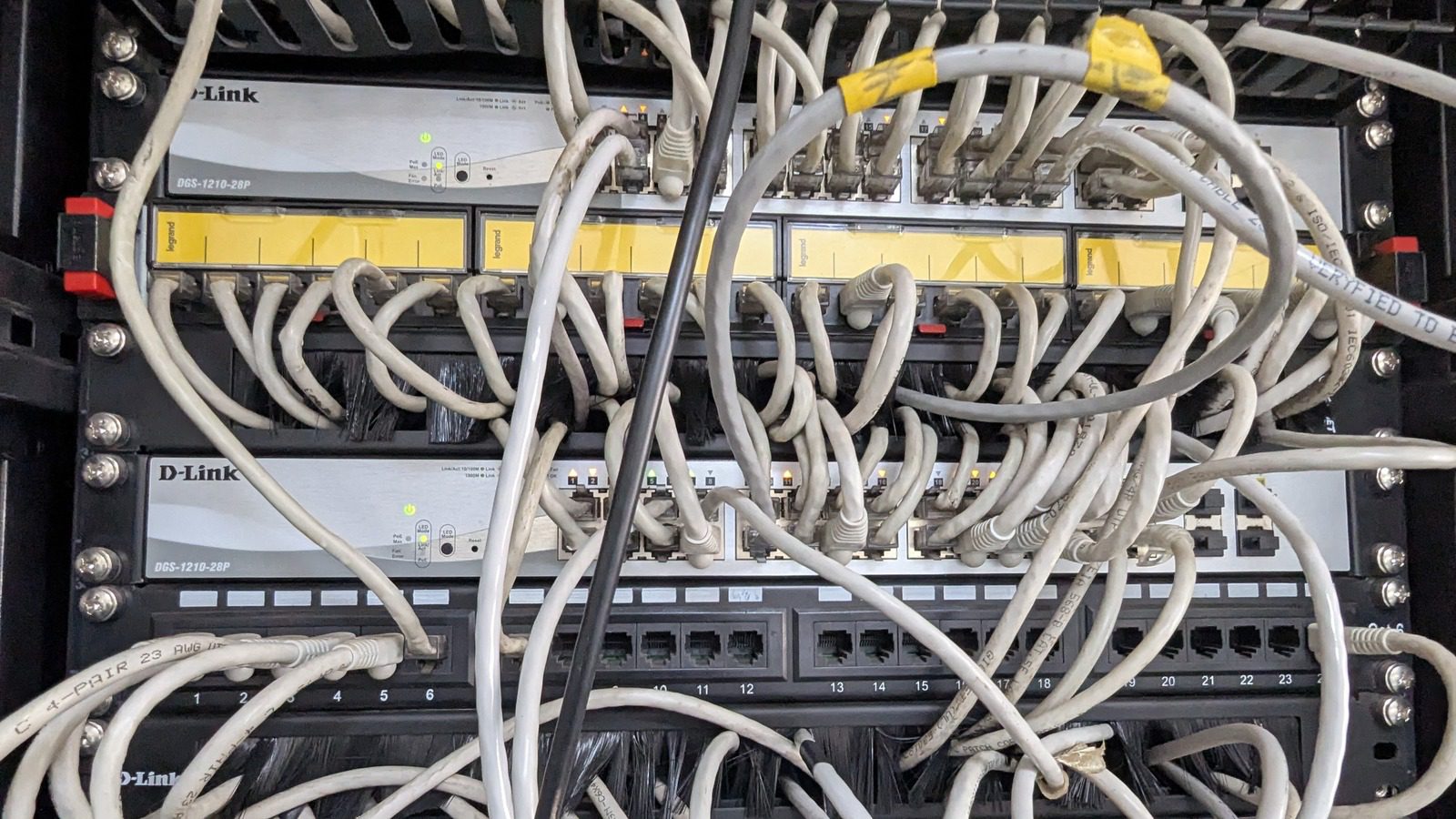
Power-Independent Infrastructure is the practical architecture UK firms need when the question changes from “is the cloud up?” to “can the business keep working when the building, street, mobile network, or local grid is not behaving normally?” Grid instability, local power cuts, high-peak energy shedding, supplier constraints, and extreme weather do not all produce the same outage. They create messy partial failures: the office has lights but no broadband, the warehouse has Wi-Fi but no tills, the cloud application is online but identity is unreachable, or the generator runs but the comms cabinet was never put on the protected circuit.
That is why island-mode IT matters. In engineering, an islanded system can operate independently from the wider grid for a limited period. In business technology, the same idea means a firm can run its critical services in a controlled, degraded, power-aware mode while external supply, connectivity, or facilities conditions recover. Power-Independent Infrastructure is not about turning every SME into a data centre operator. It is about deciding which systems must survive, how long they must survive, what can safely sleep, and how staff will work when power is constrained.
UK firms should treat this as a board-level continuity issue. The Cabinet Office’s National Risk Register 2025 is aimed at risk and resilience practitioners, including businesses, and frames national risk as a practical planning discipline rather than a remote government exercise. GOV.UK Emergency Preparedness guidance covers business continuity management, emergency planning, communication, and cooperation. At the operational level, distribution network operators such as UK Power Networks provide power-cut guidance, while the National Energy System Operator’s Demand Flexibility Service shows how demand-side flexibility is becoming part of the UK’s energy toolkit.
Power-Independent Infrastructure turns those external risks into a technology plan: protected circuits, UPS runtime, generator interfaces, offline workflows, cloud failover, identity survival, communications fallback, telemetry, and staff decision rules. The goal is not perfect uptime. The goal is calm, measurable continuity.
Why island-mode IT now matters for UK firms
Power-Independent Infrastructure is becoming more relevant because business dependence on electricity has become total, while energy and climate risks are becoming more operationally visible. A shop can lose payment terminals before it loses lighting. A manufacturer can lose a production schedule because a network switch is on an unprotected spur. A care provider can keep laptops alive but lose secure access to records. A professional services firm can have cloud apps online while staff cannot authenticate because a local router, DNS resolver, or identity proxy failed.
Peak energy events also create a different kind of stress. Firms may not face a dramatic blackout, but they may face high-cost windows, local supply constraints, voluntary load reduction, building-management decisions, landlord controls, or facilities-led power shedding. The business still needs to know which systems can pause and which cannot.
This is where ordinary disaster recovery is too narrow. Traditional DR often assumes a data centre failure, a cloud-region failure, ransomware, or a server loss. Power-Independent Infrastructure starts from a more physical question: what if the local electrical and connectivity environment becomes unreliable while customers, staff, and regulators still expect the firm to function?
The answer is not simply “move everything to cloud”. Cloud services help, but only if the local office can reach them, staff can authenticate, endpoint batteries last, network paths remain available, and critical work can continue during degraded conditions. The NCSC’s Cloud Security Principles explicitly include asset protection and resilience, operational security, secure user management, identity, external interface protection, audit information, and secure use of services. Those are island-mode questions as much as cloud-security questions.
What Power-Independent Infrastructure really means
Power-Independent Infrastructure means designing IT services by survival tier, not by org chart. It asks each system four questions: does it need power, does it need network, does it need live cloud access, and does it need a human decision before it can shut down or degrade?
For most UK firms, the island-mode estate has four layers:
| Layer | Island-mode requirement | Common mistake |
|---|---|---|
| Critical work | Payments, safety, bookings, dispatch, care, production, access control, support, finance cut-offs | Treating every application as equally critical |
| Local power | UPS, protected circuits, generator transfer, battery stations, safe shutdown | Protecting servers but not switches, routers, displays, or access points |
| Connectivity | Dual WAN, 4G/5G backup, satellite where justified, local DNS, offline procedures | Buying a backup line that enters the same duct or depends on the same power room |
| Data and identity | Offline caches, read-only replicas, break-glass accounts, backup MFA methods, logs | Assuming cloud identity will always be reachable from a dark office |
Power-Independent Infrastructure is successful when staff know what continues, what pauses, what switches path, and what must be manually approved. The system should fail smaller, not louder.
1. Start with a survival map, not a generator quote
Many firms start the conversation by asking, “How big a UPS do we need?” That is the wrong first question. Power-Independent Infrastructure starts with a survival map.
The map should list business services, technical dependencies, acceptable outage time, acceptable data loss, power draw, connectivity needs, staff roles, and manual fallback. A payment terminal may be more important than a meeting room screen. A warehouse label printer may matter more than a large office monitor. A small PoE switch may be the actual dependency behind CCTV, Wi-Fi, phones, door access, and handheld scanners.
Use simple tiers:
- Tier 0: safety, security, life-critical, legal, and emergency communications.
- Tier 1: revenue-critical and customer-critical operations.
- Tier 2: internal productivity systems that can degrade for several hours.
- Tier 3: non-urgent services that should shut down during constrained power.
This aligns IT with business continuity rather than hardware preference. It also prevents overspending. A firm does not need to power everything during a grid event. It needs to power the right things in the right sequence.
2. Build the UPS layer around circuits, not devices
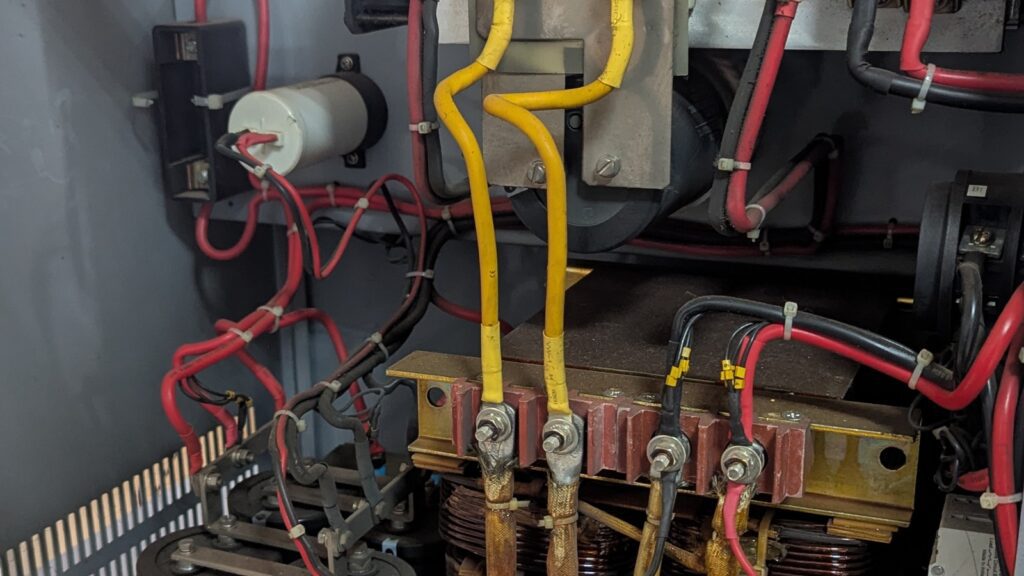
Power-Independent Infrastructure depends on UPS design, but a UPS is only useful if it protects the whole service path. A server plugged into backup power still fails if the firewall, fibre ONT, switch, Wi-Fi access point, local DNS appliance, or door controller is outside the protected circuit.
The UPS layer should cover:
- Core network cabinet.
- Internet termination equipment.
- Firewall and SD-WAN appliance.
- Essential switches and PoE loads.
- Storage or edge server where still used.
- Access control and security equipment where appropriate.
- One or two emergency workstations or charging points.
Runtime targets should be explicit. A five-minute UPS is a safe-shutdown tool. A thirty-minute UPS is a bridge. A two-hour battery design is an operating mode. Power-Independent Infrastructure should label these clearly so managers do not expect a shutdown buffer to behave like resilience.
3. Treat generators as operational systems
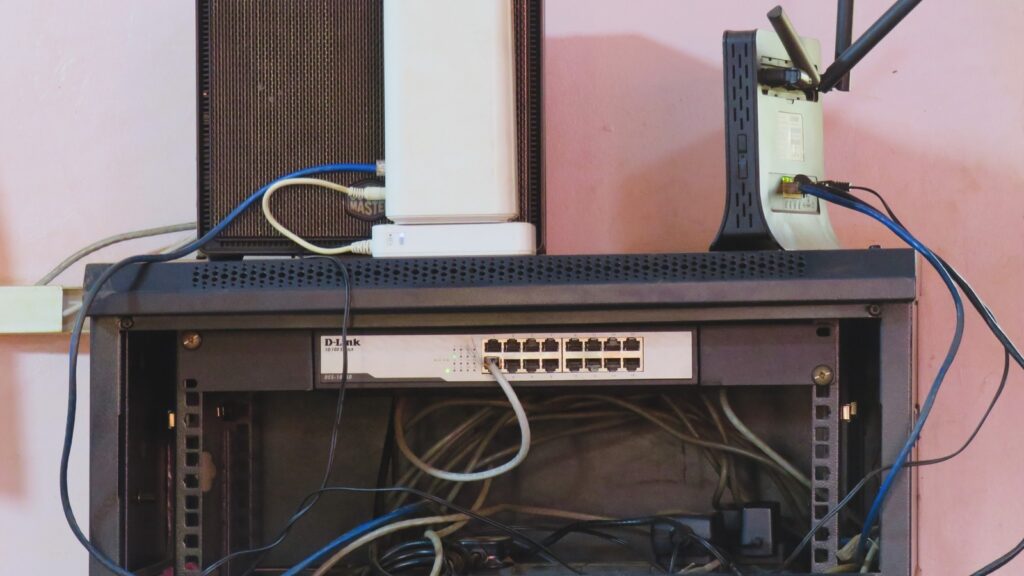
Generators can help, but they are not magic. They need fuel, ventilation, safe placement, transfer arrangements, maintenance, testing, load limits, acoustic planning, landlord approval, and staff procedures. They also create cybersecurity and safety questions when connected to building-management systems, monitoring portals, or remote start controls.
Power-Independent Infrastructure should define what a generator is allowed to carry. The protected load might include network, refrigeration, tills, dispatch, access control, a small number of desks, and emergency lighting. It probably should not include every office appliance, every heater, every large screen, and every convenience device.
Firms should also document generator runbooks. Who starts it? Who checks fuel? Who can authorize load shedding? How are carbon monoxide and noise risks managed? What happens if the generator starts but broadband does not return? The technology plan and facilities plan need to meet before the outage, not during it.
4. Design cloud access for a dark building
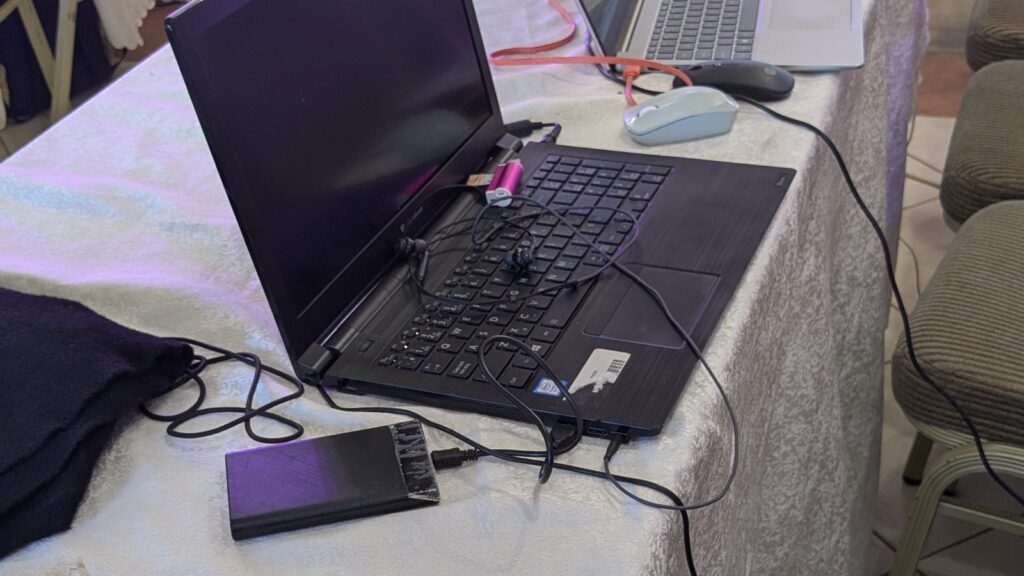
Power-Independent Infrastructure does not reject cloud. It makes cloud reachable during local stress.
That means dual connectivity with genuine path diversity, not just two contracts. A fibre circuit and a backup 5G router may be enough for many offices. A warehouse, rural site, port, clinic, or logistics yard may need a different mix. The key is to test the whole path under constrained power. If the 5G router is in a comms room with no UPS, it is not a backup. If the backup line depends on the same building riser, it may not survive the same incident.
Progressive Robot’s earlier guide to Cloud Region Failure is relevant because cloud resilience and local resilience must meet. A multi-region application still fails locally if staff cannot reach it, authenticate, print, scan, or communicate.
5. Keep identity, DNS, and access alive
Identity is one of the quiet failure points in energy events. Staff may have internet access but no working MFA device. A local directory connector may be offline. DNS may depend on a powered-down appliance. Conditional access may block a backup network path. A security tool may quarantine a device because it cannot reach a control plane.
Power-Independent Infrastructure should include an identity survival pattern:
- Break-glass accounts with strict monitoring.
- Backup MFA methods for named responders.
- Tested local DNS or resilient resolver settings.
- Documented emergency access for critical SaaS systems.
- Conditional-access policies that recognize approved backup networks.
- Offline copies of emergency contact lists and vendor escalation paths.
This is not a licence to weaken security. It is a controlled exception design. The NCSC’s guidance on cloud identity, secure user management, audit information, and external interface protection gives a useful framework for making emergency access strong enough to be safe.
6. Create offline-first workflows for the first four hours
Power-Independent Infrastructure should assume that the first few hours of an energy event are confusing. Nobody knows whether the issue will last ten minutes, four hours, or a day. That is why firms need offline-first workflows for critical tasks.
Examples include:
- Read-only customer or patient lists exported on a schedule.
- Local copies of job sheets, route plans, production schedules, and emergency contacts.
- Payment fallback rules and cash/card terminal decisions.
- Manual ticket numbering for support teams.
- Paper or offline forms for safety, care, delivery, and facilities checks.
- Sync rules for reconciling work after systems return.
The NCSC’s Small organisations guide to cyber security emphasizes backups, device protection, secure accounts, and spotting attacks. Those same basics matter during power events because hurried manual work can create data leakage, weak passwords, insecure sharing, and reconciliation errors. Power-Independent Infrastructure keeps offline work disciplined instead of chaotic.
7. Use energy-aware automation before emergency shedding
High-peak energy shedding should not be a panic button. It should be an automation policy.
The firm can predefine which services reduce consumption during expensive or constrained windows. Non-critical lab systems can shut down. Batch jobs can move. Charging schedules can pause. Meeting room equipment can sleep. HVAC and IT loads can be coordinated. Non-urgent backups can avoid peak windows if recovery objectives allow it.
Power-Independent Infrastructure makes these decisions visible. Facilities, finance, IT, operations, and security should agree the load-shedding policy before an event. Otherwise, the business risks turning off something important because nobody mapped the dependency.
This is also where demand flexibility becomes practical. NESO’s Demand Flexibility Service is an energy-system example of shifting demand, but firms need their own internal version: what can move, what cannot move, and what requires approval?
8. Put communications in the protected design
Power-Independent Infrastructure fails if people cannot coordinate. During an outage, staff need a trusted channel for decisions, customer messages, vendor escalation, and safety updates. That channel cannot depend on a single app, a single local router, or a single manager’s phone.
The communications layer should include:
- A primary collaboration platform.
- A backup messaging channel.
- A phone tree or SMS broadcast list.
- Printed emergency contacts.
- Customer-facing status messages.
- Supplier and landlord escalation paths.
- Clear authority for declaring island mode and returning to normal.
GOV.UK Thematic Resilience Guidance includes resilient communications as a topic in emergency management. For firms, that principle becomes simple: do not let the incident coordination channel depend on the same single failure as the incident itself.
9. Test island mode as a business exercise
Power-Independent Infrastructure should be tested like a fire drill, not discussed like a procurement option.
Run a tabletop test first. Then run a partial technical test. Then test a live protected-circuit scenario outside peak trading hours. The exercise should answer practical questions: can staff connect through backup WAN, can the till or booking system work, can managers reach the incident plan, can emergency access be audited, can systems shut down cleanly, and can work be reconciled afterwards?
Do not only test the happy path. Test a failed generator start. Test a dead MFA phone. Test a backup router with weak signal. Test a cloud application that is online but slow. Test a branch where the manager is absent. Power-Independent Infrastructure earns its value when the second thing goes wrong.
A 90-day roadmap for island-mode IT
Power-Independent Infrastructure can begin without a giant capital project.
| Timeframe | Action | Output |
|---|---|---|
| Days 1-15 | Identify Tier 0 and Tier 1 services | Survival map and owner list |
| Days 16-30 | Trace power and connectivity dependencies | Protected-circuit and network-path diagram |
| Days 31-45 | Test backup access, DNS, identity, and MFA | Emergency access checklist |
| Days 46-60 | Size UPS and generator needs from measured loads | Runtime and safe-shutdown plan |
| Days 61-75 | Create offline-first workflows | Manual work pack and reconciliation process |
| Days 76-90 | Run a tabletop and partial live test | Issue log, budget, and remediation plan |
This roadmap also supports strategic IT planning. Firms that already review cloud repatriation, identity-first security, or threat exposure management can fold island-mode IT into the same governance cycle.
Procurement questions for resilient IT and energy suppliers
Power-Independent Infrastructure creates new procurement questions. Ask suppliers for evidence, not reassurance.
Use this checklist:
- What is the measured runtime at the load we actually need?
- Which circuits are protected, labelled, and tested?
- Does the backup WAN use a genuinely separate path?
- Can the firewall, DNS, identity, and monitoring stack survive on backup power?
- How are logs retained during local connectivity loss?
- How does emergency access work if MFA, SSO, or a local connector fails?
- What is the manual fallback for payments, bookings, dispatch, safety, and customer communication?
- Who owns fuel, battery health, maintenance, testing, and renewal?
- What evidence will prove the system worked after an event?
The right partner should be comfortable crossing boundaries between IT, facilities, cyber security, cloud, networking, and operations. Power resilience is not only an electrical problem. It is a business-system problem.
FAQ
What is Power-Independent Infrastructure?
Power-Independent Infrastructure is an IT and operations design that lets critical business services run in a controlled degraded mode when grid power, local facilities, or connectivity are unstable. It combines protected power, resilient networking, cloud access, identity survival, offline workflows, monitoring, and tested runbooks.
Is island-mode IT only for large enterprises?
No. Small firms may need it more because one failed router, till, switch, or manager laptop can stop the whole business. Power-Independent Infrastructure can start with a survival map, a protected network cabinet, backup connectivity, offline work packs, and tested emergency access.
Does cloud remove the need for backup power?
No. Cloud reduces local server dependency, but staff still need powered devices, connectivity, identity, DNS, and communications. Power-Independent Infrastructure makes cloud services reachable during local power stress.
Should every system run during a power cut?
No. The point is to keep the right systems online. Non-critical systems should shut down, sleep, or defer work. Power-Independent Infrastructure separates critical operations from convenience loads.
How often should island mode be tested?
At least annually, and after major changes to connectivity, identity, office layout, cloud architecture, payment systems, building power, or critical suppliers. High-risk sites should test more often.
Final thought
Power-Independent Infrastructure is not a luxury add-on for paranoid firms. It is the next practical layer of business continuity for a country where digital work, cloud applications, electronic payments, supply chains, and customer service all depend on electricity behaving predictably. UK firms do not need to overbuild. They need to know what must survive, what can pause, how long the island can run, and how the business will return to normal without losing data, customers, or control.










