
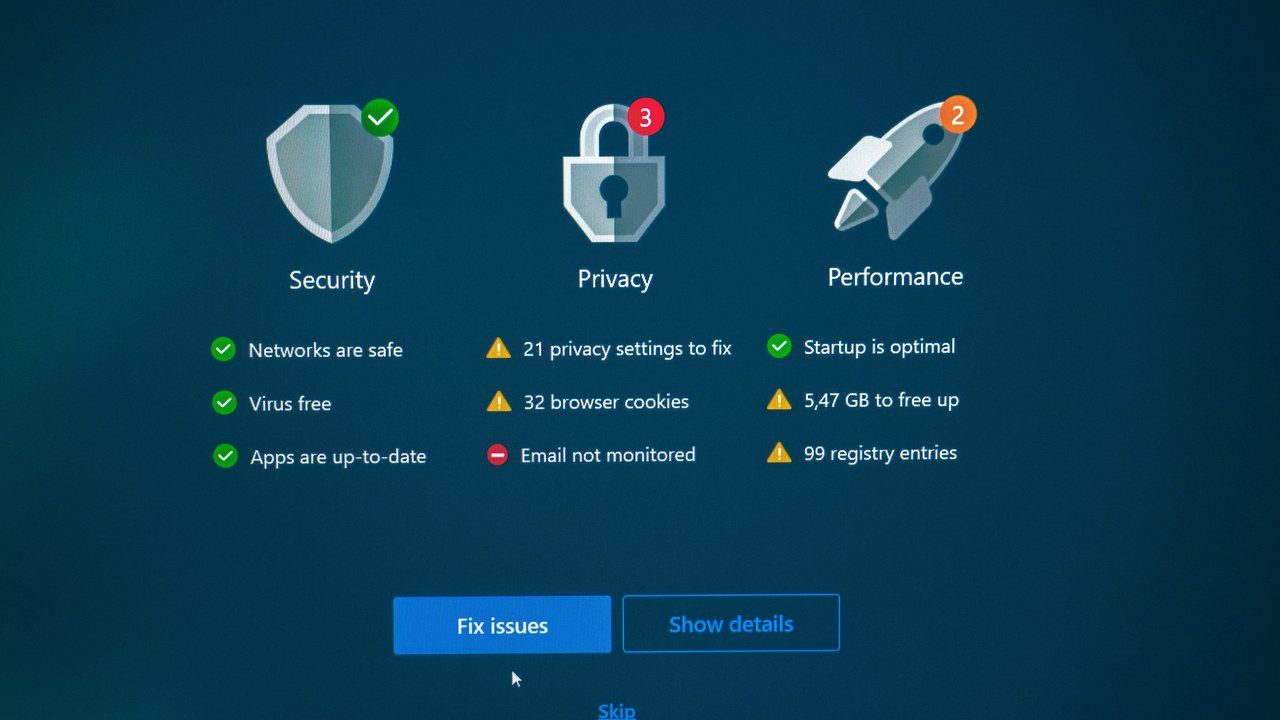
Annual cyber audits still have a place. They reassure boards, support insurance conversations, and help organisations prove that basic controls exist. The problem is that attackers do not wait for the next review cycle. Cloud services change on Tuesday, a supplier exposes an integration on Wednesday, a critical CVE appears on Thursday, and by Friday the neat audit spreadsheet is already out of date.
Threat Exposure Management is the answer many security teams are moving toward. It treats exposure as something that changes every day, not something to inspect once a year. Instead of asking whether a control looked acceptable during a fixed assessment window, Threat Exposure Management asks a more useful operational question: what can an attacker reach, what matters to the business, what is actually exploitable, and who is fixing it now?
For UK SMEs, that shift matters because resources are limited. A smaller business cannot patch everything immediately, investigate every alert, and commission endless consultancy reports. Threat Exposure Management gives leaders a way to replace noise with context. It connects asset discovery, vulnerability data, exploitability, control validation, remediation ownership, and board reporting into one repeatable loop.
This guide explains why periodic annual audits are failing on their own, how real-time vulnerability monitoring supports a modern CTEM programme, and how Progressive Robot would help an SME move from point-in-time assurance to continuous exposure reduction without overwhelming the team.
Threat Exposure Management at a glance

Threat Exposure Management is a continuous programme for finding, prioritising, validating, and reducing the ways an organisation could be attacked. The full term is Continuous Threat Exposure Management, often shortened to CTEM. The important word is continuous. This is not a once-a-year penetration test, a quarterly vulnerability scan, or a compliance checklist that disappears into a folder.
In practical terms, Threat Exposure Management brings together five repeatable activities. The common CTEM model describes scoping, discovery, prioritisation, validation, and mobilisation. CTEM.org summarises the same five-stage cycle, while Microsoft describes CTEM as a cyclical process that defines critical assets, discovers exposures, prioritises by exploitability and impact, validates attack paths, and mobilises remediation through ongoing monitoring.
That sequence matters because traditional vulnerability management often breaks at the second step. A scanner finds thousands of items, the security team exports a spreadsheet, and the business argues about which tickets should be fixed first. Threat Exposure Management adds the missing context: is the asset internet-facing, does it support a critical service, does the vulnerability have a known exploit, can an attacker chain it with weak identity controls, and does the existing monitoring detect the behaviour?
The National Cyber Security Centre makes the same operational point in different language. Its guidance on vulnerability management says organisations should identify systems, classify assets, detect vulnerabilities, triage findings, remediate, and manage disclosure. Its guidance on vulnerability scanning tools and services explains that scanning can be scheduled, on-demand, or triggered by changes, and that it helps maintain an up-to-date view of the vulnerability landscape.
Threat Exposure Management does not remove the need for governance. It improves governance by making it fresher. A board should still see risk themes, trends, exceptions, and assurance evidence. The difference is that board reporting is based on current exposure, not a snapshot from last autumn. That is especially useful for SMEs that rely on Microsoft 365, cloud hosting, SaaS platforms, remote access tools, outsourced IT, and third-party systems that change faster than old audit cycles can track.
The basic promise is simple: stop treating cyber risk as a static list and start treating it as a live operating condition. Threat Exposure Management turns security from a periodic inspection into a management rhythm.
That rhythm is not only for large enterprises with dedicated security operations centres. It can be scaled down. A 50-person professional services firm may only need a monthly exposure review, a weekly check of urgent vulnerabilities, and immediate escalation for internet-facing or identity-related risk. A manufacturer may need stronger attention on remote maintenance, operational technology, supplier connections, and legacy systems that cannot be patched quickly. A charity may care most about Microsoft 365, donor data, payment systems, and volunteer access. Threat Exposure Management is useful because it adapts the same cycle to the risks that actually matter.
Threat Exposure Management shows why annual audits are failing

Annual audits fail when leaders ask them to do a job they were never designed to do. An audit can confirm whether policies, processes, and selected controls existed at a point in time. It can test evidence, interview owners, and highlight gaps. It cannot keep pace with every new asset, identity, SaaS permission, cloud misconfiguration, supplier change, and publicly disclosed vulnerability that appears after the audit fieldwork ends.
Threat Exposure Management starts from that reality. The risk is not that audits are useless. The risk is that annual audits are treated as the main control for an environment that changes continuously. By the time the report is issued, several conditions may already be different. A new VPN account may have been created. A developer may have exposed a storage bucket. A line-of-business team may have added a SaaS integration. A device may have missed a security update. A supplier may have changed how it accesses shared data.
Attackers exploit that gap. Public vulnerability information moves quickly through the ecosystem. The CVE programme identifies and catalogues publicly disclosed vulnerabilities, while the National Vulnerability Database enriches CVE records with standardised data such as affected products, weakness categories, and severity information. That data helps defenders, but it also means new weaknesses become part of a global conversation almost immediately.
Annual audit thinking also encourages a false sense of completion. Teams rush to close evidence gaps before the assessor arrives, then return to business as usual. Threat Exposure Management pushes in the opposite direction. It asks teams to build a regular cadence: discover what has changed, compare it with business-critical services, prioritise what is reachable and exploitable, verify whether controls reduce the exposure, and move fixes through accountable owners.
This distinction is especially important for UK SMEs preparing for cyber insurance renewal, supplier due diligence, Cyber Essentials improvement, or board risk reviews. A broker, enterprise customer, or regulator may ask for evidence that security controls are working. A static audit report may help, but it is stronger when supported by current monitoring results, patch evidence, access-review records, incident response tests, and remediation metrics.
Threat Exposure Management also helps prevent audit work from becoming detached from operations. A finding that says “improve patch management” is vague. A CTEM-style finding is more actionable: three internet-facing systems support customer order processing, two have exploitable remote-code vulnerabilities, one lacks endpoint telemetry, and the infrastructure owner has a five-day remediation SLA. That is a management decision, not just an audit observation.
Annual audits should therefore become one input into a wider exposure programme. Use them to test governance, evidence quality, and control design. Use Threat Exposure Management to keep the risk picture alive between those formal checkpoints.
This also changes how management should read audit findings. A red-rated audit issue should not sit untouched until the next annual review. It should enter the exposure workflow immediately. The team should decide whether the finding affects a critical service, whether it is externally reachable, whether it is already mitigated, whether validation is needed, and which owner can close it. When the next audit arrives, the business can show not only that it received a finding, but that it managed the exposure through a documented operational process.
Threat Exposure Management starts with asset visibility

No organisation can manage exposure it cannot see. Threat Exposure Management starts with asset visibility because most serious security problems hide in the edges: unknown devices, forgotten subdomains, unmanaged cloud workloads, stale user accounts, exposed development tools, abandoned SaaS integrations, and supplier access that nobody reviewed after a project ended.
The NCSC’s asset management guidance is direct about this. Organisations need to understand assets, accounts, data, suppliers, and trust boundaries. Incidents can stem from unpatched services, exposed cloud storage, or misclassified information. Threat Exposure Management turns that guidance into a living inventory discipline rather than a one-off asset register.
For an SME, asset visibility does not need to begin with an expensive platform. It can start with a practical map of what keeps the business running: finance systems, CRM, email, file storage, websites, remote access, line-of-business applications, cloud subscriptions, administrator accounts, backup systems, key suppliers, and endpoints. The first goal is not perfection. The first goal is to stop pretending the official list is complete when teams know it is not.
Threat Exposure Management then asks a second question: which assets matter most? A laptop used for casual browsing is not the same as an administrator workstation. A brochure website is not the same as the portal customers use to upload sensitive documents. A test database with copied production data is not harmless just because it sits outside the main application. CTEM scoping is about ranking systems by business impact before the vulnerability data arrives.
This is where annual audits often struggle. Auditors sample. Attackers do not. A sample can miss the forgotten system that creates the real route in. Threat Exposure Management complements sample-based assurance with broader discovery. External attack surface discovery, authenticated vulnerability scanning, cloud posture review, endpoint inventory, identity reporting, and supplier access review each contribute a different part of the picture.
The output should be useful, not decorative. A good exposure inventory tells leaders which critical services exist, which assets support them, who owns them, how they are accessed, where sensitive data sits, which third parties connect to them, and how quickly security changes are detected. It should also highlight uncertainty. Unknown owner, unknown data classification, unknown patch status, and unknown internet exposure are risk signals in their own right.
SMEs should pay particular attention to assets that rarely appear in polished diagrams. These include old file shares, network printers, remote monitoring tools, unmanaged mobile devices, former employee accounts, personal mailboxes used for business workflows, test websites, DNS records created by previous suppliers, and SaaS applications purchased on company cards. Threat Exposure Management is strongest when it exposes these awkward edges, because attackers often prefer the forgotten route over the well-defended front door.
Threat Exposure Management works best when asset visibility is tied to change management. New cloud resources, new SaaS tools, major releases, office moves, merger activity, supplier onboarding, and identity-provider changes should all trigger a fresh look at exposure. The programme becomes a way to keep the map current while the business moves.
Threat Exposure Management needs real-time vulnerability monitoring

Real-time vulnerability monitoring is the operational centre of Threat Exposure Management. It does not mean every system is scanned every second. It means the organisation has a reliable way to notice exposure changes quickly enough to act before attackers turn them into incidents.
The NCSC notes that vulnerability scanning can be scheduled, run on demand, or triggered by changes, and that scans help create an up-to-date view of the vulnerability landscape. It also recommends scanning infrastructure at least monthly, with application scanning whenever the target application changes. Threat Exposure Management builds on that baseline by making scan results part of a wider decision loop rather than a standalone report.
For SMEs, the practical monitoring mix usually includes external vulnerability scanning, authenticated internal scanning, endpoint vulnerability data, cloud configuration checks, identity and access reporting, DNS and certificate monitoring, backup health checks, and alerts for known exploited issues that affect installed technology. The right mix depends on the environment. A manufacturing firm with operational technology will need different coverage from a professional services firm built around Microsoft 365 and a handful of SaaS platforms.
Threat Exposure Management also needs vulnerability intelligence. FIRST’s CVSS scoring system helps describe severity, but severity is only one input. A medium-rated issue on a public login system may deserve faster action than a critical issue on a segmented test box with no sensitive data. Threat Exposure Management uses CVSS, known exploit data, threat intelligence, asset criticality, reachability, compensating controls, and business impact together.
This is where many annual audit programmes become too slow. A report might show that patching policy requires critical updates within 14 days. That is useful. But real-time monitoring asks whether the vulnerable product is actually present today, whether it is internet-facing, whether exploit code is circulating, whether the endpoint agent is healthy, whether a compensating control blocks the attack path, and whether the business owner has accepted any temporary risk.
NIST SP 800-40 Rev. 4 describes enterprise patch management as identifying, prioritising, acquiring, installing, and verifying patches, updates, and upgrades. Threat Exposure Management adds the verification culture that many patch programmes miss. It is not enough for a ticket to say a patch was deployed. The exposure should disappear from the next scan, the version should be confirmed, and any exception should be documented with a clear expiry date.
Real-time monitoring also improves incident readiness. If a major vulnerability appears in a widely used product, leaders should not wait for the next audit to ask whether they are affected. The CTEM motion is faster: identify affected assets, rank exposure by business criticality and reachability, validate whether controls reduce the path, assign remediation, track closure, and brief leadership with current evidence.
An SME should define this emerging-threat motion before it needs it. The process can be simple: who receives vulnerability alerts, who checks whether affected products exist, who confirms internet exposure, who approves emergency change, who communicates with the MSP or supplier, and who records the decision for leadership. Threat Exposure Management makes this repeatable. Without that rhythm, every major vulnerability becomes a scramble of emails, assumptions, and delayed ownership.
Threat Exposure Management therefore turns vulnerability monitoring into a management system. It is not about producing a bigger dashboard. It is about shortening the time between exposure, understanding, action, and proof.
Threat Exposure Management prioritises exploitability and business impact
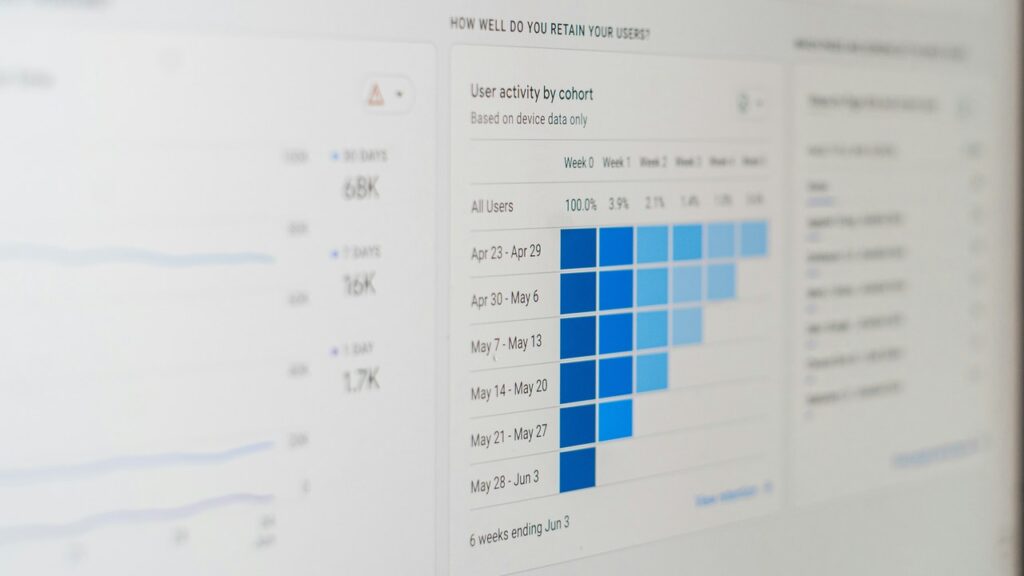
The hardest part of vulnerability management is not finding more issues. It is deciding what deserves attention first. Threat Exposure Management helps by moving prioritisation away from raw severity alone and toward exploitability, reachability, asset value, control strength, and business impact.
This matters because security teams are usually overloaded. A scanner may report hundreds of critical and high findings. Some are duplicates. Some affect systems that are already isolated. Some have no practical exploit route. Others sit quietly on an internet-facing service that supports revenue, customer data, or privileged access. Threat Exposure Management separates those cases so scarce effort goes where it reduces real risk.
The first prioritisation lens is exploitability. Is there public exploit code? Is the weakness being used in active campaigns? Is authentication required? Can the vulnerable service be reached from the internet, a supplier network, or a compromised user device? Could the weakness lead to credential theft, remote code execution, privilege escalation, data exposure, or lateral movement? These questions are more useful than severity labels on their own.
The second lens is business impact. A vulnerable internal wiki is not the same as a vulnerable payroll platform. A weakness in a service that handles regulated data deserves different treatment from the same weakness on a lab machine. Threat Exposure Management asks business leaders to define critical services, recovery expectations, data sensitivity, contractual obligations, and customer impact so technical findings can be ranked in business language.
The third lens is control context. A vulnerability behind strong segmentation, modern endpoint detection, strict identity controls, and tested logging may carry less immediate risk than the same vulnerability on an unmanaged, exposed server. That does not mean it can be ignored. It means the remediation queue should reflect how attackers would actually move. Palo Alto Networks frames CTEM in a similar way, emphasising attack paths, exploitability, blast radius, and business risk rather than CVSS score alone.
Threat Exposure Management also improves communication. Instead of telling the board there are 1,247 vulnerabilities, the security lead can report that five validated exposure paths affect two critical services, three are on track for closure this week, one requires downtime approval, and one has been temporarily mitigated by network control while a supplier schedules the fix. That is the difference between a list and a decision.
For SMEs, prioritisation should be ruthless but transparent. Not every low-risk finding needs immediate action. Not every accepted risk should stay accepted forever. Each decision should have an owner, a reason, a review date, and a record of compensating controls. Threat Exposure Management keeps those decisions visible so exceptions do not become permanent blind spots.
The most useful prioritisation meetings are short and evidence-led. They do not debate every scanner result. They review the small set of findings that could affect critical services, external access, privileged identities, regulated data, or supplier trust. They also ask whether the backlog is ageing in a dangerous way. A high-risk exposure that remains open for 60 days is no longer just a technical issue. It is a management issue, especially if nobody can explain the blocker.
This is also where Progressive Robot’s vCIO approach can help. Many SMEs need a practical bridge between technical teams and leadership. Threat Exposure Management provides the evidence; a vCIO-style governance rhythm turns that evidence into budget choices, supplier conversations, change priorities, and board-level risk language.
Threat Exposure Management validates whether controls really reduce risk

Finding an exposure is useful. Proving whether it is exploitable is better. Threat Exposure Management includes validation because many security programmes assume controls work without testing them under realistic conditions.
Validation can be simple or advanced. At the simple end, a team re-scans a patched system and confirms the vulnerable version is gone. It checks that a storage location is no longer public. It confirms that an old administrator account was disabled. It verifies that multi-factor authentication applies to every remote access route, not just the main login page. These are practical checks that SMEs can build into normal operations.
At the more advanced end, validation may include penetration testing, red-team exercises, breach and attack simulation, attack path modelling, purple-team sessions, phishing simulations, or controlled attempts to chain weaknesses. Microsoft describes CTEM validation as testing attack paths and checking the effectiveness of existing controls. CyCognito similarly emphasises validation of exploitability and control effectiveness as a way to reduce theoretical risk.
The point is not to play war games for entertainment. The point is to stop making decisions from assumptions. If a scanner says a service is vulnerable, can an attacker actually reach it? If a firewall rule is meant to block access, does it? If endpoint detection is supposed to alert on credential dumping, does the SOC or MSP receive and investigate the alert? If a backup is meant to support recovery, has it restored cleanly in a test?
The NCSC’s logging and monitoring guidance reinforces this mindset. Logs are foundational, important logs should be retained, protected from tampering, and used to monitor networks, devices, and cloud services. Threat Exposure Management treats logging as part of exposure validation. A control that silently fails is not a control leadership can rely on.
Validation also reduces friction with IT teams. Nobody enjoys being handed a huge vulnerability list with no evidence of actual risk. When security can show that a weakness is reachable, exploitable, and linked to a critical service, remediation becomes easier to justify. When validation proves that a finding is blocked by an existing control, the team can adjust priority instead of wasting effort.
Threat Exposure Management does require care. Validation should be authorised, scoped, and controlled. SMEs should avoid aggressive testing that could disrupt production systems. The right approach is risk-based: validate high-impact exposure paths first, use safe checks where possible, schedule deeper tests for sensitive systems, and document results so the evidence supports audit, insurance, and board conversations.
Validation closes the loop between theory and reality. Annual audits can confirm that controls are designed. Threat Exposure Management checks whether they still work when the environment changes.
Validation also protects budgets. Many SMEs are sold tools on the promise that a control will solve a category of risk. Threat Exposure Management asks for evidence. Did the EDR agent cover every endpoint? Did conditional access apply to administrators? Did the backup recover the full workload, or only selected files? Did the alert reach a human with authority to act? These questions help leaders invest in controls that work in their environment, rather than controls that only look strong on a procurement slide.
Threat Exposure Management mobilises remediation owners and workflows

Threat Exposure Management fails if findings do not turn into action. Mobilisation is the stage where validated exposure becomes owned remediation work with deadlines, escalation routes, and proof of closure.
This is often where SMEs struggle most. The person who discovers the exposure may not own the system. The MSP may need approval from a business manager. A software supplier may control the patch window. A cloud engineer may need to change infrastructure-as-code. A department head may resist downtime. Without a workflow, even serious findings can drift.
Threat Exposure Management reduces that drift by defining ownership before the crisis. Vulnerabilities in endpoints may go to IT operations. Overprivileged identities may go to the identity owner. Insecure application dependencies may go to the software team. Exposed supplier connections may go to vendor management. Cloud misconfigurations may go to infrastructure owners. Each exposure class should have a default owner, an SLA, and a route for exceptions.
The remediation workflow should also separate fixes from mitigations. A fix removes the exposure: patch the system, close the port, rotate the credential, remove public access, disable the legacy protocol. A mitigation reduces risk while the fix is pending: block access at the firewall, increase monitoring, disable a feature, isolate the asset, add conditional access, or restrict a supplier account. Threat Exposure Management makes both visible so temporary workarounds do not become permanent.
NIST’s patch-management guidance is useful here because it includes verification, not just deployment. Threat Exposure Management should track a finding through the full life cycle: discovered, prioritised, validated, assigned, remediated or mitigated, re-tested, closed, or risk-accepted. If the issue remains open, leaders should know why. Is it blocked by vendor support, downtime approval, budget, system compatibility, or unclear ownership?
Mobilisation is also where automation helps, but only when confidence is high. Some actions can be automated safely, such as creating tickets from validated findings, notifying owners, enriching assets with business data, checking whether patches succeeded, or closing duplicates. Other actions need human approval, especially changes that could affect production services. Threat Exposure Management should make automation disciplined rather than reckless.
Progressive Robot’s workflow automation perspective is relevant because exposure work is ultimately a business process. The best vulnerability data in the world will not help if it lands in an inbox nobody owns. CTEM should connect security tools to ticketing, change control, supplier management, executive reporting, and incident response.
The real test of Threat Exposure Management is not how many findings it discovers. It is how consistently the organisation reduces validated exposure over time.
A practical cadence helps. Hold a monthly exposure review for leadership and a weekly operational review for active remediation. Keep the leadership review focused on trend, risk acceptance, blockers, and investment decisions. Keep the operational review focused on owners, tickets, validation evidence, and next actions. Threat Exposure Management becomes much easier to sustain when the meeting structure matches the decision being made.
Threat Exposure Management connects boards, insurers, suppliers, and audits

Threat Exposure Management is not only a technical discipline. It is a communication discipline. Boards, insurers, enterprise customers, auditors, suppliers, and regulators all want evidence that cyber risk is being managed. CTEM helps turn technical telemetry into a story leadership can use.
The NCSC’s risk management guidance says cyber risk should support business objectives, include supply chain and cloud, use meaningful risk communication, and be reviewed continually as threats and technology change. Threat Exposure Management fits that view because it makes exposure measurable over time.
A board pack should not be a dump of scanner charts. It should show the exposure trend for critical services, the number of validated high-risk paths, time to remediate urgent findings, exception ageing, unresolved ownership problems, supplier-related exposure, and progress against agreed risk appetite. It should also show what improved. Leadership needs evidence of direction, not just evidence of danger.
Cyber insurers are moving in the same direction. As explained in Progressive Robot’s guide to cyber insurance red flags, underwriters often want evidence for controls such as MFA, EDR, backups, patching, monitoring, privileged access, suppliers, and incident response. Threat Exposure Management gives SMEs a way to maintain that evidence throughout the year rather than scrambling during renewal.
Supplier assurance also benefits. Progressive Robot’s supply chain vulnerability guidance highlights how third-party connections can create exposure that sits outside direct infrastructure. CTEM should include suppliers in scoping, discovery, and mobilisation. Which vendors have remote access? Which SaaS tools hold sensitive data? Which integrations use long-lived credentials? Which suppliers can introduce risk into critical services?
Internal identity programmes are another natural connection. Threat Exposure Management should include privileged access, stale accounts, excessive permissions, risky conditional-access gaps, and administrator workstation exposure. Progressive Robot’s identity-first security guide is a useful companion because many modern attack paths begin with identity, not malware.
The NCSC’s incident management guidance also fits the CTEM loop. Incident response plans should define roles, be practised, keep records, and feed lessons back into improvement. Threat Exposure Management uses those lessons to adjust scope, prioritisation, monitoring, and validation. If an incident reveals that a supplier account was overprivileged, that exposure class should become part of the next CTEM cycle.
Audits become stronger when they test the CTEM evidence trail. Instead of asking whether a vulnerability policy exists, an auditor can review recent exposure cases: when discovered, how prioritised, whether validated, who owned the fix, how closure was verified, and what management learned. That is better assurance than a policy that has not touched reality.
Threat Exposure Management gives non-technical stakeholders a clearer view of cyber risk. It replaces abstract fear with current exposure, accountable action, and evidence of progress.
The reporting language should be plain. Leaders need to know whether customer data, revenue systems, operational uptime, or contractual obligations are exposed. They need to know whether exposure is getting better or worse. They need to know which risks require money, downtime, supplier pressure, or policy decisions. Threat Exposure Management is valuable because it can translate technical findings into those business choices without hiding the evidence underneath.
Threat Exposure Management 90-day roadmap for UK SMEs

Threat Exposure Management does not need to begin as a large transformation programme. A realistic SME roadmap should start narrow, prove value, and expand. The aim for the first 90 days is to build a repeatable loop around the most important services, not to buy every tool in the market.
Days 1 to 15 should focus on scope. Choose one or two critical business services. For many SMEs that may be email and identity, customer portal, finance system, production line platform, or core data store. Define why the service matters, who owns it, what data it handles, which suppliers connect to it, and what level of disruption the business can tolerate. Threat Exposure Management works best when the scope is anchored in business impact.
Days 16 to 30 should focus on discovery. Build or refresh the asset map for the chosen services. Include endpoints, servers, cloud resources, SaaS platforms, administrator accounts, service accounts, integrations, suppliers, DNS records, certificates, and backup dependencies. Run vulnerability scans where appropriate. Review identity and access data. Compare official inventories with what tools actually report. Document unknowns as findings.
Days 31 to 45 should focus on prioritisation. Group findings by exposure path, not just by tool. Identify which issues are internet-facing, exploitable, tied to privileged access, connected to sensitive data, or relevant to known attacker behaviour. Use CVSS as one signal, but not the only one. Agree a short action list that leaders understand. Threat Exposure Management should produce fewer, better priorities.
Days 46 to 60 should focus on validation. Re-test the most important assumptions. Confirm whether high-risk systems are reachable. Check whether vulnerable versions are really present. Verify MFA coverage for remote access and administrator accounts. Test whether backup restoration works for the scoped service. Confirm whether logs exist for critical events. Where safe and authorised, use controlled testing to prove whether an attack path is realistic.
Days 61 to 75 should focus on mobilisation. Assign each priority to an owner, set deadlines, agree change windows, and track progress. Separate quick fixes from longer-term remediation. If a supplier must act, raise the request formally. If a business decision is needed, present options with risk and cost. Feed tickets into existing workflow systems rather than running CTEM from a separate spreadsheet.
Days 76 to 90 should focus on reporting and rhythm. Build a simple exposure dashboard for the scoped services: open validated exposure paths, time to remediate, ageing exceptions, critical asset coverage, scan cadence, control-validation results, and next-cycle priorities. Review the process with leadership. Decide what to expand next. Threat Exposure Management becomes sustainable when it becomes part of monthly management, not an occasional project.
After 90 days, expand gradually. Add another critical service. Include more supplier exposure. Improve automation. Bring in better validation. Tie findings to board risk appetite. Integrate with insurance evidence. The aim is not to create a perfect programme overnight. The aim is to replace annual guesswork with continuous learning and measurable risk reduction.
Tooling should follow the same principle. Start with what is already available: Microsoft 365 security reports, endpoint management data, cloud security dashboards, vulnerability scanner output, firewall logs, backup reports, ticketing data, and supplier access lists. Then decide what is missing. Some SMEs may need external attack surface monitoring. Others may need better identity reporting, authenticated scanning, cloud posture management, or managed detection. Threat Exposure Management should guide the tool choice, not the other way around.
The early success criteria should be deliberately modest. Can the business name its most important services? Can it identify the assets and identities behind them? Can it spot urgent exposure quickly? Can it assign owners without argument? Can it prove that fixes were completed? Can leadership see whether exposure is reducing? If the answer to those questions improves in the first quarter, the programme is working.
From there, the business can mature at a sensible pace. The next step might be better supplier evidence, stronger automated discovery, more frequent validation, or clearer links between exposure metrics and business continuity planning. What matters is that the review cycle keeps moving. A small, repeated improvement loop beats a large annual report that nobody operationalises.
The NIST Cybersecurity Framework can help structure the wider programme because it is designed to help organisations reduce cybersecurity risk and improve risk management. Threat Exposure Management can sit inside that broader governance model as the live operating loop for exposure.
Progressive Robot can help SMEs design that loop, select the right monitoring and vulnerability-management approach, connect it to Microsoft 365 and cloud operations, build supplier-aware reporting, and turn findings into practical remediation. The result is not another static report. It is a current view of what attackers could use and a clear plan for reducing it.
Is Threat Exposure Management the same as vulnerability management?
No. Vulnerability management focuses mainly on known weaknesses in systems and software. Threat Exposure Management is broader. It includes vulnerabilities, misconfigurations, identity exposure, cloud posture, supplier access, attack paths, control validation, and remediation workflow. Vulnerability data is one input into CTEM, not the whole programme.
Do annual audits still matter?
Yes. Annual audits still help with assurance, governance, customer confidence, insurance evidence, and compliance. The problem is relying on them alone. Threat Exposure Management keeps the risk picture current between formal reviews so audit work reflects live operations rather than stale evidence.
What should an SME monitor first?
Start with critical services, internet-facing systems, identity controls, remote access, backups, and systems that hold sensitive customer or financial data. Threat Exposure Management should begin where a successful attack would hurt the business most.
How often should exposure be reviewed?
High-risk and fast-changing environments should be reviewed continuously through tools and at least monthly through management routines. Critical changes, major vulnerabilities, new suppliers, cloud deployments, and incidents should trigger immediate review. Threat Exposure Management is a rhythm, not a calendar event.
What is the business case for CTEM?
The business case is better prioritisation, faster remediation, stronger cyber insurance evidence, clearer board reporting, and reduced likelihood that known exposure turns into an incident. Threat Exposure Management helps SMEs spend limited security time on the issues most likely to affect operations, data, customers, and revenue.










