
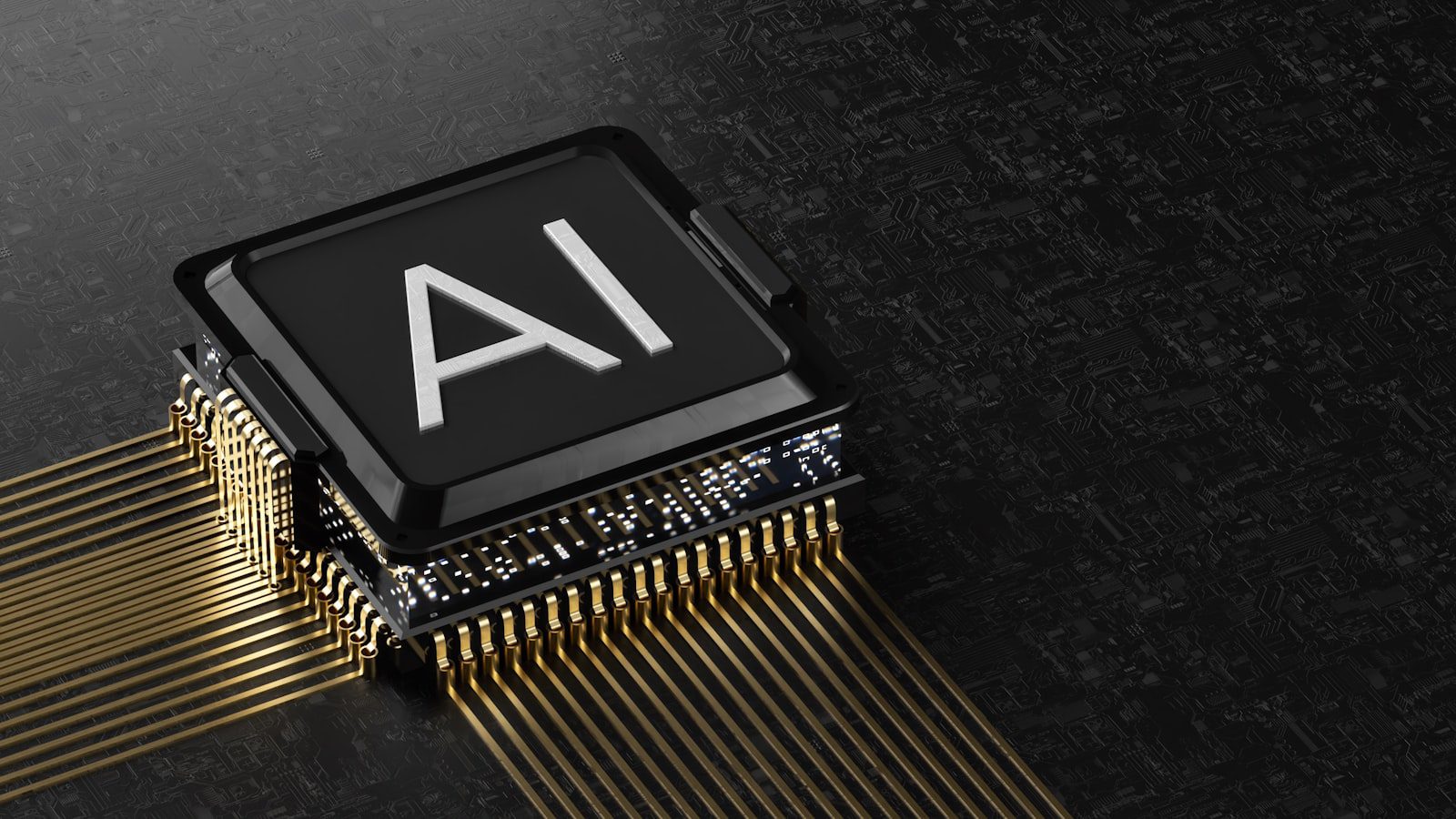
Embedded AI: 7 Powerful Ways It Becomes Invisible
Embedded AI is becoming invisible infrastructure because intelligence is moving from standalone applications into devices, sensors, vehicles, machines, cameras, software workflows, and everyday business systems. Instead of asking users to open a separate AI tool, the capability appears inside the process where decisions already happen.
That shift changes how organizations should think about AI adoption. The next wave is not only a chatbot on a website or a copilot in an office suite. It is a layer of local inference, automation, prediction, and adaptive behavior that quietly supports operations in the background.
For leaders building an AI strategy, embedded AI matters because it turns intelligence into infrastructure. The goal is not to make every interaction feel like AI. The goal is to make work faster, safer, more personalized, and more resilient without forcing users to manage the complexity.
Embedded AI at a glance

Embedded AI means AI capabilities are built directly into products, devices, platforms, and operational workflows. The model may run on a sensor, smartphone, factory machine, vehicle, camera, point-of-sale terminal, edge gateway, or business application rather than only in a remote cloud service.
This makes the technology feel invisible. A camera detects an anomaly. A machine predicts maintenance needs. A thermostat adapts to occupancy. A support system recommends the next action. A warehouse device routes a worker without the user thinking about model inference at all.
The concept overlaps with edge AI. IBM defines edge AI as AI models deployed directly on local edge devices such as sensors or IoT devices, enabling real-time processing without constant reliance on cloud infrastructure. That local processing is one reason embedded intelligence can disappear into normal operations.
The practical takeaway is simple: AI is leaving the dashboard and entering the environment. The more useful it becomes, the less visible it may feel to the end user.
Why embedded AI is becoming invisible infrastructure
Embedded AI is becoming infrastructure because users do not want to manage another layer of tools. They want products, services, and workflows that anticipate needs, reduce friction, and make better decisions in the moment. The best AI experiences often feel like the system simply works better.
Several forces are accelerating the shift. Smaller models are improving. Chips are adding neural processing capability. Sensors are cheaper. Edge devices have more compute. Cloud platforms can train models centrally while devices perform inference locally. Business teams also expect automation to happen inside the systems they already use.
This is why the shift is important for Artificial Intelligence (AI) and Machine Learning (ML) programs. A model that lives outside the workflow can be interesting. A model that is built into the workflow can become operational infrastructure.
The invisible part is not magic. It comes from careful integration. Teams need product design, data pipelines, monitoring, model updates, human oversight, and security controls that make AI dependable enough to run in the background.
How embedded AI works at the edge
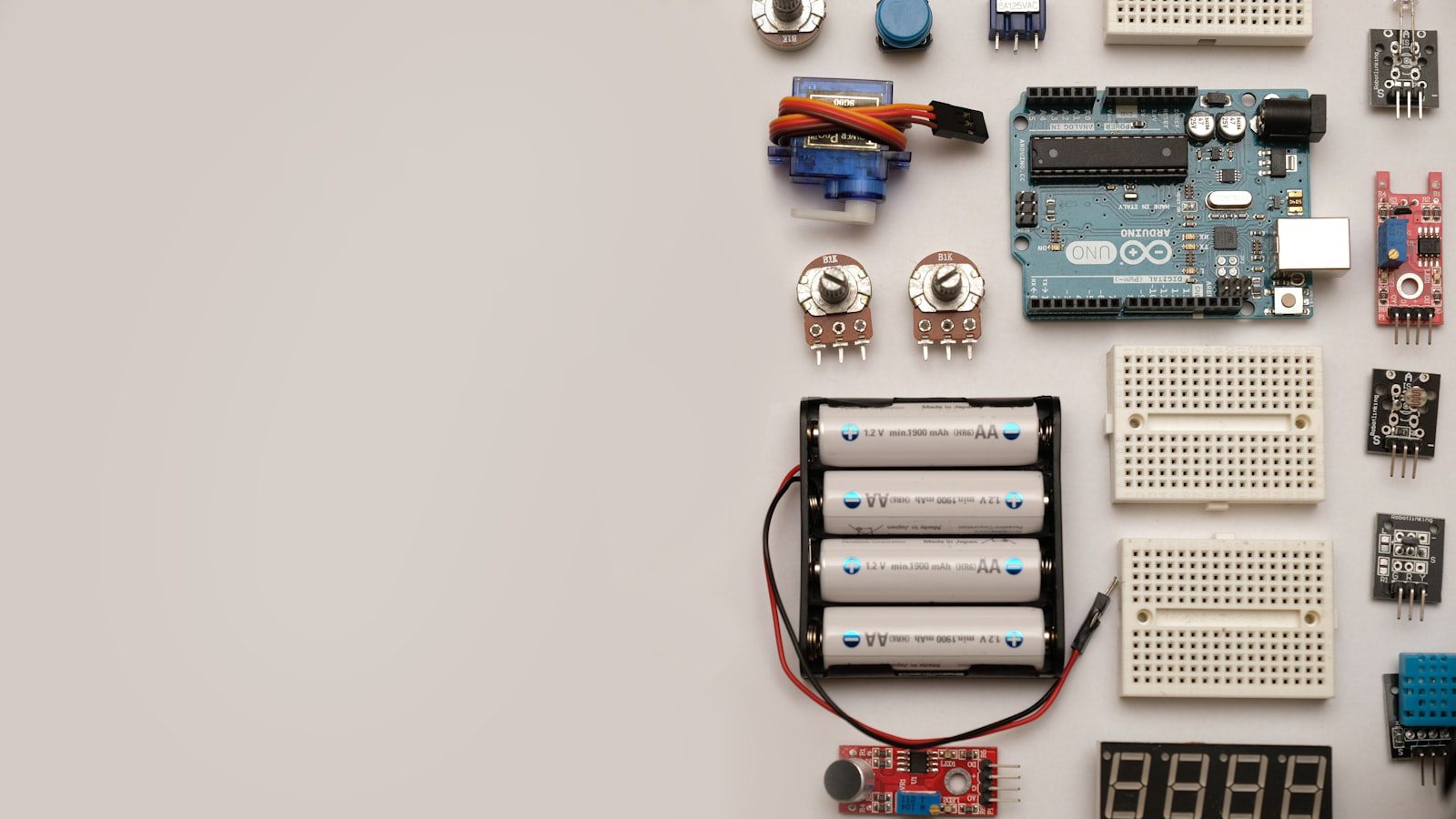
Embedded AI usually starts with models trained in the cloud or a data center. After training, a smaller or optimized model is deployed to a device, gateway, application, or edge server for inference. That system can then analyze local data and respond without sending every event back to a central location.
This pattern is valuable when latency matters. A vehicle cannot wait for a distant server to decide whether an object is in the road. A factory safety system cannot pause while video travels to the cloud. A medical wearable must recognize urgent signals quickly and reliably.
Arm explains edge AI as models deployed directly on edge devices such as IoT sensors, smartphones, autonomous vehicles, and embedded systems. It highlights real-time responsiveness, reduced cloud dependency, enhanced privacy, and robust deployments in places with limited connectivity.
In practice, cloud and edge work together. The cloud may handle training, fleet analytics, model governance, and updates. The embedded device handles immediate inference. This creates an edge-cloud loop where local systems act quickly and centralized systems improve the model over time.
Devices and sensors move intelligence into the workflow
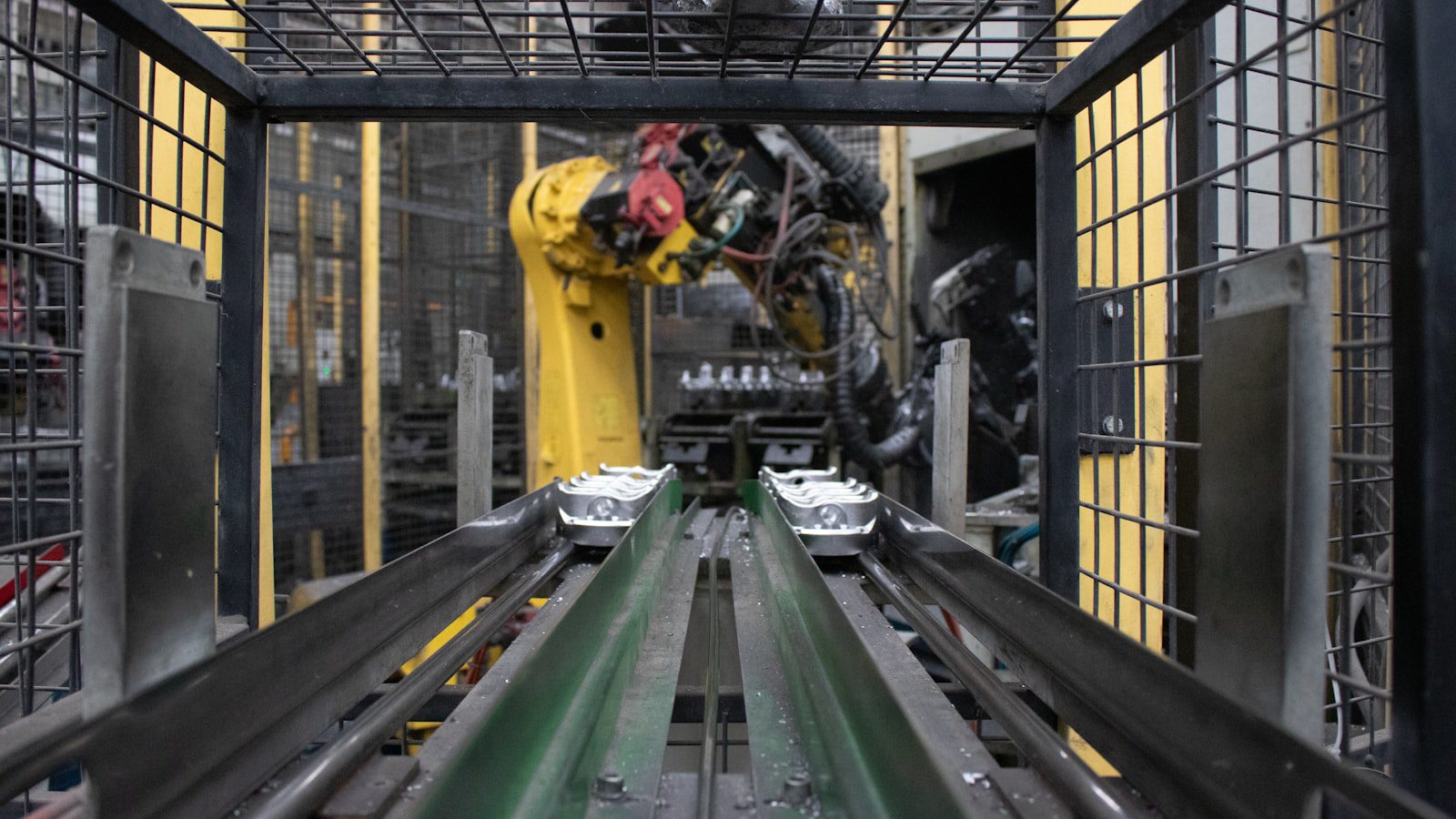
The most important change is that devices and sensors become active participants in business processes. They do not only collect data. They classify, predict, filter, alert, and trigger actions where the data is generated.
In manufacturing, embedded AI can support predictive maintenance, quality inspection, yield optimization, and worker safety. In logistics, it can optimize routing, scan inventory, monitor conditions, and detect exceptions. In retail, it can support automated checkout, shelf analytics, demand signals, and personalized service.
In healthcare, wearable devices can help monitor vital signs and flag changes. In buildings, cameras, environmental sensors, and access systems can improve energy use, safety, and maintenance. In vehicles, local models support perception, navigation, driver assistance, and real-time risk detection.
This is where local intelligence connects with intelligent automation. Automation becomes more capable when sensing, prediction, and action are built into the same operating environment.
Benefits: faster, private, and resilient decisions

The first major benefit is speed. Local inference reduces round trips to the cloud, which makes decisions faster. That matters for safety systems, industrial operations, fraud checks, customer experiences, robotics, and any use case where milliseconds can change the outcome.
The second benefit is privacy. If sensitive data can be processed locally, less raw information needs to travel across networks or sit in centralized systems. This can reduce exposure and support data residency requirements, especially in healthcare, finance, public sector, and regulated industries.
The third benefit is resilience. Local AI can continue working when connectivity is slow, expensive, or unavailable. A smart device, factory cell, vehicle, or remote site may still detect issues and take approved actions even when the network is unstable.
The fourth benefit is cost control. Processing everything in the cloud can create bandwidth, storage, and inference costs. Local filtering and decision-making can reduce unnecessary data transfer while still sending useful summaries or exceptions upstream for analysis.
Governance and security cannot be invisible

The user experience may become invisible, but governance cannot. These systems still need documented ownership, testing, monitoring, security controls, model update procedures, and clear escalation paths. Hidden intelligence can create hidden risk if teams do not manage it deliberately.
Security is especially important because embedded intelligence often runs in devices distributed across factories, stores, vehicles, homes, or field locations. Each endpoint can become part of the attack surface. Teams need secure boot, identity controls, patching, encrypted communication, access management, and tamper-resistant design where appropriate.
Model behavior also needs monitoring. Local environments change. Sensors degrade. Data distributions shift. A model that performs well in the lab can behave differently after months of real-world use. Teams should track drift, failures, exceptions, and user feedback.
For business process automation, this means controls must follow the process. If an embedded model approves, routes, blocks, recommends, or escalates work, the organization needs evidence of how those decisions are made and reviewed.
How to prepare for embedded AI infrastructure

The first step is to identify workflows where local intelligence creates measurable value. Look for processes that need faster decisions, lower bandwidth, higher privacy, better resilience, or automation close to a device, machine, customer, or employee.
Next, map the technical architecture. Decide what must happen on device, what should happen at the edge, and what should remain in the cloud. Define data flows, model update paths, monitoring requirements, rollback procedures, and human override points before deployment.
Then connect the effort to workflow automation. Embedded intelligence should not be a separate experiment. It should improve a real process with clear owners, success metrics, exception handling, and support responsibilities.
Finally, build for lifecycle management. This infrastructure requires ongoing evaluation, security updates, model refreshes, hardware constraints, observability, and governance. The companies that prepare now will be better positioned as intelligence becomes a normal feature of devices and operations.
Embedded AI FAQ
What is embedded AI?
Embedded AI is AI built directly into devices, applications, machines, sensors, or workflows. It allows systems to analyze data and make decisions locally or inside the process where the work happens.
Why is embedded AI called invisible infrastructure?
It is called invisible infrastructure because users may not interact with a separate AI interface. The intelligence runs behind the scenes inside devices, software, and automated processes.
How is embedded AI different from cloud AI?
Cloud AI runs primarily on remote servers. Embedded AI places inference closer to the data source, often on devices or edge systems, so decisions can happen faster and with less constant connectivity.
What are common examples?
Examples include smart cameras, industrial sensors, wearables, vehicles, robotics, smart home devices, fraud detection at the point of transaction, and business applications with built-in recommendations.
What are the main risks?
The main risks include insecure devices, weak monitoring, model drift, poor update processes, privacy exposure, unclear accountability, and automation that acts without adequate human oversight.
Does every AI use case need to be embedded?
No. Some use cases are better suited to cloud AI, especially when they require large-scale training, heavy compute, centralized analysis, or broad access to enterprise data. Embedded intelligence is best when local context and fast action matter.
What is the main takeaway?
The main takeaway is that AI is becoming part of the operating fabric. Embedded AI turns intelligence into infrastructure, so organizations need to design it as carefully as any critical system.
More AI coverage: explore Progressive Robot's AI Models, Tools & Releases hub — hands-on reviews, setup guides and benchmarks in one place.