

Live-Docs are the answer to a problem every software team knows: documentation starts accurate, then code changes and the wiki slowly becomes fiction. The death of manual documentation does not mean teams stop explaining systems. It means the source of truth moves closer to code, tests, APIs, pull requests, and deployment pipelines.
When implemented well, Live-Docs update themselves as code changes. They can refresh API references from specifications, capture architecture decisions from reviews, regenerate diagrams from repositories, and summarize release impact from merged pull requests. Engineers still own accuracy, but they no longer waste hours copying facts from one system into another.
This guide explains how to build a practical self-updating documentation workflow and how Progressive Robot can support it through software development, DevOps services, workflow automation, and AI strategy.
| Documentation layer | Automated source | Value for teams |
|---|---|---|
| API reference | OpenAPI, GraphQL, SDK metadata | Fewer stale endpoint descriptions |
| Architecture | Repo structure, ADRs, diagrams | Easier onboarding and reviews |
| Runbooks | CI/CD, alerts, incident notes | Faster support and recovery |
| Releases | Pull requests and changelogs | Clearer customer and internal updates |
| Governance | Owners, approvals, policy checks | Trusted docs without uncontrolled AI output |
What Live-Docs mean for modern software teams

Live-Docs are documentation assets that refresh from trusted engineering events. Instead of relying on someone to remember a wiki update after every sprint, the system listens to code changes, schema updates, test results, infrastructure changes, and release events. It then updates the right pages, opens a review, or alerts owners when the documentation has drifted.
This is not the same as dumping generated code comments into a portal. Live-Docs combine automation with editorial structure. A good page still has a purpose, an audience, and an owner. The difference is that facts such as function signatures, API parameters, deployment steps, dependencies, and version history are pulled from systems that already know the truth.
The best model is documentation as a product. Engineers define what must be current, product teams define what users need to understand, and automation keeps high-change details synchronized. Live-Docs make documentation part of the delivery system rather than a chore after delivery is finished.
Why manual documentation dies in fast-moving codebases
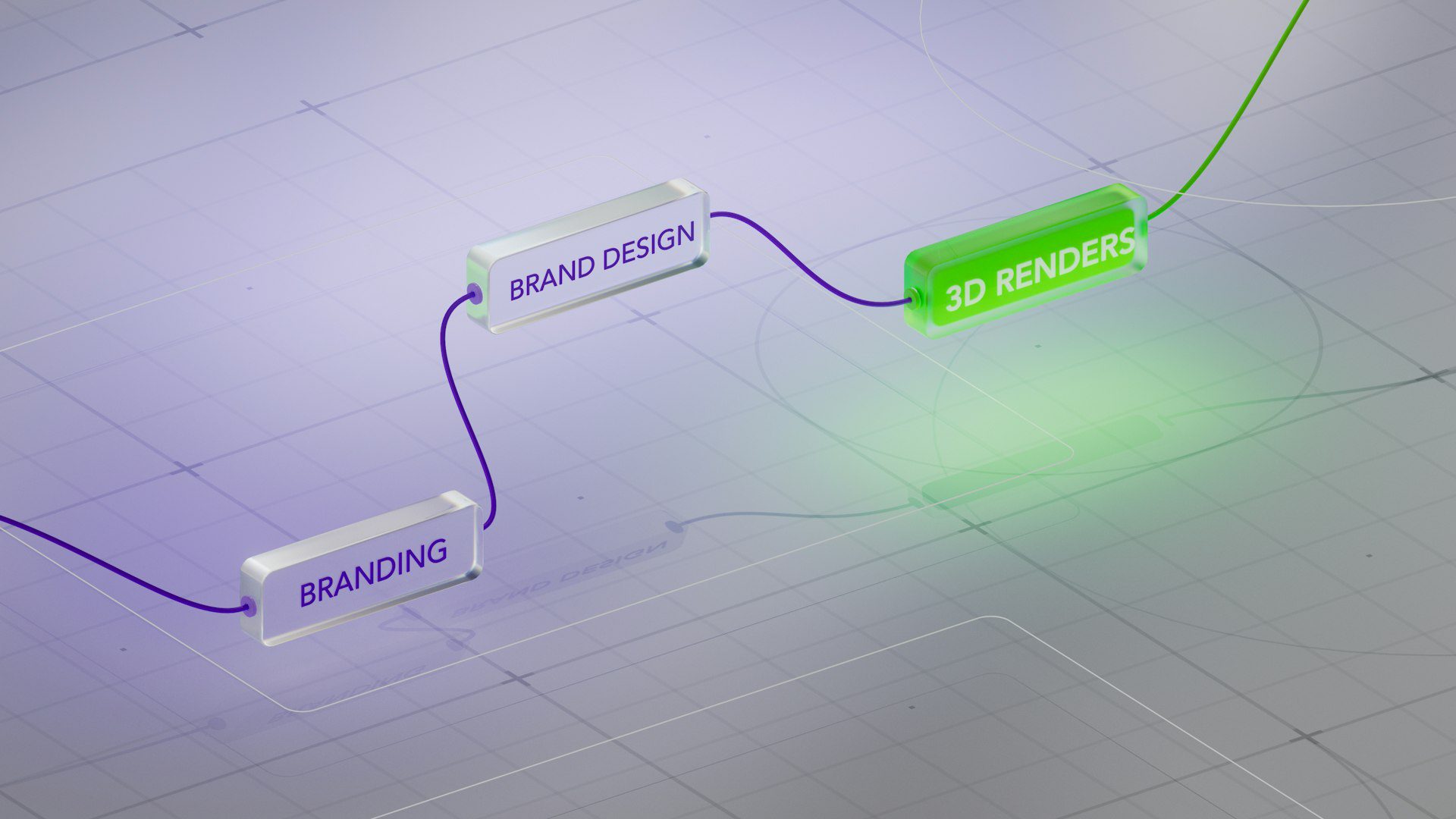
Manual documentation fails because modern codebases change faster than people can copy, paste, and audit. A single release can modify an API contract, feature flag, database migration, infrastructure module, and support runbook. If those updates rely on memory, the docs will lag behind the product.
The cost is bigger than inconvenience. Stale documentation slows onboarding, causes support errors, increases incident response time, and makes compliance reviews harder. Teams lose trust in the wiki, so they ask senior engineers directly. That creates interruptions and turns expertise into a bottleneck.
Live-Docs solve this by treating documentation drift as a system problem. If code changes without a related doc update, the pipeline can flag it. If an API schema changes, references can regenerate automatically. If a deployment runbook changes, reviewers can approve the new version before it is published.
Build the documentation graph from code, tests, and APIs

A self-updating system needs a documentation graph. That graph connects repositories, services, owners, APIs, tests, infrastructure, incidents, and published pages. Without this map, automation can generate fragments, but it cannot know where a change belongs or who should approve it.
Start with structured sources. API teams can use the OpenAPI Specification to generate reference pages. Platform teams can parse infrastructure modules and deployment manifests. Application teams can link test suites, feature flags, and dependency manifests to the services they document. Architecture decision records can connect why a system works the way it does.
Live-Docs should also store ownership metadata. Every page needs a service owner, review cadence, confidence level, and source link. That lets the system route updates to the right people and show readers whether a section is generated, human-written, or awaiting review.
Use CI/CD to refresh docs whenever code changes
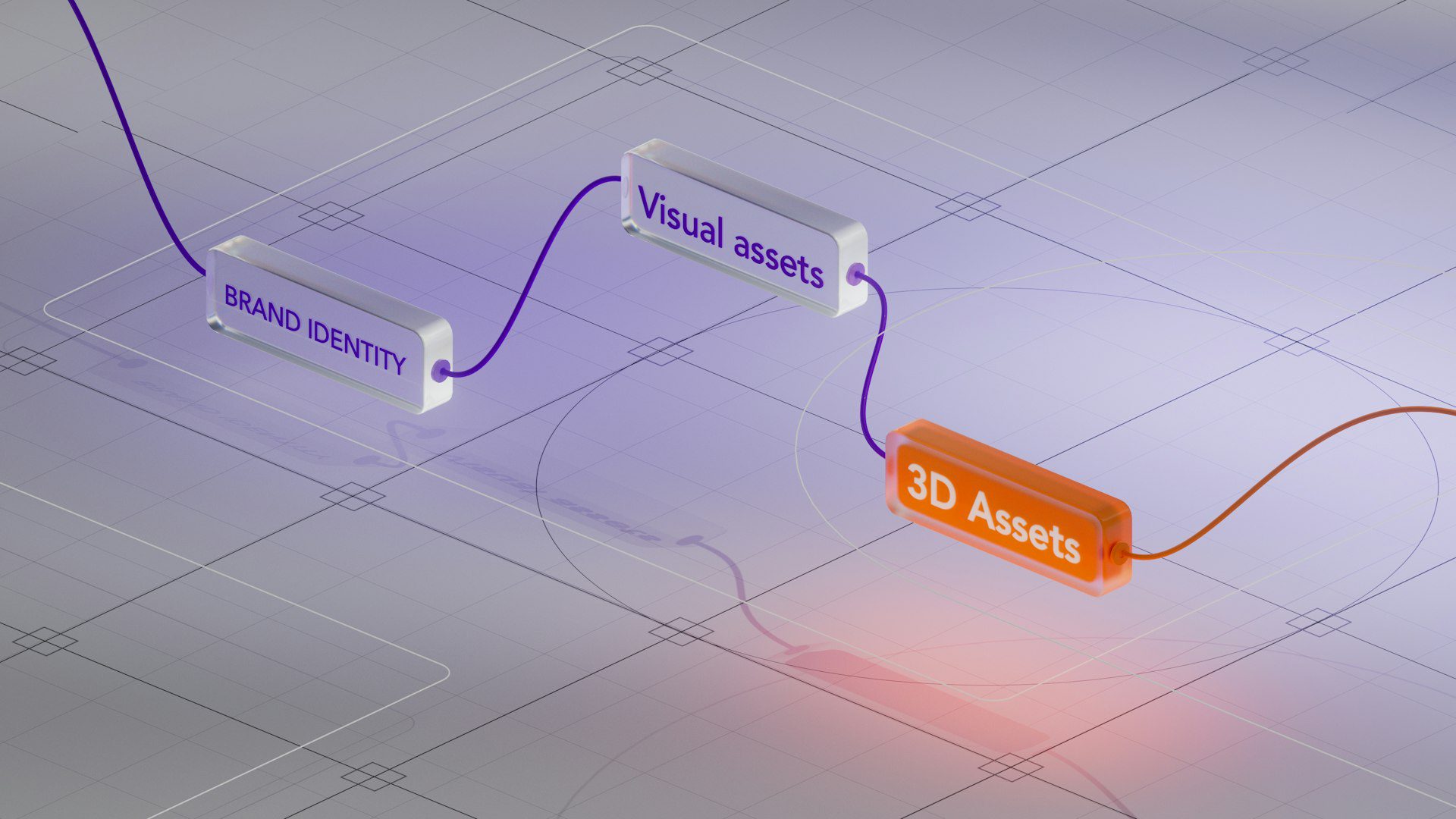
The most practical trigger for Live-Docs is the CI/CD pipeline. Every pull request already has context: changed files, tests, reviewers, labels, build logs, and deployment status. That makes the pipeline the natural place to decide whether documentation must update.
For example, a pull request that changes an API schema can regenerate endpoint reference pages and attach a preview link. A change to Terraform or Kubernetes manifests can refresh infrastructure diagrams. A new alert rule can update the related runbook. If a service owner changes, the documentation portal can update ownership automatically.
Teams should begin with review-based automation. The pipeline opens a documentation pull request, adds generated changes, and asks owners to approve. Once trust improves, low-risk updates such as API parameter tables or changelog fragments can publish automatically. Live-Docs succeed when the workflow is visible, reversible, and tied to existing engineering habits.
Add AI summaries without losing engineering control
AI can make Live-Docs more useful by summarizing code diffs, explaining release impact, drafting onboarding pages, and turning incident notes into runbook updates. The mistake is letting AI become an unchecked source of truth. AI should propose documentation changes, not silently rewrite critical operational guidance.
A safe workflow uses retrieval from approved sources, structured prompts, human review, and clear labels. The model should cite the files, commits, tickets, or API specs behind each suggestion. If it cannot find a source, it should ask for review instead of inventing an answer.
The Diátaxis documentation framework is useful here because it separates tutorials, how-to guides, explanations, and reference material. Live-Docs can automate reference-heavy sections while humans focus on teaching, context, trade-offs, and product judgment.
Governance, security, and review workflows for Live-Docs
Governance matters because documentation can expose secrets, outdated security advice, or sensitive implementation details. Live-Docs should include policy checks before publishing. That means scanning generated text for credentials, private endpoints, personal data, unreleased features, and risky operational commands.
Security teams should help define what can publish automatically and what requires approval. Public API references, internal runbooks, compliance evidence, and customer-facing help docs may need different rules. A release note can be low risk, while an incident response procedure may need stricter review.
The governance model should also track audit history. Readers should see when a page changed, which source triggered it, who approved it, and which service it belongs to. Live-Docs build trust when teams can trace every important claim back to code, tests, or a named reviewer.
Rollout plan: from stale wiki to self-updating docs

Do not try to replace the entire documentation estate at once. Start with one high-value path, such as API references, deployment runbooks, or onboarding pages for a critical service. Pick a domain where the source systems are structured and the pain from stale docs is obvious.
In the first month, inventory pages, owners, update frequency, and source systems. In the second month, connect the pipeline, generate previews, and route changes for review. In the third month, automate low-risk updates and measure results: fewer stale pages, faster onboarding, fewer support escalations, and less manual editing time.
Live-Docs should become part of the definition of done. If a change modifies behavior, operations, or customer impact, the delivery workflow should prove that the relevant documentation was updated, reviewed, or intentionally skipped with a reason.
Live-Docs FAQ

Do Live-Docs replace technical writers?
No. Live-Docs reduce repetitive maintenance so technical writers and senior engineers can focus on structure, clarity, examples, and user education. Automation handles volatile facts; people handle meaning.
What should be automated first?
Start with facts that already exist in structured systems: API fields, deployment steps, service owners, release notes, runbook links, and dependency lists. Avoid automating strategic explanations until the source material is mature.
Can AI write all documentation from code?
AI can draft useful summaries, but it should not be the only authority. Live-Docs work best when AI suggestions are grounded in code, tests, tickets, and approved architecture records, then reviewed by accountable owners.
How do teams prevent documentation drift?
Connect documentation checks to pull requests and deployments. If a change affects a documented API, service, or runbook, the workflow should generate an update, request review, or block release until the gap is resolved.
What tools are required?
The exact tools vary, but most teams need a documentation repository, CI/CD integration, schema generation, ownership metadata, AI-assisted drafting, review workflows, and a searchable portal. The process matters more than a single platform choice.
Live-Docs turn documentation into a living part of the software delivery pipeline. The right system keeps volatile facts synchronized while leaving judgment, clarity, and governance with people. If your team wants to replace stale wikis with self-updating documentation, contact Progressive Robot to design a practical documentation automation roadmap.
More AI coverage: explore Progressive Robot's AI Models, Tools & Releases hub — hands-on reviews, setup guides and benchmarks in one place.










