
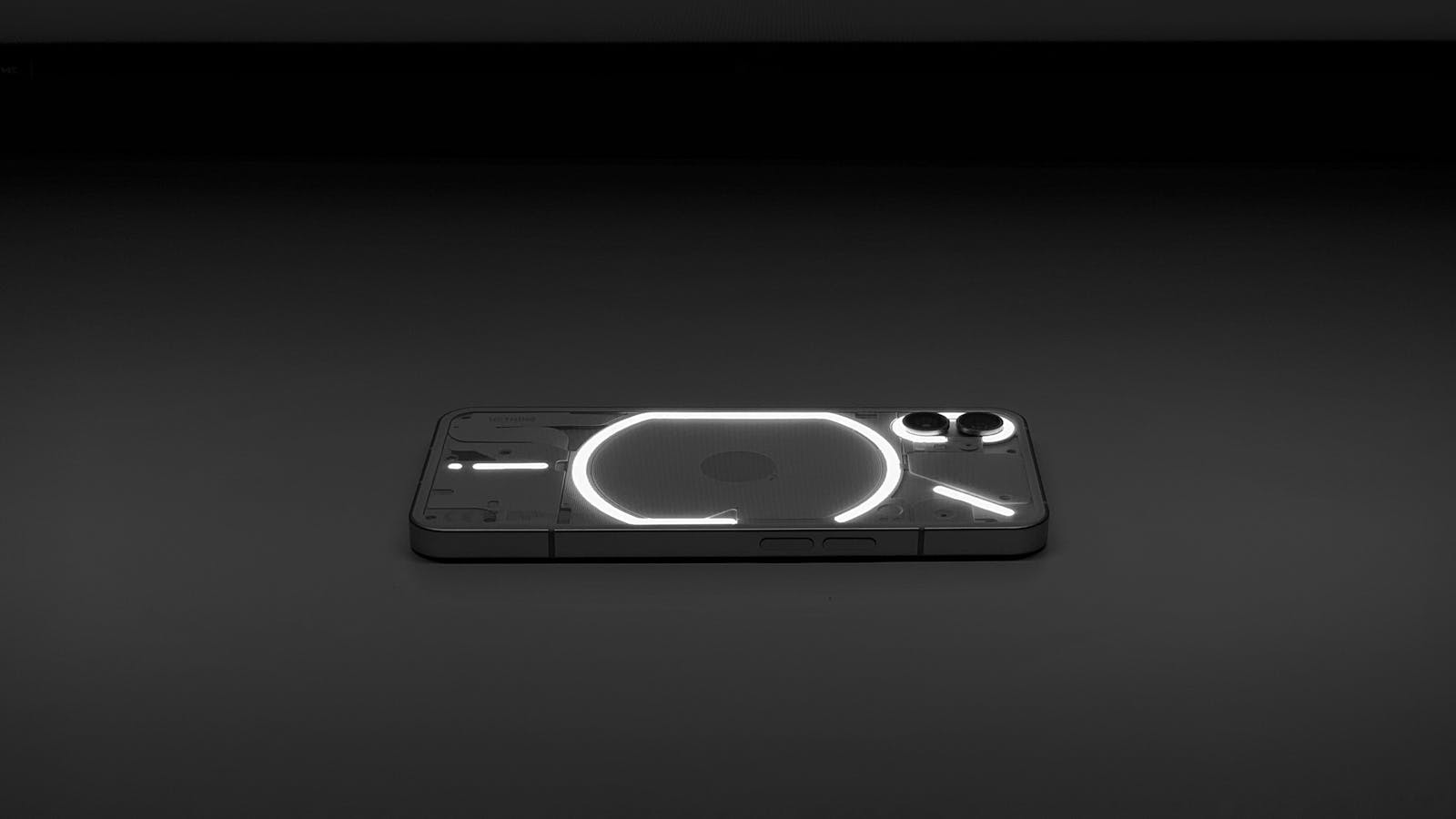
OpenAI Phone Rumor: 7 Powerful App-Replacing Lessons
OpenAI phone rumors are no longer just about a chatbot company experimenting with a gadget. New reports say OpenAI could be exploring a smartphone designed around AI agents that complete tasks across services instead of forcing users to jump between apps. If true, that would be a direct challenge to the app-centric model that has defined smartphones since the iPhone and Android era began.
The latest wave of reports centers on analyst Ming-Chi Kuo, who has a long record of supply-chain reporting. According to coverage from TechCrunch and other outlets, OpenAI may work with MediaTek, Qualcomm, and Luxshare on a device whose specifications could be finalized by late 2026 or early 2027, with mass production possibly in 2028.
This OpenAI phone story is still a rumor, not a confirmed product launch. That distinction matters. OpenAI has confirmed a deeper hardware push through its io team and Jony Ive collaboration, but it has not publicly announced a smartphone. The practical question is still worth asking: what would happen if the primary phone interface became an agent that understands intent, context, permissions, and services better than a grid of icons?
For companies building an AI strategy, adopting Artificial Intelligence (AI) and Machine Learning (ML), or rethinking workflow automation, the rumor points to a bigger shift. The next mobile platform war may not be about better apps. It may be about who controls the agent that chooses which apps, APIs, and services act on your behalf.
OpenAI phone rumor at a glance

The OpenAI phone rumor describes an AI-first smartphone where agents sit at the center of the experience. Instead of opening a travel app, calendar app, email app, rideshare app, and payment app, a user might ask the phone to plan a trip, book the ride, message a contact, update a schedule, and summarize the receipts.
That idea is different from adding a voice assistant to a normal phone. Siri, Google Assistant, Gemini, and ChatGPT-style mobile apps can already answer questions and perform limited actions. The reported OpenAI phone concept is deeper: a phone where the agent is the main interface and traditional apps become background services, tools, or permissions layers.
The reported supply-chain details are also notable. MediaTek and Qualcomm are major chip players, while Luxshare is a large electronics manufacturing partner. Their mention suggests the rumor is not only about software imagination; it is about hardware components, custom processing, battery constraints, sensors, and manufacturing scale.
Still, users should treat the timeline carefully. A 2028 mass-production target gives the industry time to change, and supply-chain plans can shift. The OpenAI phone could become a smartphone, a companion device, earbuds, a screenless wearable, or something that never ships. Rumors are signals, not guarantees.
Why AI agents could replace apps
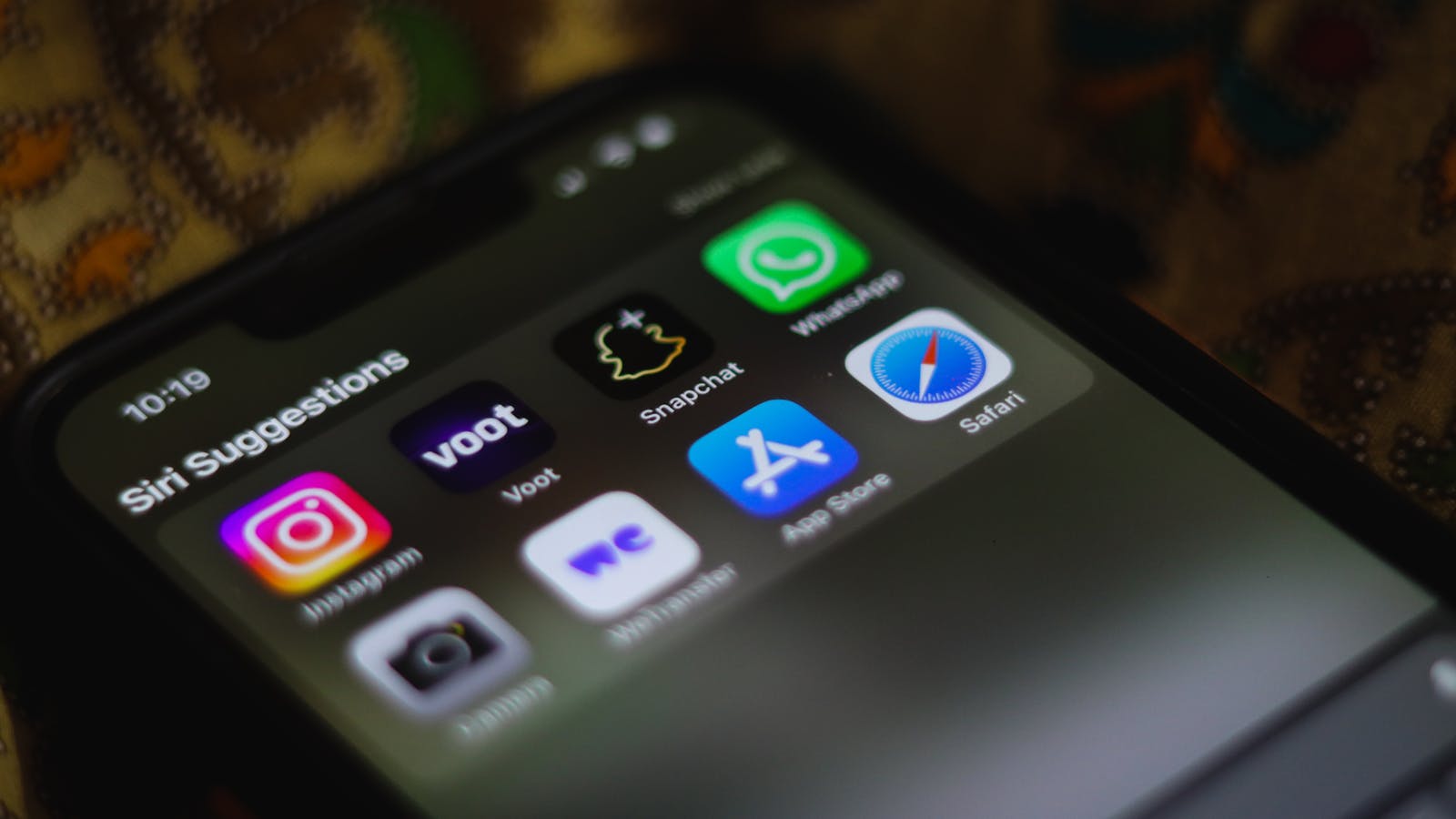
The core OpenAI phone idea is simple: people do not want to manage app workflows; they want outcomes. A user does not really want to open six apps to change a flight, reserve dinner, split a bill, and tell a friend the new arrival time. The user wants the result, with the phone handling the steps.
AI agents make that possible by combining reasoning, memory, tool use, authentication, and action. On an OpenAI phone, an agent could understand a request, check available services, ask for permission, execute tasks, and report back. That turns the interface from "tap through menus" into "state the goal and approve the plan."
This model also explains why the rumor matters to app developers. If agents replace app discovery, users may stop choosing brands through icons and app-store rankings. The agent may choose the best available service based on price, preference, trust, speed, subscription status, and past behavior. That would make agent visibility as important as app-store optimization.
There are trade-offs. Apps are visible and bounded. Users can see which company they are dealing with. Agents blur those boundaries by acting across multiple services. The OpenAI phone would need clear permissions, transparent logs, undo controls, and strong identity checks before users trust it with real transactions.
Hardware partners and the 2028 timeline
The hardware angle is what makes the OpenAI phone rumor more serious than another assistant demo. AI agents need local sensors, fast networking, secure authentication, efficient chips, and battery life that can support continuous context. A phone that understands intent all day cannot behave like a hot laptop in a pocket.
Reports naming MediaTek and Qualcomm suggest possible custom silicon or close chip collaboration. That could matter for on-device inference, audio processing, camera understanding, secure enclaves, and latency. Even if heavy reasoning still happens in the cloud, an OpenAI phone would need enough local intelligence to wake, listen, protect data, and handle lightweight tasks quickly.
Luxshare's reported role would point toward manufacturing scale. Building a phone is not like releasing an app. It requires supply-chain commitments, industrial design, carrier testing, repair logistics, certification, privacy design, and long-term software support. That is why a rumored 2028 production window is plausible even if internal prototypes exist earlier.
The Jony Ive connection adds another layer. OpenAI said in its letter from Sam and Jony that the io team had merged with OpenAI while Jony Ive and LoveFrom remained independent partners. That official hardware story supports the idea that OpenAI wants to rethink personal computing, even if the exact form factor remains uncertain.
What an app-less AI phone could do
An OpenAI phone would not literally eliminate every app overnight. More likely, it would hide app complexity behind agent workflows. The device might still rely on apps, websites, APIs, payments, maps, messaging, and cloud accounts, but the user would interact with a goal-based layer instead of a home screen full of icons.
Useful examples are easy to imagine. Ask the agent to "find a quiet hotel near tomorrow's meeting under $250, book it, move dinner 30 minutes later, and send the updated plan to the team." The phone would need to compare options, check your calendar, understand location, use payment credentials, message contacts, and ask for approval before committing.
A second example is personal administration. The agent could summarize notifications, renew subscriptions, dispute a charge, reschedule appointments, prepare documents, or coordinate family logistics. For many users, this is where the OpenAI phone concept becomes compelling: not novelty, but less friction.
A third example is accessibility. A strong agent interface could help people who struggle with small screens, nested menus, forms, or fragmented services. Voice, camera understanding, and contextual memory could make mobile computing more inclusive if designed carefully.
The hard part is reliability. If an agent books the wrong flight, sends the wrong message, or misunderstands a medical appointment, the cost is real. The best design would keep humans in the loop for irreversible actions while letting low-risk tasks happen automatically.
Privacy, permissions, and trust problems
The biggest OpenAI phone challenge is trust. A useful mobile agent needs context: location, calendar, contacts, messages, photos, payments, subscriptions, health signals, and browsing behavior. That is exactly the kind of data users and regulators worry about.
A responsible device would need granular permission controls. Users should be able to decide which accounts the agent can access, which actions require approval, which data stays on device, and which memories can be deleted. Permission prompts also need to be understandable. A vague "allow AI access" button would not be enough.
Security is just as important. If the agent can act across services, attackers will try to trick it through malicious emails, calendar invites, webpages, QR codes, and prompts hidden in documents. An OpenAI phone must defend against prompt injection, account takeover, payment fraud, and social engineering.
Trust also depends on auditability. Users need a simple history of what the agent saw, what it decided, what it changed, and why. This is where business process automation lessons apply to consumer devices: automated actions should have logs, approvals, rollback paths, and clear ownership.
If OpenAI builds a phone, privacy cannot be an afterthought or a settings-page feature. It has to be part of the product's main value proposition.
What Apple, Android, and developers should watch
The OpenAI phone rumor pressures the existing mobile ecosystem even if the device never ships. Apple and Google already control the operating systems, app stores, notification layers, wallets, and identity primitives that agents need. If an outside AI company wants to replace apps, the platform owners will defend those layers.
Apple's advantage is hardware-software integration, privacy branding, and deep control of iOS. Google's advantage is search, Android scale, cloud AI, and services. OpenAI's advantage would be user demand for powerful agents and a willingness to rethink the phone from first principles.
Developers should watch how agent routing evolves. If an OpenAI phone makes agents the front door to services, apps may need machine-readable actions, robust APIs, clear pricing, reliable authentication, and trustworthy data-sharing policies. The app store might become less important than whether an agent can safely complete a task through your service.
Businesses should also prepare for a new discovery channel. Today, a user may search, install, open, and compare. Tomorrow, an agent may ask services for availability and choose one automatically. That changes marketing, SEO, product design, customer support, and partner strategy.
The safest move is not to panic about apps dying. It is to make products more agent-ready: expose clear actions, document policies, reduce friction, and design for transparent consent.
OpenAI phone FAQ
Is OpenAI really making a phone?
OpenAI has not publicly announced a phone. Current reports say it could be exploring an AI-first smartphone with supply-chain partners, but the details remain unconfirmed.
When could an OpenAI phone launch?
Reports suggest specifications could be finalized by late 2026 or early 2027, with mass production possibly in 2028. That timeline could change, and the final product may not be a traditional smartphone.
How would AI agents replace apps?
Instead of opening separate apps for each task, users would ask an agent to complete a goal. The agent would call services, use permissions, coordinate steps, and ask for approval when needed.
Would apps disappear completely?
Probably not at first. Apps may become background services, permission surfaces, or specialized interfaces while agents handle common workflows across them.
Why is Jony Ive connected to this story?
OpenAI acquired the io hardware team associated with Jony Ive, and OpenAI has officially described a design collaboration with Ive and LoveFrom. That supports the broader hardware direction, though not a confirmed phone.
What is the biggest risk?
The biggest risk is trust. A useful agent needs sensitive context and the ability to act. Privacy controls, security, audit logs, and human approval will determine whether users accept the model.
More AI coverage: explore Progressive Robot's AI Models, Tools & Releases hub — hands-on reviews, setup guides and benchmarks in one place.