
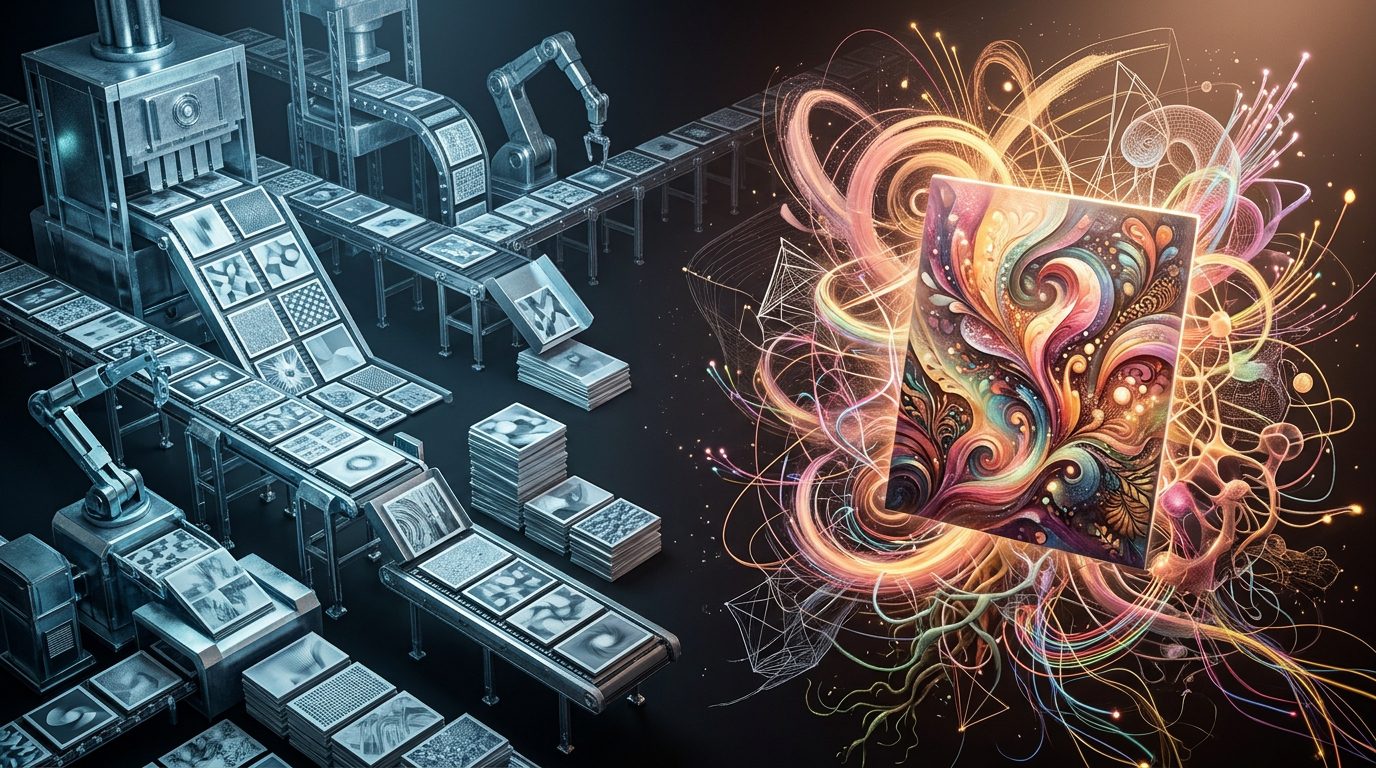
AI art is creating a difficult paradox for today’s creatives: the same technology that enables new forms of artistic expression is also flooding the internet with repetitive, low-quality content. As generative AI becomes increasingly common in visual culture, artists are questioning whether they can use these tools meaningfully without contributing to the very problems they want to challenge.
The debate goes beyond whether an image was created by a person or a machine. It raises questions about artistic intention, creative labour, copyright, corporate power and the role of human imagination in an increasingly automated world.
In a recent article republished by the University of Technology Sydney from The Conversation, visual communication researcher Sara Oscar examines how artists can use generative AI to investigate its limitations and social consequences. Her argument challenges the assumption that every artwork made with AI is simply another example of automated content production.
What Is AI Slop, and Why Is It Becoming a Problem?
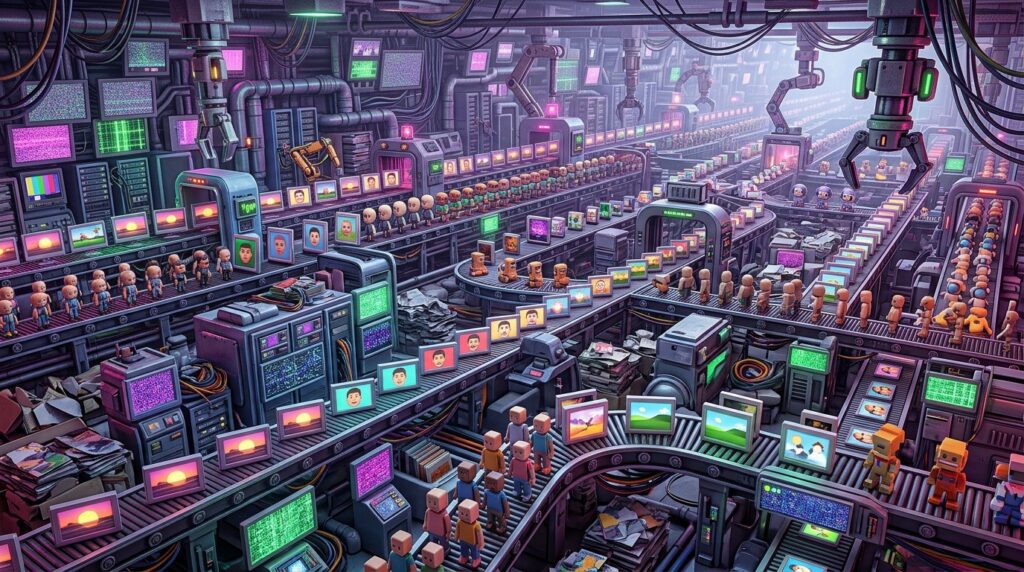
AI slop is a term commonly used to describe large quantities of low-quality, repetitive or carelessly produced content generated using artificial intelligence. It can include synthetic images, videos, articles and other digital material designed primarily to attract attention rather than communicate a meaningful idea.
The problem is not simply that some AI-generated content looks unconvincing. Generative tools can produce visually impressive results. The concern is that their speed and low production costs make it easier to publish enormous volumes of material without the creative judgement, research or revision that traditionally contribute to quality.
When platforms reward clicks, engagement and frequent publishing, creators may have incentives to prioritise quantity over originality. Audiences can consequently find it harder to discover work that offers a distinctive perspective.
For artists, this creates an additional challenge. AI-generated images can reproduce familiar visual conventions at scale, making it easier for generic styles and repetitive compositions to dominate online spaces.
However, not every AI-generated image is automatically slop. The distinction depends on factors such as quality, effort, purpose and the consequences of publishing the work. A carefully developed artistic project can use generative tools to investigate a difficult question, while a technically polished image can still offer little beyond visual spectacle.
The debate around AI art is becoming more important as synthetic images spread across social platforms. Meaningful AI art can offer a different experience when creators use it to explore original ideas, challenge familiar visual conventions and encourage audiences to question how digital content is produced.
Can Thoughtful AI Art Offer Something Different?
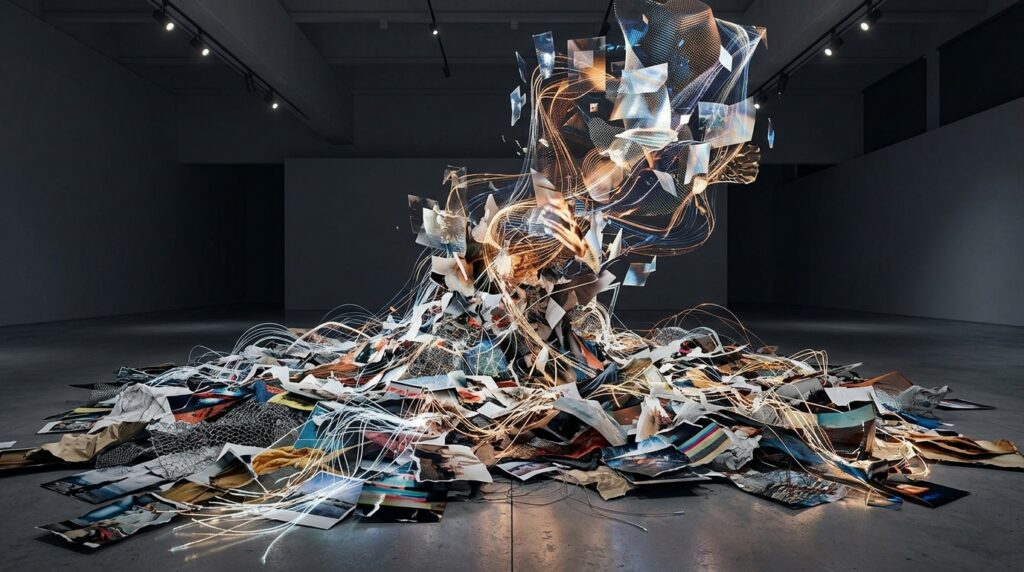
The potential value of AI art lies in how artists use the technology, what questions they ask and what they want audiences to consider.
Rather than treating an AI model as a machine for producing attractive images, an artist can use it to examine the assumptions embedded in its training data, the patterns it reproduces and the experiences it struggles to represent.
This approach changes the creative objective. Instead of asking only whether a model can generate a convincing picture, the artist can investigate why it produces particular results, what information shaped those results and which aspects of human experience remain difficult to capture.
Sara Oscar’s discussion highlights this distinction through an artistic experiment involving the possibility of generating an image of her mother before she became her mother. The exercise was deliberately designed to fail, turning the model’s limitations into part of the work’s meaning.
The experiment raises questions about memory, photography, representation and the way AI systems interpret the labels and images used in their training data.
This is where AI art can become more than a demonstration of technical capability. Its purpose can be to expose uncertainty, reveal limitations and encourage audiences to think critically about how machines construct representations of the world.
Thoughtful AI art depends on more than the ability to generate an attractive image. Artists can use AI art to investigate cultural assumptions, expose gaps in machine-generated representations and communicate ideas that would otherwise be difficult to express through conventional digital techniques.
Why Human Intention Still Matters

One of the most important questions in the debate is whether the use of generative AI automatically diminishes an artist’s contribution.
Critics often associate these tools with the replacement of human labour, the appropriation of existing creative work and the production of images without meaningful effort. Those concerns deserve attention, particularly when commercial models are trained on material whose creators may not have given informed permission.
Yet using AI as a medium is not necessarily the same as allowing AI to replace the artist. Creative work can involve developing a concept, designing experiments, selecting outputs, rejecting unsuitable results and placing the final work within a broader cultural or political context.
Human intention does not resolve every ethical concern. An artist’s purpose cannot, by itself, settle questions about training data, consent, attribution or compensation. Nevertheless, intention helps explain why two works made with similar technology can have very different artistic and social significance.
For creative professionals, the challenge is to demonstrate what their work contributes beyond the capabilities of the software. That contribution may lie in the questions being asked, the decisions made throughout the process or the meaning created by presenting the results to an audience.
Human judgement remains central to meaningful AI art because creators decide which results deserve attention and what those results communicate. When artists approach AI art with a clear purpose, their selection, interpretation and critical decisions can give the finished work significance beyond the generated image itself.
The Ethical Paradox Facing Artists
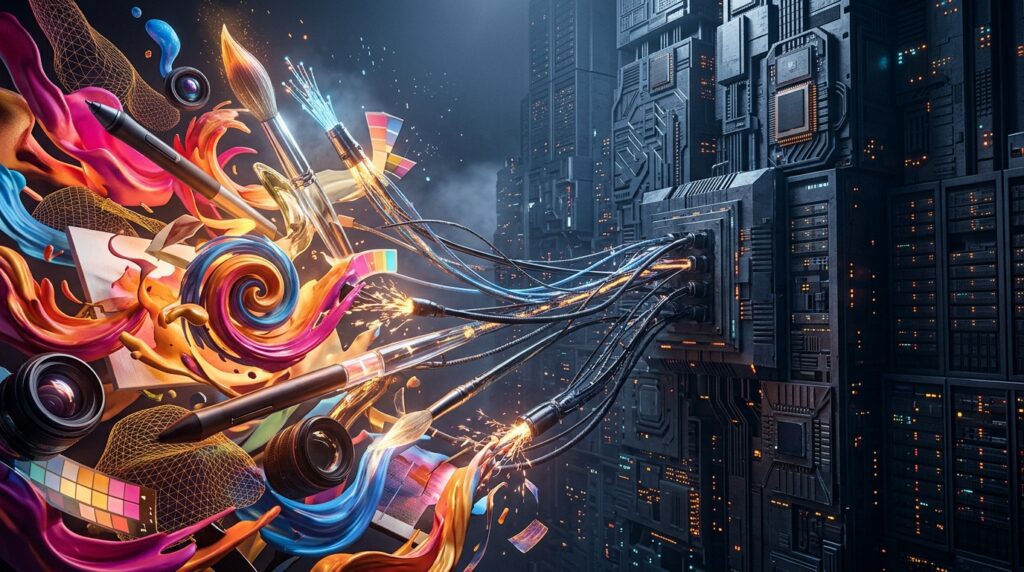
Artists who experiment with AI face a contradiction: the technology can expand their creative possibilities while also depending on systems they may consider ethically troubling.
Commercial image generators are built using vast collections of visual material. Questions about how that material was collected, whether creators consented to its use and how the resulting commercial benefits are distributed remain central to debates about generative AI.
There is also a broader concern about dependence. Creatives may use platforms owned by a small number of technology companies while attempting to critique the concentration of power those companies represent.
The result is a complicated relationship between artistic experimentation and ethical responsibility. Rejecting every AI tool may limit certain forms of exploration, but adopting these tools without scrutiny can overlook their effects on creative workers and the wider visual culture.
Meaningful AI art therefore requires more than an interesting output. Artists and institutions need to consider the conditions under which a work was produced, the limitations of the technology and the wider implications of making it available to the public.
Transparency can help audiences understand the process, although disclosure alone does not resolve every question about fairness or ownership.
The ethical debate surrounding AI art also challenges creators to examine their tools. Responsible AI art practices should consider training data, permission, attribution and the impact on working artists, rather than judging a project solely by its visual quality or technical sophistication.
Can Art Galleries Provide a Meaningful Critique of AI?
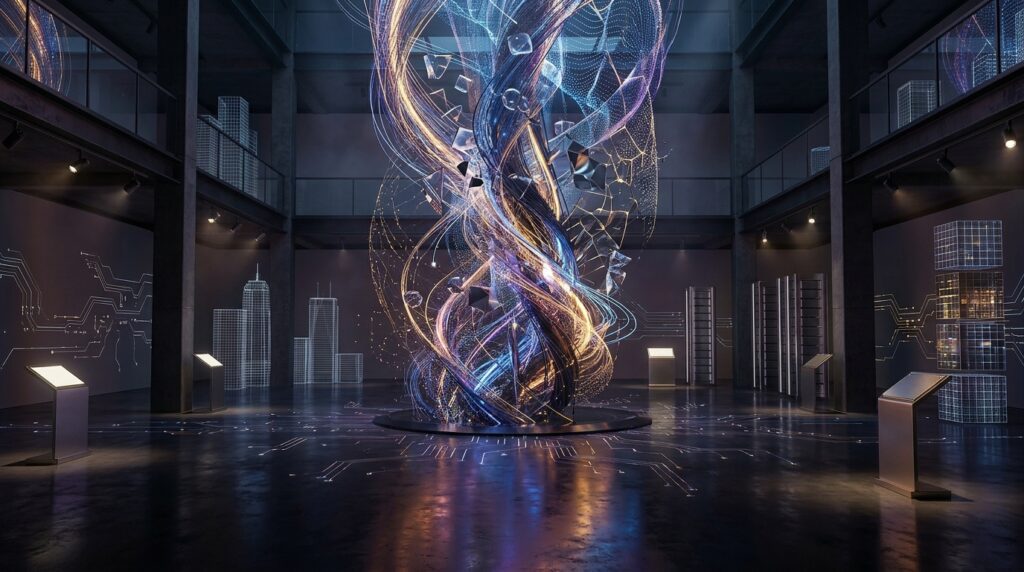
Art institutions can provide a setting in which audiences encounter the social and ethical consequences of AI beyond the familiar demonstrations of image generation.
An exhibition can place an artwork within a broader discussion about labour, surveillance, commercial infrastructure or the cultural assumptions embedded in machine learning systems. This context can help viewers understand what an artist is investigating rather than judging a work solely by its appearance.
However, galleries face their own institutional pressures. They depend on funding, visitor numbers, sponsorship and publicity. A work intended to criticise the technology industry can become an attractive promotional image, separated from the argument it was created to express.
This creates a risk that critical AI art becomes a marketing asset rather than an effective challenge to existing systems.
Context is therefore essential. Exhibition descriptions, artist statements, public discussions and educational programmes can explain the questions behind a work and the conditions of its production.
For artists and curators, the objective should not simply be to display AI-generated imagery. It should be to create opportunities for audiences to consider how the technology is developed, who benefits from it and what it changes about creative life.
Exhibitions can help audiences understand AI art by explaining the questions behind each project and the methods used to create it. Presenting AI art within a critical cultural context can encourage visitors to consider authorship, technology ownership and the relationship between automated production and human creativity.
How Artists Can Work Against AI’s Limitations
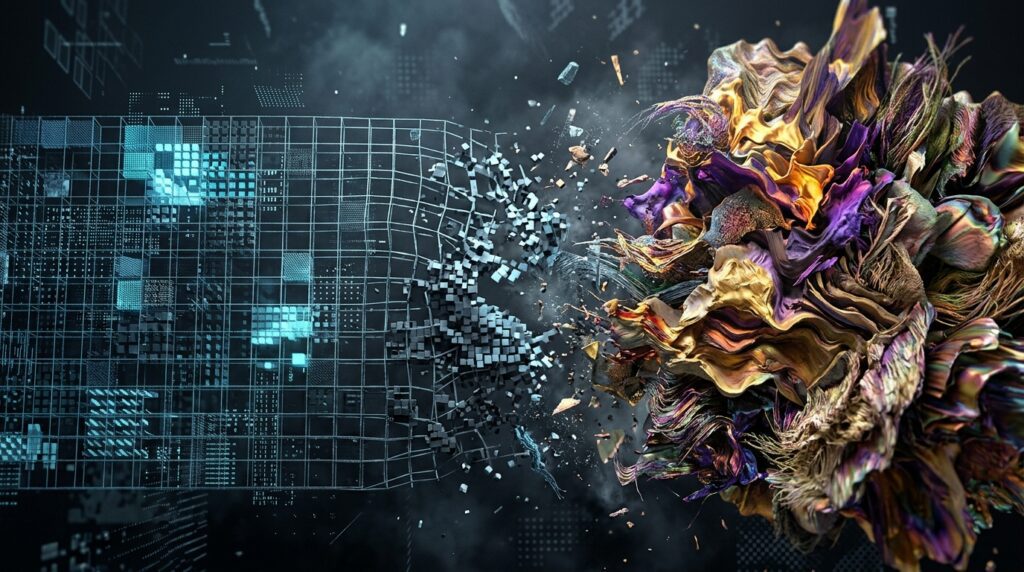
Artists do not have to accept the default behaviour of generative systems. They can experiment with unusual prompts, combine AI with photography or computer-generated imagery, introduce live-action footage and deliberately explore the limitations of the model.
These approaches can move the emphasis away from generating the most polished or spectacular image. Instead, the process can reveal how the system responds to ambiguity, unfamiliar concepts or experiences that resist simple categorisation.
A creator might examine how a model represents identity, reconstructs historical imagery or interprets emotional language. The resulting work can make visible the assumptions and gaps that might otherwise remain hidden behind a convincing visual result.
This does not mean every unconventional output is meaningful. Artistic experimentation still requires judgement, revision and a clear reason for presenting the work. The technology is a medium, not a substitute for a coherent creative purpose.
For professionals exploring these techniques, understanding the relationship between AI systems and established creative practices can be valuable. Businesses and creators interested in the wider application of artificial intelligence can also explore Progressive Robot’s technology and digital services for related information.
Experimental AI art can reveal the weaknesses of generative systems instead of hiding them. By documenting unexpected outputs and deliberately testing difficult concepts, artists can turn AI art into a way of examining machine assumptions, visual biases and the limitations of automated representation.
The Future of AI Art and Digital Creativity
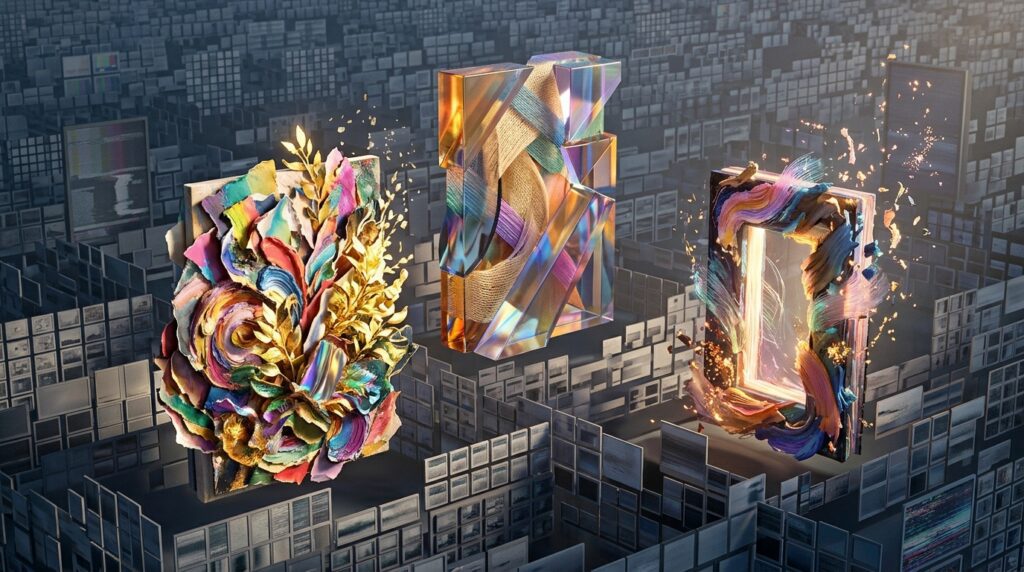
The debate over AI art is unlikely to disappear as generative systems become more capable and accessible. Instead, artists, galleries, technology companies and audiences will need to develop clearer ways to distinguish technical novelty from meaningful creative expression.
The future of AI art will depend partly on whether creators can establish trust with their audiences. Transparent processes, distinctive artistic goals and responsible use of generative tools can help AI art become a more considered form of expression rather than another source of repetitive online content.
The growing volume of synthetic content makes this distinction particularly important. When images can be produced quickly and cheaply, originality, context and artistic judgement may become more valuable to audiences seeking work that offers a distinctive perspective.
At the same time, creative professionals must continue addressing concerns about training data, ownership, consent and the impact of automation on employment. The artistic potential of a technology does not eliminate the responsibility to examine how it is developed and used.
Thoughtful experimentation can contribute to these discussions by making the limitations of AI visible rather than hiding them behind polished results. It can encourage audiences to question the relationship between machine-generated representations and human experience.
Ultimately, the answer to AI slop is not simply more AI-generated content with a different visual style. It is a stronger commitment to intention, context, accountability and creative judgement.
Ultimately, AI art is most compelling when it helps people examine questions that extend beyond the technology itself. Artists who use AI art to explore identity, authorship and cultural change can contribute to a more thoughtful discussion about creativity in an increasingly automated digital world.
Thoughtful AI art may not solve the problems created by generative AI, but it can help people understand them. Its value lies in using the technology to ask difficult questions about creativity and society, rather than treating automated production as an end in itself.
Sources
More AI coverage: explore Progressive Robot's AI Models, Tools & Releases hub — hands-on reviews, setup guides and benchmarks in one place.










