

AI shopping agents are changing how consumers discover products and make online purchases, with Walmart opening its retail platform to external AI assistants while Anthropic introduces its own personal agent. The developments signal a shift towards AI systems that can do more than recommend products: they can search, compare, organise and help complete purchases with customer approval.
Walmart is taking a comparatively open approach, developing tools that allow external agents to interact with its shopping services under defined rules. Anthropic, meanwhile, is expanding Claude beyond conversational assistance with Claude Duet, a personal agent designed to work across connected applications.
The developments highlight how AI shopping agents are becoming a new battleground for retailers and technology companies. The competition is no longer just about which chatbot provides the best product recommendation. It is also about which AI systems consumers trust to search, compare, organise and ultimately purchase items.
The move could give AI shopping agents a more reliable way to interact with Walmart’s retail services. Instead of navigating every page manually, compatible assistants could use authorised tools to find products and prepare orders while customers retain control over spending limits and purchasing permissions.
Walmart Opens Its Shopping Platform to AI Agents
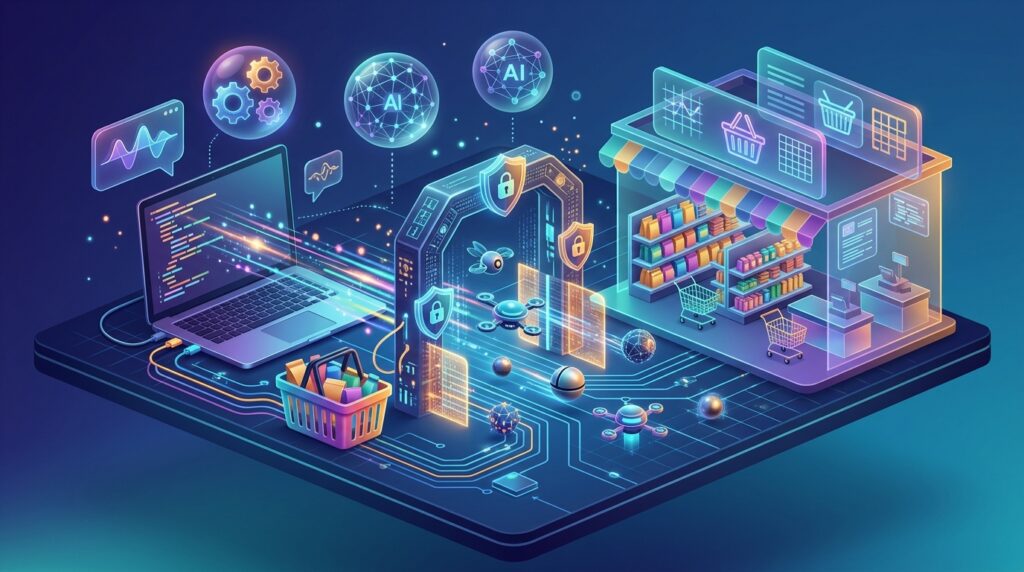
On 21 October, Walmart announced tools intended to let customers use external AI agents to shop on Walmart and Sam’s Club. The move contrasts with Amazon’s efforts to restrict unauthorised third-party agents from accessing its marketplace.
Walmart’s planned system includes two main components: Agent Profiles and the Walmart Agent Gateway.
Agent Profiles will allow customers to register an AI assistant separately within their Walmart account. Customers will be able to monitor purchases made by each agent, establish spending limits, require approval for transactions and revoke an agent’s access.
The Agent Gateway is designed to give compatible AI systems a structured way to interact with Walmart’s retail services. Rather than relying only on an agent navigating a conventional website, the gateway can provide a more direct route to product discovery and purchasing functions.
According to The Verge’s report, Walmart intends to introduce these capabilities in the coming weeks. The company says its rules will limit agents’ access to customer information and prevent unauthorised actions, including changes to payment details.
The approach could make AI shopping agents more useful for routine purchases. A customer might ask an assistant to find household essentials, compare available products and complete an order within a set budget.
However, Walmart’s announcement does not mean that every AI assistant can immediately make unrestricted purchases. Access is governed by the retailer’s technical systems and policies, and the planned controls are intended to keep customers in charge.
Anthropic Introduces Claude Duet

Anthropic also announced a preview of Claude Duet, a proactive personal AI agent designed to work across connected applications and carry out tasks in the background.
The agent is intended to help users organise activities, manage information and handle tasks that might otherwise require switching between multiple services. Reports on the announcement say Claude Duet can also make online purchases with user approval.
The preview places Anthropic in a rapidly expanding market for personal agents. Companies including OpenAI and Meta are developing assistants that can do more than answer questions, with capabilities that extend into everyday digital activities.
Claude Duet’s significance is that it moves Claude towards a more active role in users’ workflows. Instead of waiting for every individual prompt, a personal agent can potentially monitor relevant information, prepare actions and bring decisions to the user when necessary.
Anthropic’s earlier work on commerce agents also provides context. In September, the company introduced a commerce-agent blueprint to help retailers build shopping and merchant assistants using Claude. Those implementations can help customers search catalogues, compare products and assemble shopping carts, while leaving payment to the retailer’s checkout system or a payment provider.
Claude Duet represents a different consumer-facing direction: a personal assistant that can work across connected services, rather than a shopping assistant embedded only within a retailer’s own website.
The preview’s availability and capabilities remain important considerations. Users should check Anthropic’s official product information for access requirements and the actions supported in their region.
For consumers, AI shopping agents could make routine purchases easier by connecting product discovery with other everyday tasks. Anthropic’s approach also highlights how personal assistants may increasingly coordinate activities across connected applications rather than functioning only as conversational tools.
Why Walmart and Anthropic Are Moving Towards Agentic Shopping

Traditional online shopping requires consumers to search for products, compare prices, check availability, manage carts and complete checkout themselves. AI can already assist with some of these steps, but agentic systems aim to connect them into a more continuous process.
A customer could describe what they need in natural language, specify preferences and a budget, and ask an agent to identify suitable products. Depending on the system’s permissions, the agent could then prepare a cart or complete a purchase after approval.
For retailers, this creates both an opportunity and a challenge. AI shopping agents could make product discovery more convenient and help consumers find relevant items. But they may also change how shoppers encounter brands, promotions and search results.
Retailers will need to make their catalogues, prices, inventory information and transaction processes accessible to authorised agents. They will also need to ensure that automated systems respect their policies and provide customers with clear information.
Walmart’s strategy suggests it wants to participate in this emerging channel rather than leave the entire shopping relationship to external AI companies. Its gateway and account controls could help it retain oversight of transactions even when another company’s assistant initiates the shopping journey.
Anthropic’s approach is complementary. By developing agents and tools for businesses, it can help bring Claude into shopping experiences while also expanding the role of its own personal assistant.
As AI shopping agents become more capable, retailers will need to make accurate product information, pricing and inventory data accessible to authorised systems. The quality of these integrations could influence whether customers trust automated recommendations and allow agents to prepare or complete purchases.
Security, Privacy and Consumer Control
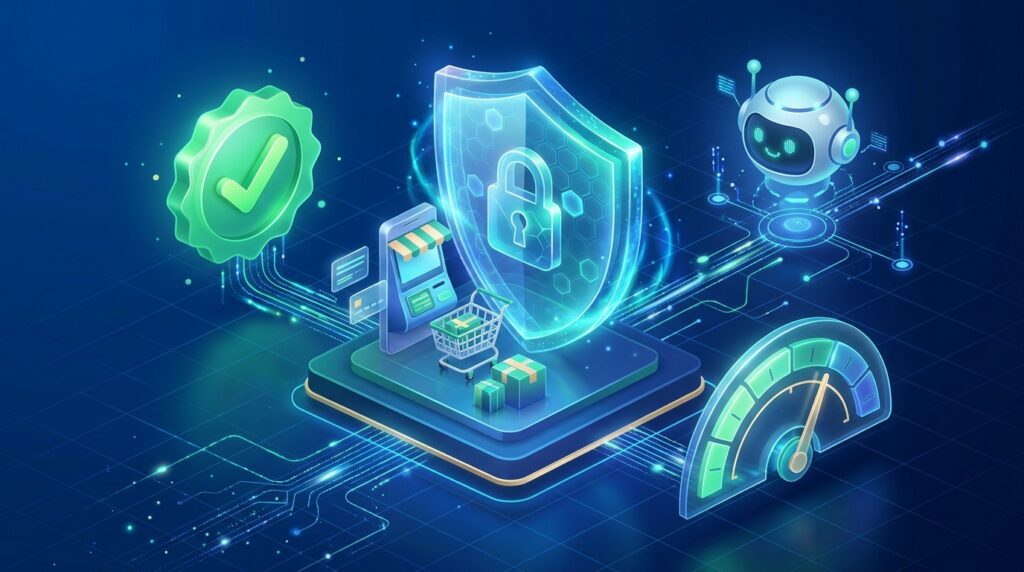
Allowing an AI system to purchase goods introduces risks that do not arise when it merely provides recommendations. An agent might misunderstand a request, select an unsuitable product, order more than intended or act on incorrect information.
That makes permissions and transaction safeguards essential. Walmart’s proposed Agent Profiles are designed to give customers a way to track agent activity, limit spending and withdraw access. The company also says agents will be restricted from accessing unnecessary personal and payment information.
Consumers should still review the permissions they grant. A spending cap can limit the financial consequences of a mistake, but it cannot guarantee that an agent selects the right product or follows every preference.
Retailers and AI developers will also need to address accountability. If an agent makes an unwanted purchase, users need clear processes for cancelling orders, requesting refunds and understanding which party is responsible.
The wider adoption of AI shopping agents will depend on whether people believe these systems are dependable, transparent and controllable. Convenience alone is unlikely to be enough for consumers to delegate sensitive purchases.
Trust will be a deciding factor in the adoption of AI shopping agents. Clear permissions, transaction histories and spending controls can help consumers understand what an assistant is allowed to do, while purchase approvals provide an additional safeguard against unintended orders.
What the AI Shopping Agent Race Means for Online Retail

Walmart’s announcement and Anthropic’s Claude Duet preview point towards a future in which consumers increasingly delegate digital tasks to AI.
The competition between retailers and technology companies will shape how AI shopping agents discover products, compare available options and connect to checkout systems. Retailers that support secure integrations may become easier for personal assistants to access, although product quality, price and customer trust will remain important factors.
For Walmart, supporting external agents could help its products remain accessible when customers shop through assistants built by other technology companies. For Anthropic, personal agents create another way for Claude to become part of everyday activities, including purchasing.
The transition will not happen overnight. Consumers need confidence that agents can understand their needs, respect spending limits and handle transactions correctly. Retailers must also ensure that agent access does not undermine customer security or the shopping experience.
AI shopping agents could eventually change the starting point of online commerce. Instead of visiting a retailer first and searching through its catalogue, a consumer may begin with a personal assistant that identifies options across multiple services.
Whether that shift benefits consumers will depend on the quality of product information, the transparency of recommendations and the safeguards governing purchases.
Ultimately, AI shopping agents could become a regular part of online retail if they deliver accurate results and respect customer preferences. Walmart’s platform strategy and Anthropic’s personal-agent development illustrate two approaches to the same emerging opportunity: making digital shopping more convenient without removing consumers’ control over their purchases.
As AI shopping agents continue to reshape digital commerce, businesses also need to prepare their websites for the changing search landscape. Progressive Robot helps businesses explore modern digital solutions, from SEO services to web development and AI-driven technologies, that can support their online growth as shopping experiences evolve.
Walmart is preparing its platform for this possibility, while Anthropic is extending Claude into more active personal assistance. Their announcements show that the next phase of AI commerce is likely to be defined not only by what models can recommend, but by what users are willing to let them do.
Sources
More AI coverage: explore Progressive Robot's AI Models, Tools & Releases hub — hands-on reviews, setup guides and benchmarks in one place.










