
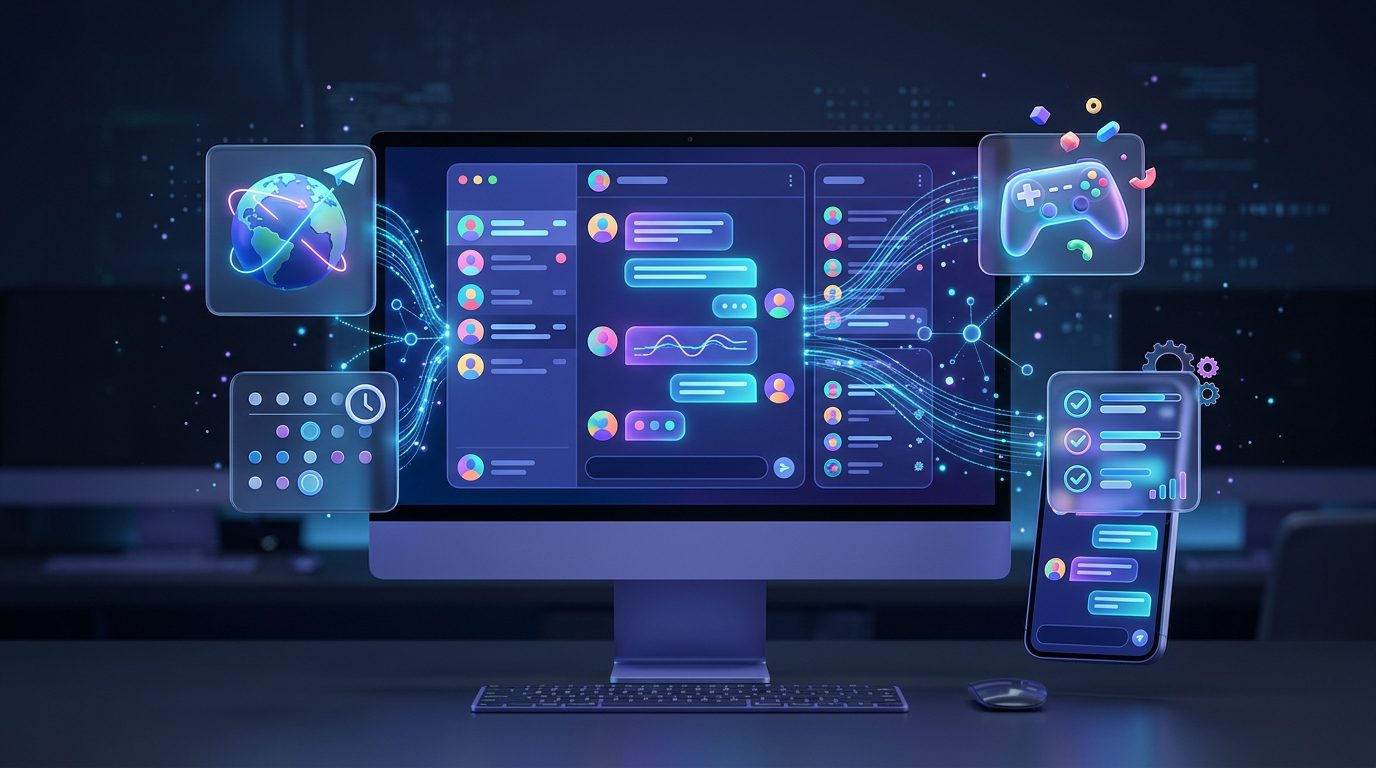
Eugenia Kuyda, the entrepreneur behind the AI companion platform Replika, has launched Wabi 2.0, a new version of her AI-powered product that brings personal agents, group messaging, and interactive mini-apps together. The service is expanding its presence across mobile devices and Mac, reflecting a broader push to make AI assistants useful for shared activities rather than individual conversations alone.
The announcement marks another step in Kuyda’s effort to rethink how people interact with software. Instead of relying entirely on chat responses, Wabi 2.0 is designed to help users organise activities, coordinate plans, create simple applications, and complete tasks within a shared conversational space.
According to Wabi’s official website, users can start on their computer and continue on their phone, or switch in the opposite direction. The company presents the product as an AI assistant people can use together, with interactive interfaces that adapt to what they want to accomplish.
The launch also represents a shift from Wabi’s original identity as a platform for creating personal mini-apps. Its newer direction places messaging and shared AI assistance at the centre of the experience.
What Is Wabi 2.0?
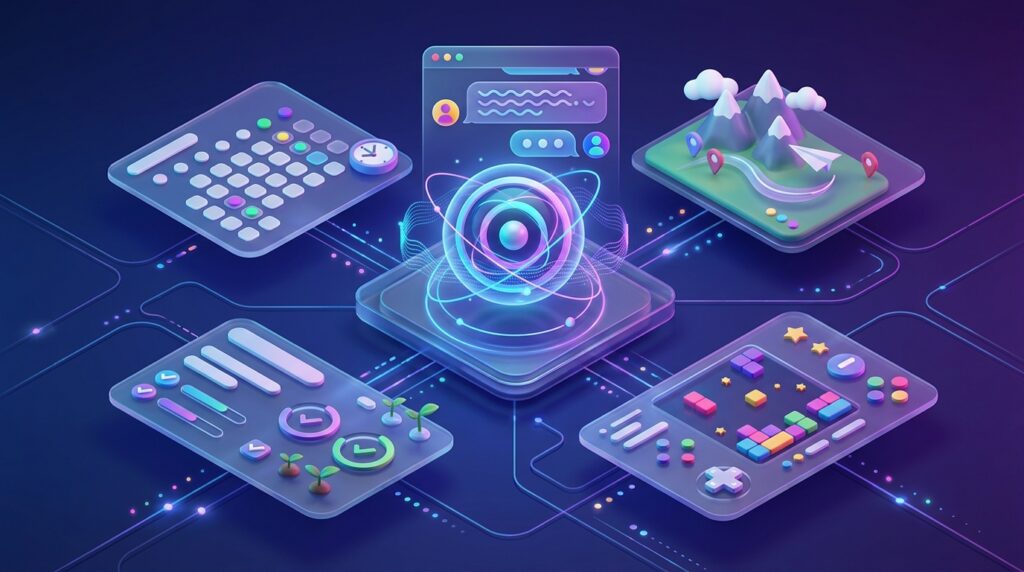
Wabi 2.0 is built around the idea that an AI assistant should do more than answer questions. It should also help users move from a request to a practical outcome, creating an interface when a task needs more than a text response.
For example, someone planning a weekend trip with friends might ask the assistant to organise possible destinations. Rather than leaving the group with a long list of suggestions, the system could help structure the options into an interactive planning experience that participants can use together.
The same concept could support shared calendars, activity planners, games, fitness trackers, and other lightweight tools. Users can interact with the resulting applications instead of repeatedly describing every change in a chat.
The key difference is the relationship between conversation and software. The conversation establishes what people want to do, while the generated interface provides a practical way to complete or manage the task.
That approach gives Wabi 2.0 a different focus from traditional chatbots. Rather than treating every request as a question requiring a written answer, it attempts to connect conversations with useful, interactive outcomes.
Wabi 2.0 Brings AI Agents Into Group Chats
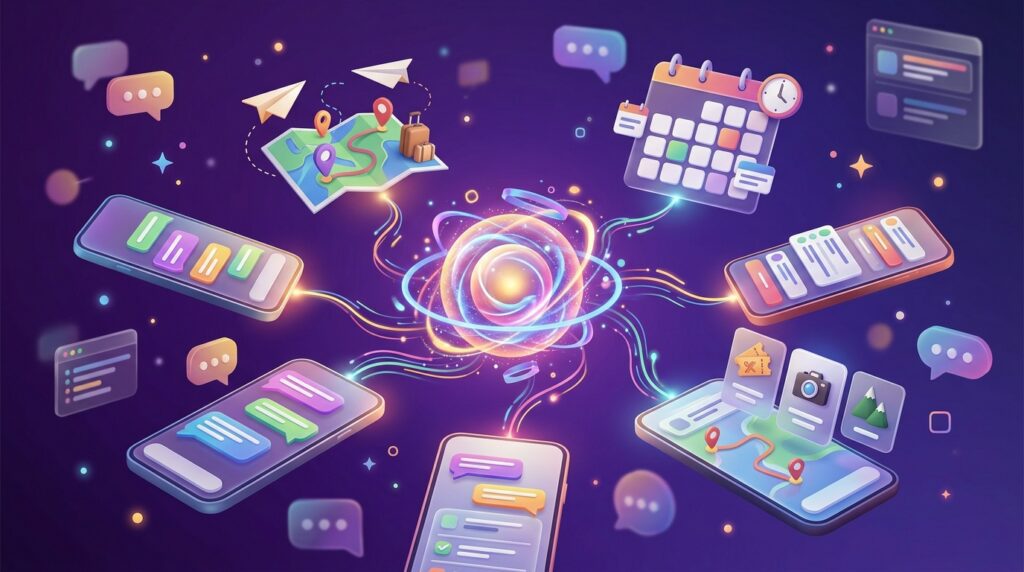
One of the central ideas behind Wabi 2.0 is that many everyday tasks involve several people. Planning a holiday, arranging a family schedule, organising an event, or choosing an activity requires coordination rather than a private conversation with an assistant.
Kuyda has described the product as an agent people can use together. Participants can join a shared thread, discuss what they need, and use applications created for the group’s activity.
This could make an AI assistant useful in situations where information and decisions need to remain accessible to everyone involved. Instead of one person collecting suggestions and forwarding screenshots, the group could work with a shared planning interface.
The concept also opens the door to collaborative mini-apps. Friends might create a game for a gathering, while families could maintain a shared calendar or build a simple tool for tracking household activities.
However, the quality of this experience will depend on how reliably the agent understands group conversations, keeps shared information organised, and completes requested tasks. Users will also need clear controls over who can access shared conversations and connected information.
From Mini-App Builder to Personal AI Agent

When Wabi first emerged, its main proposition was personal software: users could describe an idea and create a mini-app without traditional programming. The platform was intended to make software more adaptable to individual needs rather than forcing everyone to use the same standard applications.
The move to Wabi 2.0 builds on that foundation but changes how users encounter those capabilities. Instead of making app creation the main activity, the newer product places the assistant and the task at the centre. Applications can then appear as needed to help users achieve an outcome.
This reflects a wider change in consumer AI products. Many assistants can already generate text, summarise information, or suggest what a user should do. The next challenge is helping people act on those suggestions without navigating multiple disconnected tools.
A custom interface can bridge that gap. A conversational request might produce a planner, tracker, or interactive list tailored to the situation. The user can then continue modifying it as their needs change.
The important question is whether people will find these generated interfaces more useful than conventional apps. Wabi 2.0 is betting that software will become more personal and flexible when it can be created and adjusted through ordinary conversation.
Mobile and Mac Availability

Wabi’s official website promotes access on phones and provides a Mac download option. It also describes a cross-device experience in which users can start a task on a computer and continue on a phone.
That flexibility matters for an assistant designed around everyday activities. Users may want to organise a trip on a larger screen, then check details while travelling. A shared household calendar might be easier to manage on a computer but more convenient to consult on a mobile device.
The company also highlights home-screen widgets for iOS and Android, giving users another way to access their favourite Wabi experiences.
Availability and access conditions can vary by platform, so users should consult the official website and the relevant app listing for current installation requirements. TechCrunch reported in September 2026 that the Wabi 2.0 experience was initially invite-only; readers should check the latest access information rather than assume every feature is available to everyone.
How Wabi Fits Into the Competition for AI Agents

The launch of Wabi 2.0 comes as technology companies explore AI agents that can perform tasks rather than simply respond to prompts. These products increasingly aim to combine conversational interaction with tools, workflows, and interfaces that help users get things done.
In its September 2026 report, TechCrunch described Wabi’s shift from a prompt-based app builder toward an AI messaging experience. The report noted that the company was positioning itself closer to assistants that combine conversation and productivity tasks.
Kuyda’s argument is that chat alone can become cumbersome when conversations contain ongoing projects, plans, and decisions. Relevant information may disappear into a long message history, while users still need buttons, lists, calendars, and other interfaces to manage real activities.
Wabi’s response is to combine those elements. Its approach could appeal to people who want an assistant that supports shared activities and adapts its interface to the task at hand.
Competition will depend on more than the concept. Reliability, ease of use, privacy, integrations, speed, and the quality of generated applications will all influence whether users adopt the product as part of their daily routines.
Eugenia Kuyda’s Move Beyond Replika

Eugenia Kuyda is best known for founding Replika, an AI companion service built around ongoing conversations and personalised interactions. Her work on Wabi applies a different vision of personal AI: helping users create software, coordinate with other people, and complete everyday tasks.
As Business Insider reported in October 2025, Kuyda stepped aside as Replika’s CEO to pursue the new venture while remaining involved with Replika in a creative advisory role.
The two products serve different purposes. Replika focuses on the relationship between a user and an AI companion, while Wabi is increasingly centred on practical activities, shared conversations, and applications that users can adapt.
That background gives Kuyda experience in building consumer-facing AI products, but Wabi faces its own challenge: turning an ambitious vision of personal software into an experience that people find consistently useful.
Final Thoughts
Wabi 2.0 signals a move toward AI assistants that combine messaging, shared tasks, and dynamically created applications. By bringing the experience to mobile and Mac, Wabi is aiming to make those capabilities available across the devices people use throughout the day.
Its most distinctive idea is the combination of a shared conversation with software designed for the group’s needs. Rather than leaving users with a stream of AI-generated text, the platform aims to provide interactive tools that help them make plans and carry them out.
Whether this model becomes a mainstream way to use AI will depend on execution. Wabi will need to demonstrate that its agent can reliably handle tasks, create genuinely useful interfaces, and protect information shared across conversations and connected services.
For now, the launch places Eugenia Kuyda’s latest venture among the companies exploring a future in which AI does more than answer questions—it helps people work together and turns their ideas into usable software.
Sources
Wabi official website — current product positioning, mobile access, Mac download, and cross-device experience.
TechCrunch: AI-powered app maker Wabi pivots to a messaging experience — background on Wabi 2.0 and its shift toward shared AI messaging.
Eugenia Kuyda’s Wabi launch announcement — the original vision for personal software and user-created mini-apps.
Business Insider: Replika founder Eugenia Kuyda launches Wabi — background on Kuyda’s move from Replika to Wabi.
More AI coverage: explore Progressive Robot's AI Models, Tools & Releases hub — hands-on reviews, setup guides and benchmarks in one place.










