
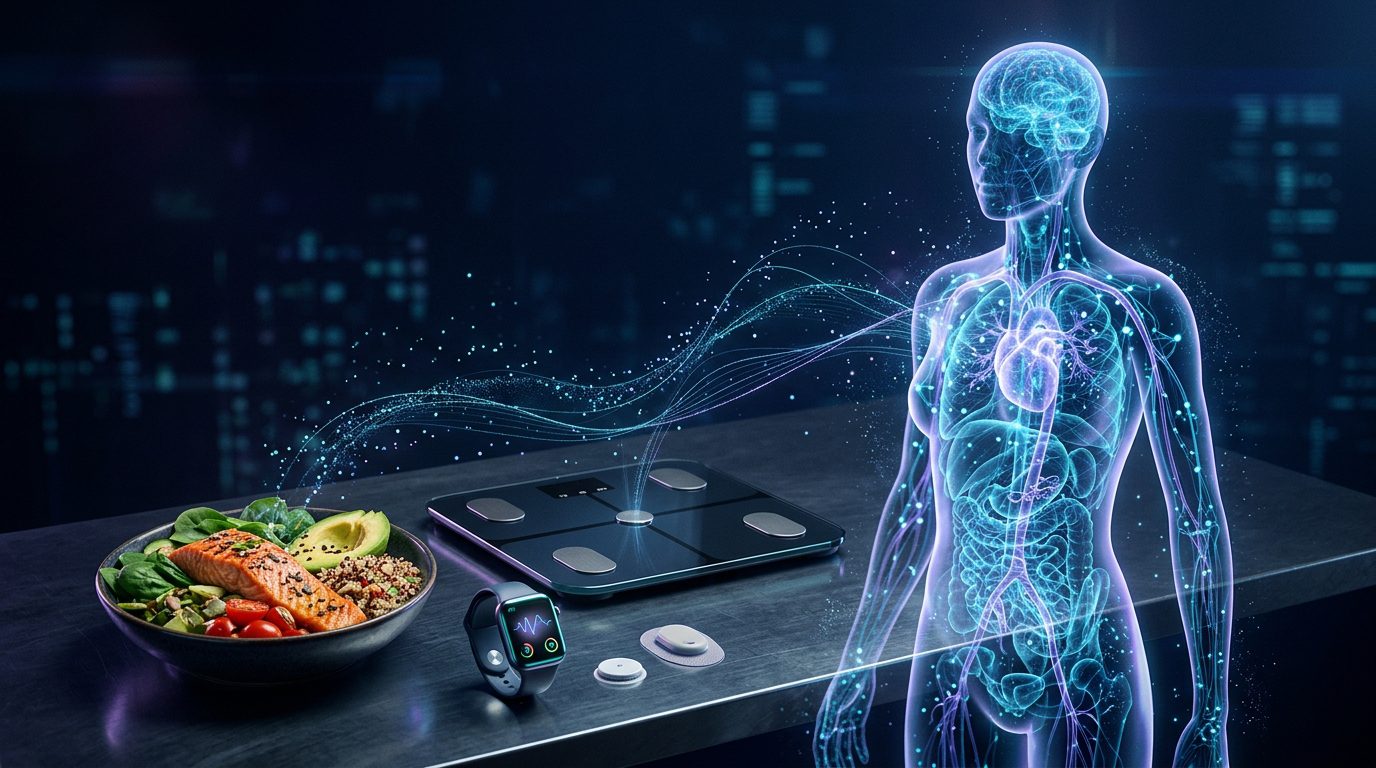
An AI digital twin could change how people understand their metabolism by using personal health data to predict how their bodies respond to different foods, activities and daily habits. Rather than offering generic dietary recommendations, an AI digital twin attempts to build a personalised picture of an individual’s physiology and update its predictions as new information becomes available.
The technology was explored in a first-person report published by The Verge on October 14, 2026. Senior reviewer Victoria Song described using Twin Health’s metabolic programme for approximately 100 days, logging meals and providing information collected from health devices and laboratory tests. The system generated colour-coded predictions about how different meals might affect her glucose levels.
Her experience highlights both the potential and the limitations of AI-powered personalised health technology. The programme coincided with improvements in several of her laboratory results, but the experience also involved extensive data collection, ongoing tracking and human coaching. It does not establish that the AI system alone caused those improvements.
For healthcare technology developers, businesses and consumers, the story raises a broader question: can an AI digital twin make healthcare more personalised without creating excessive monitoring, unrealistic expectations or new privacy risks?
What Is an AI Digital Twin in Healthcare?
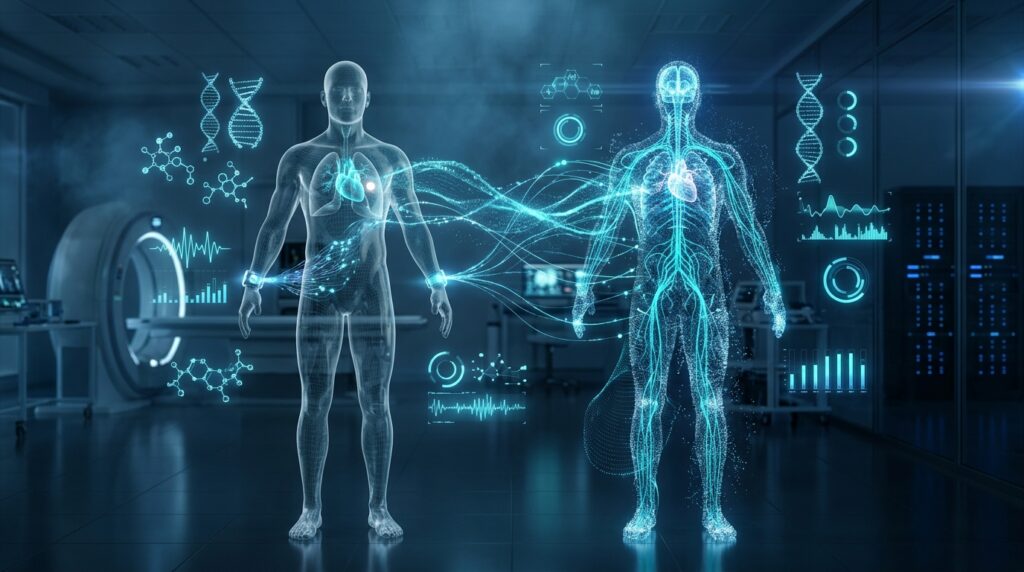
An AI digital twin in healthcare is a virtual representation of a person that uses data about their body, behaviour or medical condition to model aspects of their health. Depending on the system, that information can include laboratory results, wearable-device measurements, medical images, activity records and other physiological indicators.
Unlike a static digital health record, a digital twin is intended to help model relationships and make predictions. As new data arrives, the virtual representation can be updated to reflect changes in the person’s measured condition.
For example, a metabolic digital twin might use glucose measurements, meal logs and activity information to estimate how an individual could respond to particular foods. A more advanced clinical system might investigate how a patient could respond to a treatment, although such applications require substantially more validation before they can support medical decisions.
The important distinction is that a digital twin is a model, not a complete digital copy of a human being. Its predictions depend on the data it receives, the methods used to interpret that data and the quality of its validation.
How Twin Health’s Metabolic Digital Twin Works
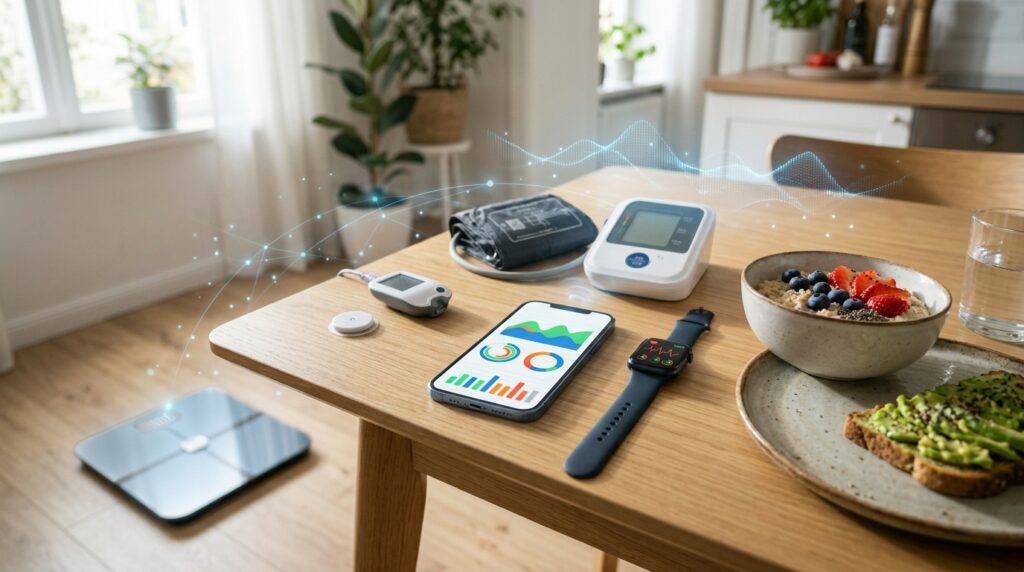
The Twin Health programme described in The Verge report illustrates how an AI digital twin can combine multiple sources of personal health information to generate individualised recommendations.
Song’s programme involved a smart scale, a continuous glucose monitor, a blood pressure cuff, an Apple Watch, laboratory blood tests and regular contact with a human health coach. The programme used this information to build a picture of her metabolic health and provide feedback about food and activity choices.
The process can be understood through four main stages.
1. Collecting Personal Health Data
The first step is gathering measurements that help describe a person’s health. Depending on the programme, this can include body composition, glucose levels, physical activity, blood pressure and laboratory results.
Continuous glucose monitors can record glucose measurements throughout the day, helping users and clinicians observe changes around meals and activity. Smartwatches can provide additional information about movement and exercise, while laboratory tests offer measurements that consumer wearables cannot provide.
Combining these sources can create a more detailed picture than relying on a single measurement. However, every additional source introduces questions about data quality, missing readings, compatibility and privacy.
2. Building an Individual Metabolic Profile
The system combines the collected information to establish a baseline. That baseline helps it interpret later measurements in the context of the individual’s existing data rather than treating every person as physiologically identical.
For example, two people may experience different glucose responses after eating the same meal. An AI digital twin attempts to account for these individual differences when estimating how someone might respond to food, exercise or other behavioural changes.
The quality of this profile depends on how much relevant data is available and how accurately the system can interpret it. An incomplete profile may lead to less reliable predictions.
3. Predicting Responses to Food and Activity
Once the profile has been established, the system can generate personalised estimates. In Song’s experience, the Twin Health app used colour-coded categories to communicate its predictions about meals.
A bowl of protein cereal with milk, for instance, received a less favourable rating when eaten alone and a more favourable one when followed by a walk. Other foods received different ratings depending on the individual’s predicted response and activity.
These recommendations are best understood as estimates based on the system’s model. They should not be interpreted as universal nutritional rules or proof that a particular meal is healthy or unhealthy for everyone.
4. Updating Predictions With New Measurements
After a meal is logged and the person’s glucose response is recorded, the system can use the new information to refine its picture of the individual’s metabolic patterns.
This creates a feedback loop: collect data, make a prediction, observe the outcome and update the model or recommendations.
The process is central to the idea of an AI digital twin. Its value is not simply producing a recommendation once, but potentially improving the relevance of future guidance as more information becomes available.
What the 100-Day Experiment Revealed
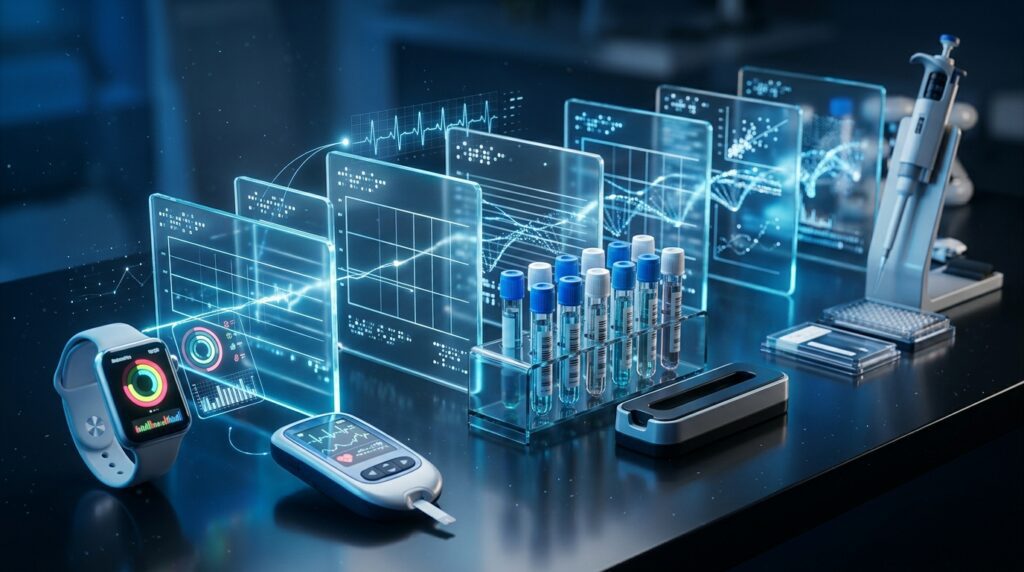
The most revealing part of Song’s report was the experience of using the system over an extended period rather than simply trying an AI nutrition tool for a few days.
During the approximately 100-day programme, she logged meals, supplied health measurements and participated in recurring check-ins with a human coach. The process required sustained attention and a significant amount of personal information.
Her follow-up laboratory results showed improvements in several measures. According to the article, her metabolic health score increased by nine points, her triglycerides decreased by 70 milligrams per decilitre, and most of her previously elevated liver enzyme measurements had returned to normal. She also reported a reduction in the inflammation marker hs-CRP, while insulin resistance remained present but had improved.
These are individual results reported in a personal technology review, not a controlled clinical trial demonstrating the effectiveness of the system for the wider population.
Several factors could have contributed to the changes, including altered eating habits, increased exercise, human coaching, existing medical care and changes that had already begun before the programme. The report itself notes that some laboratory measurements had been improving previously.
The experience therefore offers an interesting example of how personalised health technology may support behaviour change, but it does not establish which part of the programme produced the improvements.
Can an AI Digital Twin Tell You What to Eat?
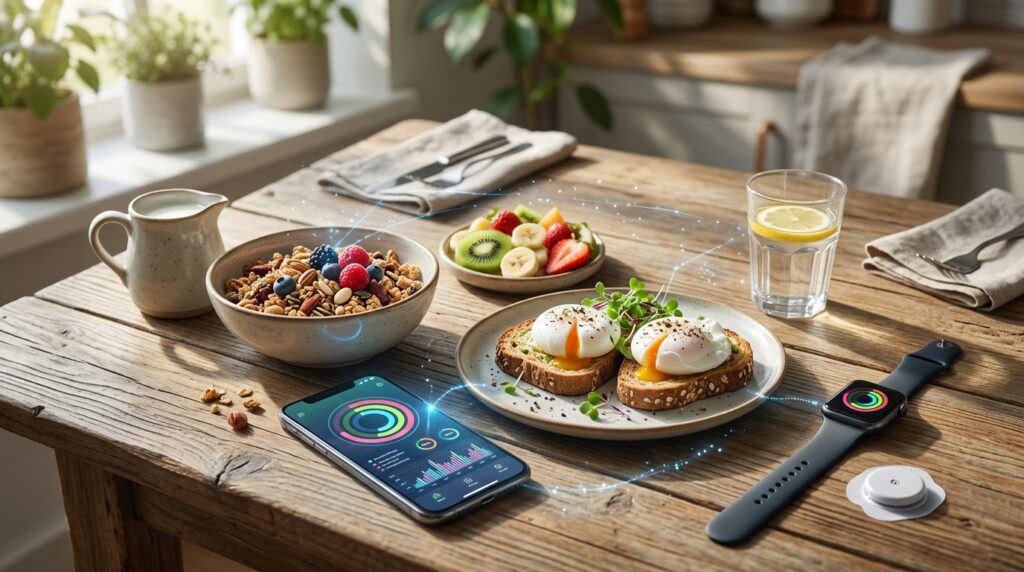
Personalised nutrition is one of the most accessible applications of an AI digital twin because people make food choices several times a day. A system that provides relevant feedback about meals and activity could help users understand patterns that generic dietary advice might overlook.
For example, a metabolic coaching platform may help someone compare their measured glucose responses after different breakfasts, observe how activity relates to those readings and identify habits worth discussing with a healthcare professional.
However, glucose response is only one part of nutrition. A meal’s suitability also depends on factors such as overall nutritional quality, energy needs, allergies, medical conditions, medication and an individual’s broader dietary requirements.
A food receiving a favourable glucose prediction is not automatically the healthiest choice in every context. Likewise, a less favourable reading does not necessarily mean a food must be avoided.
An AI digital twin should therefore support informed decisions rather than dictate every meal. Users should avoid making medication changes or restrictive dietary decisions solely on the basis of automated recommendations.
The Benefits of AI Digital Twins for Personalised Healthcare
AI digital twins could offer several benefits when their predictions are sufficiently accurate and their use is supported by appropriate clinical oversight.
More Individualised Recommendations
Traditional health advice often begins with broad recommendations intended for large groups. An AI digital twin could help personalise some guidance using an individual’s measurements and observed responses.
This may make recommendations more relevant to people whose health patterns differ from common averages. The usefulness of that personalisation, however, must be demonstrated rather than assumed.
Earlier Identification of Potential Patterns
By combining measurements over time, a digital twin may help users or clinicians notice changes that are difficult to identify from isolated readings.
For instance, repeated data could reveal relationships between sleep, activity and certain physiological measurements. Such patterns may justify further investigation, but they do not automatically establish a medical diagnosis or a causal relationship.
Better Behavioural Accountability
The Twin Health experience also demonstrates the potential importance of human coaching. Regular check-ins encouraged Song to return to exercise and report her progress to another person.
This suggests that the benefit of a digital health programme may come from a combination of data, feedback and accountability rather than AI predictions alone.
Potential Applications Beyond Metabolic Health
Researchers are exploring digital twins for more complex medical applications, including treatment planning and cancer research. In principle, a validated model could help investigators explore possible responses to different interventions before making decisions about a real patient.
These applications are considerably more demanding than food recommendations. Clinical use requires robust evidence, careful validation and safeguards against misleading predictions.
The Problems: Data Fatigue, Privacy and Trust
The same data that makes an AI digital twin potentially useful can also make it burdensome. Song described the effort of repeatedly logging meals and supplying measurements, as well as the feeling of being drained by the constant demand for information.
This is an important product-design issue. A health system that requires too much manual input may become difficult to maintain, even if its recommendations are useful. Users may stop logging meals, skip measurements or abandon the programme entirely.
Privacy is another concern. Metabolic digital twins can combine information from wearables, laboratory tests, activity records and personal habits. Such datasets may reveal intimate details about an individual’s health and daily routine.
Before using a programme, people should understand what information is collected, how it is stored, who can access it, whether it is shared with third parties and what happens if they stop using the service.
Accuracy and transparency also matter. Users need to understand that predictions can be wrong and that a personalised interface does not automatically mean the system has been clinically validated.
The more consequential the recommendation, the stronger the evidence and oversight should be.
Could Digital Twins Eventually Predict Medication Responses?
One of the more ambitious possibilities for an AI digital twin is modelling how a person might respond to a medicine or treatment.
In theory, a sufficiently validated model could combine clinical history, laboratory measurements, medical images and other relevant information to estimate how different interventions might affect an individual. Researchers could use such models to investigate potential outcomes, identify questions for further testing or support clinical decision-making.
But predicting the effect of a meal is not the same as predicting the effect of chemotherapy or another high-risk treatment. Medication responses can involve complex interactions among genetics, disease progression, other medicines and many physiological processes.
A model that works reasonably well for one type of metabolic prediction cannot automatically be trusted for a different clinical application.
Digital twins used for treatment decisions would need evidence that their predictions are reliable for the intended patient population and clinical setting. Healthcare professionals would also need to understand the model’s limitations and remain responsible for appropriate clinical decisions.
For now, the prospect of an AI digital twin predicting medication responses should be viewed as an area of research and development, not a guarantee of personalised treatment.
What AI Developers Can Learn From Twin Health
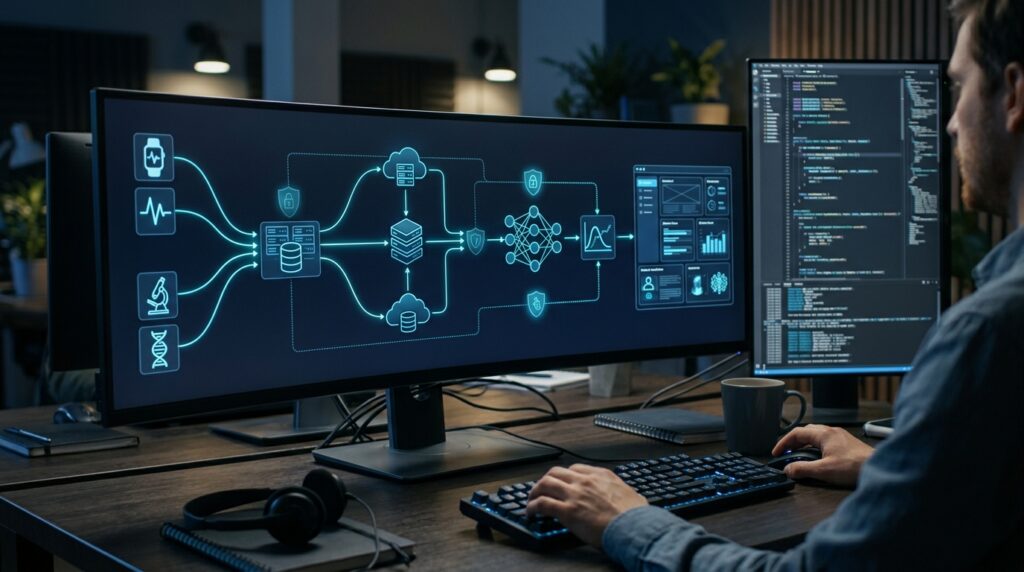
The Twin Health example offers several lessons for organisations building AI-powered healthcare products.
First, useful personalisation depends on reliable data collection. Developers need to account for missing readings, incompatible devices, measurement errors and changes in user behaviour. A model cannot reliably interpret information that is inaccurate or incomplete.
Second, health recommendations need to be understandable. A simple interface can help users interpret a prediction, but it should also explain uncertainty and avoid presenting estimates as absolute truths.
Third, digital health products need to consider the entire user experience. Frequent reminders and detailed tracking may improve the amount of available data, but excessive demands can lead to fatigue. Product teams should aim to collect the information necessary for the intended purpose rather than collecting everything possible.
Fourth, human oversight can remain valuable even when AI systems become more capable. Coaches and healthcare professionals can help interpret results, discuss realistic goals and respond when the model’s recommendations are inappropriate.
Finally, privacy and security must be considered from the beginning. Access controls, data minimisation, encryption, clear consent and transparent retention policies are central design requirements for products handling sensitive health information.
For technology companies, the broader lesson is that a successful AI digital twin is not simply a predictive model. It is a complete system involving data infrastructure, software design, evaluation, user support and responsible governance.
The Future of AI Digital Twins in Healthcare
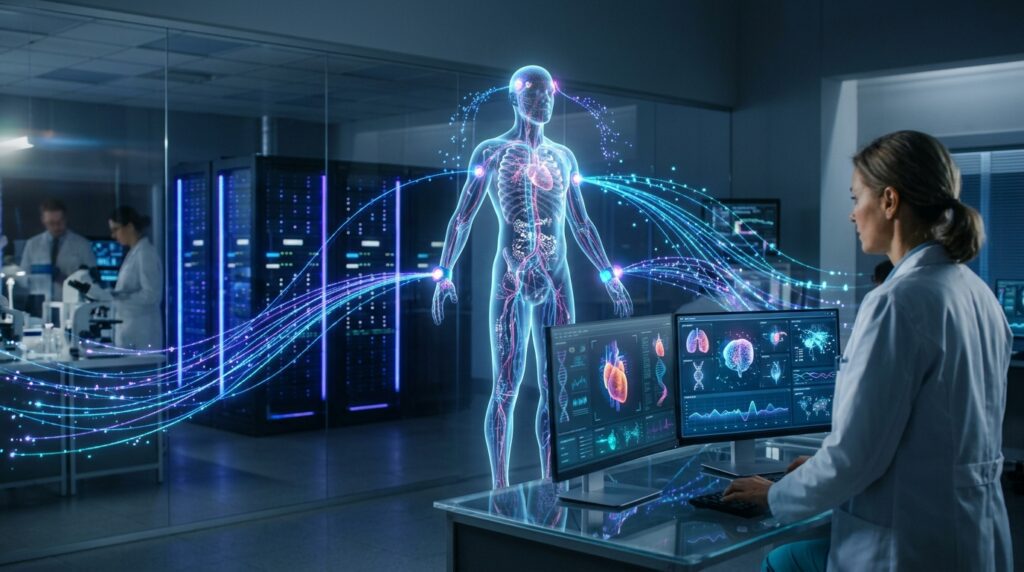
The future of AI digital twins will depend on whether developers can make their predictions accurate, useful and sustainable in everyday healthcare.
Metabolic coaching provides a relatively accessible setting in which systems can compare predictions with measurements collected over time. More advanced applications may eventually support clinical research, treatment planning and preventive care, but these require different levels of evidence and oversight.
Wearable devices and connected medical systems could make it easier to collect information continuously. Advances in AI may also help identify patterns across different types of data. However, more data does not automatically produce better decisions: data quality, appropriate modelling and independent validation remain essential.
Another important challenge is accessibility. If digital twin programmes are available mainly through particular employers or private health plans, their potential benefits may not reach everyone who could use them. Cost, device availability, digital literacy and healthcare access will all influence adoption.
The most promising future is one in which digital twins help people and clinicians make better-informed decisions without turning every aspect of daily life into a monitoring exercise.
Frequently Asked Questions About AI Digital Twins
What is an AI digital twin?
An AI digital twin is a virtual model of a person, system or physical object that uses data to represent its characteristics and potentially predict how it may respond to different conditions or interventions. In healthcare, it may use physiological measurements, laboratory results and wearable data to model aspects of an individual’s health.
How does a metabolic digital twin work?
A metabolic digital twin combines information such as glucose readings, meals, activity and other health measurements to estimate how a person may respond to food or lifestyle changes. New measurements can help update the model, although its predictions are not guaranteed to be accurate.
What is Twin Health?
Twin Health is a digital health programme focused on metabolic health. The programme described in The Verge report combined connected health devices, laboratory testing, an app and human coaching to provide personalised feedback.
Can an AI digital twin tell me exactly what to eat?
No. It can provide estimates and personalised guidance, but it cannot guarantee the ideal meal for every individual or account perfectly for every aspect of health. Nutrition recommendations should consider overall dietary needs and relevant medical advice.
Did the digital twin improve Victoria Song’s health?
In her The Verge report, Song described improvements in several laboratory measurements after approximately 100 days in the programme. The account does not prove that the AI system alone caused those changes. Behavioural changes, coaching, existing medical care and other factors may also have contributed.
Are AI digital twins safe for medical decisions?
Their safety depends on the intended application, the quality of the underlying data, the model’s validation and the level of clinical oversight. A system designed for metabolic coaching should not automatically be used to make high-risk treatment decisions.
What are the privacy risks of digital twins?
Digital twins may combine sensitive information from wearables, laboratory tests, medical records and daily activities. Users should understand how their information is stored, shared, protected and retained before enrolling in a programme.
Can digital twins replace doctors?
Digital twins are not substitutes for qualified healthcare professionals. They may support monitoring, research and decision-making, but diagnosis and treatment decisions require appropriate clinical assessment and oversight.
Conclusion: AI Digital Twins Could Make Healthcare More Personal, but Trust Matters
AI digital twins offer a promising way to connect personal health data with more individualised guidance. The Twin Health experience reported by The Verge illustrates how wearable devices, laboratory testing, meal tracking and human coaching can work together to support metabolic health monitoring.
The results described in that account are encouraging, but they should not be interpreted as proof that AI alone produces better health outcomes. The experience also exposes important limitations, including the burden of continuous tracking, privacy concerns and the need to distinguish model predictions from clinically established evidence.
For healthcare technology developers, the next challenge is to build systems that combine useful personalisation with transparent recommendations, strong data protection and meaningful validation. AI digital twins may eventually play a larger role in preventive care and treatment research, but their success will depend on earning the trust of the people whose data powers them.
At Progressive Robot, we help businesses explore AI technologies, develop software solutions and plan practical digital transformation projects. If your organisation is investigating AI-powered applications or healthcare technology, our team can help you assess the technical and implementation considerations.
Explore our IT services: Progressive Robot
References
The Verge — My AI doppelganger tells me what to eat
Twin Health — Official website
Stanford Medicine — Medical research and digital twin resources
More AI coverage: explore Progressive Robot's AI Models, Tools & Releases hub — hands-on reviews, setup guides and benchmarks in one place.










