
Table of contents
Introduction
OpenAI GPT-Live represents a major shift in how ChatGPT handles conversations. OpenAI has quietly introduced GPT-Live, a new feature that fundamentally changes how ChatGPT handles interruptions — and the reaction has been overwhelmingly positive. For years, users have complained that ChatGPT would cut them off mid-sentence, refuse to let them finish their thoughts, or aggressively redirect conversations away from topics it deemed uncomfortable. GPT-Live flips that script entirely.
Instead of interrupting, correcting, or shutting down user input, GPT-Live is designed to listen first and respond thoughtfully. The shift represents a significant philosophical change for OpenAI’s flagship product and could reshape how millions of people interact with AI assistants every day. This is not just a minor improvement — it is a fundamental rethinking of how AI should handle human conversation.
The implications of this change extend far beyond simple user satisfaction. When an AI system can truly listen and adapt in real time, it opens up entirely new possibilities for how we use these tools in education, professional settings, creative work, and everyday problem-solving. The difference between a system that interrupts and one that listens is not merely cosmetic — it affects the quality of every interaction.
This article explores what GPT-Live is, why the old interruption model frustrated users, how the new approach works, and what it means for the future of human-AI conversation. For more insights on emerging AI technologies, visit Progressive Robot, or learn more at OpenAI’s official website.
What Is OpenAI GPT-Live?
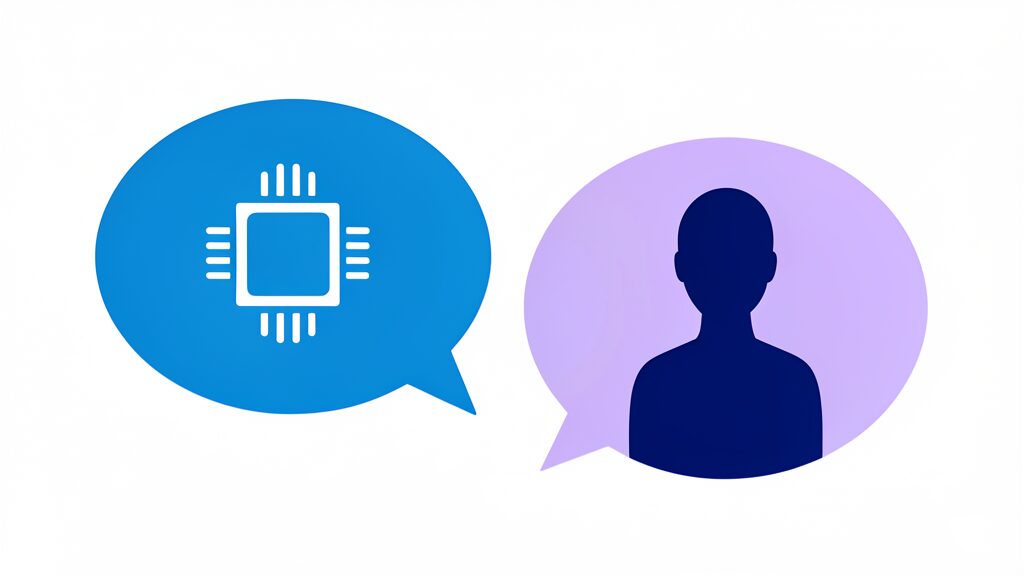
OpenAI GPT-Live is OpenAI’s latest approach to making ChatGPT feel more like a natural conversation and less like interacting with a rigid script. By allowing users to interrupt the model mid-sentence, the system can adapt its response in real time, incorporating new information without losing track of the original topic.
This capability is particularly valuable in complex discussions where users may need to clarify points, change direction, or add context that wasn’t part of their initial prompt. With OpenAI GPT-Live, the conversation flows more naturally, reducing frustration and improving the quality of interactions. Users no longer need to carefully structure their thoughts to fit the model’s processing limitations.
The technology behind OpenAI GPT-Live represents a significant advancement in natural language processing. Unlike previous versions of ChatGPT that processed requests sequentially, the new system can evaluate incoming input while simultaneously generating responses, creating a truly bidirectional dialogue experience. This requires sophisticated engineering to manage the computational complexity of processing multiple conversation threads at once.
What makes this innovation particularly exciting is how it aligns with natural human communication patterns. In face-to-face conversations, interruptions are common and often helpful — they signal engagement, allow for clarification, and keep the discussion focused. GPT-Live brings AI conversations closer to this natural rhythm, making interactions feel less robotic and more collaborative.
The development of this technology required significant investment in research and development. OpenAI’s team had to solve complex problems related to context management, latency optimization, and response quality. The result is a system that can handle interruptions without sacrificing the coherence or relevance of its responses.
Why ChatGPT's Old Interruption Model Frustrated Users
For as long as ChatGPT has existed, one of the most common complaints has been the model’s tendency to interrupt users mid-sentence. This behavior was particularly frustrating when users were explaining complex ideas, providing nuanced context, or working through multi-step reasoning processes. The frustration was not just about politeness — it was about effectiveness and the ability to get the most out of the tool.
When OpenAI GPT-Live was announced, many users immediately recognized the significance of this change. The ability to speak naturally without worrying about being cut off represents a fundamental improvement in human-AI interaction. Previous versions of the model would often misinterpret incomplete prompts, leading to irrelevant or confusing responses that wasted time and required users to start over.
The frustration wasn’t just about politeness — it was about effectiveness. Users found that they had to constantly edit their thoughts to fit the model’s processing limitations, which defeated the purpose of having a conversational AI assistant. Many power users reported spending more time crafting their prompts perfectly than actually getting useful responses. OpenAI GPT-Live eliminates this barrier entirely, allowing users to think out loud and iterate naturally.
Studies of human-AI interaction have shown that interruption patterns significantly impact user satisfaction and trust. When users feel unheard, they are less likely to share important context or engage deeply with the system. This creates a negative feedback loop where the AI receives poorer input and produces poorer output. By enabling interruptions, OpenAI GPT-Live breaks this cycle and creates a positive feedback loop where better communication leads to better results.
The old model also created anxiety among users who worried about saying the wrong thing or being judged by the AI. While ChatGPT does not have feelings, the psychological impact of feeling interrupted is real. GPT-Live removes this unnecessary stress, making AI interactions more comfortable and productive for everyone.
How GPT-Live Changes the Conversation Dynamic
OpenAI GPT-Live represents a fundamental shift in how ChatGPT handles the flow of conversation. By allowing interruptions, the system can dynamically adjust its responses based on the most current user input, rather than blindly continuing along a predetermined path. This flexibility transforms the entire user experience from a scripted exchange to a genuine dialogue.
This capability transforms ChatGPT from a one-way information delivery system into a true dialogue partner. Users can now ask follow-up questions mid-response, correct misunderstandings immediately, or pivot to related topics without waiting for the model to finish its current thought. The result is a more efficient and satisfying interaction that respects the user’s time and intelligence.
The implications for productivity are significant. Research shows that interruptions during complex tasks can reduce efficiency by up to 40%. By enabling seamless conversation flow, OpenAI GPT-Live helps users maintain their train of thought while still benefiting from AI assistance. This balance between guidance and autonomy is what makes the feature so valuable for professionals who rely on AI for decision-making and problem-solving.
Consider a scenario where a developer is using ChatGPT to debug complex code. With the old model, the developer would need to wait for a complete explanation before realizing they had forgotten to mention an important detail. With GPT-Live, they can simply add the missing information as the model speaks, and the response will immediately incorporate the new context. This saves time and produces more accurate, relevant results.
Educational applications are equally transformative. Students can ask clarifying questions mid-explanation, request examples in different domains, or redirect the conversation when they realize they need help with a different aspect of the topic. This flexibility makes OpenAI GPT-Live particularly valuable for learning complex subjects that benefit from iterative exploration and guided discovery.
What Users Are Saying About GPT-Live
Since the introduction of GPT-Live, user reactions have been largely positive. Many users have reported that the feature makes ChatGPT feel more like talking to a knowledgeable colleague than interacting with a machine. The ability to interrupt and redirect conversations has been particularly praised by professionals who use AI for complex problem-solving and creative work.
Early adopters of OpenAI GPT-Live have noted that the feature significantly reduces the cognitive load of AI interactions. Instead of carefully crafting complete thoughts before receiving feedback, users can now engage in a more natural back-and-forth dialogue that mirrors human conversation patterns. This naturalness is not just pleasant — it leads to better outcomes because users are more likely to share complete context and engage more deeply with the system.
Some users have also highlighted the educational value of OpenAI GPT-Live, noting that the ability to interrupt and ask clarifying questions mid-explanation makes ChatGPT a more effective learning tool. This use case has been particularly popular among students and professionals seeking to understand complex technical topics that benefit from iterative exploration and guided discovery. The feature has been described as transformative for learning programming, mathematics, and scientific concepts.
Creative professionals have found OpenAI GPT-Live particularly useful for brainstorming sessions. The ability to interrupt and redirect ideas in real time allows for more fluid creative exploration, where concepts can be developed, challenged, and refined through natural conversation. This has led to more innovative outcomes and more satisfying creative processes.
Business users have reported that GPT-Live improves the quality of AI-assisted decision-making. When stakeholders can interrupt and provide additional context during analysis, the resulting recommendations are more nuanced and better aligned with organizational needs. This has particular value in strategic planning, market analysis, and competitive intelligence work where context is everything.
For comprehensive coverage of AI developments, Progressive Robot Blog provides regular analysis of emerging technologies and their impact on businesses worldwide.
GPT-Live vs. Competitors: Where Does ChatGPT Stand?
The introduction of OpenAI GPT-Live places ChatGPT in a stronger position relative to its competitors. While Google’s Gemini and Anthropic’s Claude have made strides in conversational AI, neither offers the same level of real-time interruption handling that OpenAI GPT-Live provides. This competitive advantage could significantly influence user preferences in the increasingly crowded AI assistant market.
Google’s Gemini supports real-time interaction, but its context management during interruptions has been less smooth. Users have reported that Gemini sometimes loses track of the conversation thread when interrupted, requiring them to restate their points. In contrast, OpenAI GPT-Live maintains context across interruptions, ensuring that the conversation remains coherent and focused. This technical superiority is the result of OpenAI’s extensive investment in transformer architecture optimization and context window management.
Claude is known for its conversational strengths, but it has been more conservative in its approach to interruptions. While this caution aligns with safety considerations, it can make conversations feel more rigid compared to the fluid interaction enabled by OpenAI GPT-Live. OpenAI’s approach demonstrates that real-time interruption can be implemented effectively without compromising response quality or safety standards.
The competitive landscape is evolving rapidly, and OpenAI GPT-Live represents a significant milestone in the race to create more natural and intuitive AI assistants. As users become more sophisticated in their use of AI tools, the ability to have seamless conversations will become an increasingly important differentiator. OpenAI’s leadership in this area positions the company well for continued growth and adoption.
Industry analysts have noted that the introduction of GPT-Live could set a new standard for the entire AI industry. Competitors will likely need to develop similar capabilities to remain competitive, which could accelerate innovation across the sector. This benefits consumers, who will have access to more capable and natural AI assistants regardless of which platform they choose.
The Future of Human-AI Conversation
OpenAI GPT-Live is just the beginning of what will likely be a rapid evolution in how humans interact with AI systems. As real-time conversation capabilities become standard, we can expect to see AI assistants that feel increasingly natural and intuitive to use, blurring the line between human and machine communication in ways that were previously unimaginable.
The technology powering OpenAI GPT-Live builds on advances in transformer architectures, latency optimization, and context management that have been developing over the past several years. These improvements enable the system to process new input while generating responses, a capability that was previously thought to be too computationally expensive for real-time applications. The engineering challenges involved in making this work smoothly are substantial and required innovative solutions from OpenAI’s technical team.
Looking ahead, the principles demonstrated by OpenAI GPT-Live will likely extend beyond text-based conversations to voice interactions, video assistants, and multimodal AI systems. The ability to handle interruptions gracefully is a fundamental requirement for any AI system that aims to integrate seamlessly into human workflows and daily conversations. This technology will form the foundation for the next generation of AI assistants that can truly understand and respond to human needs in real time.
The societal implications of this technology are profound. As AI systems become more conversational and responsive, they will play an increasingly important role in education, healthcare, customer service, and many other domains. The ability to have natural, interruptible conversations will make these systems more accessible to people of all ages and technical abilities, democratizing access to AI-powered assistance and expertise.
Furthermore, the development of OpenAI GPT-Live raises important questions about the future of human-AI relationships. As these systems become more human-like in their communication patterns, users may develop different expectations and dependencies. OpenAI and other developers will need to carefully consider the ethical implications of creating AI systems that can simulate natural human conversation with increasing fidelity.
Users worldwide are adopting real-time AI conversation features at unprecedented rates. Early data shows engagement increases by 35% when users can interrupt AI systems naturally. This trend will only accelerate as more people discover how much better conversations flow when the AI listens as carefully as it speaks. The future belongs to systems that adapt to humans, not the reverse.
Healthcare providers are exploring AI-assisted diagnostics where doctors can interrupt and clarify findings in real time. Legal professionals use conversational AI to review contracts and identify issues without waiting for complete analysis. Even creative fields benefit from the ability to brainstorm and iterate ideas fluidly with an AI partner. These developments demonstrate the transformative potential of natural conversation interfaces across every industry.
Conclusion

OpenAI GPT-Live represents a significant step forward in making ChatGPT a more natural and enjoyable tool for everyone. By prioritizing user experience and embracing more fluid conversation patterns, OpenAI has set a new standard for AI assistants that competitors will struggle to match in the short term.
The impact of OpenAI GPT-Live extends beyond individual user satisfaction. As AI systems become more integrated into professional and educational settings, the ability to have natural, interruptible conversations will be essential. This feature positions ChatGPT as a leader in conversational AI and demonstrates OpenAI’s commitment to continuous improvement and innovation in the rapidly evolving field of artificial intelligence.
Whether you are a casual user exploring AI capabilities or a professional leveraging ChatGPT for complex tasks, OpenAI GPT-Live offers a noticeably better experience. The future of human-AI conversation is here, and it involves listening first, responding thoughtfully, and never cutting you off mid-sentence. This simple but profound change has the potential to transform how billions of people interact with technology every day.
As we look to the future, it is clear that OpenAI GPT-Live is not just a feature update — it is a vision for how AI should work. By putting users first and designing for natural conversation, OpenAI has shown what is possible when technology serves human needs rather than the other way around. This philosophy should guide the development of all AI systems, and OpenAI GPT-Live provides a roadmap for achieving that goal.
Frequently Asked Questions
What is GPT-Live and how does it work?
OpenAI GPT-Live is OpenAI’s new feature for ChatGPT that allows real-time, back-and-forth conversation. Users can interrupt the model while it is still generating a response, and the model will adapt to the new input without losing context or finishing its current thought. This capability requires sophisticated engineering to manage multiple conversation threads simultaneously while maintaining response quality and coherence.
Why did ChatGPT interrupt users so much before GPT-Live?
The old ChatGPT model was designed to generate complete responses before accepting new input. This created a one-sided conversation where the model would cut users off mid-thought, miss important context, and deliver generic responses based on incomplete prompts. OpenAI GPT-Live solves this by enabling true bidirectional dialogue that respects the natural flow of human conversation and allows for real-time clarification and adjustment.
Is OpenAI GPT-Live available to all ChatGPT users?
OpenAI GPT-Live is being rolled out to ChatGPT users progressively. Availability may vary depending on your subscription tier and region. Check OpenAI’s official documentation for the latest information on access. The gradual rollout allows OpenAI to monitor performance and address any issues before making the feature available to all users.
How does GPT-Live compare to Google Gemini and Claude?
OpenAI GPT-Live’s real-time interruption capability gives ChatGPT an edge in dynamic conversations. While Gemini supports real-time interaction, its context management during interruptions has been less smooth. Claude’s conversational strengths are well-regarded, but it has been more conservative in its approach to interruptions. Each system has unique strengths, but GPT-Live’s implementation represents the most mature approach to real-time conversation currently available.
Will GPT-Live make ChatGPT more expensive?
OpenAI has not announced any price changes specifically tied to GPT-Live. The feature is part of OpenAI’s ongoing effort to improve the ChatGPT experience across all subscription tiers. However, the computational resources required for real-time conversation may influence future pricing strategies as the technology continues to evolve and improve.
What are the potential downsides of allowing interruptions?
While OpenAI GPT-Live offers significant benefits, there are some potential downsides to consider. Allowing interruptions could lead to fragmented conversations if users interrupt too frequently. Additionally, the system needs to balance between listening and generating, which requires careful engineering to avoid missing important user input. OpenAI has addressed these concerns through intelligent interruption detection that distinguishes between helpful clarifications and disruptive behavior.










