
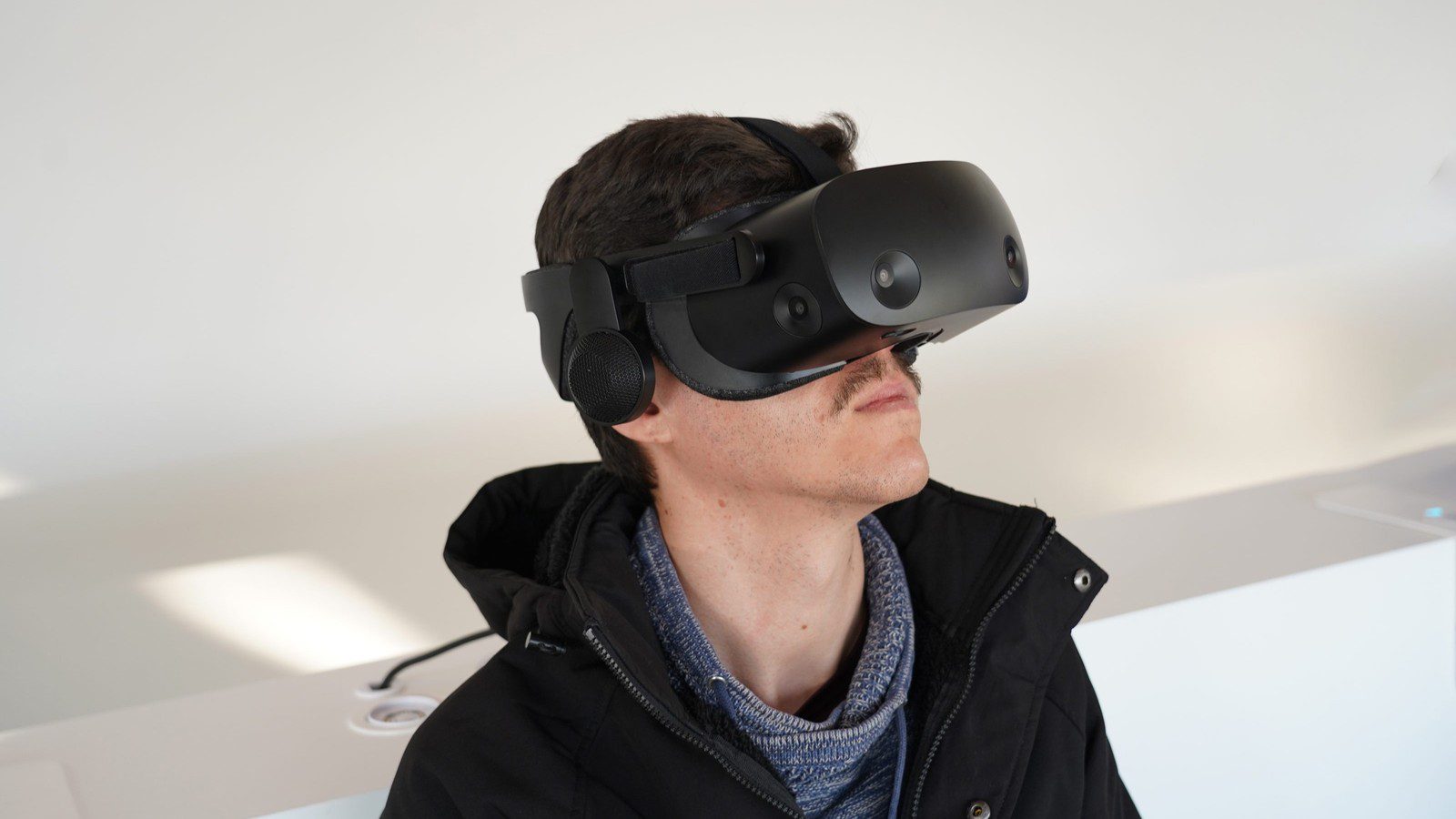
Spatial Computing is moving from consumer curiosity into enterprise planning because Apple Vision Pro and Meta Quest give companies a practical way to combine training, remote collaboration, design review, and guided work inside immersive digital spaces.
The useful question is not whether every employee needs a headset. The better question is where a headset helps someone learn faster, make fewer mistakes, understand physical context, collaborate with a remote expert, or inspect a product, facility, dashboard, or process as if it were in the room.
This guide explains how Spatial Computing can support corporate training and remote collaboration without becoming a collection of isolated demos. It covers Apple Vision Pro, Meta Quest, enterprise use cases, content workflows, device management, network readiness, privacy, safety, cost modeling, and rollout governance.
Enterprise Spatial Computing work should begin with business scenarios rather than device enthusiasm. A safety team may need repeatable hazard training, an engineering team may need immersive design review, a support team may need remote expert guidance, and HR may need onboarding that feels more memorable than static orientation content.
Apple Vision Pro and Meta Quest also serve different enterprise economics. Apple Vision Pro is better suited to high-fidelity mixed reality, visual review, executive collaboration, and Apple ecosystem integration, while Meta Quest is often easier to scale for VR training labs, onboarding groups, and lower-cost headset fleets.
Table of contents
- Why enterprise spatial computing matters now
- Apple Vision Pro in enterprise use cases
- Meta Quest in enterprise use cases
- Corporate training and simulation
- Employee onboarding and role practice
- Remote collaboration and presence
- Remote expert and field service support
- Design, product, and facility review
- Security, identity, and device management
- Network and workspace readiness
- Content operations and app strategy
- Privacy, safety, and employee trust
- Pilot design and measurement
- Cost model and procurement
- Implementation roadmap
- Common pitfalls
- Frequently asked questions
- Enterprise checklist
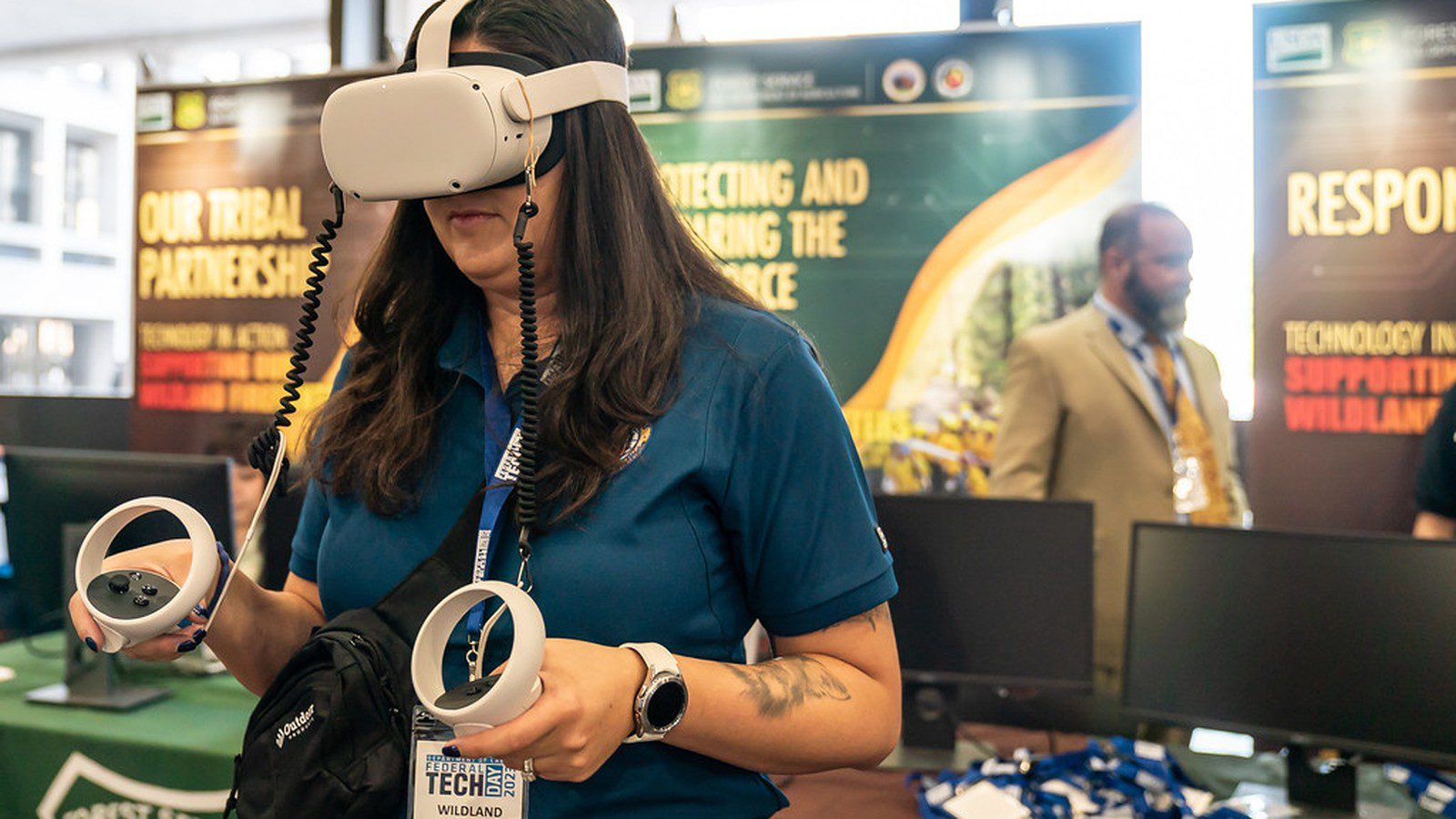
Useful external references include Apple Vision Pro, Meta for Work, NIST guidance on privacy risk management, and CISA guidance on secure by design technology.
For enterprise leaders, headset adoption belongs beside managed IT services, workflow automation, and cloud migration planning because immersive work affects identity, devices, support, application access, analytics, and user experience.
Why enterprise spatial computing matters now
Strong Spatial Computing decisions start by clarifying where remote work, hybrid offices, distributed operations, and digital training are exposing the limits of flat screens. The business goal is not to buy headsets for novelty; it is to decide where immersive presence, spatial context, and hands-on rehearsal create better outcomes than another video call, slide deck, or two-dimensional dashboard.
For why enterprise spatial computing matters now, Spatial Computing planning works when IT, security, facilities, HR, and business leaders define controls around business priority, worker safety, learning objectives, collaboration friction, support load, and measurable adoption. Those controls should be visible in procurement, device setup, user onboarding, content publishing, support, data retention, and success measurement.
The intended outcome is a focused business case that links immersive technology to productivity, risk reduction, learning quality, or faster decisions. When the operating model is clear, Apple Vision Pro and Meta Quest can be evaluated as enterprise tools with different strengths rather than as competing gadgets in a disconnected pilot.
Apple Vision Pro in enterprise use cases
Strong Spatial Computing decisions start by clarifying which workflows benefit from high-resolution mixed reality, eye and hand interaction, spatial video, and tight Apple ecosystem integration. The business goal is not to buy headsets for novelty; it is to decide where immersive presence, spatial context, and hands-on rehearsal create better outcomes than another video call, slide deck, or two-dimensional dashboard.
For apple vision pro in enterprise use cases, Spatial Computing planning works when IT, security, facilities, HR, and business leaders define controls around managed Apple IDs, app distribution, sensitive data boundaries, room safety, accessibility, and executive support expectations. Those controls should be visible in procurement, device setup, user onboarding, content publishing, support, data retention, and success measurement.
The intended outcome is a clear role for Apple Vision Pro in premium review, collaboration, visualization, and specialized knowledge-work scenarios. When the operating model is clear, Apple Vision Pro and Meta Quest can be evaluated as enterprise tools with different strengths rather than as competing gadgets in a disconnected pilot.
Meta Quest in enterprise use cases
Strong Spatial Computing decisions start by clarifying where lower fleet cost, broad VR app availability, controller input, and mature training deployments matter more than premium mixed reality. The business goal is not to buy headsets for novelty; it is to decide where immersive presence, spatial context, and hands-on rehearsal create better outcomes than another video call, slide deck, or two-dimensional dashboard.
For meta quest in enterprise use cases, Spatial Computing planning works when IT, security, facilities, HR, and business leaders define controls around device enrollment, kiosk mode, shared headset hygiene, content licensing, user profiles, and headset refresh planning. Those controls should be visible in procurement, device setup, user onboarding, content publishing, support, data retention, and success measurement.
The intended outcome is a practical path for scaled training labs, workforce onboarding, repeatable simulations, and department-level pilots. When the operating model is clear, Apple Vision Pro and Meta Quest can be evaluated as enterprise tools with different strengths rather than as competing gadgets in a disconnected pilot.
Corporate training and simulation
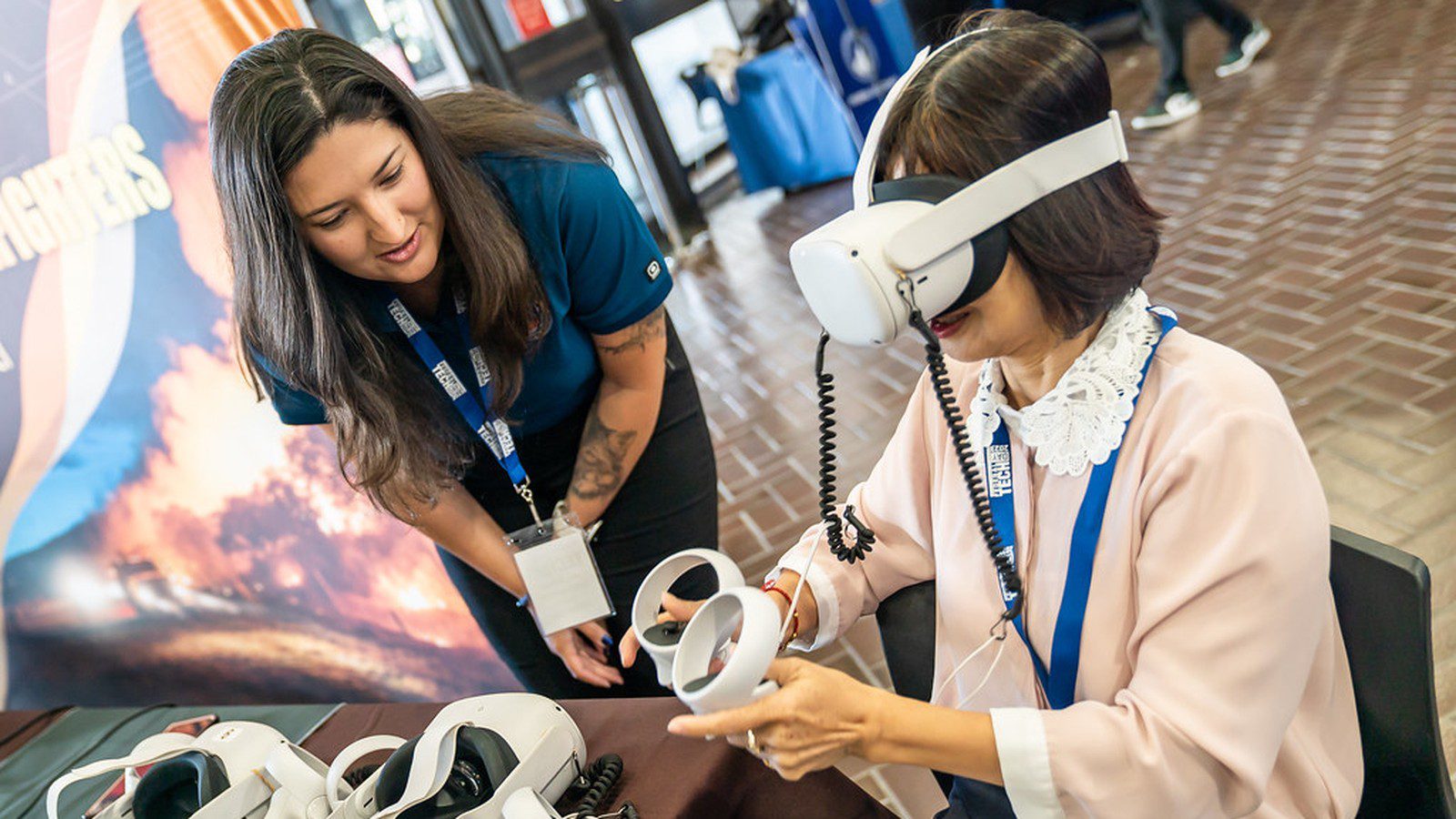
Strong Spatial Computing decisions start by clarifying which tasks are expensive, dangerous, rare, complex, or difficult to practice in the real world. The business goal is not to buy headsets for novelty; it is to decide where immersive presence, spatial context, and hands-on rehearsal create better outcomes than another video call, slide deck, or two-dimensional dashboard.
For corporate training and simulation, Spatial Computing planning works when IT, security, facilities, HR, and business leaders define controls around scenario design, assessment criteria, facilitator roles, accessibility, safety rules, reset workflows, and LMS integration. Those controls should be visible in procurement, device setup, user onboarding, content publishing, support, data retention, and success measurement.
The intended outcome is training that lets employees build confidence and muscle memory before real equipment, customers, or hazardous settings are involved. When the operating model is clear, Apple Vision Pro and Meta Quest can be evaluated as enterprise tools with different strengths rather than as competing gadgets in a disconnected pilot.
Employee onboarding and role practice
Strong Spatial Computing decisions start by clarifying how new employees learn facilities, service standards, sales conversations, safety procedures, and role-specific decisions. The business goal is not to buy headsets for novelty; it is to decide where immersive presence, spatial context, and hands-on rehearsal create better outcomes than another video call, slide deck, or two-dimensional dashboard.
For employee onboarding and role practice, Spatial Computing planning works when IT, security, facilities, HR, and business leaders define controls around learning paths, content versioning, supervisor review, headset availability, session duration, and completion records. Those controls should be visible in procurement, device setup, user onboarding, content publishing, support, data retention, and success measurement.
The intended outcome is onboarding experiences that are consistent across locations while still feeling more active than a video library. When the operating model is clear, Apple Vision Pro and Meta Quest can be evaluated as enterprise tools with different strengths rather than as competing gadgets in a disconnected pilot.
Remote collaboration and presence
Strong Spatial Computing decisions start by clarifying which meetings suffer because participants cannot inspect the same spatial object, room, prototype, or operating environment. The business goal is not to buy headsets for novelty; it is to decide where immersive presence, spatial context, and hands-on rehearsal create better outcomes than another video call, slide deck, or two-dimensional dashboard.
For remote collaboration and presence, Spatial Computing planning works when IT, security, facilities, HR, and business leaders define controls around collaboration apps, identity, guest access, recording policy, file permissions, and meeting-room support. Those controls should be visible in procurement, device setup, user onboarding, content publishing, support, data retention, and success measurement.
The intended outcome is remote sessions where people can point, inspect, annotate, and decide with more context than a standard screen share provides. When the operating model is clear, Apple Vision Pro and Meta Quest can be evaluated as enterprise tools with different strengths rather than as competing gadgets in a disconnected pilot.
Remote expert and field service support
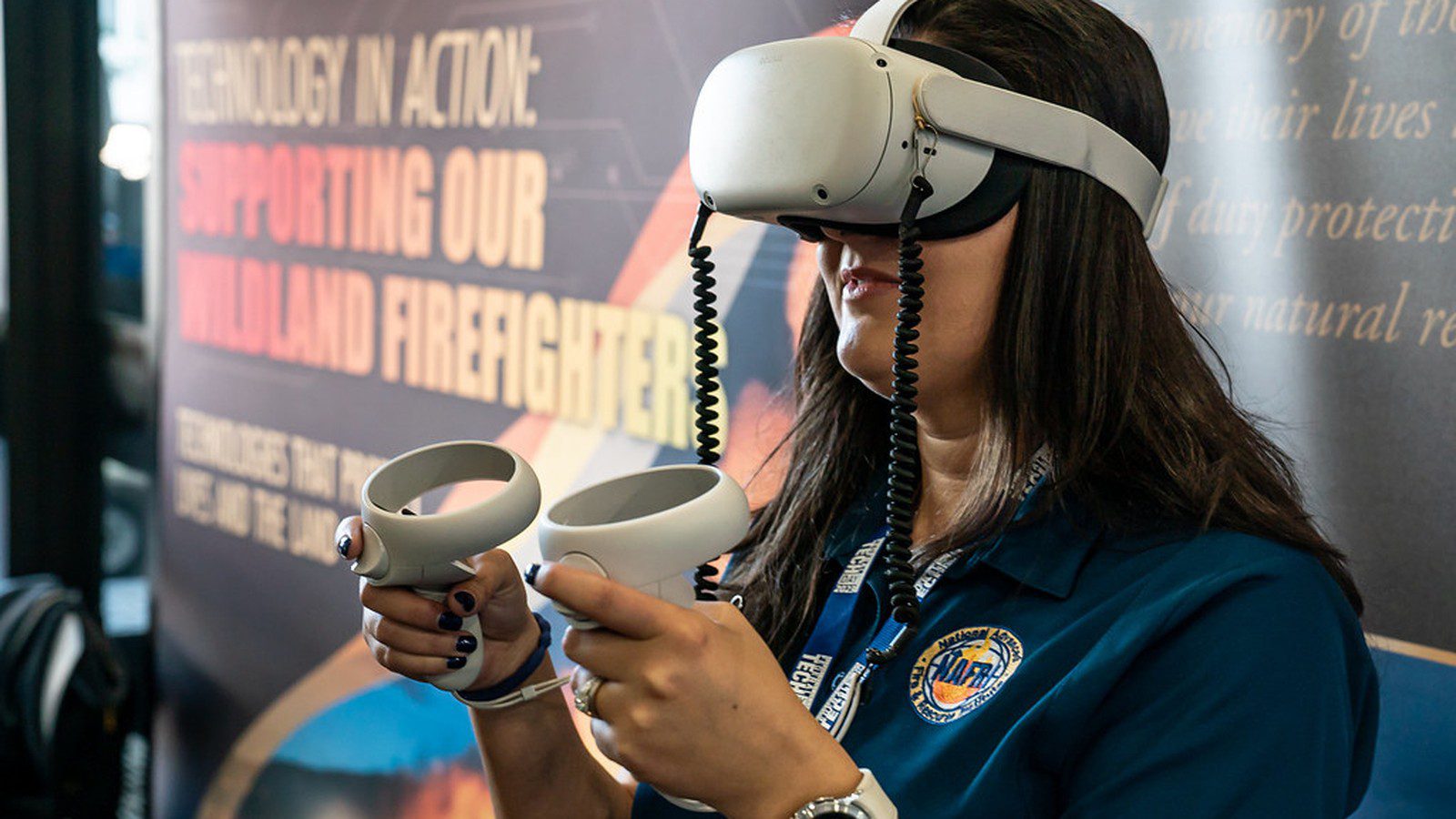
Strong Spatial Computing decisions start by clarifying how specialists help frontline teams diagnose issues without traveling to every site. The business goal is not to buy headsets for novelty; it is to decide where immersive presence, spatial context, and hands-on rehearsal create better outcomes than another video call, slide deck, or two-dimensional dashboard.
For remote expert and field service support, Spatial Computing planning works when IT, security, facilities, HR, and business leaders define controls around camera access, annotation, escalation rules, offline fallback, data capture, and integration with service tickets. Those controls should be visible in procurement, device setup, user onboarding, content publishing, support, data retention, and success measurement.
The intended outcome is faster troubleshooting because remote experts can guide work while seeing the environment and preserving an audit trail. When the operating model is clear, Apple Vision Pro and Meta Quest can be evaluated as enterprise tools with different strengths rather than as competing gadgets in a disconnected pilot.
Design, product, and facility review
Strong Spatial Computing decisions start by clarifying where physical prototypes, BIM models, product designs, store layouts, or factory changes need shared understanding. The business goal is not to buy headsets for novelty; it is to decide where immersive presence, spatial context, and hands-on rehearsal create better outcomes than another video call, slide deck, or two-dimensional dashboard.
For design, product, and facility review, Spatial Computing planning works when IT, security, facilities, HR, and business leaders define controls around model quality, permissions, version control, room-scale safety, and decision documentation. Those controls should be visible in procurement, device setup, user onboarding, content publishing, support, data retention, and success measurement.
The intended outcome is design reviews that catch problems earlier because stakeholders can inspect scale, context, and placement together. When the operating model is clear, Apple Vision Pro and Meta Quest can be evaluated as enterprise tools with different strengths rather than as competing gadgets in a disconnected pilot.
Security, identity, and device management
Strong Spatial Computing decisions start by clarifying how headsets are treated as enterprise endpoints rather than personal accessories. The business goal is not to buy headsets for novelty; it is to decide where immersive presence, spatial context, and hands-on rehearsal create better outcomes than another video call, slide deck, or two-dimensional dashboard.
For security, identity, and device management, Spatial Computing planning works when IT, security, facilities, HR, and business leaders define controls around MDM enrollment, conditional access, app allow lists, encryption, updates, lost device response, and privileged app review. Those controls should be visible in procurement, device setup, user onboarding, content publishing, support, data retention, and success measurement.
The intended outcome is a headset fleet that security teams can govern with the same discipline applied to laptops, tablets, and mobile devices. When the operating model is clear, Apple Vision Pro and Meta Quest can be evaluated as enterprise tools with different strengths rather than as competing gadgets in a disconnected pilot.
Network and workspace readiness
Strong Spatial Computing decisions start by clarifying whether wireless networks, meeting rooms, training spaces, and support desks can handle immersive sessions reliably. The business goal is not to buy headsets for novelty; it is to decide where immersive presence, spatial context, and hands-on rehearsal create better outcomes than another video call, slide deck, or two-dimensional dashboard.
For network and workspace readiness, Spatial Computing planning works when IT, security, facilities, HR, and business leaders define controls around Wi-Fi design, internet latency, content caching, charging, storage, sanitization, and help desk scripts. Those controls should be visible in procurement, device setup, user onboarding, content publishing, support, data retention, and success measurement.
The intended outcome is headset sessions that are reliable enough for business users instead of fragile demos that fail during important meetings. When the operating model is clear, Apple Vision Pro and Meta Quest can be evaluated as enterprise tools with different strengths rather than as competing gadgets in a disconnected pilot.
Content operations and app strategy
Strong Spatial Computing decisions start by clarifying who creates, approves, publishes, updates, and retires immersive training and collaboration content. The business goal is not to buy headsets for novelty; it is to decide where immersive presence, spatial context, and hands-on rehearsal create better outcomes than another video call, slide deck, or two-dimensional dashboard.
For content operations and app strategy, Spatial Computing planning works when IT, security, facilities, HR, and business leaders define controls around authoring tools, app procurement, internal review, localization, accessibility, analytics, and release governance. Those controls should be visible in procurement, device setup, user onboarding, content publishing, support, data retention, and success measurement.
The intended outcome is a content pipeline that keeps immersive experiences current after the first pilot excitement fades. When the operating model is clear, Apple Vision Pro and Meta Quest can be evaluated as enterprise tools with different strengths rather than as competing gadgets in a disconnected pilot.
Privacy, safety, and employee trust
Strong Spatial Computing decisions start by clarifying what headset sensors, room scans, recordings, biometrics, usage data, and performance metrics might reveal. The business goal is not to buy headsets for novelty; it is to decide where immersive presence, spatial context, and hands-on rehearsal create better outcomes than another video call, slide deck, or two-dimensional dashboard.
For privacy, safety, and employee trust, Spatial Computing planning works when IT, security, facilities, HR, and business leaders define controls around data minimization, retention, consent, worker notices, safety boundaries, and role-based access. Those controls should be visible in procurement, device setup, user onboarding, content publishing, support, data retention, and success measurement.
The intended outcome is an adoption program employees can understand rather than a surveillance concern that undermines the value of the technology. When the operating model is clear, Apple Vision Pro and Meta Quest can be evaluated as enterprise tools with different strengths rather than as competing gadgets in a disconnected pilot.

Pilot design and measurement
Strong Spatial Computing decisions start by clarifying how to test immersive use cases with enough structure to support an investment decision. The business goal is not to buy headsets for novelty; it is to decide where immersive presence, spatial context, and hands-on rehearsal create better outcomes than another video call, slide deck, or two-dimensional dashboard.
For pilot design and measurement, Spatial Computing planning works when IT, security, facilities, HR, and business leaders define controls around success metrics, participant groups, baseline comparison, facilitator notes, support tickets, and business-owner signoff. Those controls should be visible in procurement, device setup, user onboarding, content publishing, support, data retention, and success measurement.
The intended outcome is a pilot that produces evidence about learning, collaboration quality, cost, and operational readiness. When the operating model is clear, Apple Vision Pro and Meta Quest can be evaluated as enterprise tools with different strengths rather than as competing gadgets in a disconnected pilot.
Cost model and procurement
Strong Spatial Computing decisions start by clarifying how headset price, accessories, warranty, app subscriptions, content creation, support, and refresh cycles affect total cost. The business goal is not to buy headsets for novelty; it is to decide where immersive presence, spatial context, and hands-on rehearsal create better outcomes than another video call, slide deck, or two-dimensional dashboard.
For cost model and procurement, Spatial Computing planning works when IT, security, facilities, HR, and business leaders define controls around procurement standards, device pools, chargeback, software licensing, cleaning supplies, spares, and lifecycle funding. Those controls should be visible in procurement, device setup, user onboarding, content publishing, support, data retention, and success measurement.
The intended outcome is a financial model that compares immersive value against travel, classroom training, prototype costs, downtime, and expert availability. When the operating model is clear, Apple Vision Pro and Meta Quest can be evaluated as enterprise tools with different strengths rather than as competing gadgets in a disconnected pilot.
Implementation roadmap
Strong Spatial Computing decisions start by clarifying how enterprises move from curiosity to a governed headset program. The business goal is not to buy headsets for novelty; it is to decide where immersive presence, spatial context, and hands-on rehearsal create better outcomes than another video call, slide deck, or two-dimensional dashboard.
For implementation roadmap, Spatial Computing planning works when IT, security, facilities, HR, and business leaders define controls around use-case ranking, architecture, security review, pilot governance, content operations, support training, and quarterly business reviews. Those controls should be visible in procurement, device setup, user onboarding, content publishing, support, data retention, and success measurement.
The intended outcome is a staged rollout that can scale successful use cases without forcing every team into the same device strategy. When the operating model is clear, Apple Vision Pro and Meta Quest can be evaluated as enterprise tools with different strengths rather than as competing gadgets in a disconnected pilot.
Common pitfalls
Strong Spatial Computing decisions start by clarifying where immersive pilots fail even when the headset experience is impressive. The business goal is not to buy headsets for novelty; it is to decide where immersive presence, spatial context, and hands-on rehearsal create better outcomes than another video call, slide deck, or two-dimensional dashboard.
For common pitfalls, Spatial Computing planning works when IT, security, facilities, HR, and business leaders define controls around unclear ownership, weak content maintenance, poor hygiene workflows, unmanaged app purchases, privacy gaps, and no baseline metrics. Those controls should be visible in procurement, device setup, user onboarding, content publishing, support, data retention, and success measurement.
The intended outcome is a program that avoids expensive theater and concentrates on repeatable enterprise outcomes. When the operating model is clear, Apple Vision Pro and Meta Quest can be evaluated as enterprise tools with different strengths rather than as competing gadgets in a disconnected pilot.
Frequently asked questions
What is Spatial Computing in the enterprise?
Spatial Computing in the enterprise means using mixed reality, virtual reality, spatial interfaces, 3D content, and immersive collaboration tools to improve training, review, support, and decision-making workflows.
Should companies choose Apple Vision Pro or Meta Quest?
Companies should choose by use case. Apple Vision Pro fits high-fidelity mixed reality and Apple-heavy environments, while Meta Quest often fits scaled VR training, lower-cost headset pools, and broad app availability. Many enterprises may test both.
Does Spatial Computing replace video meetings?
No. Most meetings still belong in standard collaboration tools. Headsets make sense when people need spatial context, shared 3D inspection, embodied practice, or remote expert guidance that a flat screen cannot provide well.
What is the biggest risk in Spatial Computing pilots?
The biggest risk is treating the headset demo as the strategy. Without content ownership, support, privacy rules, device management, and success metrics, an impressive pilot can fail to become a repeatable business capability.
Enterprise checklist
Before scaling Spatial Computing, confirm that priority use cases are ranked, Apple Vision Pro and Meta Quest roles are defined, identity and device management are ready, privacy rules are approved, training content has owners, app licensing is understood, network readiness is tested, support scripts are written, cleaning and storage workflows exist, and pilot metrics compare immersive sessions with current methods.