
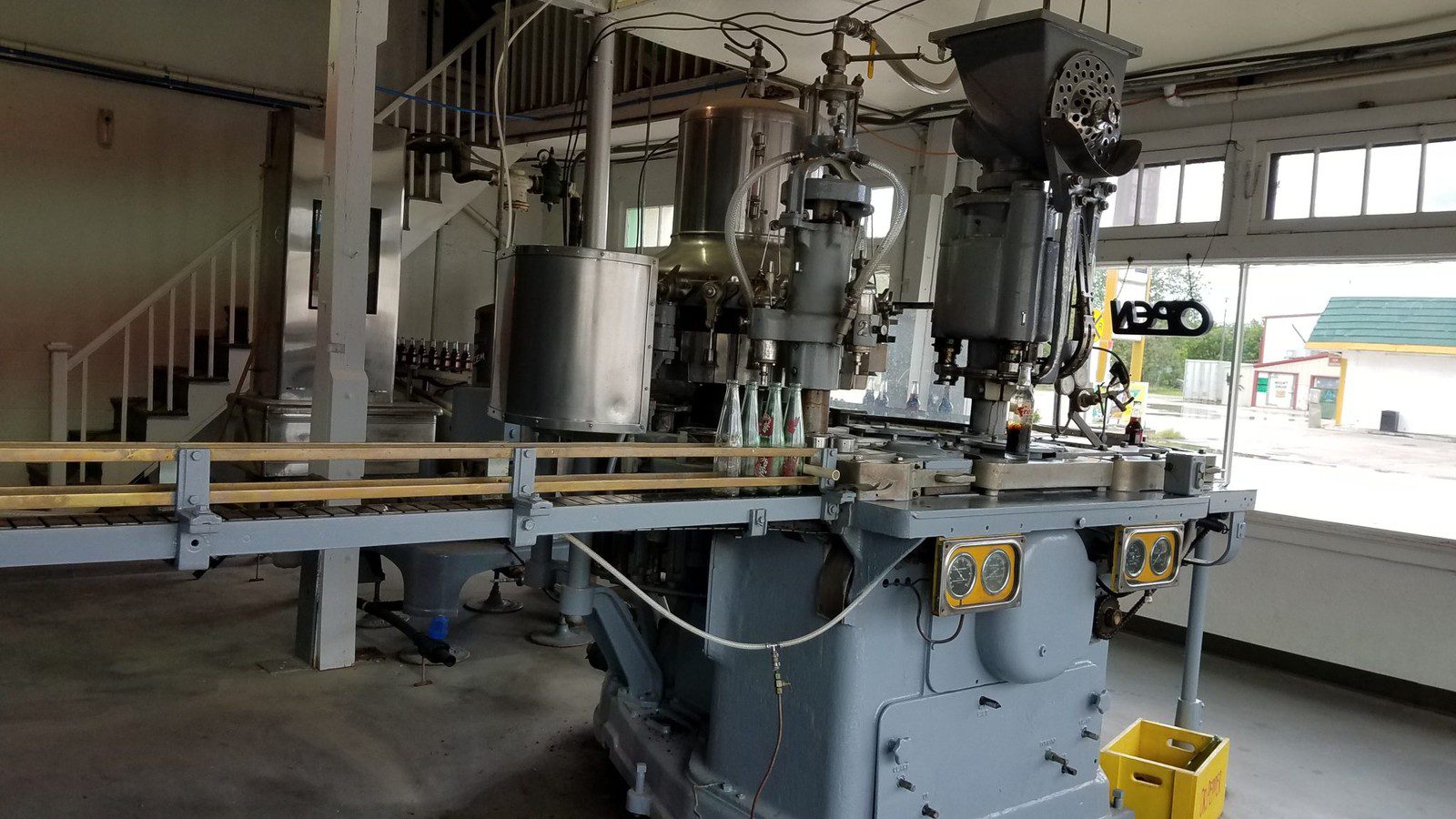
Edge AI in Manufacturing puts compact AI models directly on industrial PCs, PLC-adjacent gateways, cameras, vibration monitors, and other factory floor hardware so maintenance teams can catch machine problems the moment signals change. Instead of waiting for every reading to travel to a cloud platform, plants can score local data beside the equipment that creates it.
The practical value is speed and resilience. Bearings, motors, pumps, compressors, conveyors, weld cells, and packaging lines can show early stress through vibration, temperature, power draw, acoustic patterns, cycle timing, and visual defects. Local inference turns those clues into maintenance work before the line loses capacity.
This guide explains how to deploy small models on factory hardware for instant predictive maintenance. It covers model selection, edge gateways, sensor quality, machine vision, security, observability, governance, integration, and the support model required to run industrial AI without creating another fragile pilot.
Table of contents
- Why Edge AI in Manufacturing matters
- Factory signals for predictive maintenance
- Compact model design
- Edge hardware on the plant floor
- Sensor quality and data conditioning
- Machine vision and acoustic inference
- Deployment pipeline and version control
- Latency, resilience, and fallback modes
- Maintenance workflow integration
- Cybersecurity for factory edge AI
- Observability and model monitoring
- Governance, validation, and audit trails
- Economics and scale planning
- Implementation roadmap
- KPIs for predictive maintenance readiness
- Operator handoff and change management
- Frequently asked questions
- Factory edge AI checklist
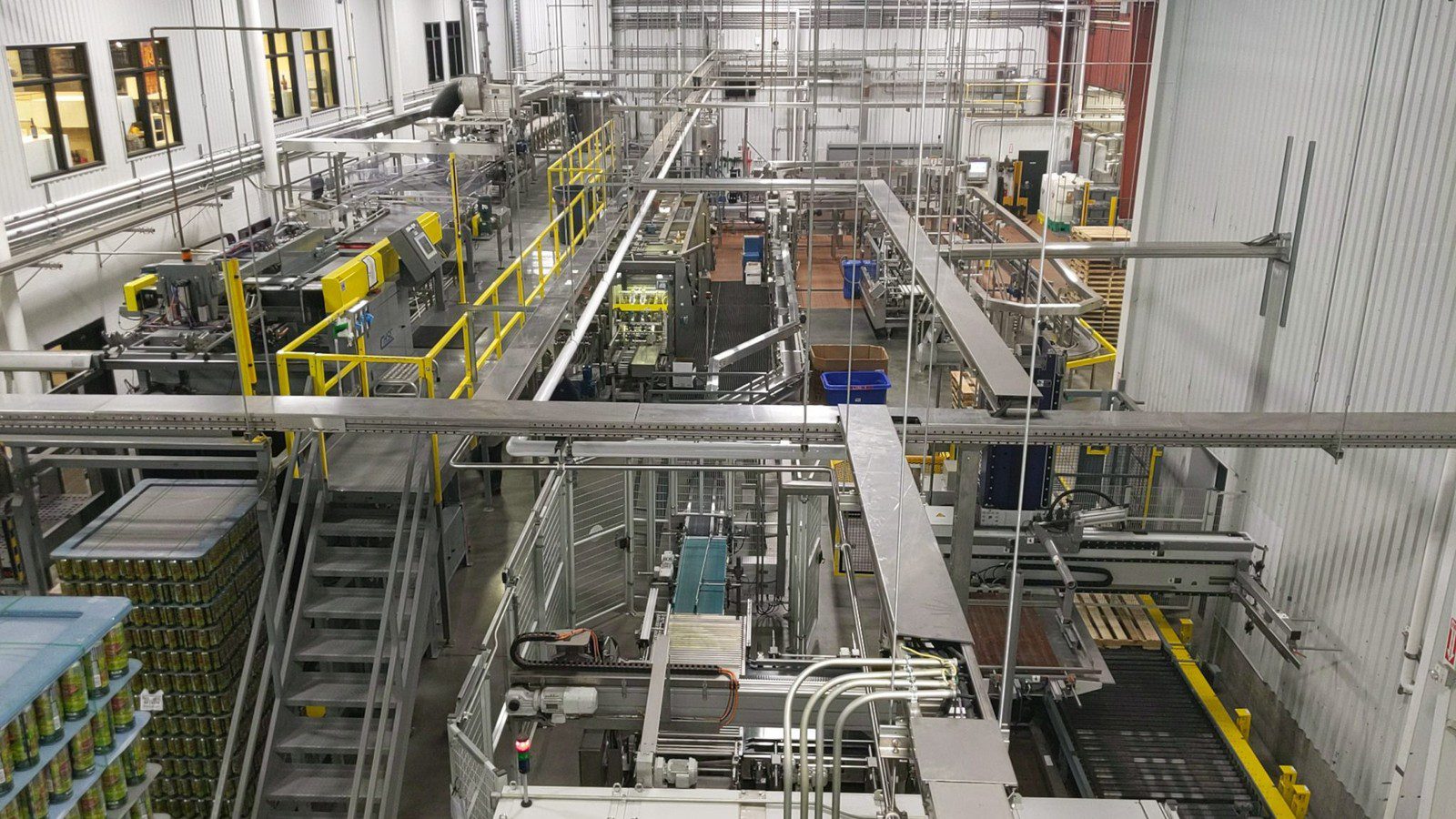
Factory teams should connect this work to established industrial and AI references such as the NIST AI Risk Management Framework, the NIST Cybersecurity Framework, OPC UA, MQTT, and OpenTelemetry guidance.
For many manufacturers, the platform belongs beside managed IT services, workflow automation, and cloud migration planning because edge inference must still connect to business systems, ticket queues, dashboards, and secure remote support.
Why Edge AI in Manufacturing matters
Strong Edge AI in Manufacturing programs start by defining which downtime events are expensive enough to justify instant local inference. Factory teams need a clear boundary between ordinary automation, dashboard reporting, and models that make maintenance recommendations while equipment is still running.
For why edge ai in manufacturing matters, Edge AI in Manufacturing needs disciplined controls around asset criticality, safety impact, alert ownership, and maintenance response time. The model may be compact, but the surrounding system still needs trusted inputs, deterministic deployment, explainable alerts, safe failover, and integration with the maintenance workflow.
The operating goal is a maintenance program that acts before a fault becomes a stoppage. When this foundation is in place, plants can reduce avoidable downtime, move technicians toward earlier intervention, and avoid sending every vibration trace, thermal frame, or acoustic sample to the cloud before action is possible.
Factory signals for predictive maintenance
Strong Edge AI in Manufacturing programs start by defining which machine signals are useful enough to feed a model. Factory teams need a clear boundary between ordinary automation, dashboard reporting, and models that make maintenance recommendations while equipment is still running.
For factory signals for predictive maintenance, Edge AI in Manufacturing needs disciplined controls around sampling frequency, timestamp accuracy, sensor placement, and line context. The model may be compact, but the surrounding system still needs trusted inputs, deterministic deployment, explainable alerts, safe failover, and integration with the maintenance workflow.
The operating goal is trusted condition data that reflects real machine behavior rather than noisy dashboards. When this foundation is in place, plants can reduce avoidable downtime, move technicians toward earlier intervention, and avoid sending every vibration trace, thermal frame, or acoustic sample to the cloud before action is possible.
Compact model design
Strong Edge AI in Manufacturing programs start by defining which models are small enough to run on industrial hardware. Factory teams need a clear boundary between ordinary automation, dashboard reporting, and models that make maintenance recommendations while equipment is still running.
For compact model design, Edge AI in Manufacturing needs disciplined controls around feature selection, quantization, pruning, thresholding, and confidence scoring. The model may be compact, but the surrounding system still needs trusted inputs, deterministic deployment, explainable alerts, safe failover, and integration with the maintenance workflow.
The operating goal is fast inference that fits plant-floor compute limits without losing maintenance value. When this foundation is in place, plants can reduce avoidable downtime, move technicians toward earlier intervention, and avoid sending every vibration trace, thermal frame, or acoustic sample to the cloud before action is possible.
Edge hardware on the plant floor
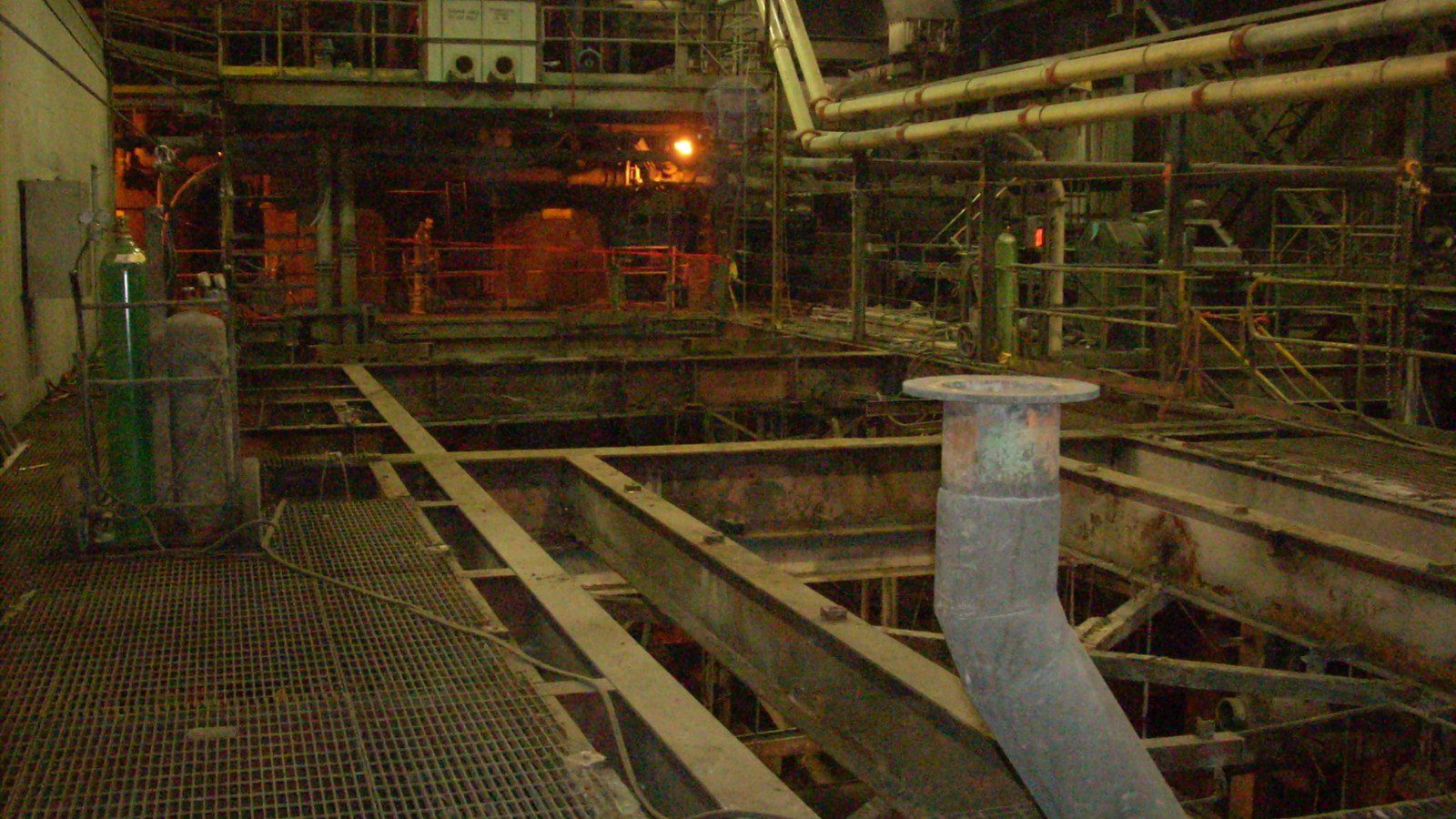
Strong Edge AI in Manufacturing programs start by defining where inference should run across gateways, industrial PCs, cameras, controllers, and operator stations. Factory teams need a clear boundary between ordinary automation, dashboard reporting, and models that make maintenance recommendations while equipment is still running.
For edge hardware on the plant floor, Edge AI in Manufacturing needs disciplined controls around environmental rating, power, networking, acceleration, and serviceability. The model may be compact, but the surrounding system still needs trusted inputs, deterministic deployment, explainable alerts, safe failover, and integration with the maintenance workflow.
The operating goal is hardware that survives the plant while keeping models near the asset. When this foundation is in place, plants can reduce avoidable downtime, move technicians toward earlier intervention, and avoid sending every vibration trace, thermal frame, or acoustic sample to the cloud before action is possible.
Sensor quality and data conditioning
Strong Edge AI in Manufacturing programs start by defining how raw signals become model-ready features. Factory teams need a clear boundary between ordinary automation, dashboard reporting, and models that make maintenance recommendations while equipment is still running.
For sensor quality and data conditioning, Edge AI in Manufacturing needs disciplined controls around calibration, drift checks, missing data handling, and signal normalization. The model may be compact, but the surrounding system still needs trusted inputs, deterministic deployment, explainable alerts, safe failover, and integration with the maintenance workflow.
The operating goal is cleaner inputs that reduce false alarms and make alerts easier to trust. When this foundation is in place, plants can reduce avoidable downtime, move technicians toward earlier intervention, and avoid sending every vibration trace, thermal frame, or acoustic sample to the cloud before action is possible.
Machine vision and acoustic inference
Strong Edge AI in Manufacturing programs start by defining where cameras, microphones, and vibration devices can detect defects faster than manual inspection. Factory teams need a clear boundary between ordinary automation, dashboard reporting, and models that make maintenance recommendations while equipment is still running.
For machine vision and acoustic inference, Edge AI in Manufacturing needs disciplined controls around lighting, mounting, privacy, compression, and edge preprocessing. The model may be compact, but the surrounding system still needs trusted inputs, deterministic deployment, explainable alerts, safe failover, and integration with the maintenance workflow.
The operating goal is local detection for defects, wear, leaks, misalignment, and abnormal sound patterns. When this foundation is in place, plants can reduce avoidable downtime, move technicians toward earlier intervention, and avoid sending every vibration trace, thermal frame, or acoustic sample to the cloud before action is possible.
Deployment pipeline and version control
Strong Edge AI in Manufacturing programs start by defining how models move from lab notebooks to controlled production releases. Factory teams need a clear boundary between ordinary automation, dashboard reporting, and models that make maintenance recommendations while equipment is still running.
For deployment pipeline and version control, Edge AI in Manufacturing needs disciplined controls around model registries, signed artifacts, staged rollout, rollback, and change records. The model may be compact, but the surrounding system still needs trusted inputs, deterministic deployment, explainable alerts, safe failover, and integration with the maintenance workflow.
The operating goal is repeatable deployments that maintenance leaders can approve and audit. When this foundation is in place, plants can reduce avoidable downtime, move technicians toward earlier intervention, and avoid sending every vibration trace, thermal frame, or acoustic sample to the cloud before action is possible.
Latency, resilience, and fallback modes
Strong Edge AI in Manufacturing programs start by defining which decisions must continue when WAN links or cloud APIs fail. Factory teams need a clear boundary between ordinary automation, dashboard reporting, and models that make maintenance recommendations while equipment is still running.
For latency, resilience, and fallback modes, Edge AI in Manufacturing needs disciplined controls around local buffering, degraded modes, heartbeat checks, and safe default actions. The model may be compact, but the surrounding system still needs trusted inputs, deterministic deployment, explainable alerts, safe failover, and integration with the maintenance workflow.
The operating goal is predictive maintenance that remains useful during network outages and shift changes. When this foundation is in place, plants can reduce avoidable downtime, move technicians toward earlier intervention, and avoid sending every vibration trace, thermal frame, or acoustic sample to the cloud before action is possible.
Maintenance workflow integration
Strong Edge AI in Manufacturing programs start by defining how alerts become useful work rather than notification noise. Factory teams need a clear boundary between ordinary automation, dashboard reporting, and models that make maintenance recommendations while equipment is still running.
For maintenance workflow integration, Edge AI in Manufacturing needs disciplined controls around CMMS integration, severity rules, technician routing, parts context, and supervisor approval. The model may be compact, but the surrounding system still needs trusted inputs, deterministic deployment, explainable alerts, safe failover, and integration with the maintenance workflow.
The operating goal is alerts that create timely, accountable maintenance actions. When this foundation is in place, plants can reduce avoidable downtime, move technicians toward earlier intervention, and avoid sending every vibration trace, thermal frame, or acoustic sample to the cloud before action is possible.
Cybersecurity for factory edge AI
Strong Edge AI in Manufacturing programs start by defining how to protect models, devices, credentials, and production networks. Factory teams need a clear boundary between ordinary automation, dashboard reporting, and models that make maintenance recommendations while equipment is still running.
For cybersecurity for factory edge ai, Edge AI in Manufacturing needs disciplined controls around device identity, least privilege, segmented networks, update integrity, and remote access controls. The model may be compact, but the surrounding system still needs trusted inputs, deterministic deployment, explainable alerts, safe failover, and integration with the maintenance workflow.
The operating goal is edge AI that improves uptime without expanding the attack surface carelessly. When this foundation is in place, plants can reduce avoidable downtime, move technicians toward earlier intervention, and avoid sending every vibration trace, thermal frame, or acoustic sample to the cloud before action is possible.
Observability and model monitoring
Strong Edge AI in Manufacturing programs start by defining how operators know whether the system is healthy. Factory teams need a clear boundary between ordinary automation, dashboard reporting, and models that make maintenance recommendations while equipment is still running.
For observability and model monitoring, Edge AI in Manufacturing needs disciplined controls around logs, metrics, inference latency, model drift, data quality, and alert precision. The model may be compact, but the surrounding system still needs trusted inputs, deterministic deployment, explainable alerts, safe failover, and integration with the maintenance workflow.
The operating goal is a support model that can distinguish machine failure from sensor failure or model failure. When this foundation is in place, plants can reduce avoidable downtime, move technicians toward earlier intervention, and avoid sending every vibration trace, thermal frame, or acoustic sample to the cloud before action is possible.
Governance, validation, and audit trails
Strong Edge AI in Manufacturing programs start by defining how plants prove that model recommendations are valid and explainable. Factory teams need a clear boundary between ordinary automation, dashboard reporting, and models that make maintenance recommendations while equipment is still running.
For governance, validation, and audit trails, Edge AI in Manufacturing needs disciplined controls around test datasets, acceptance criteria, human review, documentation, and retention. The model may be compact, but the surrounding system still needs trusted inputs, deterministic deployment, explainable alerts, safe failover, and integration with the maintenance workflow.
The operating goal is decision records that satisfy operations, quality, safety, and compliance teams. When this foundation is in place, plants can reduce avoidable downtime, move technicians toward earlier intervention, and avoid sending every vibration trace, thermal frame, or acoustic sample to the cloud before action is possible.
Economics and scale planning
Strong Edge AI in Manufacturing programs start by defining where edge AI costs appear as pilots expand across lines and sites. Factory teams need a clear boundary between ordinary automation, dashboard reporting, and models that make maintenance recommendations while equipment is still running.
For economics and scale planning, Edge AI in Manufacturing needs disciplined controls around device reuse, cloud reduction, support effort, licensing, and lifecycle refresh. The model may be compact, but the surrounding system still needs trusted inputs, deterministic deployment, explainable alerts, safe failover, and integration with the maintenance workflow.
The operating goal is a business case based on avoided downtime, less scrap, better planning, and lower telemetry waste. When this foundation is in place, plants can reduce avoidable downtime, move technicians toward earlier intervention, and avoid sending every vibration trace, thermal frame, or acoustic sample to the cloud before action is possible.
Implementation roadmap
Strong Edge AI in Manufacturing programs start by defining how to move from one monitored asset to plant-wide predictive maintenance. Factory teams need a clear boundary between ordinary automation, dashboard reporting, and models that make maintenance recommendations while equipment is still running.
For implementation roadmap, Edge AI in Manufacturing needs disciplined controls around asset selection, pilot design, validation windows, training, and standard templates. The model may be compact, but the surrounding system still needs trusted inputs, deterministic deployment, explainable alerts, safe failover, and integration with the maintenance workflow.
The operating goal is a scaling path that builds confidence before models affect critical production decisions. When this foundation is in place, plants can reduce avoidable downtime, move technicians toward earlier intervention, and avoid sending every vibration trace, thermal frame, or acoustic sample to the cloud before action is possible.
KPIs for predictive maintenance readiness
Strong Edge AI in Manufacturing programs start by defining which measures show whether the deployment is improving operations. Factory teams need a clear boundary between ordinary automation, dashboard reporting, and models that make maintenance recommendations while equipment is still running.
For kpis for predictive maintenance readiness, Edge AI in Manufacturing needs disciplined controls around mean time to detect, false alert rate, technician acceptance, model latency, and downtime avoided. The model may be compact, but the surrounding system still needs trusted inputs, deterministic deployment, explainable alerts, safe failover, and integration with the maintenance workflow.
The operating goal is a scorecard that keeps the program tied to maintenance outcomes rather than AI novelty. When this foundation is in place, plants can reduce avoidable downtime, move technicians toward earlier intervention, and avoid sending every vibration trace, thermal frame, or acoustic sample to the cloud before action is possible.
Operator handoff and change management
Technology teams should plan the handoff from model output to shop-floor action as carefully as they plan inference speed. A maintenance alert needs a plain reason code, affected asset, likely failure mode, confidence level, recommended inspection step, and a timestamp that matches the plant historian. Without that operational detail, technicians receive another dashboard message instead of a useful work trigger.
Supervisors also need rules for when an edge alert can interrupt production, when it should wait for the next planned stop, and when it needs human confirmation. Those rules are usually different for a safety-critical press, a packaging conveyor, an HVAC compressor, and a noncritical utility pump. The best deployments make those differences explicit before the model is trusted on a live shift.
Training should include maintenance technicians, controls engineers, line leads, IT support, and reliability managers. Each group needs to know what the alert means, what data created it, how to silence a bad signal, how to report a false positive, and who owns the follow-up. This keeps the system grounded in work practices instead of leaving model behavior as a mystery owned only by data specialists.
Frequently asked questions
What does Edge AI in Manufacturing mean?
Edge AI in Manufacturing means running compact models on local factory hardware so equipment signals can be scored near the asset. The model may run on an industrial PC, gateway, camera, controller-adjacent box, or rugged edge server instead of waiting for cloud processing.
Does Edge AI in Manufacturing replace cloud analytics?
No. Cloud platforms still help with fleet-level training, historical analysis, reporting, and cross-site comparison. The edge handles time-sensitive inference, local filtering, and resilient alerting, while the cloud keeps the broader learning and governance layer.
Which assets should use Edge AI in Manufacturing first?
Start with assets where downtime is costly, signal quality is available, and maintenance teams can act quickly. Motors, compressors, pumps, conveyors, weld cells, packaging lines, ovens, CNC equipment, and inspection stations are common candidates.
What is the biggest failure mode for Edge AI in Manufacturing pilots?
The common failure is treating the model as the whole system. Successful pilots also define sensor ownership, alert routing, operator trust, rollback, support responsibility, cybersecurity, and the maintenance action that follows each recommendation.
Factory edge AI checklist
Before scaling Edge AI in Manufacturing, confirm that target assets are ranked by downtime impact, sensors are calibrated, inference latency is measured, models are versioned, edge devices are patched, alerts enter maintenance workflows, model drift is monitored, and fallback behavior is documented for network or cloud outages.
References and further reading
More AI coverage: explore Progressive Robot's AI Models, Tools & Releases hub — hands-on reviews, setup guides and benchmarks in one place.










