
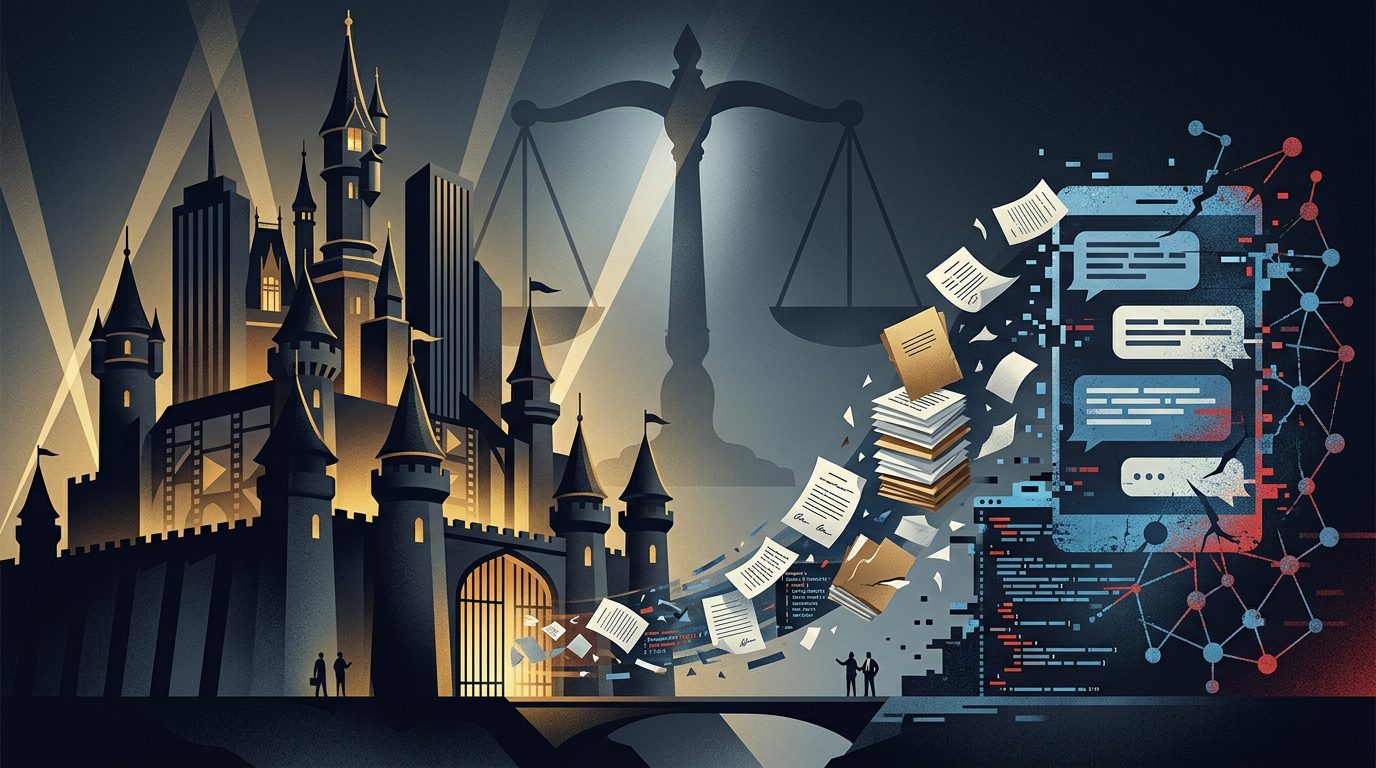
The company, known for letting users create and chat with AI-generated characters, filed for bankruptcy protection in Delaware on October 12, 2026. The filing came after lawsuits and investigations concerning chatbot safety, particularly allegations involving minors. Character.AI says the court-supervised process is intended to maximize value and provide a chance for its platform to continue operating.
But the bankruptcy is closely connected to a deal with Disney. Court filings described by WIRED indicate that Disney required the transaction to be completed through bankruptcy proceedings, citing Character.AI’s dwindling cash reserves and substantial litigation and regulatory risks. That detail makes the case more consequential than a routine sale of a struggling technology business.
The filings do not establish that Disney can simply erase every legal claim. Instead, they raise questions about what the buyer receives, what remains with the bankrupt company, and whether courts and regulators will accept the proposed structure.
What Disney is seeking from Character.AI
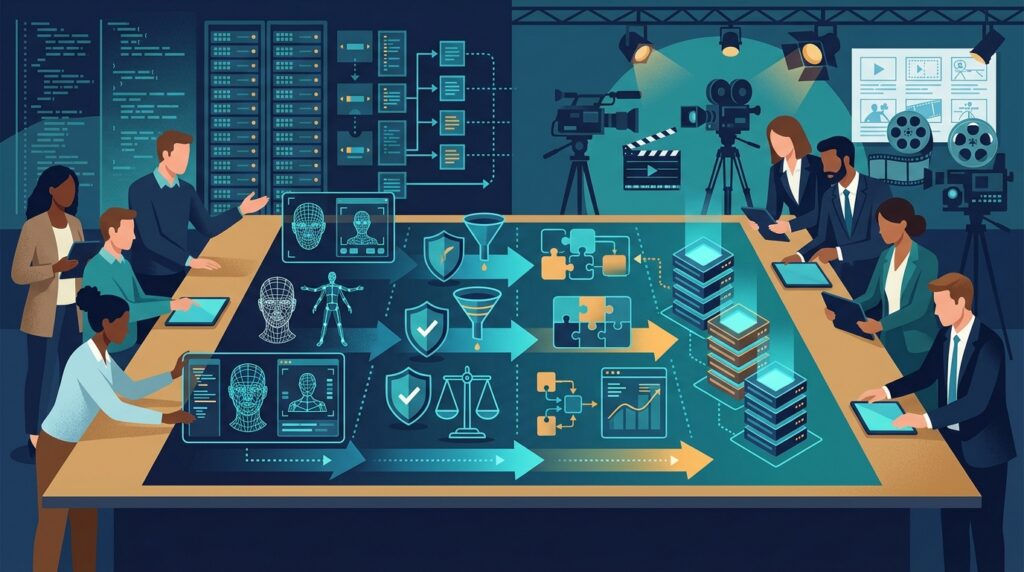
According to the court filings reported by WIRED, Disney’s agreement is structured around two connected transactions: arrangements made before the bankruptcy filing and a proposed license to be completed through the court-supervised sale.
In September, Disney paid Character.AI $5.5 million and made a refundable $2 million deposit. Disney also hired most of Character.AI’s staff, including its former chief executive, and agreed that some of those employees would help keep the chatbot service running during a transition period.
The proposed bankruptcy sale would give Disney a perpetual, worldwide, non-exclusive license to a broad range of Character.AI intellectual property. The reported list includes software code, documentation, frameworks, tools, training infrastructure, and technology associated with trust-and-safety moderation and age prediction.
If Disney is selected as the winning bidder and the court approves the deal, it would make an additional $12.5 million closing payment. The sale is not automatically final: the license is expected to be auctioned, and other bidders may compete.
Importantly, the reported license does not include Character.AI’s website or users’ data. The distinction matters because the company’s user conversations and personal information have become a major concern in the bankruptcy proceedings.
Why the bankruptcy process matters to the lawsuits
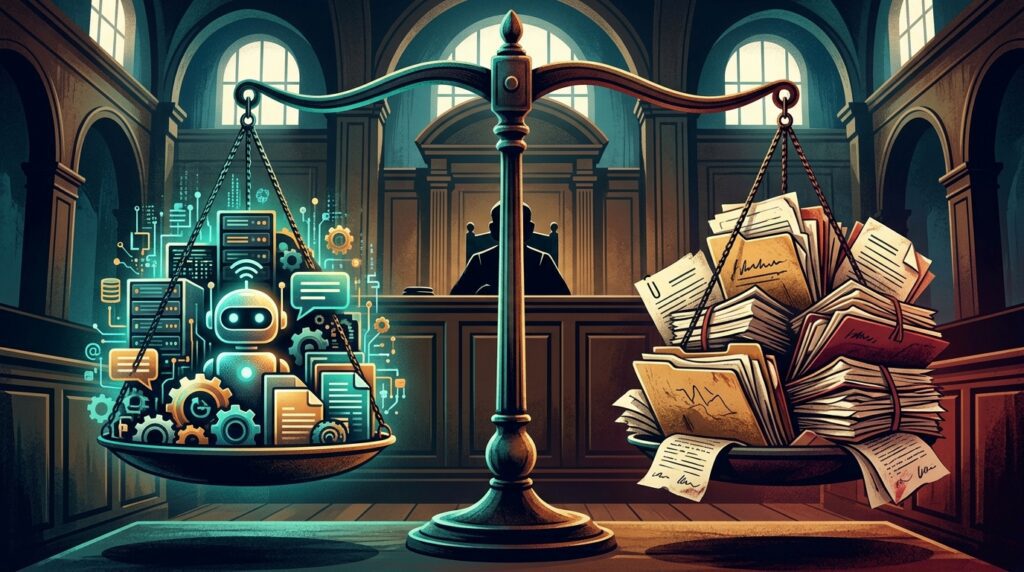
Character.AI has faced private lawsuits and investigations over allegations that its chatbots harmed or endangered young users. Some cases have involved claims that chatbot interactions contributed to severe emotional harm, including teen suicides. These are allegations and legal claims, not a blanket finding that every Character.AI chatbot caused harm.
The company has also faced scrutiny from state authorities. A notice filed in the bankruptcy case on behalf of 40 state attorneys general raised concerns about children’s safety and sensitive personal data. Character.AI has disputed aspects of the safety allegations and says it has taken steps to improve its platform.
The proposed deal appears designed to separate the technology and employees Disney wants from the liabilities Character.AI faces. A draft court order described in WIRED’s reporting would clarify that the transaction should not be treated as a merger and that Character.AI would remain responsible for its existing obligations, including legal claims.
That arrangement is the heart of the controversy. Disney could potentially gain access to technology and experienced staff while the original company continues to deal with litigation and regulatory investigations. Whether that separation holds up will depend on the bankruptcy court, the details of the final transaction, and challenges that claimants or regulators may bring.
A reverse acquihire—and a contentious precedent
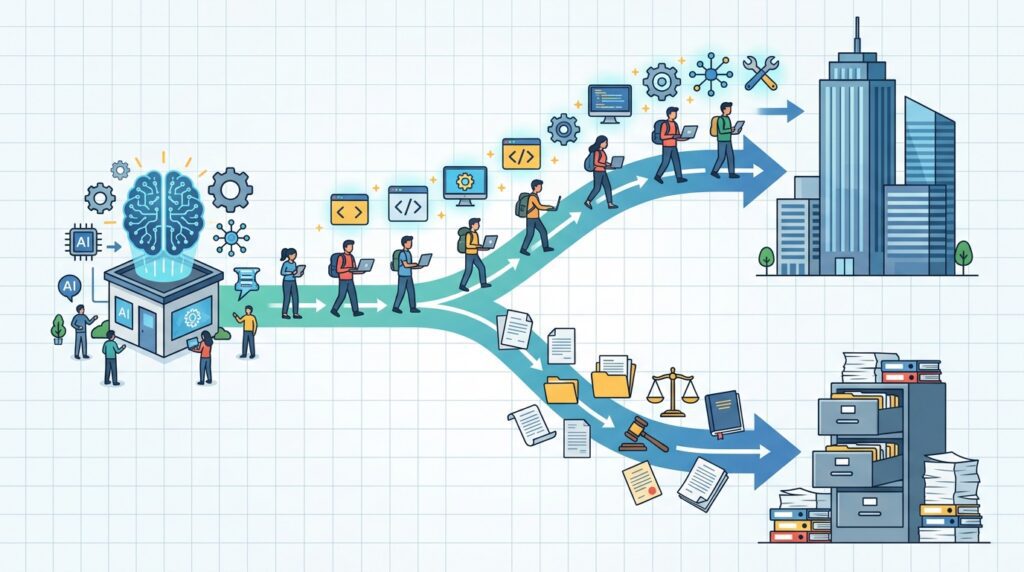
The arrangement resembles what technology observers call a reverse acquihire: a company hires a target’s employees and secures rights to its technology, while the original business may be left with a reduced operation.
The model has appeared in the AI sector before. In 2024, Google reached a major licensing arrangement with Character.AI and hired its founders and other researchers, while Character.AI continued operating independently. That earlier deal did not end all legal exposure: Google was later named in lawsuits connected to chatbot-related harm, and its responsibility has been contested in court.
The Disney transaction is different in important ways because it is being pursued alongside a bankruptcy filing and a proposed asset sale. It also follows a period in which Character.AI reportedly struggled to find a buyer willing to take on the business amid litigation and regulatory risk.
The case could draw further attention to whether reverse acquihires allow companies to obtain the most valuable parts of an AI business while avoiding the obligations associated with its products. It may also intensify debate over whether such transactions should face closer antitrust or regulatory review.
What happens to Character.AI users and their data?
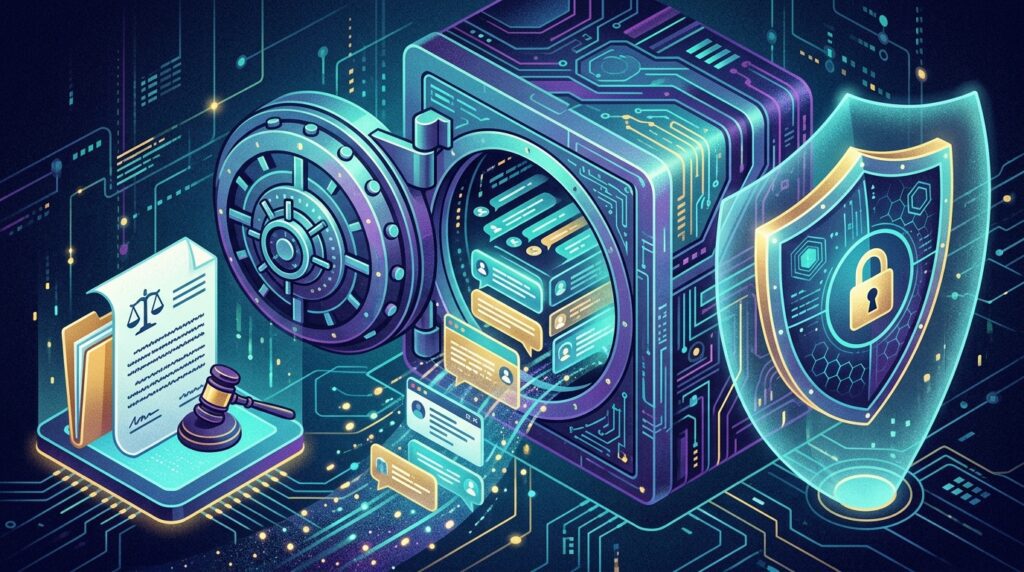
Character.AI has said its platform remains available during the sale process, and that subscriptions and privacy practices are unchanged for now. Its public update also says users can delete accounts or export their data.
Still, the bankruptcy has prompted concern about how sensitive conversations—especially those involving minors—could be handled if the company’s assets change hands. State attorneys general have asked the court to ensure children’s data receives appropriate protection.
The reported Disney license excludes users’ data, but that does not resolve every privacy question. The company’s platform may continue under a new owner, be transferred through a later transaction, or ultimately be wound down if no viable bid emerges. Users should consult Character.AI’s current notices and privacy policy for the latest instructions on account access, subscriptions, and data export.
The sale is not yet a clean exit
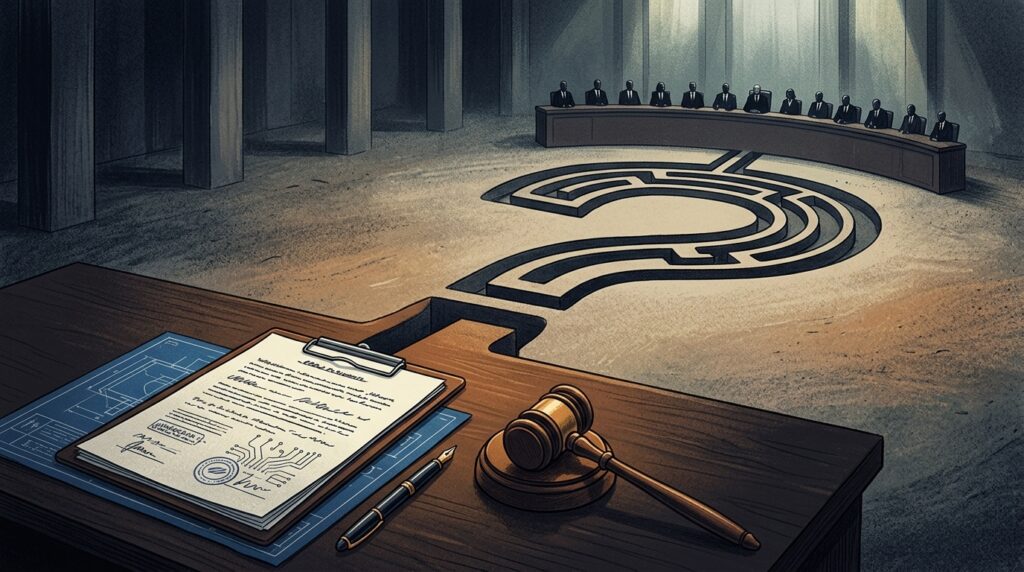
Character.AI’s own announcement says the court-supervised sale is intended to be completed by late November or early December 2026. The company has warned that it may wind down if no actionable proposal allows the platform to continue.
Disney’s proposed license is therefore not a finalized transfer of the entire business. It remains subject to the auction process, approval by the relevant parties and court, and possible objections.
State authorities have reserved the right to challenge aspects of the bankruptcy plan. Their concerns include the safety of minors and the treatment of sensitive user information. Those issues could shape the final terms or delay the sale.
What this could mean for the AI industry
Character.AI’s bankruptcy highlights a growing tension in AI: a startup can build a widely used product and valuable technology, yet face serious financial and legal pressure over how that product behaves in the real world.
For buyers, a licensing-and-hiring structure can be an attractive way to obtain technical capabilities without purchasing an entire company. For users and people bringing legal claims, however, it raises a different concern: whether responsibility will remain with a company that has the resources to address harm—or with a diminished entity facing insolvency.
The final outcome will matter beyond Character.AI. If courts approve a structure that allows a buyer to obtain core AI assets while the original company retains most of the legal exposure, other technology firms may consider similar arrangements. If regulators or claimants successfully challenge the deal, it could establish limits on how far these transactions can separate assets from accountability.
For now, Disney’s interest in Character.AI is both a technology acquisition opportunity and a test of how bankruptcy law handles AI companies whose products are at the center of unresolved safety disputes.
Sources
More AI coverage: explore Progressive Robot's AI Models, Tools & Releases hub — hands-on reviews, setup guides and benchmarks in one place.










