

AI ransomware detection and prevention represents a fundamental shift in cybersecurity strategy. Instead of waiting for known attack signatures or relying on static threat intelligence feeds, AI-powered systems analyze behavioral patterns, detect anomalies in real time, and neutralize threats across the attack chain. This article explores how AI is becoming an indispensable ally in the fight against ransomware, the mechanisms that make it effective, and what organizations must do to deploy these systems successfully.
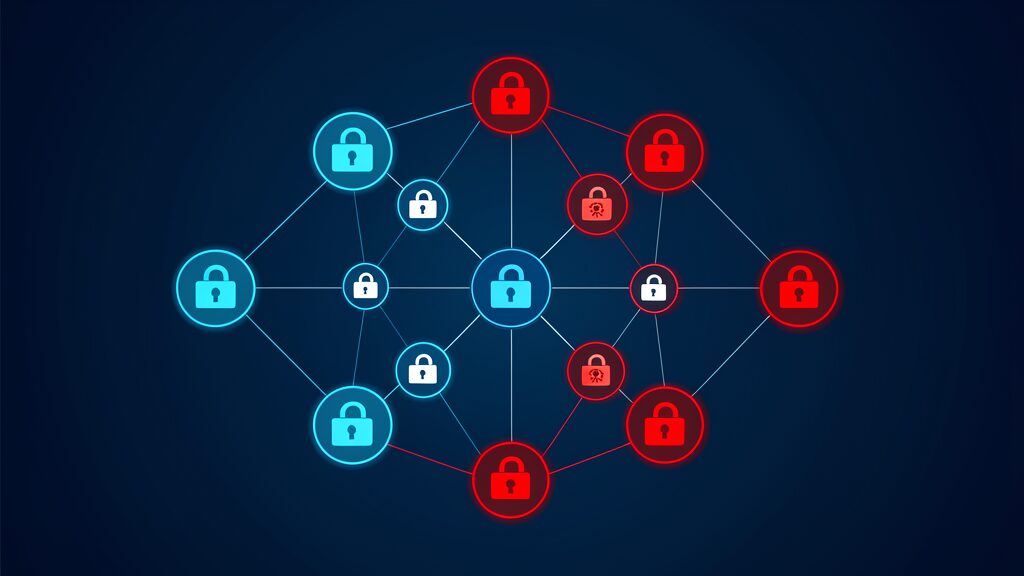
AI ransomware detection and prevention represents a fundamental shift in cybersecurity strategy. Instead of waiting for known attack signatures or relying on static threat intelligence feeds, AI-powered systems analyze behavioral patterns, detect anomalies in real time, and neutralize threats across the attack chain.
Table of contents
- Why Traditional Ransomware Defenses Are Failing
- How AI Detects Ransomware Before Encryption
- Real-World AI Ransomware Prevention Success Stories
- The AI Ransomware Detection Architecture
- Implementing AI Ransomware Defense: A Strategic Roadmap
- The Future of AI in Ransomware Defense
- The Economics of Ransomware: Why Prevention Is Cheaper Than Recovery
- The Role of Machine Learning in Ransomware Detection
- Integrating AI Ransomware Defense with Existing Security Infrastructure
- Challenges and Limitations of AI Ransomware Defense
- Building an AI-Ready Security Organization
- Key Takeaways for Organizations
Ransomware attacks are evolving at a pace that traditional security tools simply cannot match. The average ransomware attack now occurs every 11 seconds, with global damages projected to exceed $26.5 billion by 2031. Traditional signature-based detection systems, rule engines, and even many modern endpoint detection platforms are reacting to threats after they have already breached defenses. But a new paradigm is emerging — one where artificial intelligence does not just defend against ransomware, but actively hunts it down before encryption begins.
AI ransomware detection and prevention represents a fundamental shift in cybersecurity strategy. Instead of waiting for known attack signatures or relying on static threat intelligence feeds, AI-powered systems analyze behavioral patterns, detect anomalies in real time, and neutralize threats across the attack chain. This article explores how AI is becoming an indispensable ally in the fight against ransomware, the mechanisms that make it effective, and what organizations must do to deploy these systems successfully.
Why Traditional Ransomware Defenses Are Failing
The ransomware threat landscape has transformed dramatically over the past five years. What began as opportunistic malware campaigns has evolved into a sophisticated, organized criminal industry operating under the Ransomware-as-a-Service (RaaS) model. Modern ransomware groups employ multiple attack vectors, including phishing emails, supply chain compromises, exploited remote access vulnerabilities, and credential theft through social engineering.
Traditional defenses struggle against this evolving threat for several critical reasons. Signature-based antivirus solutions can only detect known malware variants, leaving them blind to zero-day ransomware and polymorphic code that changes its structure with each infection. Static rule engines require constant manual updates and cannot adapt to novel attack techniques fast enough. Even many endpoint detection and response (EDR) platforms rely on predefined behavioral rules that attackers quickly learn to circumvent.
The human element compounds these technical limitations. Security teams face alert fatigue from thousands of daily security events, making it nearly impossible to identify the subtle indicators of a sophisticated ransomware campaign before it escalates. The average time to identify a breach is 197 days, and ransomware attacks often move from initial compromise to full encryption in a fraction of that time. By the time traditional systems raise an alarm, the damage may already be irreversible.
This gap between threat evolution and defensive capability is precisely where AI ransomware solutions deliver transformative value.
How AI Detects Ransomware Before Encryption
AI ransomware detection operates through multiple complementary mechanisms that work together to identify and neutralize threats across the entire attack lifecycle. Understanding these mechanisms reveals why AI represents such a significant advancement over traditional approaches.
Behavioral analysis and anomaly detection
Machine learning models trained on millions of system events establish a baseline of normal behavior for each user, device, and application within an organization. When deviations occur — such as a user account suddenly accessing hundreds of files across multiple network shares, or a process attempting to encrypt an unusually large number of files — the AI system flags these behaviors as suspicious in real time. Unlike signature-based detection, behavioral analysis does not require prior knowledge of the specific threat, making it effective against zero-day ransomware variants.
File system activity monitoring
Ransomware is fundamentally defined by its file encryption behavior. AI-powered monitoring systems track file system operations at an extremely granular level, analyzing patterns such as file creation rates, modification frequencies, file type targeting, and encryption API usage. When a process begins exhibiting the characteristic encryption burst pattern of ransomware — rapidly creating or modifying thousands of files within seconds — the AI system can intervene before significant damage occurs.
Network traffic analysis
Ransomware campaigns involve extensive network communication, from initial reconnaissance and lateral movement to data exfiltration and ransom note deployment. AI systems analyze network traffic patterns to identify suspicious activities such as unusual SMB connections, abnormal DNS queries, encrypted communication with known malicious IP ranges, and data staging patterns that precede exfiltration. By correlating network indicators with endpoint behavior, AI creates a comprehensive threat picture that is far more difficult for attackers to evade.
Email and phishing detection
Since phishing remains the primary ransomware delivery method, AI-powered email security plays a critical role in prevention. Natural language processing models analyze email content, sender behavior patterns, and embedded links to identify sophisticated phishing attempts that bypass traditional spam filters. Advanced AI systems can detect social engineering tactics, impersonation attempts, and malicious attachments with far greater accuracy than rule-based systems.
Real-World AI Ransomware Prevention Success Stories
The effectiveness of AI ransomware detection is not theoretical — organizations across industries are achieving measurable results by deploying AI-powered security solutions.
Healthcare sector breakthrough
A multi-hospital network in the United States deployed an AI-powered endpoint detection platform across 15,000 endpoints and 200 servers. Within the first six months, the system identified and blocked three sophisticated ransomware attempts that had evaded the organization’s existing security stack. In one incident, the AI detected anomalous file encryption behavior on a workstation in the radiology department, traced the lateral movement path through the network, and automatically isolated the affected systems before the ransomware could reach patient records stored on shared file servers. The incident would have potentially disrupted care for thousands of patients and exposed sensitive health data for millions of individuals.
Financial services protection
A regional banking institution with 500,000 customer accounts implemented AI-driven email security and endpoint protection. The system detected a highly targeted spear-phishing campaign aimed at the finance department, identifying malicious email characteristics that traditional filters missed. The AI analyzed the sender’s domain registration patterns, email content sentiment, and embedded link behavior to classify the message as malicious with 99.7% confidence. When a similar attack later attempted to exploit a zero-day vulnerability in the organization’s remote access infrastructure, the behavioral analysis engine detected the anomalous connection patterns and automatically blocked the exploit before any data was compromised.
Manufacturing and supply chain defense
A global manufacturing company with operations across 12 countries faced increasing ransomware threats targeting its industrial control systems and supply chain management platforms. After deploying AI-powered network monitoring and endpoint protection, the organization detected a supply chain compromise where attackers had infiltrated the network through a third-party vendor’s credentials. The AI system identified unusual credential usage patterns, detected lateral movement attempts toward critical manufacturing systems, and automatically triggered containment protocols that prevented the ransomware from reaching production environments. The incident prevented an estimated $47 million in potential production losses.
The AI Ransomware Detection Architecture
Effective AI ransomware defense requires a layered architecture that combines multiple AI capabilities across different security domains. Understanding this architecture helps organizations evaluate and deploy AI ransomware solutions effectively.
Cloud-based AI engines
Modern AI ransomware detection relies on cloud-based machine learning engines that process vast amounts of threat intelligence data in real time. These engines are continuously trained on global threat data, incorporating new attack patterns, indicators of compromise, and behavioral signatures from millions of endpoints worldwide. This collective intelligence means that when an AI system in one organization detects a novel ransomware variant, that knowledge is immediately propagated to all connected systems, creating a global defense network that strengthens with each deployment.
Edge and endpoint intelligence
While cloud engines provide global threat intelligence, effective ransomware prevention requires intelligent decision-making at the edge. AI models deployed on endpoints and network gateways can analyze local behavior patterns in real time without the latency of cloud-based processing. These edge AI systems use lightweight machine learning models optimized for rapid inference, enabling sub-second detection and response to ransomware threats. The combination of cloud-scale intelligence with edge-level responsiveness creates a defense architecture that is both comprehensive and fast.
Orchestration and automated response
AI ransomware detection systems are most effective when integrated with security orchestration, automation, and response (SOAR) platforms. When the AI identifies a ransomware threat, automated response playbooks can execute containment actions such as isolating affected endpoints, blocking malicious network connections, disabling compromised user accounts, and activating backup verification procedures — all within seconds of detection. This automation eliminates the response time delays that allow ransomware to spread and encrypt critical systems.
Implementing AI Ransomware Defense: A Strategic Roadmap
Deploying AI ransomware detection and prevention requires a strategic approach that aligns technology investments with organizational risk profiles and security maturity.
Phase 1: Assessment and planning
Begin with a comprehensive assessment of your current ransomware exposure, including an inventory of critical assets, existing security controls, and identified gaps. Evaluate your organization’s data classification, backup strategies, and incident response capabilities. This assessment informs the scope and priorities of your AI ransomware defense deployment, ensuring that resources are allocated to protect the most critical assets first.
Phase 2: Foundation deployment
Deploy AI-powered email security and endpoint protection as the foundation of your ransomware defense. These two layers address the most common ransomware entry points and provide immediate protection against the majority of ransomware threats. Choose solutions that offer cloud-based AI engines with real-time threat intelligence updates and automated response capabilities. Ensure that the deployment includes comprehensive logging and monitoring to establish a baseline for ongoing optimization.
Phase 3: Network and identity integration
Extend AI ransomware detection to network traffic analysis and identity protection. Network-based AI monitoring detects lateral movement and data exfiltration attempts that endpoint solutions may miss. AI-powered identity protection identifies compromised credentials and anomalous access patterns that indicate account takeover attempts. This expanded coverage creates a defense-in-depth strategy that addresses ransomware at every stage of the attack chain.
Phase 4: Advanced threat hunting
Leverage AI-powered threat hunting capabilities to proactively search for indicators of compromise that automated detection may not have triggered. Advanced AI systems can analyze historical data, correlate seemingly unrelated events, and identify sophisticated multi-stage attacks that evade conventional detection. This proactive approach transforms your security posture from reactive to predictive, identifying and neutralizing threats before they can execute ransomware payloads.
The Future of AI in Ransomware Defense
The arms race between ransomware attackers and defenders will continue to evolve, and AI will remain at the center of this conflict. Several emerging trends will shape the future of AI ransomware defense.
Adversarial AI and countermeasures
As AI becomes more prevalent in cybersecurity, attackers are beginning to develop adversarial techniques designed to evade AI detection. These include data poisoning attacks, evasion techniques that craft malicious payloads to appear benign to AI models, and prompt injection attacks against AI-powered security tools. Defenders must respond with adversarial training, where AI models are explicitly trained on adversarial examples to improve their robustness. This ongoing cycle of attack and defense innovation will drive continuous improvement in AI ransomware detection capabilities.
Federated learning for privacy-preserving AI
Federated learning enables AI models to be trained across multiple organizations without sharing sensitive data. This approach is particularly valuable for ransomware defense, where organizations may be reluctant to share threat intelligence due to regulatory requirements or competitive concerns. Federated learning allows AI models to benefit from global threat data while preserving data privacy and compliance with regulations such as GDPR and HIPAA.
Quantum-resistant AI systems
As quantum computing advances, current encryption methods used by ransomware will become vulnerable. AI systems will need to evolve to detect and prevent quantum-enabled ransomware attacks, while also helping organizations transition to quantum-resistant encryption standards. AI-powered vulnerability management and encryption assessment tools will play a critical role in preparing organizations for the post-quantum security landscape.
The Economics of Ransomware: Why Prevention Is Cheaper Than Recovery
Understanding the financial impact of ransomware attacks is essential for building the business case for AI-powered prevention. The costs extend far beyond the ransom payment itself, encompassing downtime, recovery efforts, regulatory penalties, legal fees, and reputational damage.
The average cost of a ransomware attack now exceeds $4.5 million, according to recent industry analyses. This figure includes direct costs such as incident response, system restoration, and regulatory fines, as well as indirect costs like business interruption, lost productivity, and customer churn. For small and medium-sized businesses, the financial impact can be even more devastating — approximately 60% of small businesses that suffer a ransomware attack close within six months due to the financial burden.
The insurance dimension adds another layer of complexity. Cyber insurance premiums have surged by over 30% in the past two years, and insurers are increasingly demanding proof of advanced security controls, including AI-powered detection, before issuing or renewing policies. Some insurers now refuse to cover organizations that lack behavioral detection capabilities, recognizing that traditional defenses are insufficient against modern ransomware threats.
Investing in AI ransomware prevention delivers a compelling return on investment. Organizations that deploy comprehensive AI-powered security solutions report an average reduction in security incidents of 70-80%, with many achieving near-complete prevention of ransomware infections. The cost of an AI-powered security platform — typically ranging from $5 to $15 per endpoint per month — is a fraction of the potential cost of a single ransomware attack, making it one of the most cost-effective security investments an organization can make.
The Role of Machine Learning in Ransomware Detection
Machine learning forms the technical foundation of AI ransomware detection, employing multiple algorithmic approaches to identify and neutralize threats. Understanding these approaches helps organizations evaluate different AI ransomware solutions and select the right technology for their needs.
Supervised learning for known pattern recognition
Supervised learning algorithms are trained on labeled datasets containing examples of both malicious and benign behavior. These algorithms learn to classify new events based on patterns identified during training, achieving high accuracy in detecting known ransomware variants and attack patterns. Supervised learning excels at identifying ransomware families with established behavioral signatures, providing a reliable first line of defense against well-documented threats.
Unsupervised learning for novel threat discovery
Unsupervised learning algorithms analyze data without predefined labels, identifying patterns and anomalies that deviate from established norms. This approach is particularly valuable for detecting novel ransomware variants and zero-day attacks that have no known signatures. By clustering similar behaviors and flagging outliers, unsupervised learning can identify previously unseen ransomware techniques before they cause widespread damage.
Reinforcement learning for adaptive defense
Reinforcement learning algorithms learn optimal response strategies through trial and error, continuously improving their detection and response capabilities based on feedback from the security environment. In the context of ransomware defense, reinforcement learning can optimize response playbooks, adjust detection thresholds based on false positive rates, and develop increasingly sophisticated countermeasures against evolving attack techniques. This adaptive capability ensures that AI ransomware defense systems improve over time rather than degrading as attackers evolve their tactics.
Deep learning for complex pattern analysis
Deep learning models, particularly neural networks with multiple processing layers, excel at analyzing complex, high-dimensional data such as system call sequences, network traffic patterns, and application behavior profiles. These models can identify subtle correlations and patterns that traditional analysis methods miss, enabling detection of sophisticated multi-stage ransomware campaigns that employ advanced evasion techniques. Deep learning is particularly effective at analyzing the full attack chain, from initial compromise through lateral movement to encryption execution.
Integrating AI Ransomware Defense with Existing Security Infrastructure
Successful AI ransomware deployment requires seamless integration with existing security tools and processes. Organizations that treat AI as a standalone solution rather than an integrated component often fail to realize its full potential.
SIEM and SOAR integration
Security Information and Event Management (SIEM) systems aggregate and correlate security events from multiple sources, providing a centralized view of organizational security posture. AI ransomware detection systems integrate with SIEM platforms to enrich security events with AI-generated threat scores, behavioral analysis results, and automated response recommendations. When combined with Security Orchestration, Automation, and Response (SOAR) platforms, AI-powered detection can trigger automated containment actions, reducing response times from hours to seconds.
Endpoint detection and response enhancement
AI ransomware detection enhances existing Endpoint Detection and Response (EDR) platforms by adding behavioral analysis capabilities that complement traditional signature-based detection. Rather than replacing EDR solutions, AI-powered systems work alongside them, providing an additional layer of intelligence that improves detection accuracy and reduces false positives. This layered approach ensures comprehensive protection while maximizing the return on existing security investments.
Cloud security posture management
As organizations migrate workloads to cloud environments, AI ransomware detection must extend to cloud infrastructure to protect against cloud-specific threats. AI-powered cloud security posture management tools monitor cloud configurations, identify misconfigurations that could enable ransomware attacks, and detect anomalous activity in cloud workloads. These tools are essential for organizations operating hybrid or multi-cloud environments, where ransomware threats can exploit gaps between on-premises and cloud security controls.
Challenges and Limitations of AI Ransomware Defense
While AI offers significant advantages in ransomware detection and prevention, organizations must understand its limitations and challenges to deploy it effectively.
False positives and alert fatigue
AI systems are not infallible, and false positive detections can contribute to alert fatigue if not properly managed. Overly aggressive detection thresholds may flag legitimate business activities as suspicious, causing operational disruptions and eroding trust in the security system. Organizations must carefully calibrate detection sensitivity, implement intelligent alert prioritization, and establish clear escalation procedures to ensure that security teams can focus on genuine threats without being overwhelmed by false alarms.
Adversarial attacks and evasion techniques
Sophisticated attackers are developing techniques specifically designed to evade AI detection, including adversarial examples that manipulate input data to produce incorrect classifications, data poisoning attacks that corrupt training datasets, and polymorphic ransomware that continuously modifies its behavior to avoid detection patterns. Defenders must employ adversarial training techniques, continuously update detection models, and maintain multiple detection layers to mitigate these sophisticated evasion attempts.
Data quality and model drift
AI ransomware detection systems depend on high-quality training data and accurate behavioral baselines. Poor data quality, incomplete system telemetry, or inaccurate baseline models can degrade detection performance over time. Additionally, as organizational environments change — new applications deployed, user behavior patterns shift, infrastructure evolves — AI models may experience drift, requiring regular retraining and validation to maintain detection accuracy. Organizations must establish robust data governance practices and continuous model monitoring to ensure sustained effectiveness.
Skills gap and operational complexity
Deploying and managing AI ransomware detection systems requires specialized skills in machine learning, data science, and security operations. Many organizations face a significant skills gap that limits their ability to effectively implement and maintain AI-powered security solutions. This challenge can be addressed through managed security services, vendor-provided expertise, and targeted training programs that build internal capabilities over time.
Building an AI-Ready Security Organization
Technology alone cannot solve the ransomware threat — organizations must also build the people, processes, and culture necessary to support AI-powered security operations.
Developing security analytics capabilities
Organizations should invest in developing security analytics capabilities that complement AI ransomware detection. This includes training security analysts to interpret AI-generated alerts, investigate AI-flagged incidents, and provide feedback to improve detection models. Building a culture of data-driven security operations ensures that AI systems are effectively integrated into daily security workflows and continuously optimized based on analyst feedback.
Establishing incident response readiness
Even the best AI ransomware detection systems cannot prevent every attack. Organizations must maintain robust incident response capabilities that can contain and recover from ransomware incidents that evade detection. This includes maintaining offline backups, testing recovery procedures regularly, and conducting ransomware incident response drills to ensure that teams can respond effectively under pressure. AI-powered incident response tools can enhance these capabilities by automating containment actions, accelerating forensic analysis, and coordinating response efforts across distributed teams.
Fostering security awareness and culture
Human behavior remains a critical factor in ransomware prevention. Organizations must invest in comprehensive security awareness programs that educate employees about ransomware threats, phishing tactics, and safe computing practices. AI-powered security awareness platforms can personalize training content based on individual risk profiles, track behavioral changes over time, and measure the effectiveness of awareness initiatives. When combined with AI ransomware detection, a strong security culture creates a defense-in-depth strategy that addresses both technical and human vulnerabilities.
Key Takeaways for Organizations
The integration of AI into ransomware defense is no longer optional — it is a strategic imperative. Organizations that fail to adopt AI-powered security solutions will find themselves increasingly vulnerable to sophisticated ransomware attacks that exploit the limitations of traditional defenses.
Start by deploying AI-powered email security and endpoint protection as your foundation. Extend coverage to network monitoring and identity protection for comprehensive defense. Invest in continuous training and optimization to ensure your AI systems remain effective against evolving threats. Build strong backup and recovery capabilities as a safety net, recognizing that no detection system is perfect. Finally, foster a security-aware culture where employees understand their role in ransomware prevention and can recognize social engineering attempts before they lead to compromise.
The future of ransomware defense is intelligent, adaptive, and proactive. AI is not just an additional tool in the security arsenal — it is the foundation upon which effective ransomware defense must be built. Organizations that embrace this reality today will be better positioned to protect their critical assets, maintain business continuity, and survive the escalating ransomware threat landscape of tomorrow.










